
Fiber optic trees are more than decorative novelties—they blend artistry with technology, casting shimmering light through thousands of fine strands to mimic the gentle flicker of stars. But when that soothing glow turns into an erratic, unpredictable blinking pattern, it can disrupt ambiance and raise concerns about device integrity. While occasional flickering may seem harmless, persistent irregularities often point to deeper issues within the tree’s internal circuitry or power management system.
This article explores the most common causes behind erratic blinking in fiber optic trees, explains how their internal electronics function, and provides a detailed, step-by-step process for resetting the circuitry. Whether you own a compact desktop model or a floor-standing centerpiece, understanding these mechanisms empowers you to restore optimal performance and extend the lifespan of your investment.
Understanding Fiber Optic Tree Technology
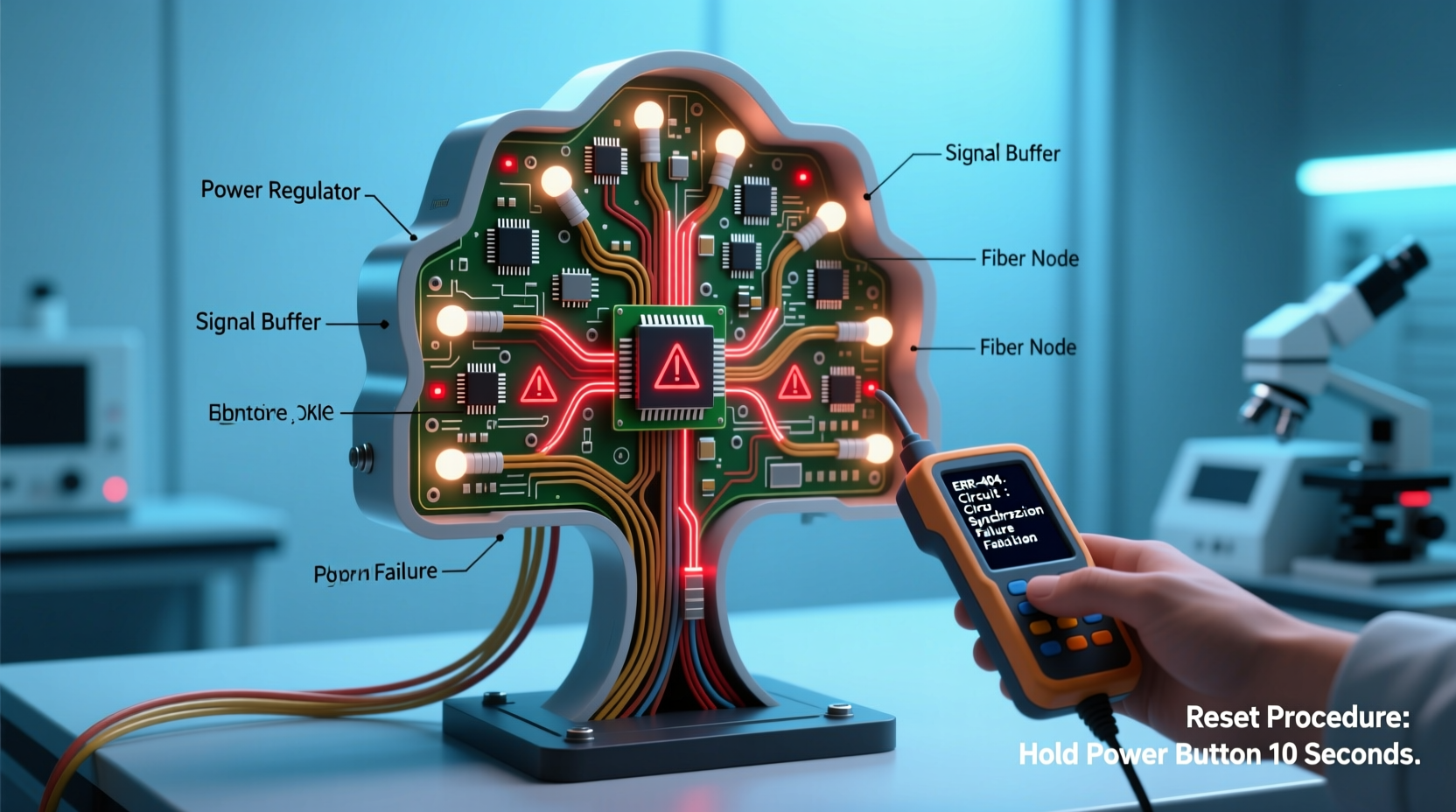
Fiber optic trees operate on a simple yet elegant principle: light generated by an LED or halogen source at the base travels along thin, flexible plastic or glass fibers. These fibers act as waveguides, transmitting light from the core to the tips, where it emerges as tiny points of illumination. The lighting effect is typically modulated by a control unit that manages color transitions, brightness cycles, and blinking sequences.
The “brain” of the tree is usually housed in the base and consists of a microcontroller, power regulator, and driver circuits. This internal system interprets user input (such as mode selection via remote or button) and adjusts output accordingly. When functioning properly, the lights transition smoothly between modes—steady glow, slow fade, twinkling, or rhythmic pulsing.
However, disruptions in voltage supply, firmware glitches, or component fatigue can cause the controller to misfire, leading to erratic blinking—random flashes, inconsistent timing, or unresponsive controls.
“Many users assume their fiber optic tree has failed when it’s actually experiencing a recoverable electronic hiccup. A proper reset can resolve over 70% of reported anomalies.” — Dr. Alan Reeves, Electronics Systems Engineer, Home Automation Division
Common Causes of Erratic Blinking
Before attempting a reset, it's crucial to diagnose what might be triggering the abnormal behavior. Below are the most frequent culprits:
- Power Supply Instability: Fluctuations in household voltage or using an incompatible adapter can destabilize the control board.
- Overheating Components: Prolonged use without adequate ventilation may cause thermal throttling or temporary circuit failure.
- Firmware Glitches: Like any digital device, the microcontroller can freeze or enter a corrupted state due to electrical noise or abrupt shutdowns.
- Dust or Moisture Ingress: Accumulated dust inside the base or exposure to humidity can create short circuits or interfere with sensor operation.
- Aging LEDs or Driver Failure: As components degrade, especially in older models, inconsistent current delivery leads to flickering.
- Remote Control Interference: Nearby infrared sources or damaged remotes may send unintended signals, confusing the control module.
Step-by-Step Guide to Reset Internal Circuitry
Resetting your fiber optic tree clears temporary faults in the control system, much like rebooting a computer. Follow this sequence carefully to ensure full restoration of normal operation.
- Turn Off and Unplug: Switch off the tree using the power button (if available), then disconnect it from the wall outlet. Do not skip this step—working with live electronics risks damage.
- Remove Remote (If Applicable): Take out the batteries from the remote control to prevent accidental signal transmission during reset.
- Wait for 5 Minutes: Allow capacitors in the base to fully discharge. This ensures all residual power is cleared from the circuitry.
- Clean the Base Vents: Use a dry cotton swab or compressed air to gently remove dust from ventilation slots and around the LED housing.
- Reconnect Power: Plug the tree back into the outlet. Avoid using extension cords or multi-plug adapters during this process.
- Initiate Hard Reset (If Supported): Some models require holding the “Mode” or “Power” button for 10–15 seconds after reconnection to force a factory reset. Consult your manual if unsure.
- Test All Modes: Cycle through each lighting option manually to confirm stability. Observe for at least two full cycles per mode.
- Reinsert Remote Batteries: Only after confirming stable operation should you reintroduce remote functionality.
If blinking persists after this procedure, repeat the process once more. Two consecutive resets increase success rates for deeply embedded glitches.
Troubleshooting Table: Symptoms vs. Solutions
| Symptom | Likely Cause | Recommended Action |
|---|---|---|
| Random flashing across all fibers | Firmware crash or power surge residue | Perform full circuitry reset (Steps 1–8) |
| Only top section blinks irregularly | Fiber bundle disconnection or breakage | Inspect fiber alignment at base; contact manufacturer |
| No response to remote or buttons | Controller lockup or IR receiver fault | Replace remote batteries; perform hard reset |
| Lights dim and pulse slowly but unevenly | Aging LED array or failing driver chip | Consider professional repair or replacement |
| Blinking stops when touched | Loose internal connection sensitive to vibration | Do not open housing; seek authorized service |
Real-World Example: Resolving a Holiday Display Malfunction
Sarah M., a homeowner in Portland, noticed her 4-foot fiber optic Christmas tree began flickering wildly three days before hosting a family gathering. Initially assuming the tree was broken, she nearly replaced it—until she recalled reading about electronic resets for smart lamps.
She unplugged the unit, removed the remote batteries, waited ten minutes (longer than recommended, due to oven preheating nearby), and restarted. Upon reconnection, the lights initially blinked again—but after cycling through modes twice, they stabilized into a soft twinkle. The tree performed flawlessly throughout the event.
Later inspection revealed a frayed section in her power strip cable, likely causing intermittent voltage drops. After replacing the strip, no further issues occurred. Sarah’s experience underscores how environmental factors often masquerade as hardware failure.
Preventative Maintenance Checklist
To minimize future disruptions, adopt these best practices:
- ✅ Unplug the tree when not in use for extended periods
- ✅ Clean the base every 3–6 months with a dry cloth
- ✅ Store in a cool, dry place away from direct sunlight
- ✅ Use only the original power adapter or manufacturer-approved replacement
- ✅ Avoid placing near heat sources like radiators or fireplaces
- ✅ Test functionality monthly during display season
- ✅ Keep remote control in a protective case when stored
Frequently Asked Questions
Can I fix a fiber optic tree myself if the blinking continues after a reset?
Basic troubleshooting like resetting and cleaning is safe for consumers. However, internal repairs involving soldering or circuit boards should be left to professionals. Most manufacturers offer limited repair services or discounted replacements under warranty.
How long should a fiber optic tree last under normal conditions?
With proper care, most models last between 5 and 10 years. LED lifespans exceed 25,000 hours, but environmental stressors like heat, moisture, and power instability reduce longevity. Units used seasonally (e.g., holiday decor) often exceed a decade of service.
Is erratic blinking dangerous?
In most cases, no. Erratic blinking is typically a sign of electronic confusion rather than a fire hazard. However, if accompanied by burning smells, visible sparks, or excessive heat from the base, unplug immediately and discontinue use. These symptoms indicate potential component failure requiring professional evaluation.
Final Thoughts: Restore Calm with a Simple Reset
An erratic fiber optic tree doesn’t mean the end of its life—it often signals a minor electronic anomaly easily corrected. By understanding the underlying technology and following a disciplined reset process, you can restore harmony to your lighting display without costly replacements.
Remember that consistency in maintenance plays a critical role in long-term reliability. Just as we reboot our phones and laptops to maintain efficiency, periodic resets keep embedded controllers in decorative electronics functioning optimally.




 浙公网安备
33010002000092号
浙公网安备
33010002000092号 浙B2-20120091-4
Comments
No comments yet. Why don't you start the discussion?