
Sudden, involuntary twitches in the fingers are more common than many people realize. You might be typing, holding a cup of coffee, or simply resting your hand when one finger—often the ring or little finger—jumps or quivers for no apparent reason. While these spasms are usually harmless, they can be unsettling, especially if they occur frequently or spread to other areas. Understanding the underlying causes and knowing when to seek medical evaluation is essential for peace of mind and long-term health.
Finger twitching, medically known as fasciculations, refers to small, localized muscle contractions that are visible under the skin. Unlike cramps, which are painful and sustained, twitches are brief, painless, and often intermittent. They can affect any muscle group but are particularly noticeable in the hands and fingers due to their fine motor control and high nerve density.
Common Causes of Random Finger Twitching
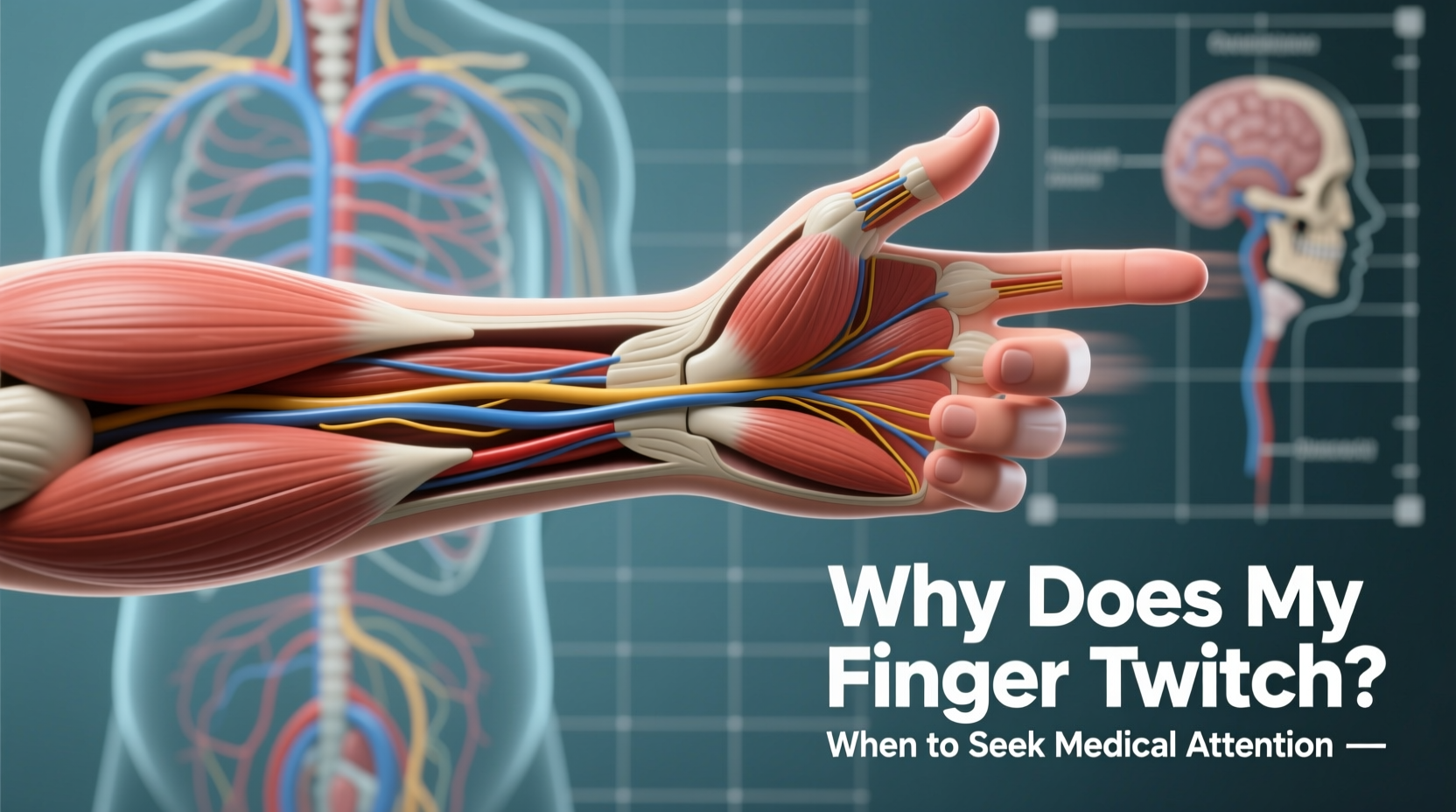
In most cases, finger twitching is benign and linked to lifestyle factors rather than serious medical conditions. The nervous system constantly sends signals to muscles, and minor disruptions in this signaling pathway can result in spontaneous contractions.
- Stress and Anxiety: Elevated stress levels increase adrenaline and cortisol, which can overstimulate nerves and lead to muscle twitching. This is especially true during periods of prolonged mental strain or sleep deprivation.
- Caffeine Intake: Excessive consumption of coffee, energy drinks, or other stimulants can overexcite the central nervous system, triggering involuntary muscle activity.
- Electrolyte Imbalance: Low levels of magnesium, calcium, or potassium disrupt normal nerve conduction and muscle function. Dehydration, poor diet, or intense exercise without proper rehydration can contribute.
- Eye Strain and Digital Overuse: Prolonged screen time, especially with repetitive hand movements like typing or gaming, can fatigue small hand muscles and irritate peripheral nerves.
- Lack of Sleep: Chronic sleep deprivation impairs neurological regulation, increasing the likelihood of neuromuscular misfiring.
When Finger Twitching Could Signal a Medical Concern
While occasional twitching is typically nothing to worry about, certain patterns and accompanying symptoms may indicate an underlying neurological issue. Persistent or progressive twitching should not be ignored, especially if it spreads beyond a single finger or is associated with weakness, numbness, or atrophy.
One condition often raised in concern is amyotrophic lateral sclerosis (ALS), a progressive neurodegenerative disease. However, ALS-related twitching is rarely isolated to just one finger and is almost always accompanied by measurable muscle weakness, difficulty with fine motor tasks, and gradual loss of muscle bulk.
“Fasciculations alone, without weakness or atrophy, are very unlikely to be caused by ALS. Most patients we see with finger twitching have benign fasciculation syndrome.” — Dr. Rebecca Langston, Neurologist at Boston Neuromuscular Clinic
Other potential medical causes include:
- Peripheral Nerve Entrapment: Conditions like ulnar nerve compression (commonly called “funny bone” nerve) can cause twitching in the ring and little fingers, often alongside tingling or numbness.
- Thyroid Disorders: Hyperthyroidism increases metabolic rate and nerve excitability, potentially leading to muscle tremors and twitching.
- Medication Side Effects: Certain drugs, including corticosteroids, asthma inhalers (like albuterol), and some psychiatric medications, list muscle twitching as a possible side effect.
- Benign Fasciculation Syndrome (BFS): A chronic condition characterized by persistent muscle twitching without evidence of nerve damage or degeneration. It’s often triggered or worsened by stress and fatigue.
Red Flags: When to See a Doctor
Most finger twitches resolve on their own within minutes or days. However, there are specific warning signs that warrant professional evaluation. If you experience any of the following, consult a healthcare provider—preferably a neurologist—for further assessment:
- Twitching that persists daily for more than two weeks without improvement.
- Muscle weakness, such as difficulty gripping objects or dropping items unexpectedly.
- Visible muscle shrinkage (atrophy), particularly in the hand or forearm.
- Spreading of twitching to other body parts like the arm, face, or legs.
- Numbness, tingling, or burning sensations in the affected hand.
- Difficulty with coordination or performing routine manual tasks.
| Symptom | Typically Benign? | Action Step |
|---|---|---|
| Occasional twitch lasting seconds | Yes | No action needed; monitor frequency |
| Daily twitching for over 2 weeks | Possibly | Track symptoms and schedule doctor visit |
| Twitching + muscle weakness | No | See neurologist promptly |
| Twitching only at night | Yes | Check sleep hygiene and electrolyte balance |
| Family history of neurological disease | Caution advised | Discuss with physician even if mild |
A Real-Life Example: Recognizing the Difference
Mark, a 38-year-old software developer, began noticing his left pinky twitching intermittently while working at his desk. At first, he dismissed it as fatigue from long coding sessions. But after three weeks of daily twitching—and now seeing it extend into his palm—he grew concerned. He also started having trouble closing that hand tightly around a water bottle.
He visited a neurologist who performed an electromyography (EMG) test. Results showed mild ulnar nerve entrapment at the elbow, likely due to prolonged elbow flexion while typing. With ergonomic adjustments, physical therapy, and anti-inflammatory medication, Mark’s symptoms resolved within six weeks. His case illustrates how early intervention can prevent progression—even when initial signs seem minor.
Step-by-Step Guide to Managing and Monitoring Finger Twitches
If you’re experiencing random finger twitching, follow this practical timeline to determine whether it’s likely benign or requires medical attention:
- Day 1–3: Observe and Document
Keep a symptom journal. Note when the twitch occurs, how long it lasts, what you were doing, and any triggers (e.g., after coffee, during stress). - Day 4–7: Implement Lifestyle Adjustments
Reduce caffeine, improve sleep hygiene, stretch hands and wrists regularly, and stay hydrated. Include magnesium-rich foods like spinach, almonds, and bananas. - Week 2: Reassess Symptoms
If twitching has decreased or stopped, continue healthy habits. If unchanged, consider temporary reduction in screen time or repetitive hand use. - Week 3–4: Evaluate Progress
If twitching persists daily and is spreading or worsening, schedule an appointment with your primary care physician. Request blood work to check electrolytes, thyroid function, and vitamin B12 levels. - After Medical Consultation:
If weakness or neurological signs are present, ask for referral to a neurologist. EMG and nerve conduction studies may be recommended to assess nerve health.
Prevention Checklist: Reducing the Risk of Recurrent Twitching
To minimize the chances of future episodes, incorporate these evidence-based practices into your routine:
- ✅ Limit caffeine to no more than 200–300 mg per day (about 1–2 cups of coffee)
- ✅ Aim for consistent, uninterrupted sleep of 7–9 hours each night
- ✅ Stay hydrated—drink at least 8 glasses of water daily, more if active
- ✅ Eat a balanced diet rich in magnesium, potassium, and calcium
- ✅ Take breaks every 30–60 minutes during computer or phone use
- ✅ Practice hand and wrist stretches multiple times a day
- ✅ Manage stress through mindfulness, breathing exercises, or yoga
- ✅ Avoid resting elbows on hard surfaces for extended periods
Frequently Asked Questions
Can dehydration cause finger twitching?
Yes. Dehydration leads to electrolyte imbalances, particularly low potassium and magnesium, which are critical for proper nerve signaling and muscle contraction. Even mild dehydration can trigger muscle irritability and twitching, especially in individuals who sweat heavily or consume diuretics like caffeine.
Is finger twitching a sign of Parkinson’s disease?
Not typically. Parkinson’s disease primarily presents with resting tremors—rhythmic shaking that occurs when the limb is relaxed—not isolated twitching. Fasciculations are not a hallmark of Parkinson’s. Other symptoms include stiffness, slow movement, and balance issues.
Should I worry if only one finger twitches occasionally?
Occasional twitching in a single finger, especially after physical exertion or stress, is generally not concerning. It becomes worth investigating if the twitching becomes frequent, spreads, or is accompanied by weakness, numbness, or functional impairment.
Conclusion: Listen to Your Body, Act with Confidence
Finger twitching is usually a fleeting, harmless event driven by lifestyle factors like stress, fatigue, or caffeine. In the vast majority of cases, simple self-care measures are enough to restore normal muscle function. However, dismissing persistent or progressive symptoms can delay diagnosis of treatable conditions like nerve compression or metabolic imbalances.
The key is awareness without alarm. Track your symptoms objectively, make sustainable changes to support nerve and muscle health, and don’t hesitate to seek medical advice when red flags appear. Your nervous system is finely tuned—paying attention to its subtle signals today can protect your mobility and quality of life tomorrow.




 浙公网安备
33010002000092号
浙公网安备
33010002000092号 浙B2-20120091-4
Comments
No comments yet. Why don't you start the discussion?