
If you've noticed your fish hovering near the water's surface, struggling to maintain balance, or floating upside down, it may be suffering from a swim bladder disorder. This condition is one of the most common health concerns among freshwater aquarium fish, particularly in goldfish and bettas. While not always life-threatening, untreated swim bladder issues can severely impact a fish’s quality of life and lead to secondary complications. Understanding the underlying causes, recognizing early symptoms, and knowing how to respond can make all the difference in restoring your fish’s health.
Understanding the Swim Bladder: How Fish Stay Balanced
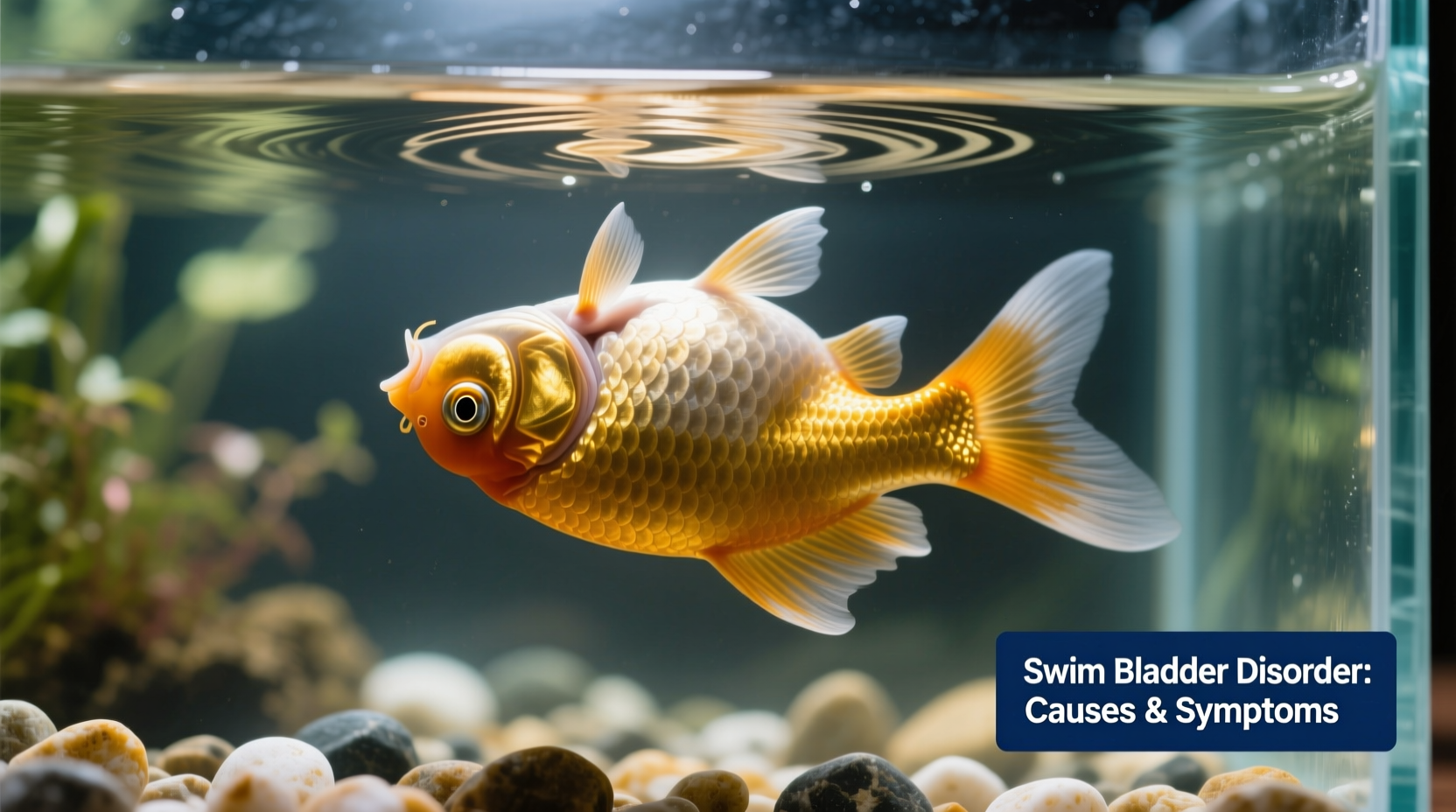
The swim bladder is a gas-filled organ located in the dorsal portion of a fish’s body cavity. It functions like a biological buoyancy control device, allowing fish to maintain their position in the water column without expending excessive energy. By adjusting the amount of gas within the bladder, fish can rise, sink, or remain neutrally buoyant.
In bony fish—such as tetras, guppies, goldfish, and cichlids—the swim bladder connects to the digestive tract via a duct (in physostomous species) or is closed off (in physoclistous species). This anatomical link explains why digestive problems often contribute to swim bladder dysfunction. When the organ becomes compromised, whether through physical compression, infection, or trauma, the fish loses its ability to regulate buoyancy effectively.
“Swim bladder disorders are rarely fatal on their own, but they signal deeper physiological imbalances that require prompt attention.” — Dr. Alicia Nguyen, Aquatic Veterinarian
Common Signs Your Fish Has a Swim Bladder Problem
Recognizing the symptoms early increases the chances of successful treatment. Look for these behavioral and physical indicators:
- Floatation at the surface: The fish remains stuck at the top, unable to dive even when trying to swim downward.
- Sinking to the bottom: In some cases, the fish cannot rise and rests on the substrate despite active swimming attempts.
- Upside-down swimming: The fish swims or rests with its belly facing up, especially after eating.
- Lopsided posture: One side of the body tilts upward while the other sinks, causing an unnatural angle.
- Bloating or distended abdomen: A visibly swollen belly may compress the swim bladder.
- Reduced activity: Lethargy, reluctance to feed, or staying isolated from tank mates.
Primary Causes of Swim Bladder Dysfunction
Swim bladder problems are typically secondary to another issue rather than a standalone disease. Identifying the root cause is essential for effective treatment.
Dietary Issues and Constipation
Overfeeding or consuming dry foods that expand in the stomach is a leading cause. Pellets and flakes absorb water inside the digestive tract, swelling and pressing against the swim bladder. This is especially common in round-bodied fish like fancy goldfish and bettas.
Poor Water Quality
Ammonia, nitrite, or sudden pH fluctuations stress fish, weakening their immune systems and making them more susceptible to internal infections that affect the swim bladder. High nitrates over time can also impair organ function.
Bacterial or Parasitic Infections
Infections can inflame the swim bladder directly (a condition known as bacterial swim bladder disease) or affect surrounding organs. These are often accompanied by loss of appetite, red streaks on the body, or cloudy eyes.
Physical Trauma or Birth Defects
Fish that have been netted roughly, jumped out of the tank, or suffered collisions may experience internal damage. Some ornamental breeds are genetically predisposed to malformed swim bladders due to selective breeding for body shape.
Temperature Fluctuations
Cold water slows digestion significantly, increasing the risk of constipation and gas buildup. Tropical fish kept below their optimal temperature range (e.g., below 76°F for bettas) are especially vulnerable.
Step-by-Step Guide to Treating Swim Bladder Issues
Most cases can be resolved with conservative care at home. Follow this timeline-based approach for best results:
- Day 1: Fast the Fish
Stop feeding for 2–3 days to allow the digestive system to clear. This reduces pressure on the swim bladder and gives the gut time to reset. - Day 2: Check Water Parameters
Test ammonia, nitrite, nitrate, and pH. Perform a 30–50% water change if any parameter is outside safe levels. Use a dechlorinator and match temperature closely. - Day 3: Introduce Cooked Peas
Feed one small, deshelled, cooked pea (cooled) per day. Peas act as a natural laxative and help relieve constipation. Avoid overfeeding—remove uneaten portions after 15 minutes. - Days 4–5: Monitor Progress
Observe swimming behavior. If improvement is seen, continue peas every other day. If no change, consider Epsom salt treatment. - Days 5–7: Epsom Salt Bath (if needed)
Add 1 tablespoon of unscented Epsom salt per 5 gallons of water. This helps reduce bloating and inflammation. Do not use aquarium salt interchangeably—Epsom salt (magnesium sulfate) has different properties. - Day 7+: Reassess Diet and Environment
Resume regular feeding with soaked pellets or gel foods. Ensure consistent water temperature and avoid overstocking.
Do’s and Don’ts When Managing Swim Bladder Problems
| Action | Do | Don't |
|---|---|---|
| Feeding | Offer soaked pellets, blanched peas, or live/frozen foods | Feed dry flakes or overfeed |
| Water Care | Maintain stable temperature and perform regular water changes | Allow ammonia spikes or rapid temperature shifts |
| Treatment | Use Epsom salt for bloating; isolate if infected | Use antibiotics without confirmation of infection |
| Handling | Minimize stress; use soft nets if transfer is necessary | Chase or trap fish unnecessarily |
| Environment | Keep hiding spots and reduce strong currents | Place in tanks with aggressive tank mates |
Real Example: Rescuing a Constipated Goldfish
A hobbyist named Mark noticed his fantail goldfish, Bubbles, was floating vertically at the surface each morning. Despite swimming normally at times, Bubbles couldn’t dive and often rested upside-down near the filter outlet. Concerned, Mark tested his water—ammonia was undetectable, but nitrates were at 60 ppm. He fasted Bubbles for two days, then fed a quarter of a mashed, cooled pea. Within 24 hours, Bubbles passed white, stringy waste and began swimming normally. Mark reduced feeding frequency, started soaking pellets, and performed weekly 40% water changes. Over the next month, Bubbles showed no recurrence.
This case highlights how diet and maintenance—not disease—are often the culprits behind swim bladder issues. Simple interventions, when applied consistently, can yield dramatic improvements.
When to Suspect Something More Serious
While most swim bladder cases stem from reversible causes, some signs suggest a permanent or systemic problem:
- No improvement after 7–10 days of proper care
- Visible lumps or asymmetry in the body
- Labored breathing or clamped fins
- Loss of appetite lasting more than 3 days
In such cases, the issue may be due to a congenital defect, tumor, or chronic infection. While euthanasia may be the most humane option in untreatable cases, consult an aquatic veterinarian if available. Some clinics offer diagnostic imaging or injectable treatments for severe conditions.
Frequently Asked Questions
Can swim bladder disorder be contagious?
No, swim bladder issues themselves are not contagious. However, if caused by a bacterial infection, the pathogen could potentially spread to other stressed fish. Isolate affected fish only if infection is suspected.
Is it safe to keep a fish with a permanent swim bladder issue?
Yes. Many fish adapt well to buoyancy challenges. Modify the tank environment by lowering water depth, adding soft substrate, and providing resting spots near the surface. Feed sinking or hand-fed foods to ensure nutrition.
Why do goldfish get swim bladder problems more often?
Fancy goldfish breeds have compact, rounded bodies due to selective breeding. This compressed anatomy leaves little room for internal organs, making them prone to digestive pressure on the swim bladder. Their susceptibility underscores the need for specialized diets and careful husbandry.
Prevention Checklist: Protect Your Fish Long-Term
Preventing swim bladder issues is far easier than treating them. Use this checklist to maintain a healthy aquarium environment:
- ✅ Feed high-quality, varied diet including fiber-rich foods like peas
- ✅ Soak dry foods before feeding
- ✅ Avoid overfeeding—once or twice daily, small portions
- ✅ Maintain water temperature appropriate for species (74–80°F for most tropicals)
- ✅ Test water weekly and perform 25–50% water changes regularly
- ✅ Quarantine new fish before introducing to main tank
- ✅ Choose tank mates carefully to minimize stress and aggression
“Prevention starts with understanding your fish’s biology. A few simple adjustments in feeding and care can prevent most buoyancy issues.” — Dr. Lena Patel, Aquarium Health Consultant
Conclusion: Act Early, Care Consistently
Fish floating at the top is a visible cry for help—one that shouldn’t be ignored. Swim bladder issues are often rooted in everyday oversights: overfeeding, poor water quality, or inappropriate diets. But with attentive observation and timely intervention, most cases can be resolved at home. The key is acting quickly, diagnosing accurately, and committing to long-term preventive care.
Your aquarium is a delicate ecosystem where small changes ripple through every inhabitant. By mastering the basics of fish health, you’re not just treating symptoms—you’re fostering resilience. Start today by evaluating your feeding routine, testing your water, and watching your fish with fresh eyes. Their balance depends on it.




 浙公网安备
33010002000092号
浙公网安备
33010002000092号 浙B2-20120091-4
Comments
No comments yet. Why don't you start the discussion?