
Cloudy water in a fish tank following a water change is a common frustration for aquarists of all experience levels. While it may appear alarming, this phenomenon is usually not an emergency but rather a sign that biological or chemical processes are out of balance. Understanding the root causes—ranging from bacterial blooms to substrate disturbance—is essential for restoring clarity and maintaining a healthy aquatic environment. This guide explores the science behind post-water-change cloudiness, offers actionable solutions, and provides long-term prevention strategies to ensure your aquarium remains a stable, thriving ecosystem.
Understanding the Causes of Cloudy Water After Water Changes
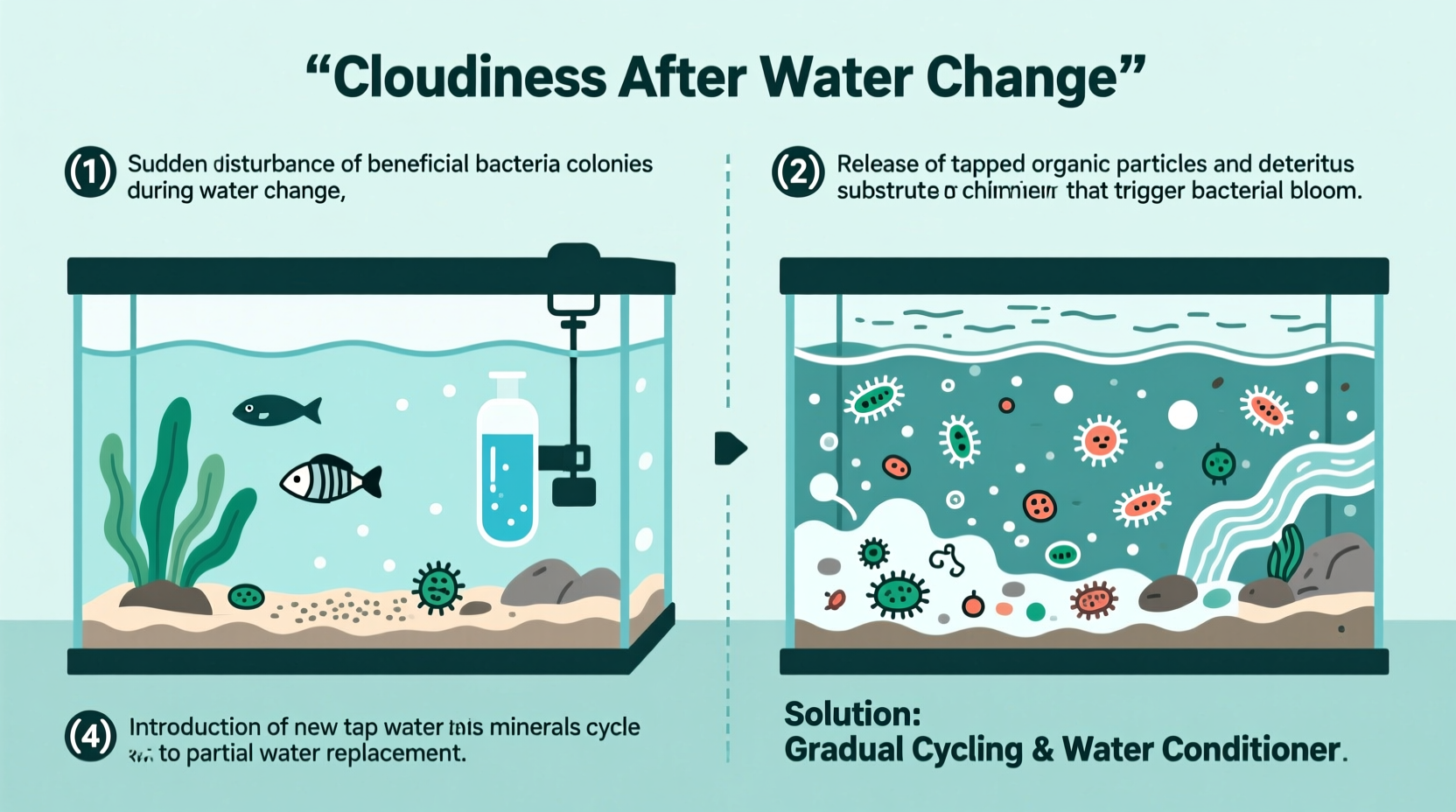
Water clarity is often the first indicator of aquarium health. When water turns cloudy immediately or within hours after a water change, it's typically due to one or more underlying factors. Unlike algae-related green water, post-change cloudiness is usually white or grayish, suggesting suspended particles or microbial activity rather than photosynthetic organisms.
The most frequent causes include:
- Bacterial bloom: A sudden surge in heterotrophic bacteria feeding on organic waste released during cleaning.
- Disturbed substrate: Gravel or sand stirred up during maintenance releases fine particles into the water column.
- Unrinsed filter media: Cleaning mechanical filters with tap water can kill beneficial bacteria and dislodge debris.
- Poor-quality replacement water: Chloramine, temperature shock, or high mineral content in new water can destabilize the system.
- Overcleaning: Excessive scrubbing of tank surfaces removes biofilm and disrupts microbial equilibrium.
These factors often interact. For example, vacuuming gravel aggressively not only suspends sediment but also introduces oxygen-rich conditions that trigger bacterial multiplication. Recognizing which cause applies to your situation is the first step toward resolution.
How Bacterial Blooms Trigger Cloudiness
One of the most common reasons for milky water after a water change is a bacterial bloom. These occur when populations of free-floating heterotrophic bacteria multiply rapidly in response to an influx of nutrients—often organic matter like fish waste, uneaten food, or decaying plant material disturbed during cleaning.
Bacterial blooms thrive under specific conditions:
- Freshly introduced oxygen from new water increases bacterial metabolism.
- Nutrients become temporarily more available as detritus is resuspended.
- Beneficial nitrifying colonies may be disrupted, reducing competition for resources.
Unlike harmful pathogens, these bacteria are generally non-toxic but consume oxygen and reduce water clarity. The bloom typically peaks within 24–48 hours and resolves as nutrient levels drop and ecological balance reasserts itself.
“Bacterial blooms are nature’s cleanup crew—they’re a symptom of imbalance, not inherently dangerous.” — Dr. Lena Torres, Aquatic Microbiologist
When Is Cloudiness a Sign of a Deeper Problem?
While temporary cloudiness is normal, persistent murkiness beyond three days suggests unresolved issues. Warning signs include:
- Fish gasping at the surface (indicating low oxygen).
- Foul odor emanating from the tank.
- Continual recurrence after every water change.
In such cases, overfeeding, inadequate filtration, or incomplete cycling may be contributing. Addressing these systemic problems is crucial for long-term stability.
Step-by-Step Guide to Prevent and Resolve Cloudy Water
Resolving post-water-change cloudiness involves both immediate corrective actions and long-term preventive habits. Follow this timeline to restore clarity and prevent future episodes:
- Pause feeding for 24–48 hours to reduce organic load and starve excess bacteria.
- Check filter function—ensure the pump is running efficiently and the impeller isn’t clogged.
- Avoid cleaning all filter media at once; replace or rinse only half using old tank water to preserve beneficial bacteria.
- Allow suspended particles to settle naturally; do not perform another water change immediately.
- Add a water clarifier (polymer-based flocculant) if cloudiness persists past 72 hours.
- Use a fine-mesh mechanical filter pad temporarily to trap microscopic particles.
- Test water parameters (ammonia, nitrite, nitrate, pH) to confirm no toxic spikes occurred.
- Resume regular maintenance with gentler substrate vacuuming and partial (20–30%) water changes weekly.
This sequence supports natural recovery while minimizing further disruption. Rushing additional changes often worsens the problem by restarting the cycle of disturbance.
Best Practices for Water Changes That Minimize Cloudiness
Proper technique during water changes significantly reduces the risk of cloudiness. Many aquarists unknowingly contribute to the problem through overly aggressive cleaning or improper preparation of replacement water.
| Do’s | Don’ts |
|---|---|
| Rinse new substrate thoroughly before adding to the tank | Use untreated tap water without dechlorinator |
| Use conditioned water matched to tank temperature (±2°F) | Perform 100% water changes |
| Vacuum only the top layer of substrate | Clean all filter media under tap water |
| Change 20–30% of water weekly | Scrub algae off every surface aggressively |
| Let replacement water sit for 15 minutes after mixing conditioner | Introduce cold or chlorinated water directly |
Consistency matters. Regular, moderate water changes maintain stable water chemistry better than infrequent large ones, which are more likely to shock the biological system.
Real Example: Resolving Recurring Cloudiness in a Planted 40-Gallon Tank
Mark, a hobbyist with a mature 40-gallon planted aquarium, noticed recurring cloudiness every time he performed water changes. Despite testing showing safe ammonia and nitrite levels, the water turned milky within hours and took two days to clear.
After reviewing his process, he identified several issues: he was rinsing his sponge filter under tap water, using unconditioned well water with high iron content, and vacuuming deeply into the substrate. He adjusted his routine by switching to pre-treated, aerated water stored in a drum, rinsing filter media only in removed tank water, and limiting vacuuming to surface debris.
Within two weeks, cloudiness ceased entirely. His key insight? “I thought I was being thorough, but I was actually disrupting the balance I’d worked months to build.”
Essential Checklist for Clear Water After Every Change
To prevent cloudiness proactively, follow this checklist before, during, and after each water change:
- ✅ Test source water for chlorine, chloramine, and heavy metals.
- ✅ Treat replacement water with a dechlorinator that neutralizes chloramine (e.g., sodium thiosulfate + conditioner).
- ✅ Match temperature closely to avoid thermal shock.
- ✅ Vacuum substrate gently—focus on visible waste, not deep layers.
- ✅ Never clean biological or mechanical media under tap water.
- ✅ Replace less than 30% of water unless addressing a crisis.
- ✅ Wait at least 24 hours before repeating a water change.
- ✅ Monitor fish behavior and water clarity afterward.
Following this protocol helps maintain biological continuity and minimizes physical disturbances that lead to cloudiness.
Frequently Asked Questions
Is cloudy water after a water change dangerous to fish?
Not usually. Temporary cloudiness caused by bacterial blooms or suspended particles is rarely harmful. However, if accompanied by fish stress, gasping, or high ammonia levels, it may indicate a larger issue requiring immediate attention.
How long should cloudy water last after a water change?
Mild cloudiness should clear within 24 to 72 hours. If it persists longer, check for overfeeding, poor filtration, or contamination in the replacement water. Extended duration suggests an ongoing imbalance.
Can I use bottled water for water changes to avoid cloudiness?
Bottled water is not recommended for routine use. While it may be free of chlorine, its mineral content is inconsistent and often lacks essential ions like calcium and magnesium. It’s also cost-prohibitive. Conditioned tap water or properly treated RO/DI water is preferable.
Conclusion: Maintaining Clarity Through Consistent Care
Cloudy water after a water change is a manageable condition rooted in understandable biological and mechanical causes. By refining your maintenance techniques, respecting the delicate balance of your aquarium’s microbiome, and responding thoughtfully to disruptions, you can achieve consistently clear water. Prevention lies not in eliminating change but in performing it wisely—preserving the invisible allies that keep your tank healthy.




 浙公网安备
33010002000092号
浙公网安备
33010002000092号 浙B2-20120091-4
Comments
No comments yet. Why don't you start the discussion?