
That familiar pins-and-needles sensation, numbness, or sudden “dead” feeling in your foot is more than just a minor annoyance—it’s a neurological signal. While usually harmless, frequent or prolonged episodes can be uncomfortable and may point to underlying issues. Understanding the science behind why your foot falls asleep—and how to respond—can help you manage it effectively and prevent recurrence.
The Science Behind Foot Numbness
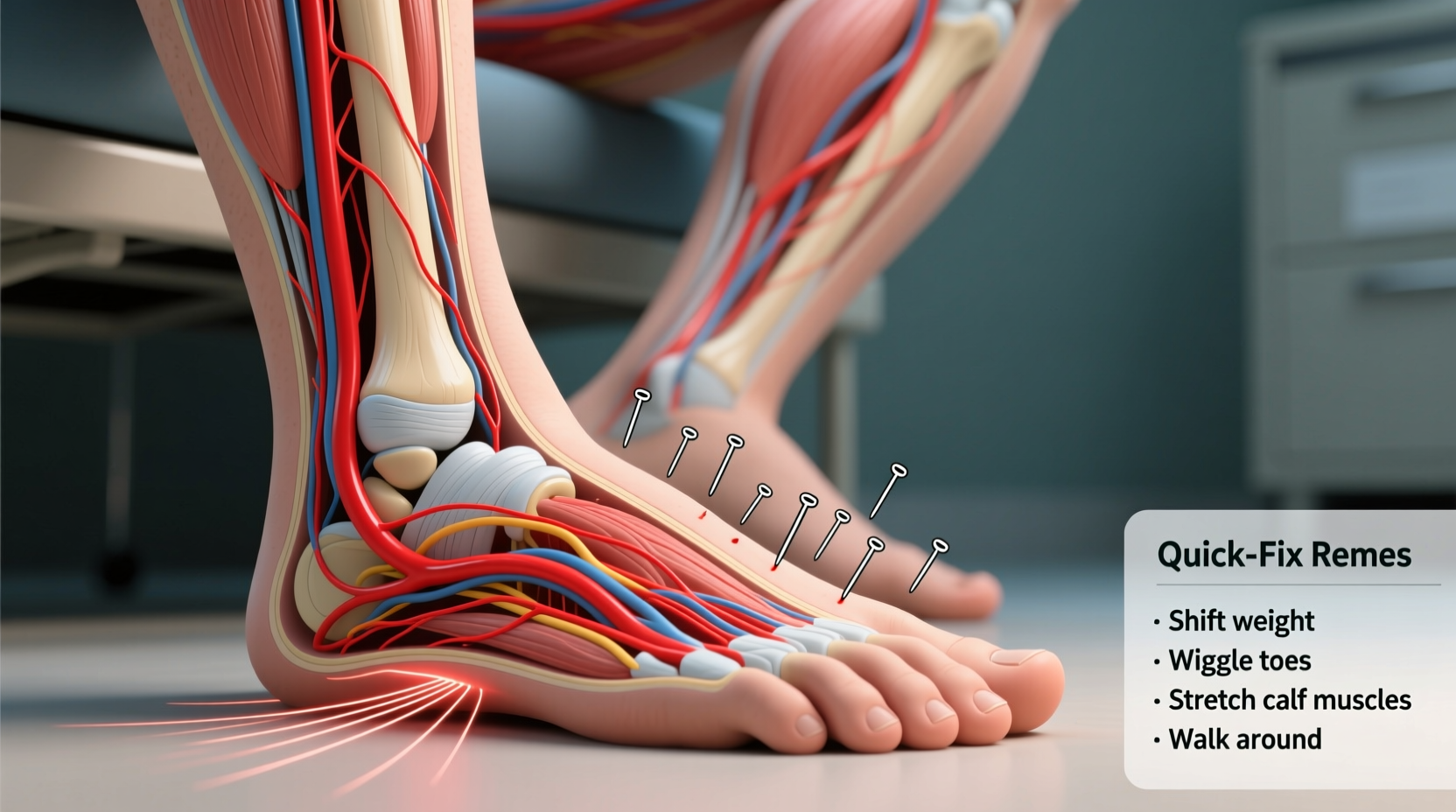
When your foot \"falls asleep,\" it's typically due to temporary compression of nerves or reduced blood flow. Nerves transmit signals between your brain and body, and when pressure is applied—such as from sitting cross-legged, wearing tight shoes, or lying awkwardly—those signals get disrupted. This leads to paresthesia: the tingling, numbness, or “buzzing” sensation that alerts you something needs to change.
Nerve compression often affects the peroneal nerve, which runs along the outside of your knee and down into the lower leg. A sharp bend at the knee or prolonged leg crossing can pinch this nerve, causing the foot to lose sensation. Similarly, poor circulation from constricted blood vessels can delay oxygen delivery to nerve endings, contributing to the feeling of heaviness or detachment.
“Numbness in the foot is usually benign and resolves quickly once pressure is released. But if it happens frequently without an obvious cause, it’s worth evaluating for nerve or vascular health.” — Dr. Lena Torres, Neurologist at Pacific Spine & Nerve Center
Common Causes of a Sleeping Foot
While occasional foot numbness is normal, certain habits and conditions increase the likelihood:
- Poor posture: Sitting with legs crossed or tucked under the body compresses nerves in the lower limbs.
- Tight footwear: High heels, narrow toe boxes, or laced boots restrict blood flow and press on peripheral nerves.
- Extended immobility: Long flights, desk work, or sedentary behavior reduce circulation.
- Obesity: Excess weight increases pressure on nerves and joints, especially in the lower extremities.
- Diabetes: Elevated blood sugar damages nerves over time (diabetic neuropathy), making them more prone to dysfunction.
- Vitamin deficiencies: Low levels of B12, B6, or E impair nerve function and repair.
- Herniated discs or spinal stenosis: Lower back issues can compress nerves leading to the feet.
Step-by-Step: Quick Fixes When Your Foot Falls Asleep
When numbness strikes, don’t ignore it. Follow this sequence to restore sensation safely and efficiently:
- Shift your position immediately. Uncross your legs, straighten your knees, or change your sitting/lying posture to release nerve pressure.
- Gently move your foot and toes. Wiggle your toes, rotate your ankle in slow circles, and flex your foot up and down to stimulate blood flow.
- Stand up and walk slowly. Light movement encourages circulation and helps “wake up” compressed nerves.
- Massage the affected area. Use your hands to apply light pressure from the heel to the toes, focusing on any tight spots.
- Elevate your leg (if swollen). If your foot feels heavy or puffy, raise it above heart level for a few minutes to reduce fluid buildup.
- Apply warmth. A warm towel or heating pad (on low) can relax tense muscles and improve circulation.
Avoid aggressive shaking or stomping, which can irritate already-sensitive nerves. The goal is gentle reactivation, not forceful stimulation.
Do’s and Don’ts: Managing Foot Numbness
| Do | Don’t |
|---|---|
| Change positions every 20–30 minutes | Sit with legs tightly crossed for long periods |
| Wear supportive, roomy footwear | Use shoes with narrow toe boxes or high heels daily |
| Stretch calves and hamstrings regularly | Ignore persistent numbness lasting hours |
| Check blood sugar if diabetic | Self-diagnose nerve issues without medical input |
| Stay hydrated and eat B-vitamin-rich foods | Smoke, which impairs circulation |
Real-Life Example: Office Worker Relief
Mark, a 38-year-old data analyst, began experiencing frequent left-foot numbness after switching to a standing desk with improper mat support. He assumed it was posture-related but noticed tingling persisted even after walking. After tracking his symptoms, he realized discomfort spiked during long meetings where he leaned one leg against the desk frame. Adjusting his chair height, using a footrest, and incorporating calf stretches every two hours eliminated the issue within a week. His case highlights how small ergonomic changes can have immediate impact.
Prevention Checklist
To minimize future episodes, follow this daily checklist:
- ✅ Wear shoes with wide toe boxes and arch support
- ✅ Take a 2-minute mobility break every hour
- ✅ Practice seated ankle rolls during long drives or flights
- ✅ Maintain healthy blood sugar and cholesterol levels
- ✅ Include B12-rich foods like eggs, fish, and fortified cereals
- ✅ Sleep with legs uncrossed and use a supportive mattress
- ✅ Monitor for symmetry—numbness in one foot only may indicate localized nerve pressure
When to See a Doctor
Occasional foot numbness is rarely concerning. However, seek medical evaluation if you experience:
- Foot numbness that lasts longer than an hour without positional cause
- Frequent episodes without clear triggers
- Weakness, muscle loss, or difficulty walking
- Burning pain or nighttime cramping
- Symptoms spreading up the leg or affecting both feet
These could indicate conditions such as sciatica, tarsal tunnel syndrome, peripheral neuropathy, or circulatory disorders. A neurologist or podiatrist can perform nerve conduction studies, imaging, or blood tests to determine the root cause.
FAQ
Can dehydration cause my foot to fall asleep?
Indirectly, yes. Dehydration reduces blood volume and can impair circulation, making nerves more sensitive to compression. Staying well-hydrated supports optimal nerve and vascular function.
Is it dangerous to ignore a sleeping foot?
In most cases, no—but chronic neglect can mask serious conditions. If numbness becomes routine or painful, it should not be dismissed. Early intervention prevents progression of nerve damage.
Why does my foot tingle more at night?
Nerve sensitivity often increases during rest. Additionally, fluid redistribution when lying down can cause mild swelling, adding pressure to nerves. Diabetics may notice worse symptoms at night due to fluctuating glucose levels.
Conclusion: Listen to Your Feet
Your foot falling asleep isn’t just a quirky bodily glitch—it’s feedback. Most causes are simple and reversible with awareness and small lifestyle adjustments. By understanding the triggers, applying quick fixes, and adopting preventive habits, you can maintain better nerve health and comfort throughout the day. Don’t wait for symptoms to escalate. Pay attention to your body’s signals, make mindful choices about posture and footwear, and take action before numbness becomes a pattern.




 浙公网安备
33010002000092号
浙公网安备
33010002000092号 浙B2-20120091-4
Comments
No comments yet. Why don't you start the discussion?