
A flawless makeup base starts with a foundation that blends seamlessly into the skin, enhancing tone and texture without drawing attention to itself. Yet, many people struggle with a common issue: their foundation ends up looking cakey—thick, patchy, and unnatural. This doesn’t mean the product is bad or your technique is flawed; it often comes down to mismatched formulas, improper prep, or subtle missteps in application. The good news? With a few targeted adjustments, you can transform a heavy, caked-on look into a fresh, airbrushed finish.
Understanding What Makes Foundation Look Cakey
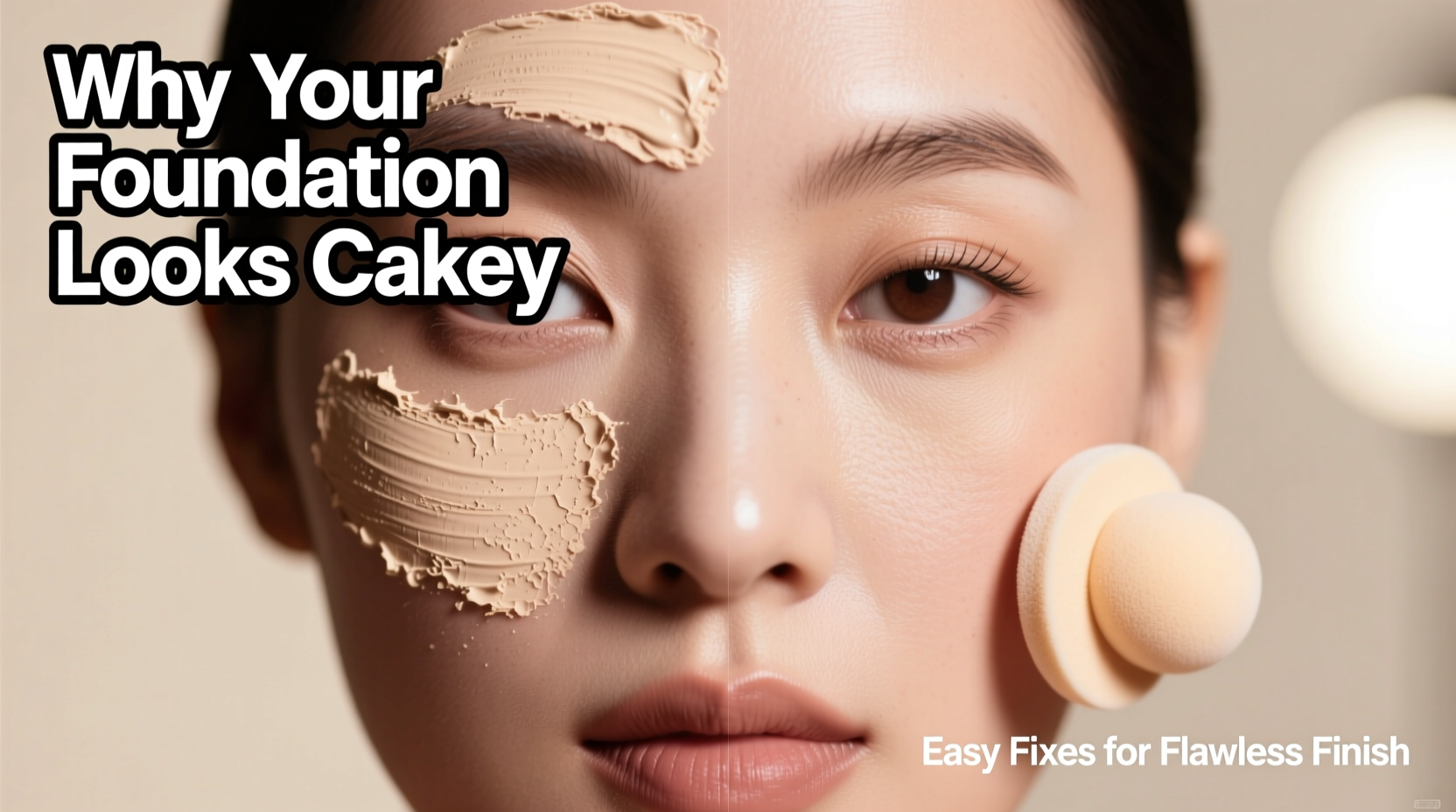
Cakey foundation isn't just an aesthetic concern—it's usually a sign that something in your routine isn't aligning with your skin type or environmental conditions. At its core, \"cakey\" refers to foundation that settles into fine lines, appears cracked or flaky, or forms uneven patches. It often feels heavy and masks rather than enhances the skin.
The primary culprits include:
- Over-application: Using too much product overwhelms the skin’s surface.
- Poor skin prep: Dry, dehydrated, or oily skin disrupts foundation adherence.
- Incompatible formula: A foundation that's too matte, thick, or drying for your skin type will emphasize texture.
- Layering too many products: Combining heavy primers, foundations, and powders without balance leads to buildup.
- Expired or oxidized foundation: Old products break down and change consistency, increasing the risk of patchiness.
“Foundation should enhance your skin, not replace it. When it looks cakey, it’s usually fighting against your skin’s natural state.” — Lena Park, Celebrity Makeup Artist
Step-by-Step Guide to a Flawless, Non-Cakey Finish
Fixing a cakey appearance doesn’t require starting over with your entire makeup collection. Instead, follow this detailed process to refine your routine from skincare to setting.
- Start with clean, balanced skin. Wash your face with a gentle cleanser suited to your skin type. Avoid harsh scrubs before makeup, as they can create micro-flaking that traps foundation.
- Hydrate deeply. Apply a lightweight hydrating serum (look for hyaluronic acid) followed by a moisturizer. For dry skin, opt for a cream-based formula; for oily skin, choose a gel-cream. Wait 5 minutes to let products absorb fully.
- Prime strategically. Use a primer that addresses your main concern—pore-minimizing, hydrating, or mattifying—but avoid overly silicone-heavy options if you’re prone to pilling.
- Choose the right foundation. Match your foundation to your skin type: dewy formulas for dry skin, buildable light coverage for oily skin, and water-based for combination types.
- Apply with the correct tool. Damp beauty sponges provide sheer, natural blending. Brushes offer more precision but can deposit more product. Fingers warm the formula for seamless melding.
- Use less product than you think. Begin with a pea-sized amount and build only where needed. Focus on areas of discoloration, not full-face coverage.
- Blend outward and downward. Work quickly before the foundation sets, blending edges into the hairline, jaw, and neck to avoid harsh lines.
- Set selectively. Only powder areas that tend to get shiny—like the T-zone. Use a translucent powder and a fluffy brush to avoid over-powdering.
- Lock it in with setting spray. A fine mist of hydrating setting spray melts layers together and removes any powdery look.
Common Mistakes That Lead to Cakey Makeup
Even experienced makeup wearers fall into habits that sabotage a smooth finish. Recognizing these pitfalls is half the battle.
| Mistake | Why It Causes Cakeiness | Better Alternative |
|---|---|---|
| Skipping moisturizer | Dry patches repel foundation, causing it to cling unevenly. | Always apply moisturizer 5–10 minutes before makeup. |
| Using expired foundation | Separation and oxidation alter texture and adhesion. | Check batch codes; replace liquid foundation every 6–12 months. |
| Applying powder all over | Excess powder mixes with oil and foundation, creating clumps. | Only set oily zones; use a puff or small brush. |
| Layering multiple full-coverage products | Build-up magnifies texture and looks mask-like. | Opt for medium coverage and spot-conceal instead. |
| Not cleaning tools regularly | Dirty sponges and brushes harbor bacteria and old product, leading to streaks. | Wash sponges weekly and brushes every 7–10 days. |
Real Example: From Cakey to Clear Skin Effect
Sophie, a 32-year-old office worker with combination skin, used a full-coverage matte foundation because she believed it would control her midday shine. However, by 10 a.m., her forehead and chin looked dry and cracked, while her nose developed visible patches. She assumed the foundation was at fault and switched brands twice with no improvement.
After consulting a makeup artist, she realized her routine was the real issue. She wasn’t moisturizing properly, applied too much foundation with a dense brush, and powdered her entire face. By switching to a hydrating serum, using a damp sponge, cutting her foundation amount in half, and only setting her T-zone, Sophie achieved a smooth, natural finish that lasted all day. Her coworkers even commented that her skin “looked healthier,” not like she was wearing makeup.
This case illustrates how small changes—not expensive products—can dramatically improve results.
Expert Tips for Long-Lasting, Natural-Looking Coverage
Professional makeup artists rely on a few trusted techniques to prevent cakeiness, even under hot lights and long shoots. Incorporate these into your daily routine:
- Mix foundation with facial oil or moisturizer: Add one drop to thin out thick formulas and boost radiance.
- Use the “less is more” rule: Build coverage gradually instead of applying a full layer at once.
- Blot, don’t powder: Midday shine? Use blotting papers first, then lightly dust powder only if necessary.
- Match undertones precisely: A foundation that’s too pink, yellow, or ashy will stand out and look artificial.
- Know when to skip foundation: On great skin days, try a tinted moisturizer or CC cream for lighter coverage.
Frequently Asked Questions
Can dry skin cause cakey foundation even with good products?
Absolutely. Dehydrated skin lacks moisture, causing foundation to cling to flakes and settle into fine lines. Exfoliate gently 1–2 times per week and always apply a hydrating moisturizer before makeup. Consider using a facial oil mixed into your foundation for extra luminosity.
Is there a way to fix cakey foundation after it’s already applied?
Yes. Lightly spritz a hydrating facial mist or setting spray onto a beauty sponge and gently press it over cakey areas. This reactivates the product and helps it blend smoothly. Avoid rubbing, which can lift foundation and create streaks.
Does the order of my skincare matter for makeup application?
It matters significantly. Apply products from thinnest to thickest: cleanser → toner → serum → moisturizer → sunscreen → primer. Skipping steps or letting products sit too long (or not long enough) affects how foundation adheres. Wait 2–3 minutes after moisturizer before applying makeup to ensure absorption.
Checklist: Achieve a Non-Cakey Foundation Finish
Follow this quick-reference checklist before applying foundation to ensure optimal results:
- ✅ Cleanse skin with a gentle, non-stripping cleanser
- ✅ Apply hydrating serum (especially if skin feels tight)
- ✅ Moisturize and wait 5 minutes for full absorption
- ✅ Use a compatible primer (optional but helpful)
- ✅ Shake foundation well and test shade on jawline
- ✅ Use a damp sponge or stippling brush for application
- ✅ Start with a pea-sized amount of product
- ✅ Blend edges into hairline, ears, and neck
- ✅ Set only oily areas with translucent powder
- ✅ Finish with 2–3 sprays of hydrating setting spray
Final Thoughts: Flawless Skin Starts with Intention
A cakey foundation doesn’t reflect poor taste or lack of skill—it reflects a mismatch between product, preparation, and technique. The solution isn’t to buy more or cover up harder, but to simplify, refine, and listen to your skin’s needs. Whether you prefer full glam or a bare-faced look, the goal remains the same: makeup that enhances, not hides.
By adjusting your prep, choosing the right formula, and applying with care, you’ll consistently achieve a finish that looks polished, natural, and effortlessly beautiful. The most radiant complexion isn’t built with layers—it’s created through balance.




 浙公网安备
33010002000092号
浙公网安备
33010002000092号 浙B2-20120091-4
Comments
No comments yet. Why don't you start the discussion?