
A smooth, radiant base is the cornerstone of any polished makeup look. Yet, no matter how many primers you layer or high-end foundations you swap in, that dreaded cakey texture keeps creeping in—especially around the nose, under the eyes, and along fine lines. It’s frustrating when your routine seems textbook perfect: clean skin, moisturizer, primer, blendable formula, beauty sponge. So why does your foundation still settle into creases, emphasize dry patches, and appear heavy?
The truth is, cakey foundation isn’t always about the product. Even the most hydrating formulas can turn chalky if applied at the wrong time, on improperly prepped skin, or layered over invisible buildup. Fixing this issue requires more than just shopping for a new bottle—it demands understanding the interplay between skin health, application technique, and environmental factors.
This guide breaks down the root causes behind cakey foundation, even when you think you’re doing everything right. From overlooked prep mistakes to timing errors and hydration imbalances, we’ll walk through science-backed solutions and real-world adjustments that deliver a seamless, second-skin finish.
Skin Prep: The Hidden Culprit Behind Cakey Makeup
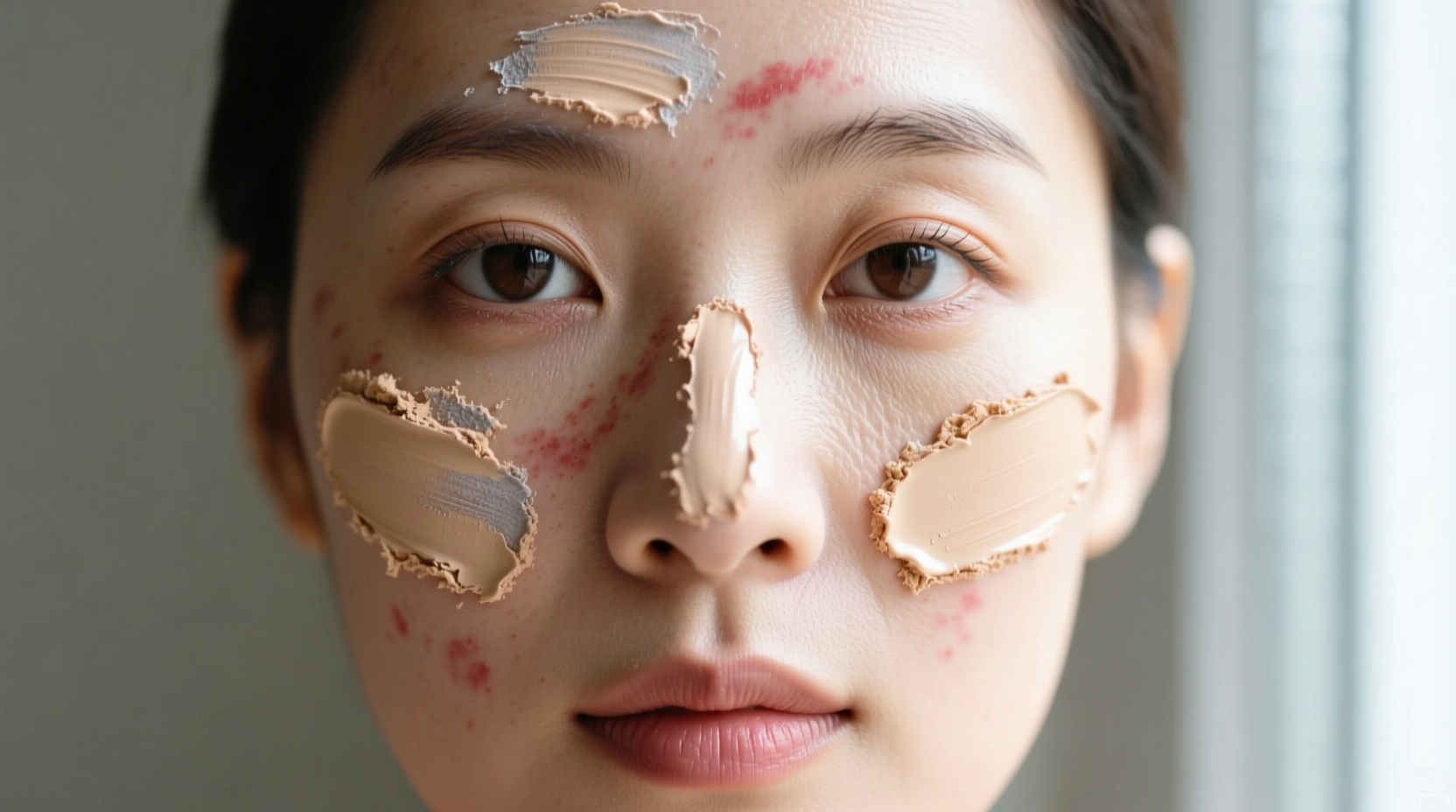
Foundation doesn’t lie flat on your face—it interacts with every layer beneath it. If your skincare routine ends five minutes before makeup, you're setting yourself up for failure. Moisturizers and serums need time to absorb fully. Applying foundation too soon traps moisture underneath, creating a slippery surface that leads to pilling, uneven blending, and eventual separation that reads as “cakey.”
Dryness is another major offender. Dehydrated skin lacks plumpness and reflects light poorly. When foundation lands on flaky or tight areas, it clings to texture instead of gliding over it. This is especially noticeable around the nasolabial folds and jawline. But here’s the twist: sometimes over-exfoliating or using harsh acids can strip the skin’s lipid barrier, making it both oily and dehydrated—a combo that confuses even the best makeup artists.
Exfoliation Missteps That Backfire
Many people exfoliate weekly to prevent dullness, but timing matters. Exfoliating the night before is ideal. Doing so the morning of makeup application can leave micro-abrasions that catch foundation, resulting in patchiness. Overuse of physical scrubs or chemical exfoliants (like AHAs/BHAs) more than 2–3 times a week disrupts the skin barrier, increasing trans-epidermal water loss—meaning your skin loses moisture faster, prompting heavier product use, which only worsens the cakeiness.
“Makeup is only as good as the skin it’s applied to. A compromised barrier will never hold foundation well, no matter the price point.” — Dr. Lena Park, Board-Certified Dermatologist
Primer Isn’t a Magic Wand—It Needs the Right Partner
Primers are marketed as smoothing saviors, but not all primers play well with all foundations. Silicone-based primers (those with dimethicone or cyclomethicone) create a velvety shield that fills pores and fine lines. However, they can repel water-based foundations if not fully set. Conversely, hydrating primers with glycerin may attract too much moisture in humid climates, causing foundation to slide and accumulate in creases.
The mismatch often lies in formulation chemistry. Oil-in-water emulsions don’t adhere well over silicone layers unless given time to bond. Skipping this curing phase leads to lifting and caking. Additionally, applying too much primer—especially in textured areas—adds bulk that foundation sticks to, amplifying rather than minimizing imperfections.
Do’s and Don’ts of Primer Use
| Do | Don’t |
|---|---|
| Use a pea-sized amount focused on problem zones (T-zone, laugh lines) | Apply primer all over thickly like a moisturizer |
| Let primer set for 2–3 minutes until it feels tacky, not wet | Rush into foundation immediately after application |
| Match primer type to foundation: silicone primer + silicone foundation = better adherence | Mix water-based foundation over silicone-heavy primer without testing first |
| Blot excess oil before reapplying (if needed) | Layer additional primer midday to \"refresh\" |
The Role of Foundation Formula and Application Tools
You might have swapped foundations multiple times, but are you choosing the right one for your skin type and climate? A full-coverage matte foundation designed for oily skin will likely look dry and heavy on combination or dehydrated skin—even with primer. Similarly, using a dense brush instead of a damp sponge can deposit too much product in one pass, leading to buildup.
Application technique is equally critical. Pressing and bouncing with a damp beauty sponge ensures thin, buildable layers. Swiping or dragging with a flat brush drags product into lines and spreads unevenly. And while layering seems logical for coverage, each added coat increases the risk of settling and compaction—especially in areas with natural movement like around the mouth.
Step-by-Step Guide to Non-Cakey Foundation Application
- Cleanse and treat: Start with freshly cleansed skin. Apply treatment serums (vitamin C, hyaluronic acid) first.
- Moisturize deeply: Use a lightweight, fast-absorbing moisturizer suited to your skin type. For dry skin, consider a facial oil sealed with a cream.
- Wait 10 minutes: Allow skincare to fully absorb. Touch your face—it should feel smooth, not tacky or greasy.
- Prime strategically: Apply a thin layer of primer only where needed. Let it set for 2–3 minutes.
- Shake foundation well: Especially if it's a liquid with pigments that separate.
- Start with less: Use a small amount (pea-sized) and build gradually. Focus on areas needing correction.
- Use a damp sponge: Bounce gently to press product into the skin rather than spreading it.
- Set lightly: Only powder areas prone to shine (T-zone). Avoid over-powdering under eyes or cheeks.
- Blend edges: Ensure no harsh lines at the jaw or hairline.
- Check in natural light: Artificial lighting can mask texture issues.
Environmental and Lifestyle Factors You’re Ignoring
Humidity, temperature, and even indoor heating impact how foundation behaves. In dry environments, skin loses moisture rapidly, causing foundation to cling to flakes. In humid conditions, sweat and sebum push foundation into fine lines, where it accumulates and appears thicker over time. Indoor air from heaters or AC is notoriously dehydrating—something many overlook during seasonal transitions.
Lifestyle habits also play a role. Lack of sleep increases transepidermal water loss and weakens the skin barrier. Diets low in essential fatty acids reduce natural oil production, leaving skin parched. Even touching your face throughout the day transfers oils and bacteria, disturbing the foundation film and accelerating breakdown.
Mini Case Study: Sarah’s Saturday Wedding Look
Sarah had a daytime wedding to attend. She used her favorite hydrating primer and switched to a dewy foundation she’d seen praised online. By the ceremony’s end, her under-eye area looked cracked, and her forehead appeared dusty. Confused, she reviewed her routine: she’d applied moisturizer right before primer, used a full pump of product, and touched her face repeatedly due to anxiety.
Upon adjusting her approach the next weekend—applying moisturizer 15 minutes earlier, using half the foundation, and switching to a damp sponge—her makeup lasted flawlessly through an outdoor dinner. The difference wasn’t the product; it was timing, quantity, and touchpoints.
When Product Swaps Aren’t Enough—Reassess Your Routine
If you’ve changed foundations multiple times and still see cakeiness, the issue likely lies upstream. Consider these often-overlooked factors:
- Buildup from SPF or leftover makeup: Residue from previous days can prevent even absorption. Double cleanse at night.
- Using expired products: Foundations and primers degrade over time, especially water-based ones. Most last 6–12 months after opening.
- Over-powdering: Setting too heavily, especially with translucent powders, instantly mattifies and thickens the look.
- Ignoring undertone shifts: As skin tone changes with season or health, foundation can oxidize or appear ashy, contributing to a “heavy” impression.
Checklist: Is Your Foundation Routine Sabotaging Itself?
- ✅ Do I wait after moisturizing before applying makeup?
- ✅ Is my sponge clean and properly dampened?
- ✅ Am I using the right amount of product—not too little, not too much?
- ✅ Have I checked the expiration date on my foundation and primer?
- ✅ Am I double-cleansing at night to remove all residue?
- ✅ Do I avoid touching my face after application?
- ✅ Is my foundation matched to my current skin tone and condition?
- ✅ Am I setting only where necessary, not all over?
Frequently Asked Questions
Why does my foundation look cakey only in certain areas?
Cakeiness tends to concentrate in areas with natural movement (like smile lines), higher oil production (T-zone), or dry patches (under eyes). These spots either break down the product or trap it due to texture differences. Targeted prep—like extra hydration under eyes or blotting before touch-ups—can resolve this.
Can drinking more water fix cakey foundation?
While hydration supports overall skin health, topical care has a more immediate impact. Drinking water helps maintain plumpness over time, but it won’t fix poor application or incompatible products. Combine internal hydration with a consistent skincare-makeup transition routine for best results.
Should I switch to a tinted moisturizer or BB cream?
If you struggle with heaviness, lighter formulas can be a smart alternative. Tinted moisturizers offer sheer coverage with hydration benefits, reducing the risk of caking. They work well for everyday wear, especially if paired with spot concealer. Just ensure they offer SPF if worn during the day.
Final Thoughts: Flawless Skin Starts Before the First Drop of Foundation
Cakey foundation isn’t a failure of product choice—it’s a signal that something in your process needs refinement. Whether it’s rushing your skincare absorption, overloading on primer, or using tools that drag instead of blend, the solution lies in precision, not replacement. The most expensive foundation in the world will look flawed on poorly prepped skin.
True makeup longevity comes from harmony between skin health, product compatibility, and mindful application. Once you align these elements, you’ll find that fewer products, less effort, and smarter timing yield a finish that looks naturally perfected—not painted on.




 浙公网安备
33010002000092号
浙公网安备
33010002000092号 浙B2-20120091-4
Comments
No comments yet. Why don't you start the discussion?