
By midday, many people notice their foundation starting to break apart—especially on the nose. The area turns patchy, oily, or cakey, undermining a look that was once smooth and polished. This common issue isn’t just frustrating; it can also affect confidence during work meetings, social events, or photo opportunities. The good news? Foundation separation is preventable and correctable with the right knowledge and routine.
The nose is one of the most challenging areas to maintain makeup on due to its unique skin texture, oil production, and movement throughout the day. Understanding the root causes behind this breakdown allows you to take targeted action—both immediately and long-term—to preserve a seamless finish.
Why the Nose Is a Problem Zone for Foundation
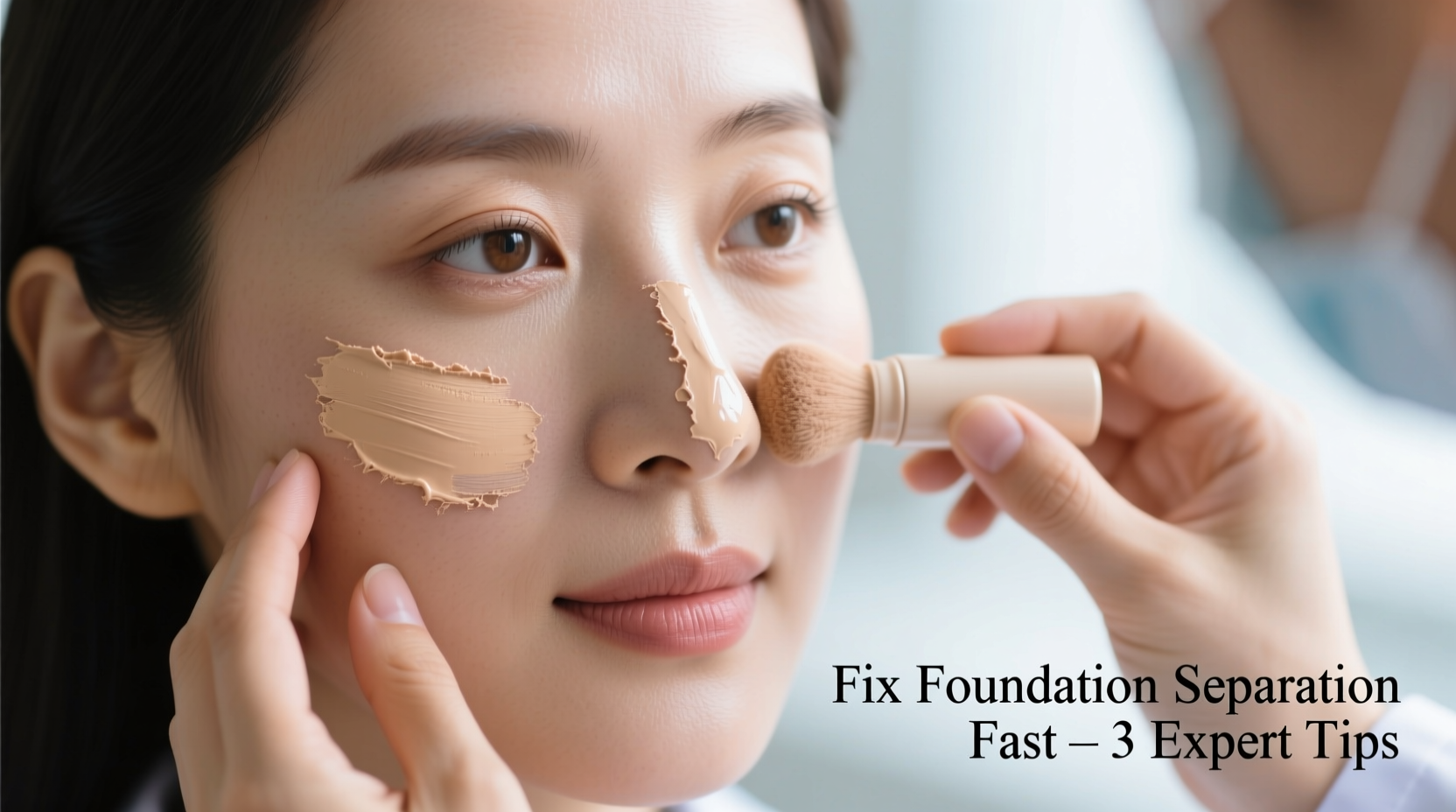
The nose differs from other facial areas in several key ways, making it prone to foundation separation:
- High sebum production: The T-zone—including the nose—contains more sebaceous glands than other parts of the face. Excess oil breaks down foundation over time, causing it to slide or separate.
- Irregular surface texture: Enlarged pores, blackheads, and minor bumps create an uneven canvas, preventing even product adhesion.
- Facial movement: Talking, smiling, and touching your nose (even subconsciously) disrupts makeup layers throughout the day.
- Heat exposure: The nose sits at the center of the face, where body heat tends to concentrate, accelerating product melting and oxidation.
These factors combine to make the nose a hotspot for early makeup failure. But knowing *why* it happens is the first step toward solving it.
Common Causes of Foundation Separation
Foundation separation isn’t random—it’s usually the result of one or more preventable mistakes in your skincare or makeup process. Below are the most frequent culprits:
- Poor Skincare Prep: Applying foundation on dry, flaky skin or overly greasy skin leads to patchiness. Hydration must be balanced.
- Wrong Primer Choice: Using a hydrating primer on oily skin—or skipping primer altogether—reduces longevity.
- Incompatible Foundation Formula: Heavy, comedogenic formulas trap oil and sweat, while water-based ones may not adhere well to oily zones.
- Over-Powdering: Too much powder creates a thick layer that cracks when skin moves, especially around the bridge of the nose.
- Layering Products Incorrectly: Mixing silicone-based and water-based products without proper sealing causes pilling and separation.
Each of these issues can sabotage even the most expensive foundation. Addressing them systematically is essential for lasting wear.
Step-by-Step Guide to Fix Separated Foundation Fast
If you're already facing a separated foundation situation at noon, don’t reach for a full makeup redo. Try this quick, office-friendly repair method instead:
- Blot Gently: Use an oil-absorbing sheet or clean tissue to press—don’t rub—over the shiny areas of your nose. This removes excess oil without disturbing makeup.
- Assess the Damage: Determine whether the issue is oiliness, cracking, or lifting. Cracked areas need hydration; oily spots need control.
- Spot-Correct: Dip a small concealer brush into a lightweight moisturizer or facial mist. Dab lightly onto cracked or flaky patches to revive the foundation.
- Re-Blend: Use a damp beauty sponge to gently press and blend the area. This helps reintegrate the foundation into the skin.
- Set Strategically: Apply a translucent setting powder *only* to areas that tend to get shiny. Avoid over-powdering the entire nose.
- Lock It In: Finish with a light spritz of setting spray held about 8–10 inches from your face. Let it air-dry—don’t fan or touch.
This five-minute rescue routine can extend your makeup’s life by several hours without looking heavy or mask-like.
Long-Term Prevention Strategies
To stop foundation separation before it starts, integrate these habits into your daily routine:
1. Optimize Your Skincare Base
Clean, balanced skin is the best foundation canvas. Wash your face with a gentle cleanser suited to your skin type. Follow with a lightweight, non-comedogenic moisturizer. Allow it to absorb fully—about 5 minutes—before applying makeup.
2. Choose the Right Primer
A targeted primer acts as a barrier between your skin and foundation. For oily noses, opt for a mattifying or pore-filling primer with silica or salicylic acid. Apply only to the T-zone to avoid unnecessary dryness elsewhere.
3. Match Foundation to Your Skin Type
Liquid foundations with a satin or matte finish typically perform better on oily skin. Cream or dewy formulas may look beautiful initially but often break down faster on the nose. Test new foundations for at least four hours to assess longevity.
4. Use the “Less Is More” Approach
Applying too much foundation increases the risk of caking and separation. Build coverage gradually using a damp sponge or stippling brush. Focus on problem areas rather than layering heavily across the nose.
5. Set Smartly, Not Heavily
After foundation, use a finely milled translucent powder sparingly. Focus on high-oil zones like the sides and tip of the nose. A puff or small brush works better than a large powder brush for precision.
“Makeup longevity begins long before the first brushstroke. It starts with skin prep and ends with intelligent product layering.” — Lena Torres, Celebrity Makeup Artist
Do’s and Don’ts: Foundation Application on Oily Zones
| Do’s | Don’ts |
|---|---|
| Use a mattifying primer on the T-zone | Apply heavy cream primers all over the face |
| Let each product dry before layering | Rush through your routine and apply wet-on-wet |
| Blot oil throughout the day | Rub or wipe your nose aggressively |
| Touch up with a thin layer of foundation if needed | Add multiple thick layers of concealer or powder |
| Finish with a setting spray | Skip setting spray because you think it adds shine |
Mini Case Study: Sarah’s Midday Meltdown
Sarah, a 32-year-old marketing executive, struggled with her foundation separating on her nose by 1 PM daily. She used a popular dewy-finish foundation and applied it generously to cover redness around her nostrils. By lunchtime, the product would pill and form visible lines, requiring constant reapplication.
After consulting a dermatologist and makeup artist, she made three changes: switched to a matte, oil-free foundation; began using a silicone-based pore primer; and started blotting instead of reapplying powder. Within a week, her foundation lasted until 6 PM with minimal touch-ups. The key wasn’t more product—it was smarter choices.
Checklist: Prevent Foundation Separation on Your Nose
Use this checklist every morning to ensure your foundation stays intact:
- ✅ Cleanse and tone your face with a pH-balanced product
- ✅ Apply a lightweight, oil-free moisturizer and wait 5 minutes
- ✅ Use a mattifying or pore-blurring primer on the nose and T-zone
- ✅ Choose a long-wear, non-comedogenic foundation formula
- ✅ Apply foundation with a stippling brush or damp sponge for even coverage
- ✅ Set only oily areas with translucent powder
- ✅ Lock everything in with a matte-finish setting spray
- ✅ Carry blotting papers and a travel-sized setting spray for touch-ups
Frequently Asked Questions
Can I use setting spray over blotting papers?
Yes. After blotting excess oil, a light mist of setting spray helps re-adhere foundation and refreshes the overall look without adding heaviness.
Is it bad to touch up foundation multiple times a day?
It depends on technique. Frequent heavy applications cause buildup and caking. Instead, focus on blotting and refreshing with setting spray. Only reapply foundation if absolutely necessary—and then use a minimal amount.
Does drinking more water really help my foundation last longer?
Indirectly, yes. Well-hydrated skin maintains a smoother texture and produces less compensatory oil. While water alone won’t stop separation, it supports overall skin health, which improves makeup adherence.
Final Thoughts: Consistency Beats Correction
Fixing separated foundation quickly is useful, but preventing it is far more effective. The nose doesn’t have to be a makeup battleground. With the right prep, products, and habits, you can enjoy a fresh, unified complexion from morning to night.
Start by auditing your current routine. Are you using the right products for your skin type? Are you setting makeup properly? Small adjustments often yield dramatic improvements. Over time, these practices become second nature—saving you time, stress, and the embarrassment of midday makeup meltdown.




 浙公网安备
33010002000092号
浙公网安备
33010002000092号 浙B2-20120091-4
Comments
No comments yet. Why don't you start the discussion?