
If you’ve ever popped an ice cube into your drink only to be greeted by a musty, sour, or chemically odor, you’re not alone. Foul-smelling ice from the refrigerator is more common than many realize—and while it’s usually not dangerous, it’s certainly unpleasant. The root cause often lies in overlooked maintenance habits, air quality inside the fridge, or issues with water supply lines. Understanding why this happens is the first step toward eliminating the problem for good.
Why Ice Absorbs Odors So Easily
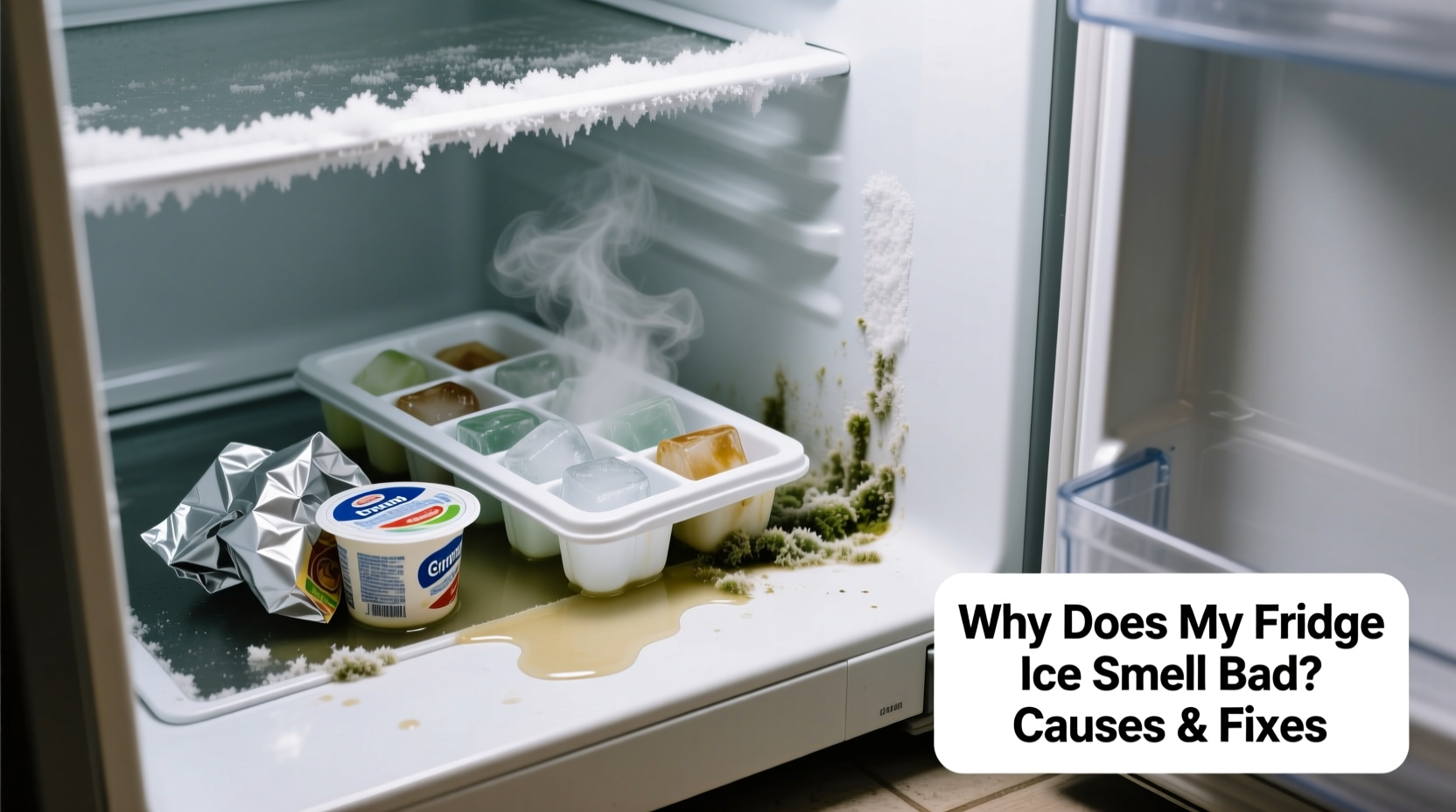
Ice is porous and highly absorbent. As it forms and stores in your freezer compartment, it continuously interacts with the surrounding air. If that air contains volatile organic compounds (VOCs) from spoiled food, cleaning products, or even plastic off-gassing, the ice can absorb these molecules over time. This process is similar to how baking soda neutralizes odors—it works because it absorbs them, just like ice does.
The longer ice sits unused, the greater its exposure to airborne contaminants. In fact, experts at the U.S. Department of Agriculture (USDA) recommend discarding ice that has been stored for more than three to six months, especially if the freezer door is opened frequently.
“Even subtle odors in the fridge—like old onions or spilled juice—can transfer to ice over time. Because we consume ice directly, those flavors become immediately noticeable.” — Dr. Lena Peterson, Food Safety Specialist, National Kitchen Institute
Common Causes of Bad-Smelling Ice
- Spoiled or uncovered food: Leftovers without lids release gases that circulate in the fridge and get absorbed by ice.
- Dirty ice maker or bin: Mold, mildew, and bacteria can grow in stagnant water or neglected trays.
- Old or low-quality water filters: Carbon filters lose effectiveness after 6 months, allowing chlorine, sulfur, or organic matter to pass through.
- Contaminated water supply line: Plastic tubing can harbor biofilm—a slimy layer of microbes—especially if the fridge hasn’t been used regularly.
- Poor ventilation or infrequent cleaning: Stale air accumulates odors, which then cling to cold surfaces including ice.
Step-by-Step Guide to Fix Smelly Ice
Eliminating bad smells from your ice requires both immediate action and long-term prevention. Follow this timeline to reset your system and keep ice fresh.
- Discard existing ice: Empty the ice bin or tray completely. Do not use or consume any suspect ice.
- Unplug the refrigerator (optional but recommended): For deep cleaning, disconnect power for 30–60 minutes to avoid condensation during wipe-downs.
- Clean the ice bin or tray: Wash removable parts with warm water and a solution of one part white vinegar to three parts water. Scrub gently with a soft brush to remove residue.
- Wipe down the ice maker area: Use a microfiber cloth dampened with vinegar solution to clean around the dispenser, chute, and storage bin housing.
- Replace the water filter: Check your model’s manual for filter type and replacement schedule. Install a new OEM or certified-compatible filter.
- Flush the water line: Run 3–5 gallons of water through the dispenser to clear out any buildup in the internal tubing.
- Deodorize the fridge: Place an open box of baking soda or activated charcoal in the refrigerator and freezer compartments.
- Rebuild clean ice: Allow the ice maker to produce a full cycle of new ice, then discard the first batch as a precaution.
Do’s and Don’ts: Maintaining Fresh-Tasting Ice
| Do’s | Don’ts |
|---|---|
| Change water filters every 6 months | Use expired or generic filters not rated for your model |
| Store food in sealed containers | Leave open bowls of leftovers or strong-smelling foods uncovered |
| Clean the ice bin monthly | Ignore visible mold or slime in the ice maker |
| Run vinegar flushes quarterly | Pour bleach directly into water lines (corrosive and unsafe) |
| Keep fridge temperature below 40°F (4°C) | Overfill the fridge, blocking airflow and promoting stagnation |
Real Example: How One Household Fixed Persistent Ice Odors
A family in Portland reported a persistent fishy taste in their ice despite regular fridge cleaning. They replaced the water filter twice within three months, assuming contamination was coming from the line. After consulting a technician, they discovered the issue wasn't the filter—but the rubber gasket on their seafood container, which had cracked and leaked brine into a lower drawer. The odor volatilized slowly, spreading through the fridge’s air circulation system and contaminating the ice maker above.
Once they discarded the faulty container, cleaned all interior surfaces with a baking soda paste, and ran a vinegar flush through the water dispenser, the problem resolved. The case highlights how indirect sources—even seemingly sealed ones—can compromise ice quality.
Preventative Checklist for Long-Term Ice Freshness
To ensure your ice stays clean and odor-free, follow this monthly maintenance checklist:
- ✅ Replace water filter every 6 months (mark your calendar)
- ✅ Remove and wash ice bin with vinegar solution
- ✅ Inspect for mold or film around the ice maker chute
- ✅ Wipe down fridge shelves and drawers to reduce ambient odors
- ✅ Discard expired or pungent foods (onions, garlic, fish sauces)
- ✅ Verify fridge temperature settings (freezer at 0°F / -18°C)
- ✅ Replace baking soda box every 3 months
Frequently Asked Questions
Can smelly ice make me sick?
In most cases, foul-smelling ice is caused by non-toxic odor absorption rather than harmful pathogens. However, if the smell is due to mold, sewage-like odors (indicating bacterial growth), or chemical leaks, there could be health risks. When in doubt, discard the ice and sanitize the system thoroughly.
Why does my ice smell like plastic or soap?
A plastic or soapy odor typically comes from new water lines or filters releasing residual manufacturing compounds. This usually dissipates after flushing several gallons of water through the system. Using manufacturer-recommended parts reduces this risk.
How often should I clean my ice maker?
Manufacturers like Samsung and Whirlpool recommend cleaning the ice maker and bin every 3 to 6 months. Homes with hard water or well systems may need more frequent maintenance due to mineral buildup.
Conclusion: Take Control of Your Ice Quality
Bad-smelling ice isn’t just annoying—it’s a sign that your refrigerator’s environment needs attention. With consistent care, proper filtration, and mindful food storage, you can eliminate odors at the source and enjoy clean, refreshing ice every time. Don’t wait until the smell becomes unbearable. Implement these fixes today, stick to a simple maintenance routine, and reclaim the purity of your everyday drinks.




 浙公网安备
33010002000092号
浙公网安备
33010002000092号 浙B2-20120091-4
Comments
No comments yet. Why don't you start the discussion?