
A refrigerator is one of the most essential appliances in any home, running nearly 24/7 to keep food fresh and safe. It’s common to hear various sounds from your fridge—humming, buzzing, dripping—but a sudden or persistent clicking noise can be alarming. While some clicking is perfectly normal, other instances may signal an underlying issue that requires attention. Understanding the difference between routine operation and potential malfunction can save you time, money, and prevent food spoilage.
This article breaks down the mechanics behind fridge noises, explains the common causes of clicking sounds, and provides clear guidance on when to take action. Whether you're hearing intermittent clicks or loud snapping noises, this guide will help you assess what’s happening inside your appliance with confidence.
How Refrigerators Work: The Basics of Cooling Cycles
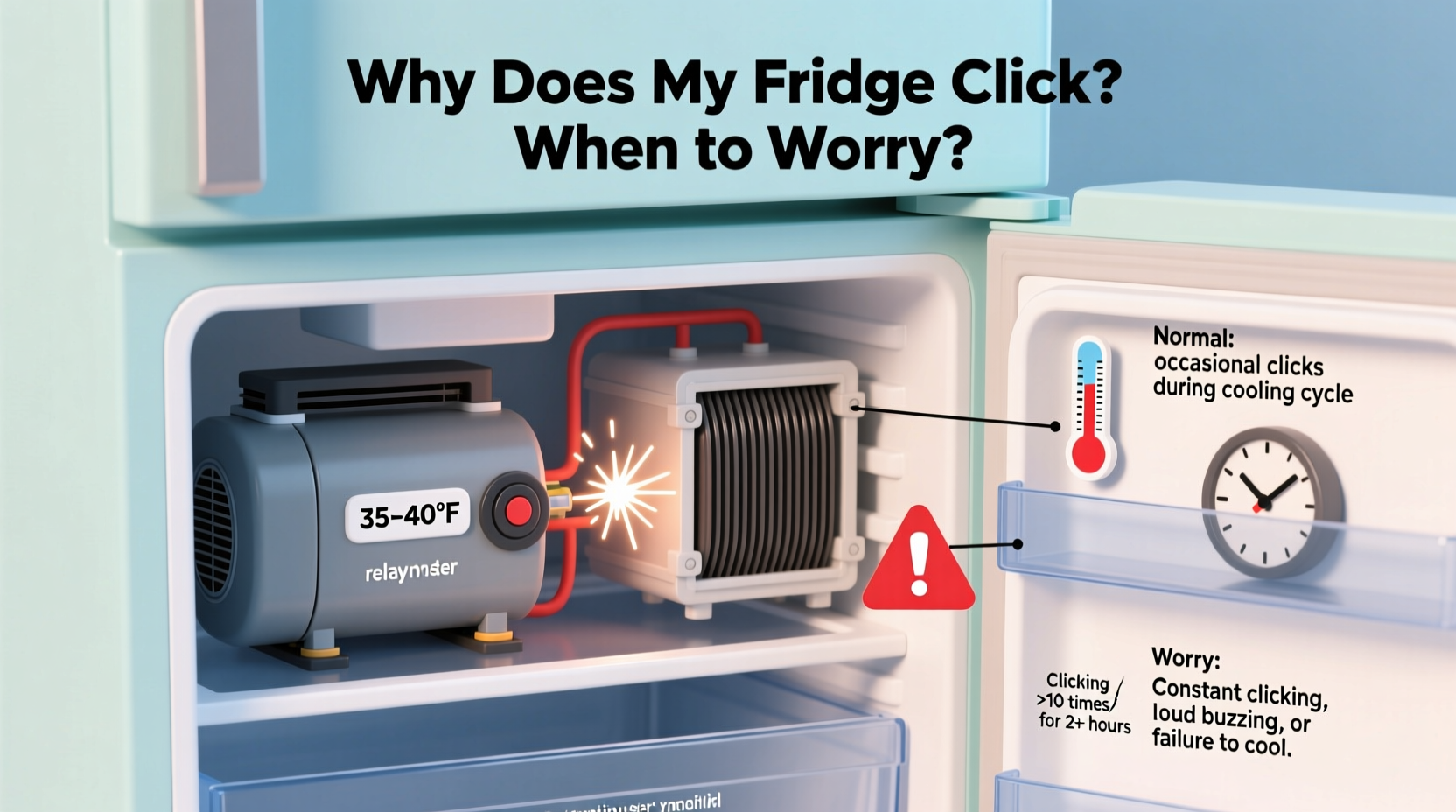
To understand why your fridge might click, it helps to know how it operates. Most household refrigerators use a vapor-compression cooling system composed of four main components: the compressor, condenser coils, evaporator coils, and expansion device (often a capillary tube or thermostat-controlled valve).
The cycle begins when the internal temperature rises above the set point. The thermostat signals the compressor to start. Refrigerant gas is compressed, heated, and sent to the condenser coils at the back or bottom of the unit, where it releases heat and turns into a liquid. This liquid then flows through the expansion device into the evaporator coils inside the fridge, absorbing heat from the air and cooling the interior. As the space cools, the thermostat detects the drop in temperature and shuts off the compressor—often accompanied by a distinct \"click.\"
This on-off cycling is completely normal and is the primary reason for the occasional clicking sound you may hear every few hours.
Common Causes of Clicking Sounds in Refrigerators
Not all clicking noises are created equal. Some originate from expected mechanical functions, while others point to failing parts. Below are the most frequent sources of clicking in refrigeration units.
1. Thermostat Activation
The thermostat regulates temperature by turning the cooling system on and off. Each time it engages or disengages, you may hear a small electrical click. This is especially noticeable in older models with mechanical thermostats.
2. Compressor Start Relay
The compressor relies on a start relay to provide the initial jolt of electricity needed to begin operation. Over time, this relay can degrade. When it fails, you might hear a rapid series of clicks—or a single loud click followed by no startup—as the relay attempts and fails to engage the compressor.
3. Defrost Timer or Control Board
In frost-free models, a defrost timer or electronic control board automatically cycles the defrost heater every 6–12 hours to prevent ice buildup. During this switch, a click is common. If the timer is faulty, however, repeated or irregular clicking may occur.
4. Evaporator or Condenser Fan Motor
Fans help circulate cold air and dissipate heat. If debris obstructs a fan blade or the motor bearings wear out, the motor may stutter upon startup, producing a clicking or grinding noise before failing entirely.
5. Loose Components or Vibrations
Sometimes, what sounds like an internal electrical click is actually a loose panel, shelf, or water line vibrating against the cabinet when the compressor kicks in. These mechanical rattles can mimic electrical clicks, especially in quiet rooms.
“About 70% of service calls for ‘noisy fridges’ turn out to be normal operational sounds misunderstood by homeowners. Listening carefully and identifying the timing and pattern of the noise is key.” — Mark Reynolds, Appliance Repair Technician with 18 years of field experience
When to Worry: Red Flags That Require Action
While many clicking sounds are harmless, certain patterns and accompanying symptoms indicate a developing problem. Recognizing these early can prevent costly repairs or total appliance failure.
Signs Your Fridge’s Clicking Is a Warning
- Repeated clicking without startup: If you hear multiple clicks in quick succession but the compressor never runs, the start relay or capacitor may be failing.
- Clicking every few seconds: Rapid cycling suggests a defective relay, overheating compressor, or electrical fault.
- No cooling after clicking: The fridge clicks on but doesn’t cool—this often points to a failed compressor, blocked coils, or refrigerant leak.
- Burning smell or hot exterior: Combined with clicking, this could mean an electrical short or overloaded component.
- Frequent cycling: If the fridge turns on and off every 5–10 minutes (instead of the typical 15–30 minute intervals), it may be short-cycling due to a faulty thermostat or cooling issue.
Mini Case Study: The Overheating Compressor
Jenna from Columbus, Ohio, noticed her side-by-side fridge making a loud click every few minutes. At first, she ignored it—until she found her milk spoiled and the freezer partially thawed. A technician diagnosed a failing start relay causing the compressor to attempt startup repeatedly without success. The relay was replaced for $120, avoiding a $1,200 compressor or full-unit replacement. Her takeaway? “Don’t wait until food goes bad. Investigate odd sounds early.”
Troubleshooting Checklist: What to Do When You Hear Clicking
If your fridge starts making unfamiliar clicking noises, follow this step-by-step checklist to assess the situation safely and effectively.
- Observe the timing: Note when the click occurs—is it once per cooling cycle, or rapidly repeating?
- Check cooling performance: Use a thermometer to verify if fridge and freezer temps are within safe ranges (below 40°F and 0°F respectively).
- Inspect for vibration: Open the fridge and feel for excessive shaking. Close the door and listen—does the noise persist?
- Clean condenser coils: Located at the back or beneath the unit, dirty coils force the compressor to work harder, leading to overheating and erratic behavior.
- Unplug and replug the unit: This resets the control board and can resolve temporary glitches in modern digital fridges.
- Listen near the compressor: Access the rear lower panel (if safe) and determine if the click comes from the relay or compressor housing.
- Call a professional if: The clicking continues abnormally, the fridge isn’t cooling, or you smell burning.
Do’s and Don’ts: Managing Fridge Noises Safely
| Do’s | Don’ts |
|---|---|
| Regularly clean condenser coils (every 6 months) | Ignore persistent or worsening noises |
| Ensure proper clearance around the fridge for airflow | Attempt internal electrical repairs without training |
| Monitor internal temperatures with a standalone thermometer | Overload the fridge, which strains the cooling system |
| Replace worn door seals to maintain efficiency | Use extension cords or shared outlets for your fridge |
| Document unusual behaviors for repair visits | Delay service if food is spoiling or freezing inconsistently |
Step-by-Step Guide to Testing the Start Relay
The start relay is a common culprit behind problematic clicking. Here’s how to test it—if you’re comfortable working with basic appliances.
- Unplug the refrigerator: Safety first. Never work on a live appliance.
- Locate the compressor: Usually at the back, bottom-rear of the unit. Remove the access panel.
- Find the start relay: A small, rectangular or cylindrical component attached to the side of the compressor. It may be white or black.
- Remove the relay: Gently pull it straight off the compressor terminals. Some models require unscrewing.
- Shake it gently: If you hear rattling, the internal contacts are broken—replace the relay.
- Inspect for burn marks: Charring or melted plastic indicates electrical failure.
- Reinstall or replace: If damaged, order a manufacturer-compatible relay (typically $20–$40) and install it.
After replacement, plug the fridge back in and observe. One click followed by a steady hum means success. Repeated clicking likely means a deeper issue—possibly the compressor itself.
FAQ: Common Questions About Fridge Clicking Noises
Is it normal for a fridge to click every 5–10 minutes?
No. Normal cycling occurs every 15–30 minutes under average conditions. Frequent clicking and short cycling suggest a problem with the thermostat, refrigerant level, or compressor. Check temperatures and consult a technician.
Can a power surge cause my fridge to click abnormally?
Yes. Electrical surges can damage the control board or start relay, leading to erratic clicking. Using a surge protector designed for appliances can help prevent this, though it won’t protect against voltage drops or wiring issues in older homes.
Why does my new fridge click more than my old one?
Newer models often have digital controls, variable-speed compressors, and automatic defrost systems that produce different sounds. However, loud or repetitive clicking should still be evaluated. Some noise diminishes as the unit settles during the first few weeks.
Conclusion: Stay Informed, Stay Proactive
A clicking fridge isn’t always a crisis, but it shouldn’t be dismissed outright. By understanding the rhythms of your appliance and recognizing the difference between normal operation and warning signs, you can act early and avoid bigger problems. Routine maintenance, attentive listening, and timely repairs go a long way in extending your refrigerator’s lifespan and protecting your food investment.
If you’ve noticed unusual clicking, don’t wait for a breakdown. Use the checklist and insights provided here to evaluate the situation—and when in doubt, call a certified technician. Small interventions today can prevent expensive replacements tomorrow.




 浙公网安备
33010002000092号
浙公网安备
33010002000092号 浙B2-20120091-4
Comments
No comments yet. Why don't you start the discussion?