
A garage door that opens on its own is more than just a nuisance—it’s a serious safety concern. Whether it happens in the middle of the night or during daylight with no one near the controls, unexplained activation undermines trust in your home’s security system. While modern garage door openers are designed for convenience and reliability, they’re not immune to malfunctions. Understanding the root causes behind spontaneous operation can help you diagnose issues quickly and take corrective action before a minor glitch escalates into a dangerous situation.
This guide explores the most common reasons your garage door might be opening unexpectedly, from signal interference to mechanical wear. More importantly, it provides clear, actionable solutions so you can regain control and ensure your garage remains secure.
Common Causes of Unintended Garage Door Activation
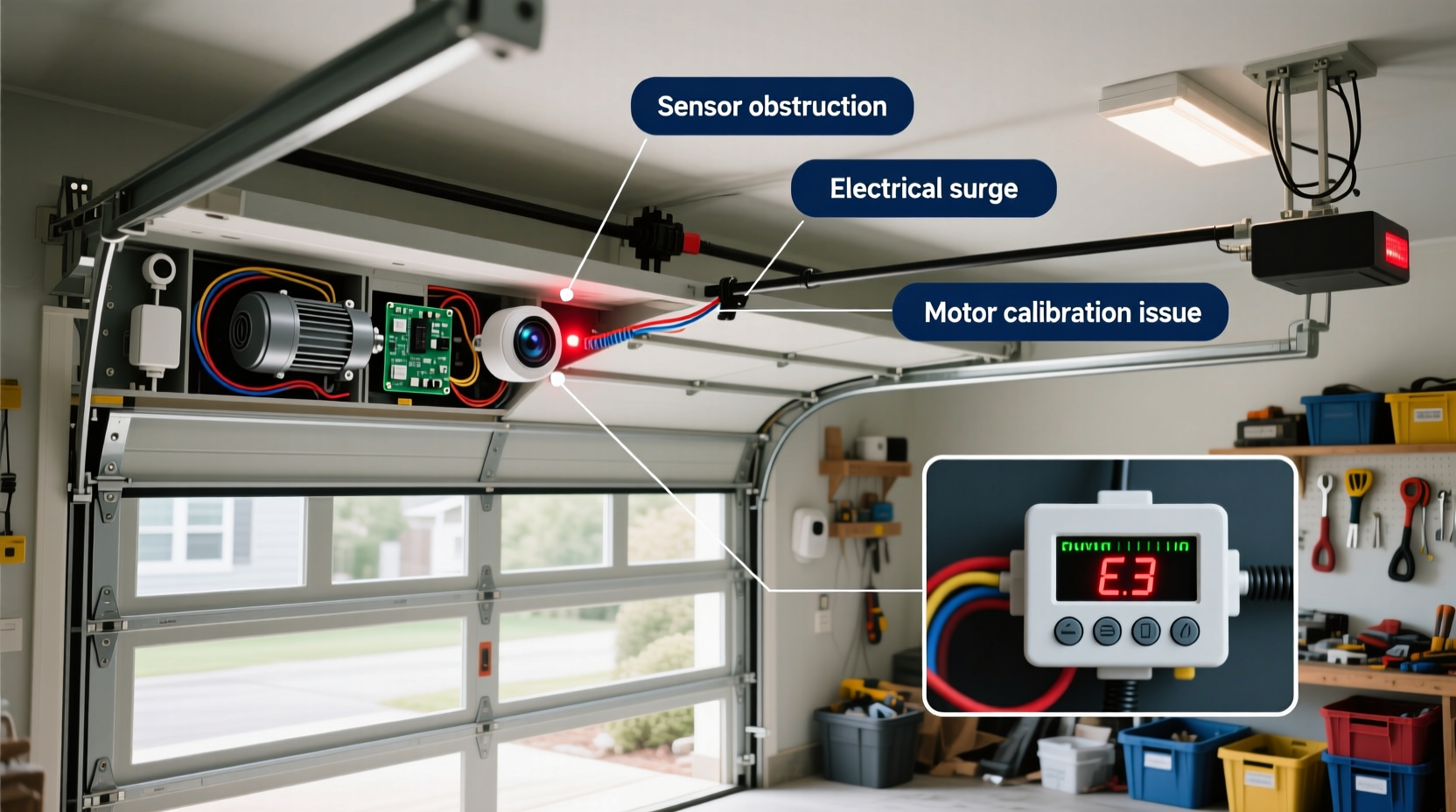
Several factors can trigger a garage door to open without manual input. Most stem from electronic signals, hardware faults, or environmental influences. Identifying which category applies helps narrow down troubleshooting steps.
- Remote control or keypad interference: Nearby devices transmitting on similar frequencies can accidentally activate your opener.
- Stuck buttons on remotes or keypads: A remote with a jammed button continuously sends signals, mimicking repeated presses.
- Faulty wall control panel: Internal wiring issues or short circuits in the hardwired wall switch may cause false triggers.
- Logic board malfunction: The brain of the opener unit can develop faults due to power surges or age-related degradation.
- Sunlight interference (on safety sensors): Direct sunlight hitting infrared safety sensors can disrupt their signal, tricking the system into reversing or reopening.
- Neighbor’s remote frequency overlap: Older models using fixed codes may sync with another nearby opener operating on the same frequency.
- Wi-Fi or smart hub integration bugs: If your opener connects to a smart home system, app errors or network issues could initiate unintended commands.
Step-by-Step Troubleshooting Guide
Follow this systematic approach to isolate and resolve the issue causing your garage door to open unexpectedly.
- Inspect all remote controls: Check each remote for stuck or damaged buttons. Press and release every button to ensure none are physically depressed. Remove batteries and test if the problem persists.
- Examine the wall control panel: Look for signs of damage, flickering lights, or buzzing sounds. Disconnect the wires from the terminals briefly to see if the unwanted behavior stops. Reconnect only after confirming no internal short circuit exists.
- Test the safety sensors: Ensure both sensors are aligned, clean, and free from obstruction. Shine a flashlight on each sensor lens to check for dust buildup. Misalignment often causes erratic behavior, including automatic reopening.
- Check for sunlight interference: On sunny days, observe whether direct light hits the sensor lenses. Use遮光 tape or reposition the sensors slightly to block glare while maintaining alignment.
- Reset the opener’s logic board: Unplug the unit for at least 30 seconds, then plug it back in. This clears temporary memory glitches and resets signal reception.
- Reprogram all remotes and keypads: Erase existing codes and reprogram each device following the manufacturer’s instructions. This eliminates duplicate or conflicting signals.
- Verify smart system settings: If using a Wi-Fi-enabled opener, log into the associated app and review recent activity logs. Disable any automation rules or geofencing features that may inadvertently trigger the door.
Do’s and Don’ts When Dealing With Spontaneous Operation
| Do’s | Don’ts |
|---|---|
| Regularly inspect remotes for worn or stuck buttons | Ignore recurring incidents—even if infrequent |
| Clean sensor lenses monthly with a soft cloth | Use harsh chemicals or abrasive cloths on sensors |
| Update firmware on smart garage openers quarterly | Assume newer models are completely immune to glitches |
| Keep spare remote batteries stored safely away from metal objects | Leave unused remotes connected or powered indefinitely |
| Label all programmed remotes to avoid confusion | Allow children unrestricted access to garage controls |
Real-World Example: The Case of the Midnight Openings
In suburban Ohio, homeowner Maria Thompson began noticing her garage door lifting around 2:17 a.m. several times a week. No alarms triggered, and her security cameras showed no signs of intrusion. Initially suspecting a break-in attempt, she contacted local police, who found no evidence of forced entry.
After consulting a garage door technician, the root cause was identified: an old car remote garage opener—long forgotten—had been left in a drawer near the bedroom wall. Its battery was weak, but still strong enough to intermittently send signals when jostled by vibrations from passing trucks. The opener interpreted these weak pulses as valid commands.
The fix? Removing the outdated remote from the house entirely. Once isolated, the midnight activations ceased immediately. This case underscores how overlooked devices—even inactive ones—can create persistent problems.
“Many cases of self-opening doors trace back to forgotten transmitters or environmental interference. It's rarely hacking—it's usually physics.” — James Ralston, Certified Garage Door Technician (CGDT), 15-year industry veteran
Advanced Fixes for Persistent Glitches
If basic troubleshooting fails, consider deeper technical interventions.
Upgrade to Rolling Code Technology
Older garage door openers use fixed codes, meaning each remote sends the same signal every time. These are vulnerable to duplication and interference. Modern systems employ rolling code technology (also known as Intellicode or Security+), where each transmission uses a unique, encrypted sequence that changes with every use.
Upgrading involves replacing the motor unit and all remotes, but the investment significantly reduces unauthorized or accidental activation risks.
Install Signal Shielding or Frequency Filters
In densely populated neighborhoods, radio frequency congestion can interfere with garage opener signals. Installing a ferrite core on the opener’s antenna wire can reduce susceptibility to stray electromagnetic noise. Alternatively, some technicians recommend relocating the receiver antenna inside the garage to minimize exposure to external RF sources.
Replace Aging Components Proactively
Garage door openers typically last 10–15 years. Beyond that, capacitors degrade, circuit boards become brittle, and microprocessors lose stability. Even if the door functions normally most days, latent electrical issues can manifest as random operations.
Consider scheduling a professional inspection every two years once your opener reaches seven years of age. Preventive replacement avoids sudden failures and enhances overall home safety.
Smart Home Integration Pitfalls
Wi-Fi-connected garage door controllers offer remote monitoring and voice control via Alexa or Google Assistant. However, they introduce new failure points:
- App bugs: Software updates may reset automation rules or misinterpret location data.
- Network outages: A dropped connection followed by a reconnect can sometimes trigger default actions.
- Unauthorized access: Weak passwords or shared accounts increase risk of remote tampering.
To mitigate risks:
- Use multi-factor authentication for your smart home account.
- Review login history regularly through the app.
- Disable geofencing unless absolutely necessary.
- Set up push notifications for every door movement.
Comprehensive Checklist: Stop Your Garage Door From Opening Unexpectedly
Use this checklist to methodically eliminate possible causes:
- ✅ Inspect all remotes for stuck or damaged buttons
- ✅ Remove batteries from unused remotes
- ✅ Clean safety sensor lenses with a lint-free cloth
- ✅ Confirm sensor alignment (both indicator lights should be steady, not blinking)
- ✅ Shield sensors from direct sunlight using small hoods or angled mounts
- ✅ Reset the main opener unit by unplugging for 30 seconds
- ✅ Reprogram all remotes and keypads
- ✅ Check for firmware updates if using a smart opener
- ✅ Review automation settings in your mobile app
- ✅ Schedule a professional diagnostic if issues persist beyond 48 hours
Frequently Asked Questions
Can someone else’s remote open my garage door?
Possibly—but only with older fixed-code systems. Modern openers use rolling codes that change with each use, making cross-opening extremely unlikely. If you're concerned, upgrade to a Security+ 2.0 or equivalent system for enhanced encryption.
Is it dangerous if my garage door opens by itself?
Yes. An uncontrolled door poses multiple risks: unauthorized access, injury from sudden movement, energy loss due to unsealed space, and potential damage to vehicles or stored items. Treat unexpected operation as a critical issue requiring immediate attention.
Could a power surge cause my garage door to open randomly?
Absolutely. Power fluctuations can corrupt the logic board’s memory or cause momentary shorts in the control circuitry. Using a surge protector designed for garage door openers can prevent such damage and extend the unit’s lifespan.
Conclusion: Take Control of Your Garage Security Today
Your garage door should respond only when you command it—not act on unseen forces or hidden flaws. By understanding the technical and environmental triggers behind spontaneous openings, you empower yourself to fix problems before they compromise safety. From inspecting remotes to upgrading outdated systems, each step brings greater peace of mind.
Don’t wait for a pattern to worsen. Address irregular behavior promptly, apply the fixes outlined here, and maintain regular upkeep. A reliable garage door isn’t just convenient—it’s a cornerstone of home security.




 浙公网安备
33010002000092号
浙公网安备
33010002000092号 浙B2-20120091-4
Comments
No comments yet. Why don't you start the discussion?