
As winter sets in, many homeowners notice their garage door opener acting up—refusing to respond, making strange noises, or failing to open or close properly. While it may seem like a sudden mechanical failure, the culprit is often the cold weather. Temperature drops affect both mechanical components and electronic systems, leading to performance issues that are common but preventable. Understanding the root causes and implementing timely fixes can save you from being stranded outside in freezing temperatures.
Cold weather doesn’t just make mornings uncomfortable—it introduces physical and chemical changes in the materials and systems that power your garage door. From battery efficiency to track alignment, every part of the system can be compromised when mercury dips below freezing. This guide explores the science behind winter-related malfunctions and provides actionable solutions to maintain reliable operation throughout the season.
How Cold Weather Affects Garage Door Openers
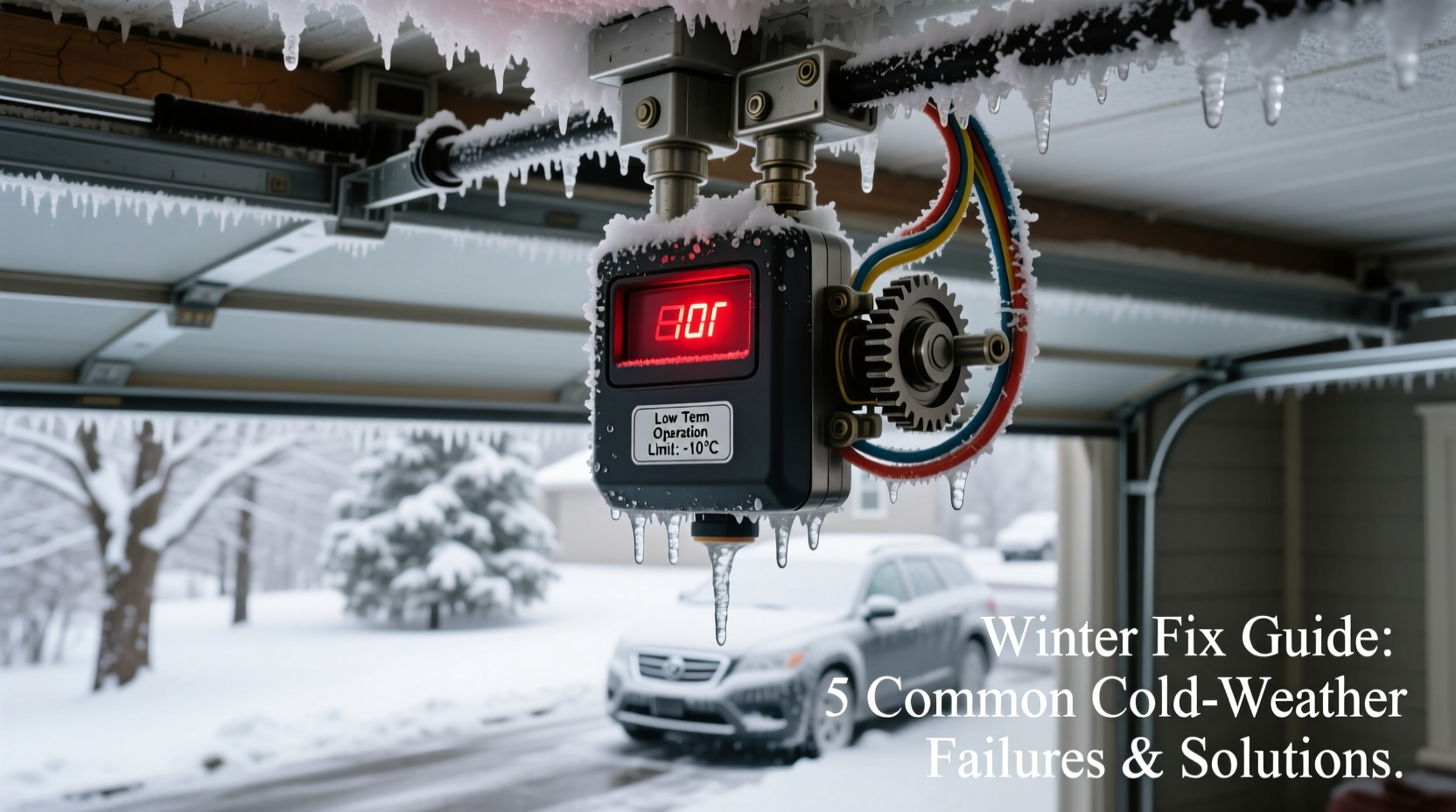
The functionality of a garage door opener depends on a balance of mechanical movement, electrical signals, and lubrication. When temperatures fall, especially below 32°F (0°C), several components begin to behave differently:
- Lubricants thicken: The grease or oil used on rollers, hinges, and springs becomes viscous in cold conditions, increasing resistance and straining the motor.
- Batteries lose power: Remote controls and wall-mounted keypads rely on batteries that discharge faster in low temperatures due to reduced chemical reactivity.
- Metal contracts: Steel tracks and rails shrink slightly in cold weather, potentially misaligning the door path or binding moving parts.
- Motor strain increases: With thicker lubrication and heavier movement, the motor works harder, which can trigger safety sensors or cause overheating.
- Electronic interference: Moisture condensation inside control units or wall buttons can lead to short circuits or signal disruption.
These factors don’t always act alone. Often, a combination of thickened lubricant and weakened battery power creates a perfect storm for failure. Recognizing these dynamics helps pinpoint whether the issue is temporary or requires maintenance.
Common Winter Malfunctions and Their Fixes
Not all cold-weather issues require professional repair. Many can be resolved with routine checks and minor adjustments. Below are frequent problems and how to address them:
1. Remote Control Not Responding
This is one of the most common complaints during winter. The issue is usually not the opener itself but the remote’s battery. Cold reduces ion activity in alkaline batteries, dropping voltage output below operational levels.
Solution: Replace batteries in all remotes and the wall keypad before winter begins. Use lithium batteries if available—they perform better in extreme temperatures.
2. Door Reverses Before Closing
If the door starts closing but reverses halfway, the safety sensors may be misaligned due to track contraction or snow buildup.
Solution: Clean the sensor lenses with a soft cloth and realign them so the indicator lights remain steady (not blinking). Ensure no ice or debris blocks the beam path.
3. Opener Makes Grinding or Clicking Noises
Thickened lubricant or frozen joints cause grinding sounds. A clicking noise without movement often indicates a stripped gear or weak motor engagement.
Solution: Lubricate rollers, hinges, and springs with a silicone-based spray (never WD-40, which attracts dust). If noise persists, inspect the drive gear inside the motor unit.
4. Door Opens Partially Then Stops
This suggests the motor is struggling against resistance. Possible causes include stiff springs, icy tracks, or worn cables.
Solution: Manually lift the door to test smoothness. If it feels heavy, have the torsion spring tension checked by a professional. Clear ice from tracks using a plastic scraper.
5. Wall Button Works But Remote Doesn’t
If the hardwired button functions but remotes fail, the problem lies in signal transmission, not the motor.
Solution: Replace remote batteries, reprogram remotes according to the manufacturer’s instructions, and check for interference from nearby electronics.
“Temperature swings are harder on garage doors than constant cold. The expansion and contraction cycle stresses metal and degrades lubricants faster.” — Daniel Ruiz, Residential Door Systems Technician with 18 years of experience
Step-by-Step Winter Maintenance Guide
Preventive maintenance before the coldest months arrive is the best defense against malfunctions. Follow this seasonal checklist to keep your opener operating reliably:
- Inspect Tracks and Rollers (October): Look for ice residue, rust, or misalignment. Clean with a dry cloth and realign if necessary.
- Re-lubricate Moving Parts (November): Apply silicone-based lubricant to rollers, hinges, springs, and the chain or screw drive. Avoid over-spraying.
- Replace Batteries (Late November): Install fresh lithium batteries in all remotes and the keypad.
- Test Safety Sensors (December): Place an object in the door’s path. The door should reverse upon contact. Clean sensors monthly.
- Check Balance and Alignment (Monthly): Disconnect the opener and manually raise the door. It should stay in place when halfway open. If not, spring adjustment is needed.
- Seal Gaps Around the Door (Ongoing): Cold air infiltration increases condensation. Install weatherstripping to protect internal components.
Do’s and Don’ts for Cold-Weather Operation
| Do’s | Don’ts |
|---|---|
| Use silicone-based lubricants | Use WD-40 or oil-based sprays |
| Clear snow and ice from the track regularly | Force the door if it’s stuck |
| Install a backup power supply or manual release knowledge | Ignore unusual noises or jerky motion |
| Keep remotes warm when not in use (e.g., indoors) | Leave remotes in cold cars overnight |
| Check for frayed wires or damaged insulation | Attempt DIY spring repairs without training |
Real-World Example: The Minneapolis Winter Breakdown
In January 2023, Sarah Thompson in Minneapolis experienced repeated garage door failures during a polar vortex event. Overnight temperatures dropped to -22°F (-30°C). Her opener would click but not move the door. Initially, she assumed the motor had failed and scheduled a costly service call.
Before the technician arrived, her neighbor suggested checking the remote batteries and applying lubricant. She replaced the batteries and used a silicone spray on the rollers and rail. After cycling the door manually and resetting the force settings, the opener worked again.
The technician later confirmed that the extreme cold had thickened old lubricant and drained the remote’s alkaline batteries. With proper maintenance, the issue was avoidable. Sarah now performs a winter prep routine every November and keeps a lithium battery spare in her home office.
When to Call a Professional
While many cold-weather issues are manageable at home, some signs indicate deeper problems requiring expert attention:
- The door sags or operates unevenly despite balancing tests.
- You hear loud snapping or popping—possible spring failure.
- The motor runs but the trolley doesn’t move (broken gear or belt).
- Smoke or burning smells come from the motor unit.
- Frequent tripping of the circuit breaker when operating the door.
Torsion springs, in particular, store dangerous levels of energy and should never be adjusted by untrained individuals. According to the Door & Access Systems Manufacturers Association (DASMA), over 80% of serious garage door injuries occur during DIY repairs.
Frequently Asked Questions
Can cold weather permanently damage my garage door opener?
Not usually. Most cold-related issues are temporary and reversible with maintenance. However, repeated strain from operating in extreme cold without lubrication can shorten the lifespan of motors, gears, and springs over time.
Why does my garage door work fine during the day but not at night?
Nighttime temperatures are typically lower, especially in uninsulated garages. Components cool down and contract, increasing friction. Additionally, humidity can condense inside the motor housing, affecting circuitry until warmed by operation.
Is it safe to use a heat gun to thaw a frozen garage door?
No. Applying direct heat can warp metal tracks, damage seals, or ignite flammable residues. Instead, clear ice manually with a plastic tool and use a hairdryer on low heat only if absolutely necessary—and never near wiring or sensors.
Final Checklist: Winter-Proof Your Garage Door Opener
Before the next freeze hits, go through this essential checklist to ensure reliability:
- ✅ Replace remote and keypad batteries with lithium versions
- ✅ Lubricate all moving parts with silicone spray
- ✅ Clean and align safety sensors
- ✅ Inspect tracks for ice, debris, or misalignment
- ✅ Test door balance and auto-reverse function
- ✅ Seal gaps around the door to reduce cold air entry
- ✅ Know how to disengage the opener for manual operation
- ✅ Keep the owner’s manual and emergency contact info accessible
Conclusion: Stay Ahead of the Freeze
Your garage door opener is designed for year-round use, but winter exposes weaknesses in maintenance routines and component health. By understanding how cold affects mechanical and electrical systems, you can take proactive steps to avoid frustration and potential danger. Simple habits—like seasonal lubrication, battery replacement, and sensor checks—can prevent most cold-weather failures.
Don’t wait for a breakdown in subzero weather to act. Prepare now, stay vigilant, and treat your garage door as part of your home’s critical infrastructure. With the right care, it will operate smoothly no matter how low the temperature drops.




 浙公网安备
33010002000092号
浙公网安备
33010002000092号 浙B2-20120091-4
Comments
No comments yet. Why don't you start the discussion?