
A garage door opener is one of the most used yet overlooked components of a modern home. When it works, you barely notice it. But when it starts failing unpredictably—refusing to open or close without warning—it disrupts your routine and raises safety concerns. Random malfunctions are frustrating because they’re inconsistent, making diagnosis difficult. However, most issues stem from a short list of recurring mechanical, electrical, or environmental causes. Understanding these patterns allows homeowners to identify problems early and apply targeted solutions before full failure occurs.
Common Causes of Intermittent Garage Door Opener Failure
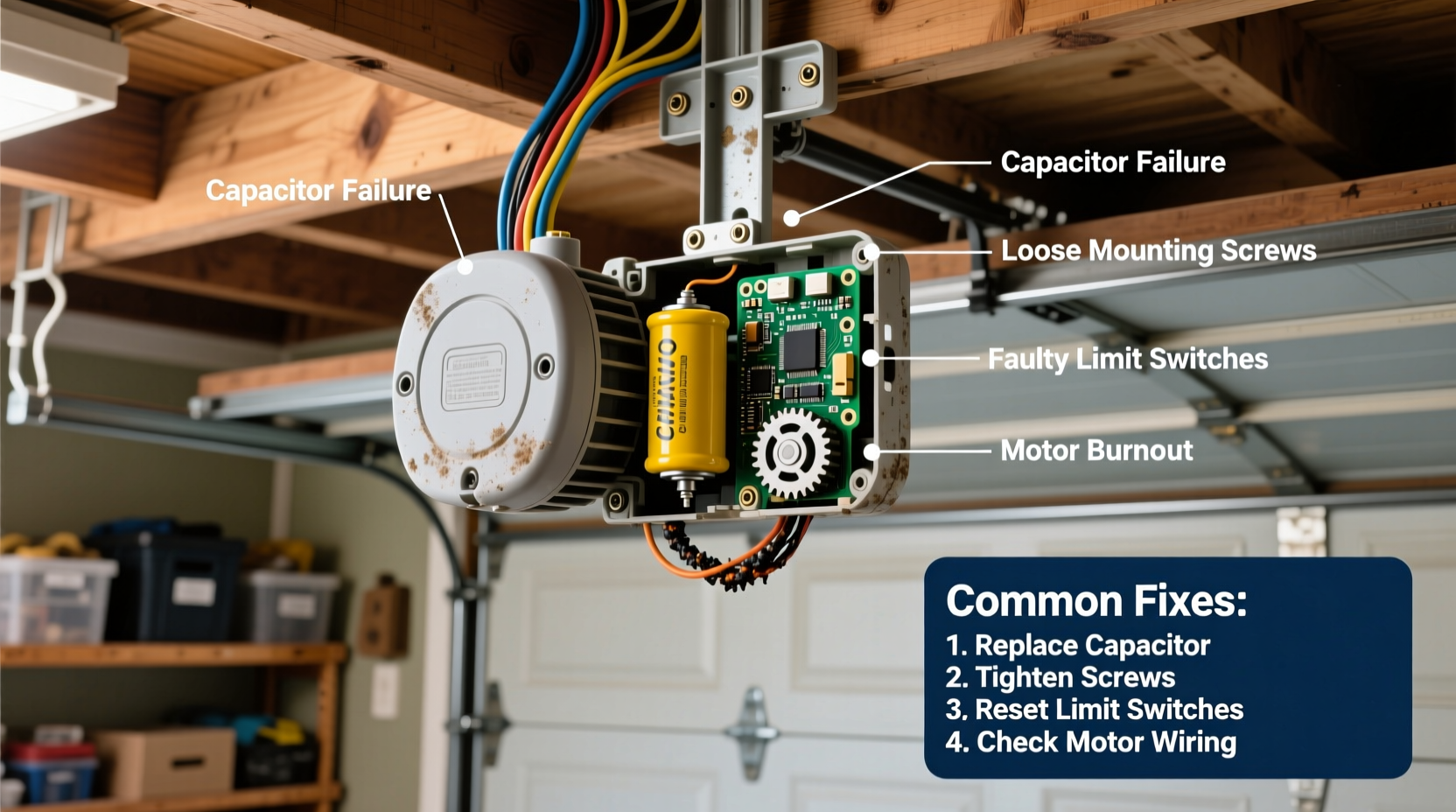
Random stoppages rarely happen without reason. Most are tied to aging components, power instability, or misaligned sensors. Identifying the root cause begins with recognizing symptoms: Does the motor hum but not move? Does the door reverse mid-close? Or does the remote fail intermittently while the wall switch works?
- Obstructed safety sensors – Infrared beams can be blocked by dust, cobwebs, or shifting brackets.
- Loose wiring or connections – Vibration over time can loosen terminals in the motor unit or wall controls.
- Failing remote batteries or signal interference – Weak batteries or nearby RF sources (Wi-Fi routers, LED lights) disrupt communication.
- Worn gear assembly – Older chain-drive models often develop stripped gears that slip under load.
- Power supply fluctuations – Voltage drops from shared circuits or faulty outlets mimic total failure.
- Limit switch misalignment – If the door stops too soon or reverses unexpectedly, the travel limits may need recalibration.
Step-by-Step Diagnostic Process
Follow this logical sequence to isolate the cause efficiently. Skipping steps may lead to unnecessary part replacements.
- Check the power source – Ensure the opener is plugged in and the circuit breaker hasn’t tripped. Use a multimeter to verify voltage at the outlet if possible.
- Test all controls – Try the wall switch, remote, and any smartphone app. If only one fails, focus on that device.
- Inspect safety sensors – Look for blinking LED indicators near the sensor lenses. Clean both lenses with a soft cloth and ensure they face each other squarely.
- Listen for motor behavior – A humming sound with no movement suggests binding or gear wear. No sound could mean a tripped internal reset or power loss.
- Manually operate the door – Disconnect the trolley using the emergency release rope. Move the door by hand. It should lift smoothly and stay in place halfway. Stiffness or imbalance points to spring or track issues affecting the opener’s performance.
- Review recent changes – Did you install new LED bulbs? Some emit radio frequency noise that interferes with opener receivers. Replace with manufacturer-recommended \"opener-safe\" LEDs.
Real Example: The Case of the Flickering Opener
Homeowner Maria in Denver reported her Genie opener worked fine in the morning but failed every evening. After ruling out remotes and sensors, she noticed the problem coincided with turning on her newly installed garage workshop lights. An electrician discovered the lights were on the same circuit as the opener. Under load, voltage dropped just enough to prevent the opener’s logic board from initializing. Installing a dedicated 15-amp circuit resolved the issue permanently.
“Intermittent garage door failures are often electrical ghosts—small voltage dips, ground loops, or RF interference that don’t show up on standard tests.” — Carlos Mendez, Residential Automation Technician with 18 years of experience
Essential Maintenance Checklist
Prevent random failures with regular inspection. Perform this checklist every six months:
- ✅ Clean safety sensor lenses with a microfiber cloth
- ✅ Tighten mounting bolts on the rail and header bracket
- ✅ Lubricate chain, screw drive, or belt every 6–12 months (use silicone-based lubricant)
- ✅ Inspect wires for fraying or rodent damage
- ✅ Test auto-reverse function by placing a rolled towel under the door; it should reverse on contact
- ✅ Check remote battery contacts for corrosion
- ✅ Verify wall control wiring is secure
- ✅ Listen for unusual grinding or squealing during operation
Do’s and Don’ts of Troubleshooting
| Do | Don’t |
|---|---|
| Use a surge protector for the opener’s power supply | Plug the opener into an ungrounded outlet |
| Replace remotes in pairs if syncing issues persist | Ignore a blinking indicator light on the motor head |
| Reset the opener by unplugging for 30 seconds | Force the door closed if it reverses repeatedly |
| Consult the manual for model-specific reset codes | Adjust spring tension without proper tools or training |
| Keep the emergency release handle accessible | Lubricate the track rails—this attracts dirt and causes buildup |
When to Replace vs. Repair
Not every malfunction requires a new opener, but some signs indicate it’s time for an upgrade:
- Age over 10–15 years – Parts become scarce, efficiency drops, and safety features lag behind modern standards.
- Frequent resets needed – If you’re regularly power-cycling the unit, internal components are degrading.
- Noisy operation – Excessive grinding or rattling after lubrication suggests worn bearings or gears.
- Lack of safety reversal – If the door doesn’t reverse when obstructed, it violates federal safety regulations (since 1993).
- Inability to program remotes – A failing logic board may lose memory or sync capability.
Modern openers offer Wi-Fi integration, battery backup, improved insulation, and quieter operation. Replacing an older unit—even one that “mostly works”—can enhance security, convenience, and long-term reliability.
Expert Insight: The Hidden Cost of Delaying Repairs
“Many homeowners wait until their opener dies completely. But intermittent issues are early warnings. Ignoring them increases strain on other parts, leading to costlier repairs later.” — Linda Tran, Certified Door Systems Technician (CDST)
FAQ: Frequently Asked Questions
Why does my garage door opener work sometimes but not others?
Intermittent operation is typically caused by loose wiring, weak remote batteries, RF interference, or marginal power supply. Environmental factors like temperature swings can also affect older electronic components. Start by testing the wall switch and inspecting connections.
Can a bad outlet cause my garage door opener to stop working?
Yes. Many openers are plugged into standard garage outlets, which can degrade over time due to vibration, moisture, or overloaded circuits. A failing outlet may deliver inconsistent power, causing random shutdowns. Plug a lamp or phone charger into the same outlet to test its reliability.
Why does my garage door reverse before touching the floor?
This is usually due to misaligned safety sensors or incorrect limit switch settings. First, check that the sensor lenses are clean and aligned. Then adjust the “down limit” setting on the opener according to your model’s manual. Overly sensitive force settings can also trigger premature reversal.
Conclusion: Take Control Before the Next Failure
Random garage door opener failures aren’t mysterious—they’re predictable outcomes of wear, environment, and neglect. By understanding the common triggers and performing regular maintenance, you can eliminate most surprises. Addressing small issues early prevents costly breakdowns and keeps your home secure and functional. Whether it’s tightening a wire, replacing a sensor, or upgrading to a modern system, proactive action pays off in reliability and peace of mind.




 浙公网安备
33010002000092号
浙公网安备
33010002000092号 浙B2-20120091-4
Comments
No comments yet. Why don't you start the discussion?