
A garage door that begins reversing just before it closes is more than an inconvenience—it’s a sign of an underlying issue that could compromise safety and functionality. Modern garage doors are equipped with safety sensors and automatic reversal mechanisms designed to prevent accidents. While this feature protects people and property, repeated or untimely reversals often point to misalignment, obstructions, or worn components. Understanding the root causes and knowing how to address them can save time, reduce frustration, and extend the life of your garage door system.
Understanding How Garage Door Safety Systems Work
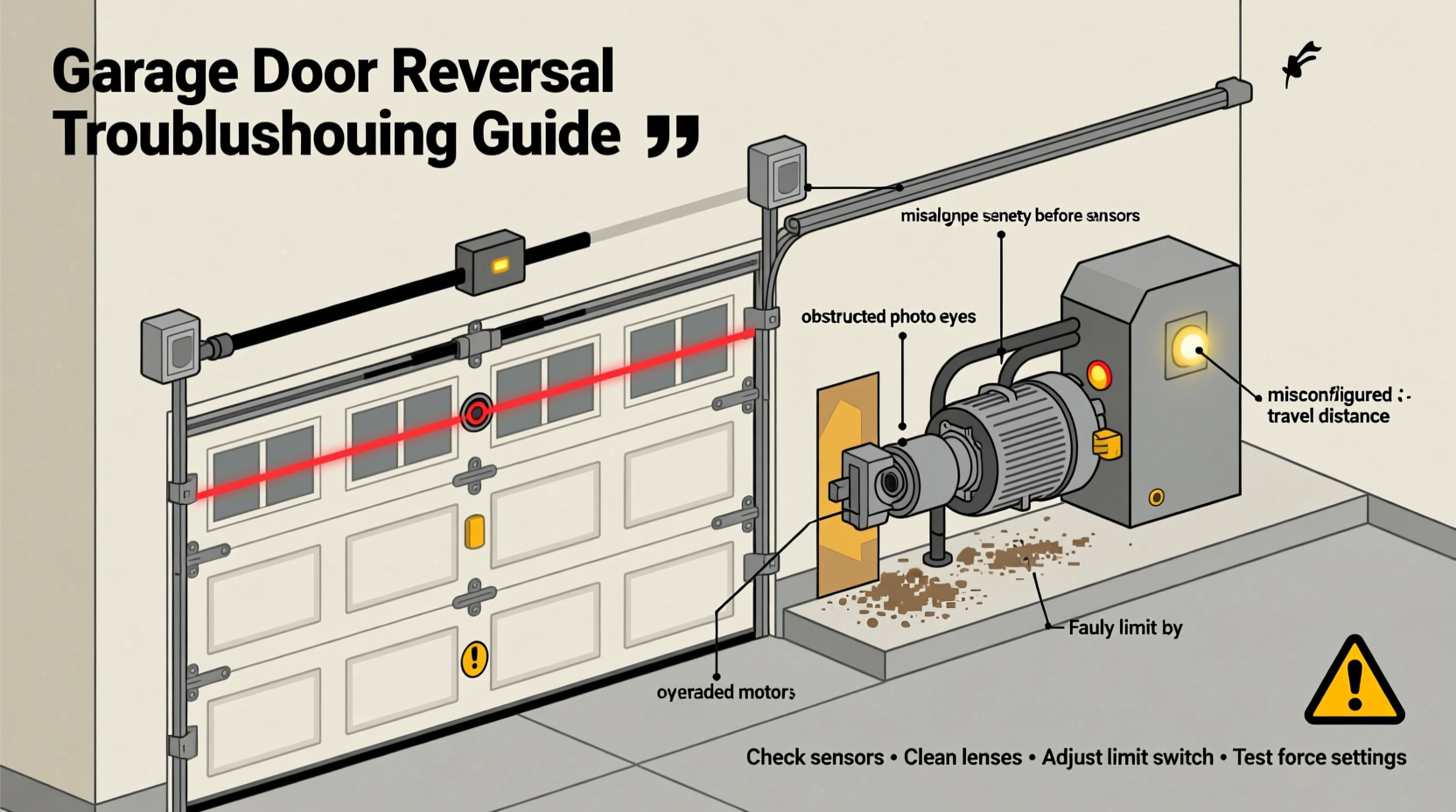
Since 1993, federal regulations in the United States have required all newly manufactured garage door openers to include two critical safety features: the photoelectric sensor system and the force-sensitive reversal mechanism. These systems work together to detect resistance or obstructions during closure and automatically reverse the door to prevent injury or damage.
The photoelectric sensors are small devices mounted on either side of the garage door track, about six inches above the floor. They emit an invisible beam across the opening. If anything interrupts that beam—even momentarily—the door will stop closing and reverse direction. The force-sensitive mechanism, meanwhile, detects physical resistance. If the door encounters unexpected pressure while descending (such as hitting an object), it triggers a reversal.
While both systems enhance safety, they can also be overly sensitive or malfunction due to dust, misalignment, or wear. A properly functioning garage door should close smoothly without reversing unless there's a legitimate obstruction.
“Modern garage door safety features are lifesavers, but when improperly calibrated, they cause more nuisance than protection.” — James Holloway, Residential Door Systems Technician with 18 years of experience
Common Causes of Premature Reversal
Several factors can trigger your garage door to reverse prematurely. Identifying the specific cause is essential for effective troubleshooting.
1. Misaligned or Dirty Safety Sensors
The most frequent culprit behind unexplained reversals is dirty or misaligned photoelectric sensors. Over time, these lenses can accumulate dust, cobwebs, or grime, blocking the infrared beam. Even slight shifts from being bumped by lawn equipment or vibrations can knock them out of alignment.
2. Obstructions in the Door Path
Sometimes, the reversal is justified. Toys, tools, cardboard boxes, or even uneven flooring can interrupt the beam or create resistance. Always check the track path and floor beneath the door before assuming a mechanical fault.
3. Faulty Sensor Wiring or Connections
Damaged wires leading to the sensors—whether chewed by rodents, pinched by moving parts, or corroded from moisture—can disrupt signal transmission. Intermittent connectivity tricks the opener into thinking the beam is broken.
4. Mechanical Binding or Track Resistance
If the door binds on its tracks, rollers stick, or hinges are rusted, the motor may sense excessive resistance and trigger the force-reversal setting. This often happens after seasonal temperature changes cause metal components to expand or contract.
5. Incorrect Force Settings
Garage door openers allow adjustment of close-force sensitivity. If set too low, even minor friction can prompt reversal. Conversely, if set too high, the door might fail to reverse when it should—an equally dangerous scenario.
6. Worn or Failing Components
Older systems may suffer from degraded springs, cables, or motors. As parts wear, operation becomes inconsistent, increasing the likelihood of false reversals or incomplete closures.
Troubleshooting Checklist: Step-by-Step Guide
Before calling a technician, perform this systematic diagnostic routine. Many issues can be resolved in under 30 minutes with basic tools.
- Inspect for visible obstructions: Remove any items near the door path or on the floor where the beam crosses.
- Check sensor alignment: Look at the LED indicators on each sensor. One emits light (transmitter), the other receives it (receiver). Both should show steady lights. A blinking receiver indicates misalignment.
- Clean sensor lenses: Use a microfiber cloth dampened with rubbing alcohol to wipe both lenses thoroughly.
- Test manual operation: Disconnect the opener using the pull cord and manually operate the door. Listen for grinding, sticking, or uneven movement.
- Examine tracks and rollers: Ensure tracks are straight, free of debris, and rollers move smoothly. Lubricate with silicone-based spray if needed.
- Verify wiring integrity: Trace wires from sensors to the opener. Look for cuts, frays, or loose connections at terminals.
- Adjust close-force settings: Locate the adjustment screws or dials on the opener unit (usually labeled “down” or “close”). Turn clockwise in quarter-turn increments to increase force; test after each change.
- Perform a safety reverse test: Place a thick wooden board (about 1.5 inches high) under the door and attempt to close it. The door should reverse upon contact. If it doesn’t, recalibrate or service the opener immediately.
Do’s and Don’ts When Troubleshooting
| Do’s | Don’ts |
|---|---|
| Wear protective gloves when handling springs or cables. | Never bypass safety sensors permanently—even temporarily. |
| Use only lubricants designed for garage doors (silicone or lithium-based). | Avoid WD-40 on tracks or rollers; it attracts dust and degrades performance. |
| Test reversal function monthly for compliance and safety. | Don’t ignore persistent error codes or flashing lights on the opener. |
| Label adjustments made to force or limit settings for future reference. | Don’t attempt spring repairs without proper training—high tension poses serious risk. |
Real-World Example: The Case of the Phantom Reversal
In suburban Denver, homeowner Maria Lopez reported her garage door reversing halfway down despite no visible blockage. She cleaned the sensors and checked wiring, but the problem persisted. After reviewing her opener’s manual, she noticed the LED on the receiving sensor flickered intermittently. Further inspection revealed a mouse had chewed through the insulation of the sensor wire near the base of the wall. She spliced and insulated the connection, secured the wire in conduit, and realigned the sensors. The door closed normally afterward.
This case highlights how subtle issues—like rodent damage or intermittent wiring faults—can mimic sensor misalignment. A methodical approach prevented unnecessary replacement costs.
When to Call a Professional
While many problems are DIY-friendly, certain situations demand expert intervention:
- Broken torsion springs or frayed cables
- Persistent error codes after basic troubleshooting
- No power to the opener or sensors
- Doors that reverse unpredictably despite clean, aligned sensors
- Openers older than 10–15 years showing multiple symptoms
Technicians use calibrated tools to measure force settings, inspect electrical continuity, and assess mechanical wear. They can also upgrade outdated systems to meet current safety standards. According to the International Door Association, nearly 30% of garage door service calls related to reversal issues stem from improper DIY adjustments that worsen sensor sensitivity over time.
Frequently Asked Questions
Why does my garage door reverse even when nothing is in the way?
This usually indicates misaligned or dirty safety sensors. Even a speck of dirt or a half-inch shift in sensor position can break the infrared beam. Check alignment first, then clean lenses and inspect wiring.
Can cold weather affect my garage door’s ability to close?
Yes. In winter, metal tracks may contract, and lubricants can thicken, increasing resistance. Additionally, ice buildup under the door or on thresholds can block full closure. Regular maintenance and seasonal lubrication help mitigate cold-weather issues.
Is it safe to disable the auto-reverse feature temporarily?
No. Disabling safety features violates building codes and voids insurance coverage in some cases. If the system malfunctions, repair it rather than bypassing it. Continued operation without functional sensors poses a significant safety hazard.
Conclusion: Take Action Before Small Issues Become Major Problems
A garage door that reverses before closing isn’t just annoying—it’s a warning sign. Whether caused by grimy sensors, mechanical resistance, or aging components, ignoring the issue risks safety, security, and long-term damage to the system. By understanding how safety mechanisms work and following a structured troubleshooting process, most homeowners can resolve common reversal problems efficiently.
Regular maintenance, including cleaning sensors, checking alignment, and testing reversal response, takes less than ten minutes a month and prevents 80% of operational failures. For persistent or complex issues, don’t hesitate to consult a certified garage door technician. Your safety—and peace of mind—is worth the investment.




 浙公网安备
33010002000092号
浙公网安备
33010002000092号 浙B2-20120091-4
Comments
No comments yet. Why don't you start the discussion?