
A musty smell in the garage is more than just unpleasant—it’s a sign of underlying issues that can affect air quality, storage safety, and even home value. Unlike temporary masking agents like air fresheners, permanent odor elimination requires identifying root causes and applying targeted solutions. This guide breaks down the science behind musty odors, explains common triggers, and delivers actionable strategies to restore freshness for good.
Understanding the Source of Musty Odors
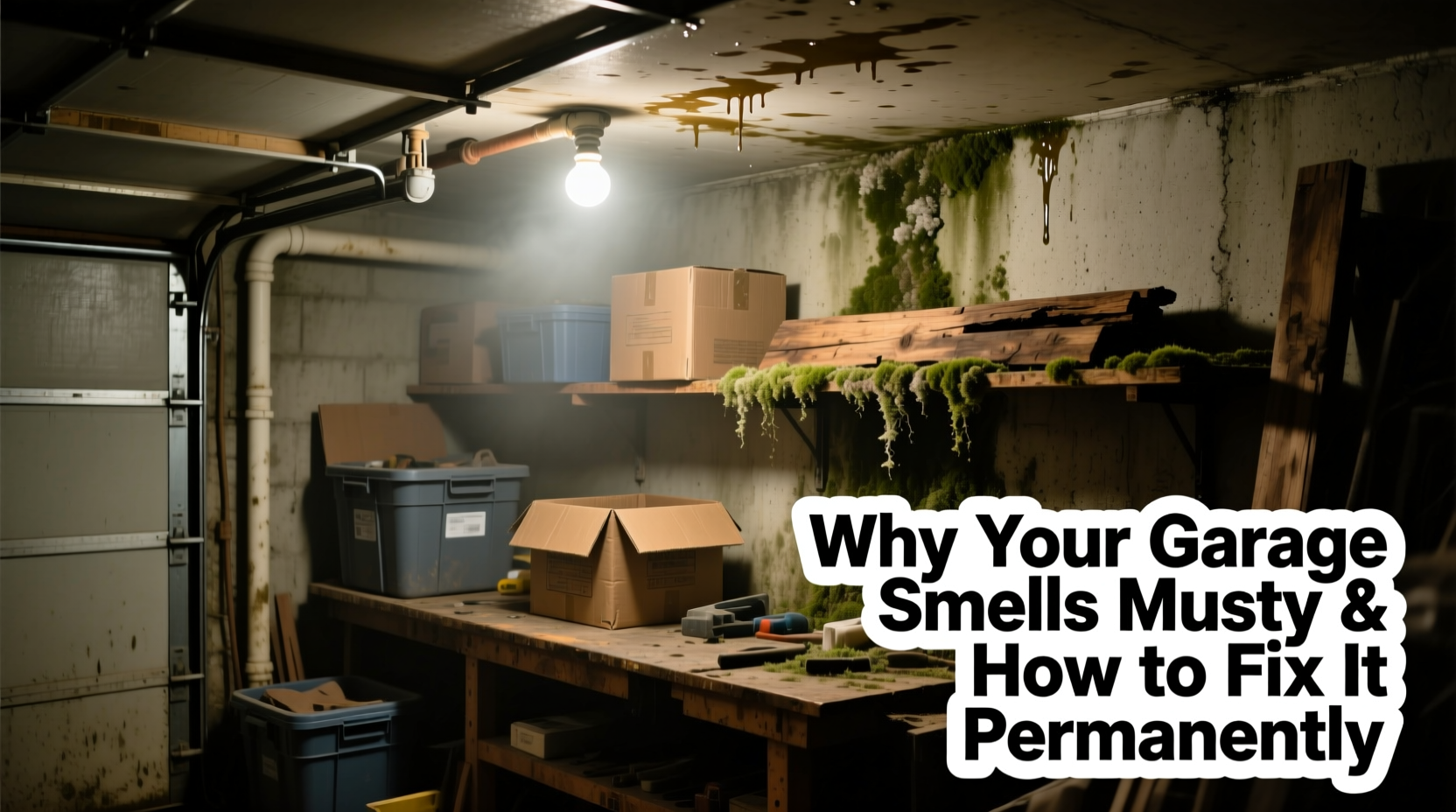
The characteristic musty smell—often described as damp, earthy, or mildew-like—is typically caused by microbial volatile organic compounds (mVOCs) released by mold and mildew as they grow. These microorganisms thrive in environments with moisture, poor ventilation, and organic material such as wood, cardboard, fabric, or paper. While garages are often overlooked as storage spaces, their conditions frequently meet all three criteria.
Common sources include:
- Water leaks from roofs, walls, or windows
- Condensation due to temperature fluctuations
- Damp concrete floors or foundation walls
- Poor airflow and lack of insulation
- Stored items like old boxes, gym gear, or gardening tools
Unlike kitchens or bathrooms, garages rarely have exhaust fans or dehumidifiers, allowing moisture to accumulate over time. Without intervention, this creates a breeding ground for mold spores invisible to the naked eye but potent in odor.
Real-World Example: The Johnson Family Garage
The Johnsons in Portland, Oregon, noticed a persistent musty smell every spring. Their two-car garage housed holiday decorations, bicycles, and lawn equipment. Despite frequent cleaning, the odor returned each year. A home inspector revealed that seasonal rainfall was seeping through hairline cracks in the foundation wall, creating hidden mold behind stacked boxes.
They took action: sealing the exterior foundation, installing a 70-pint dehumidifier, replacing cardboard with sealed plastic bins, and adding a solar-powered attic vent. Within six weeks, the smell vanished. A follow-up humidity reading showed levels dropped from 72% to 44%. Two years later, no recurrence has been reported.
This case illustrates how multiple factors—moisture intrusion, poor storage, and inadequate ventilation—can combine to create chronic odor problems. Addressing only one element may offer temporary relief, but comprehensive correction ensures permanence.
Expert Insight on Mold and Indoor Air Quality
“Musty odors in attached garages don’t stay isolated. Air pressure differences can pull contaminated air into living spaces through shared walls or HVAC systems. Treating the garage as an extension of indoor air quality management is critical.” — Dr. Linda Reyes, Environmental Health Specialist, National Institute of Building Sciences
This insight underscores a key point: garage air doesn’t exist in isolation. Studies show that homes with attached garages can experience elevated mold spore counts in adjacent rooms, particularly bedrooms or family rooms located above or beside the garage. Sealing gaps around doors, ductwork, and utility penetrations is essential for protecting indoor health.
Checklist for Long-Term Freshness
Use this checklist quarterly to maintain a clean, odor-free garage:
- ✅ Inspect for water leaks or new stains
- ✅ Clean shelves and workbenches with vinegar solution
- ✅ Empty and clean dehumidifier reservoir
- ✅ Check seals on garage door bottom and sides
- ✅ Rotate stored items to expose hidden surfaces
- ✅ Test smoke and carbon monoxide detectors
- ✅ Trim vegetation near exterior walls to improve airflow
- ✅ Replace HVAC filters if garage shares system
Frequently Asked Questions
Can I use bleach to kill garage mold?
Bleach can be effective on non-porous surfaces like tile or metal, but it’s not recommended for porous materials like concrete or wood. Bleach contains water, which can penetrate these surfaces and feed mold roots beneath. Vinegar, hydrogen peroxide, or commercial mold inhibitors designed for masonry are safer and more effective long-term solutions.
How long does it take to get rid of musty smell permanently?
With proper treatment, noticeable improvement occurs within 1–2 weeks. However, complete elimination depends on addressing the moisture source. If leaks or high humidity persist, the smell will return. Continuous dehumidification and monitoring ensure lasting success, typically achieved within 30–60 days of consistent effort.
Is a musty garage dangerous?
Yes, prolonged exposure to mold spores can trigger allergies, respiratory issues, and worsen asthma. Certain molds produce mycotoxins, which pose health risks with extended inhalation. Additionally, persistent moisture accelerates structural decay, rust, and electrical hazards. Treating a musty garage is both a comfort and safety priority.
Conclusion: Take Control of Your Garage Environment
A musty garage isn’t inevitable—it’s a solvable problem rooted in moisture and neglect. By understanding the causes, taking decisive action, and maintaining preventive habits, you can transform your garage into a clean, functional space. The key is consistency: one-time cleaning might help temporarily, but only sustained attention to humidity, ventilation, and storage practices ensures permanent odor removal.




 浙公网安备
33010002000092号
浙公网安备
33010002000092号 浙B2-20120091-4
Comments
No comments yet. Why don't you start the discussion?