
A musty odor in the garage is more than just an unpleasant nuisance—it's often a red flag for hidden moisture problems and potential microbial growth. Many homeowners notice this earthy, damp smell when entering their garage, especially after rain or during humid months. While it may seem harmless at first, persistent mustiness can indicate the presence of mold or mildew, both of which pose risks to indoor air quality and structural integrity. Understanding the root causes, distinguishing between mold and mildew, and knowing how to address them effectively are essential steps toward maintaining a safe and functional space.
Understanding the Source of Musty Odors
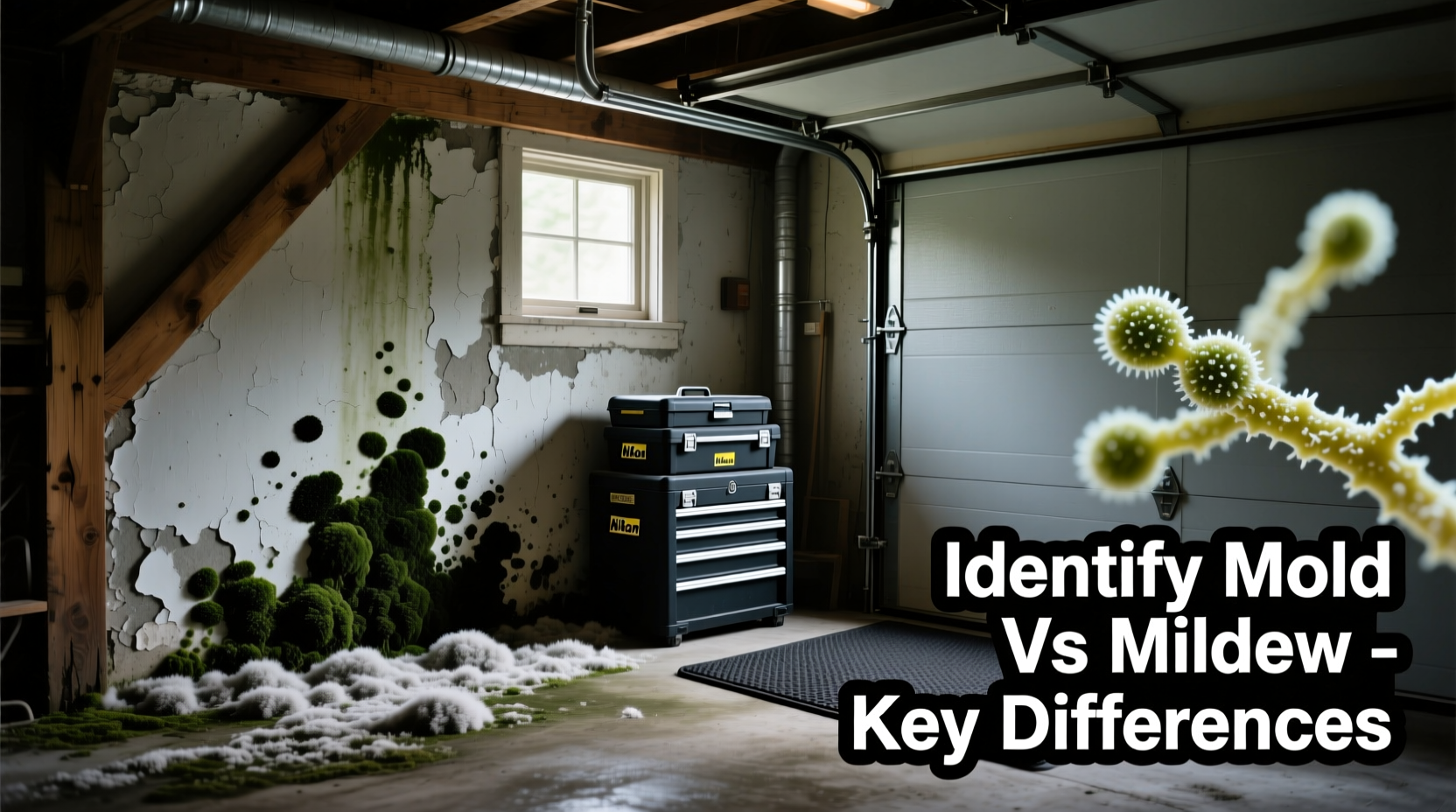
The characteristic musty smell in garages typically stems from microbial volatile organic compounds (mVOCs) released by fungi as they grow and break down organic materials. These odors are most noticeable in poorly ventilated, high-humidity environments—conditions that many garages naturally provide due to concrete floors, lack of climate control, and infrequent use.
Common contributors to musty smells include:
- Water leaks from roofs, windows, or foundation cracks
- Poor ventilation trapping moist air
- Condensation on cold surfaces like walls or metal tools
- Damp stored items such as cardboard boxes, fabrics, or wood
- Standing water from flooding or drainage issues
Unlike temporary smells from wet carpets or muddy shoes, a persistent musty odor suggests active biological growth. This is where the distinction between mold and mildew becomes critical—not only for treatment but also for long-term prevention.
Mold vs. Mildew: Key Differences You Need to Know
While both mold and mildew are types of fungi that thrive in damp environments, they differ in appearance, growth patterns, and severity. Recognizing these differences helps determine the appropriate response.
| Feature | Mildew | Mold |
|---|---|---|
| Appearance | Flat, powdery or fluffy; usually white, gray, or yellow | Textured, fuzzy or slimy; colors include black, green, brown, or red |
| Surface Growth | Grows on surface level (e.g., paint, wallpaper, shower grout) | Penetrates deeper into materials like drywall, insulation, or wood |
| Health Impact | Mild irritation, sneezing, coughing in sensitive individuals | Can cause respiratory issues, allergic reactions, and chronic symptoms |
| Treatment Difficulty | Easily cleaned with household disinfectants | May require professional remediation if widespread or embedded |
| Common Locations in Garage | Painted walls, window sills, rubber seals | Behind stored items, under insulation, inside HVAC ducts |
Mildew is generally considered less dangerous and easier to manage. It often appears as a light discoloration and responds well to cleaning with vinegar, hydrogen peroxide, or commercial mildew removers. Mold, however, can spread rapidly through porous materials and release spores into the air, potentially affecting the home’s main living areas if the garage connects internally.
“Mold isn’t just a cosmetic issue—it’s a health concern. Even small colonies can degrade air quality over time, especially for those with asthma or allergies.” — Dr. Linda Harper, Indoor Air Quality Specialist
How to Identify Hidden Sources of Moisture and Growth
Because mold and mildew often grow out of sight, a systematic inspection is crucial. Begin with a visual walkthrough using a flashlight and protective gear (mask, gloves). Focus on areas prone to moisture accumulation:
- Check the ceiling and roof line: Look for water stains, peeling paint, or dark spots indicating past or ongoing leaks.
- Inspect walls and baseboards: Press gently on drywall or paneling; softness suggests water damage and possible mold behind.
- Examine flooring joints: Concrete cracks can allow groundwater seepage, especially in basements or slab-on-grade garages.
- Review storage zones: Move boxes, furniture, and seasonal items. Check for condensation underneath or visible fungal growth.
- Assess ventilation: Are there vents? Is exhaust functioning? Stagnant air encourages humidity buildup.
- Test humidity levels: Use a hygrometer. Relative humidity above 60% creates ideal conditions for mold.
If no visible signs appear but the smell persists, consider using a moisture meter to detect elevated readings in walls or flooring. In some cases, air quality testing kits can help confirm the presence of airborne mold spores.
Mini Case Study: The Weekend Workshop That Turned Toxic
John, a DIY enthusiast in Ohio, converted part of his attached garage into a woodworking shop. After several months, he began experiencing frequent headaches and nasal congestion. His wife noticed a faint musty smell whenever the garage door opened. A visual check revealed nothing alarming—until he removed a cabinet mounted against the back wall.
Behind it, extensive black mold had grown across the drywall, fed by unnoticed condensation forming at the interface between the cooler exterior wall and warm interior air. The lack of vapor barrier and poor airflow created a perfect breeding ground. Despite no visible water damage, relative humidity near the wall reached 78%. After professional remediation, John installed a dehumidifier and sealed the wall with a moisture-resistant coating. Symptoms disappeared within weeks, and the odor never returned.
This case illustrates how hidden moisture combined with organic material (drywall paper) enables mold growth—even without obvious leaks.
Step-by-Step Guide to Eliminate Musty Smells and Prevent Recurrence
Eliminating musty odors requires addressing both the symptom (the smell) and the cause (moisture and microbial growth). Follow this timeline-based approach:
- Day 1: Isolate and Inspect
Remove all stored items from the garage. Clean shelves and sweep floors. Conduct a thorough inspection focusing on moisture-prone zones. Document any suspicious areas with notes or photos. - Day 2: Test Humidity and Detect Leaks
Use a digital hygrometer to measure humidity levels. Place it in multiple locations, including corners and near exterior walls. Simultaneously, check gutters, downspouts, and grading around the foundation to ensure water flows away from the structure. - Day 3: Treat Visible Growth
For mildew: Apply a solution of 1 part white vinegar to 1 part water. Spray affected surfaces, let sit for one hour, then scrub and wipe dry.
For mold: Use a mixture of 1 cup bleach per gallon of water (only on non-porous surfaces), or opt for hydrogen peroxide-based mold removers. Wear an N95 mask and eye protection. - Day 4: Improve Ventilation
Open doors and windows for cross-ventilation. Consider installing a powered exhaust fan or leaving a portable fan running for 24–48 hours post-cleaning. If applicable, seal gaps around windows and doors to prevent outdoor humidity infiltration. - Day 5: Control Moisture Long-Term
Install a dehumidifier rated for garage use (look for models that operate in low temperatures). Aim to maintain humidity between 30% and 50%. Alternatively, use moisture-absorbing products like DampRid in enclosed spaces. - Ongoing: Preventive Maintenance
Store items off the floor on plastic or metal shelving. Avoid stacking cardboard boxes directly against walls. Clean spills immediately. Re-inspect every three months, especially before storing seasonal items.
Essential Prevention Checklist
To keep your garage fresh and mold-free, follow this actionable checklist:
- ✅ Seal concrete floors and walls with waterproof coatings
- ✅ Ensure proper slope away from the foundation (minimum 6 inches over 10 feet)
- ✅ Clean and extend downspouts at least 5 feet from the house
- ✅ Use airtight plastic bins instead of cardboard for storage
- ✅ Run a dehumidifier during humid seasons or after washing vehicles indoors
- ✅ Replace damaged weatherstripping on garage doors
- ✅ Trim nearby shrubs to improve airflow and reduce shade-induced dampness
- ✅ Schedule annual HVAC duct inspections if your system extends into the garage
Frequently Asked Questions
Can I paint over mold to fix the problem?
No. Painting over mold only masks the issue temporarily. Without killing the underlying colony, mold will continue growing beneath the paint and eventually reappear. Always clean and treat the area thoroughly before applying any sealant or paint.
Is a musty smell dangerous even if I don’t see mold?
Yes. Invisible mold spores or hidden growth behind walls can still affect air quality. Prolonged exposure may lead to allergy symptoms, respiratory irritation, or worsened asthma. If the odor persists despite cleaning, further investigation or professional testing is recommended.
Can opening the garage door regularly prevent mustiness?
Occasional ventilation helps, but it’s not sufficient alone. In humid climates, opening the door can actually introduce more moisture. Effective prevention requires consistent humidity control, sealing entry points, and managing stored materials properly.
Take Action Before Small Smells Become Big Problems
A musty garage isn’t just uncomfortable—it’s a warning sign that shouldn’t be ignored. Whether it’s mildew on a window frame or hidden mold feeding behind drywall, early detection and intervention can prevent costly repairs and protect your family’s health. By understanding the differences between mold and mildew, identifying moisture sources, and implementing practical solutions, you can transform your garage from a stagnant storage zone into a clean, usable space.
Start today: inspect one corner, test the humidity, clean a shelf. Small actions compound into lasting change. Your garage deserves more than being the forgotten part of the house—it should support your lifestyle, not compromise it.




 浙公网安备
33010002000092号
浙公网安备
33010002000092号 浙B2-20120091-4
Comments
No comments yet. Why don't you start the discussion?