
A foul, sulfur-like odor coming from your kitchen sink is more than just unpleasant—it’s a sign that something’s off in your garbage disposal. The distinct smell of rotten eggs often points to hydrogen sulfide gas, which forms when organic matter breaks down in moist, oxygen-poor environments. Since garbage disposals are designed to grind food waste, they naturally accumulate debris, grease, and bacteria over time. Without proper maintenance, these conditions create the perfect breeding ground for odor-causing microbes.
This issue affects countless households, especially those with frequent kitchen use or improper disposal habits. While the smell might seem minor at first, ignoring it can lead to lingering odors, reduced appliance efficiency, and even plumbing complications. The good news? Most cases can be resolved with simple, non-toxic cleaning methods you can perform at home using common household items.
What Causes the Rotten Egg Smell?
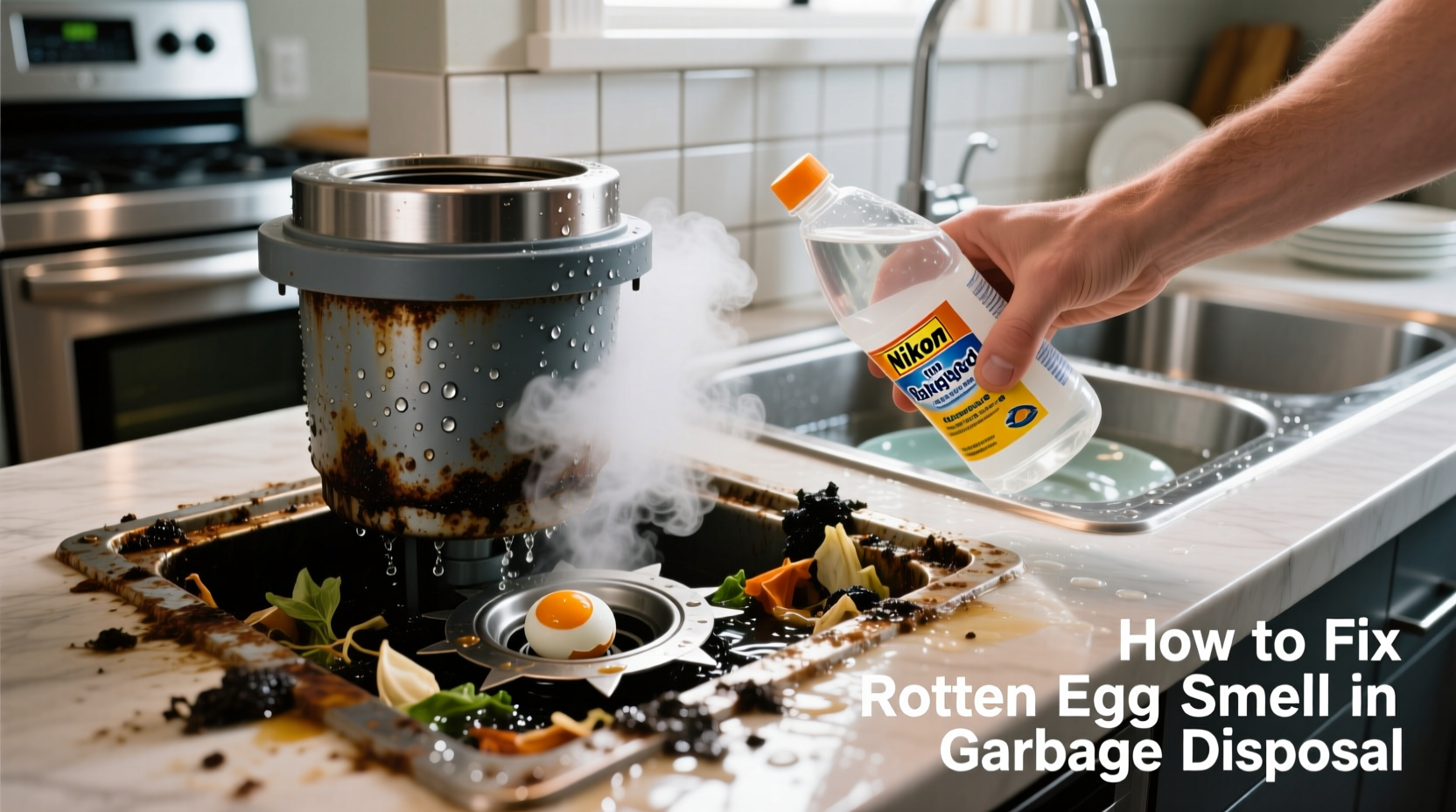
The primary culprit behind the rotten egg stench is hydrogen sulfide (H₂S) gas. This gas develops when certain bacteria—particularly sulfate-reducing bacteria—break down proteins found in food scraps like eggs, meat, dairy, and vegetables. These anaerobic bacteria thrive in dark, damp places with limited airflow, such as the crevices inside your disposal unit or the drain trap beneath the sink.
Several factors contribute to this problem:
- Food buildup: Small particles get trapped along the rubber flaps, grinding chamber walls, and impellers, decomposing over time.
- Infrequent use: When the disposal isn’t used regularly, stagnant water and debris sit longer, accelerating bacterial growth.
- Poor rinsing habits: Not flushing the disposal thoroughly after use leaves residue behind.
- Drain line clogs: Partial blockages slow drainage, allowing organic material to rot inside the pipes.
- Well water: In homes with private wells, naturally occurring sulfur compounds in the water supply can react with biofilm in drains, intensifying the odor.
Step-by-Step Guide to Clean Your Garbage Disposal
Cleaning your garbage disposal doesn’t require harsh chemicals or professional tools. Follow this detailed process to eliminate odors safely and restore freshness.
- Turn off power: For safety, unplug the unit or switch off the circuit breaker. Never insert hands or utensils while the disposal is powered.
- Remove visible debris: Use tongs or pliers (never fingers) to pull out any large stuck objects or fibrous materials like corn husks or celery strings.
- Clean the splash guard: Lift the rubber baffle around the opening and wipe both sides with a cloth soaked in warm, soapy water. Mold and grime often collect here.
- Baking soda & vinegar treatment: Pour ½ cup of baking soda into the disposal, followed by 1 cup of white vinegar. Let the mixture foam and fizz for 10 minutes—it helps loosen grime and neutralize odors.
- Scrub interior surfaces: Use an old toothbrush dipped in soapy water to gently scrub the sides of the chamber and under the splash guard.
- Flush with hot water: Turn on the cold water and run the disposal for 30 seconds to clear loosened debris. Then switch to hot water for another 30 seconds to melt away grease.
- Ice and salt scouring: Add one cup of ice cubes and ¼ cup of coarse salt. Run the disposal with cold water—the ice knocks loose buildup while the salt acts as a mild abrasive.
- Lemon or citrus refresh: Cut a lemon, lime, or orange into chunks and feed them into the running disposal. Citric acid cleans and leaves a fresh scent.
Repeat this full cleaning routine once a month to maintain optimal performance and prevent recurring smells.
Do’s and Don’ts of Garbage Disposal Maintenance
| Do’s | Don’ts |
|---|---|
| Run cold water during and after use | Use hot water while grinding (can melt fats and cause pipe clogs) |
| Dispose of small amounts of soft food waste | Put fibrous foods (onion skins, artichokes) or starchy items (potato peels) down the drain |
| Regularly clean with natural agents like vinegar and baking soda | Use chemical drain cleaners—they can damage disposal components |
| Grind citrus peels weekly to deodorize | Drop silverware or hard objects into the unit |
| Inspect and clean the splash guard monthly | Ignore persistent noises or slow grinding—they may indicate mechanical issues |
Real Example: How One Homeowner Fixed a Persistent Smell
Sarah, a mother of two in suburban Ohio, noticed her kitchen sink had developed a strong rotten egg odor every time she ran the dishwasher. She tried pouring bleach and commercial cleaners down the drain, but the smell returned within days. Frustrated, she called a plumber, who inspected the system and discovered that while the disposal itself wasn’t severely clogged, the P-trap underneath was harboring decomposed food sludge.
The technician recommended a complete cleaning regimen: removing the P-trap for manual cleaning, treating the disposal with baking soda and vinegar, and switching to regular ice-and-salt treatments. Sarah also began running lemon peels through the unit weekly. Within a week, the odor disappeared completely. More importantly, she learned that surface-level fixes weren’t enough—deep maintenance and consistent habits were key to long-term results.
“Odor problems in garbage disposals are rarely about the motor or mechanics. They’re almost always due to neglect. A few minutes of preventive care each month saves hours of frustration later.” — Mark Reynolds, Licensed Plumber with 18 years of experience
Alternative Cleaning Methods and Natural Solutions
If you prefer eco-friendly options or want to vary your cleaning routine, several natural alternatives effectively combat odor without damaging your pipes or disposal.
- Vinegar and baking soda: As mentioned earlier, this classic combo creates a foaming reaction that lifts grime and kills bacteria. For deeper cleaning, let the mixture sit overnight before flushing.
- Hydrogen peroxide (3%): Pour ½ cup into the disposal and let it sit for 10 minutes before rinsing. It disinfects and breaks down organic matter without toxic fumes.
- Alka-Seltzer tablets: Drop two tablets into the disposal, wait for them to dissolve, then run water. The effervescence helps dislodge debris.
- Citrus-based enzyme cleaners: Commercial products containing natural enzymes digest organic waste over time, reducing buildup and preventing odors.
One lesser-known trick is freezing vinegar in ice cube trays and running the cubes through the disposal. The frozen vinegar slowly releases acetic acid as it melts, targeting bacteria deep in the grinding chamber.
Frequently Asked Questions
Can I use bleach to clean my garbage disposal?
You can use diluted bleach (1 tablespoon per gallon of water) occasionally, but avoid regular use. Bleach may weaken rubber components and create harmful fumes if mixed with other cleaners. After applying, flush thoroughly with water. Safer alternatives include vinegar, baking soda, and hydrogen peroxide.
Why does the smell come back after cleaning?
If the odor returns quickly, there may be a hidden clog in the drainpipe or vent stack, or the P-trap could still contain decomposing waste. Also, if you continue disposing of inappropriate foods (like oils or fibrous vegetables), the cycle will repeat. Ensure thorough cleaning of all accessible parts and adjust disposal habits accordingly.
Is the rotten egg smell dangerous?
In small concentrations, hydrogen sulfide from a garbage disposal is generally not hazardous but can cause headaches or nausea in sensitive individuals. If the smell is extremely strong or accompanied by symptoms like dizziness, improve ventilation and consider having your plumbing and water supply tested—especially if you use well water.
Maintenance Checklist for Odor-Free Performance
Prevention is the best way to avoid recurring smells. Use this checklist monthly to keep your garbage disposal functioning smoothly and smelling fresh:
- ☐ Remove and clean the splash guard with soapy water
- ☐ Perform a baking soda and vinegar treatment
- ☐ Run ice cubes and coarse salt through the disposal
- ☐ Grind citrus peels to freshen the unit
- ☐ Inspect for unusual noises or slow drainage
- ☐ Flush with hot water after deep cleaning
- ☐ Check under-sink area for leaks or mold
Conclusion: Take Control of Your Kitchen’s Freshness
A smelly garbage disposal doesn’t have to be a permanent nuisance. With an understanding of the root causes—bacterial decomposition, food buildup, and poor maintenance—you can take targeted action to eliminate odors and prevent them from returning. Simple routines like monthly deep cleans, proper disposal use, and natural deodorizing methods go a long way in preserving both hygiene and peace of mind.
Your kitchen should be a place of comfort and nourishment, not a source of embarrassment when guests arrive. By dedicating just a few minutes each month to caring for your disposal, you ensure it serves you efficiently and odor-free for years to come.




 浙公网安备
33010002000092号
浙公网安备
33010002000092号 浙B2-20120091-4
Comments
No comments yet. Why don't you start the discussion?