
Every holiday season, garlands drape elegantly across mantles, staircases, and doorways, adding warmth and charm to homes. Yet, when stored and brought out again the following year, many people find their once-lush greenery flattened, misshapen, or brittle. This common frustration often leads to confusion: why does a garland—especially an artificial one—lose its shape after just one storage cycle? The answer lies in a combination of material fatigue, improper storage methods, and environmental exposure. With the right knowledge and techniques, however, you can preserve your garlands' volume, structure, and visual appeal for seasons to come.
The Science Behind Shape Loss in Stored Garlands
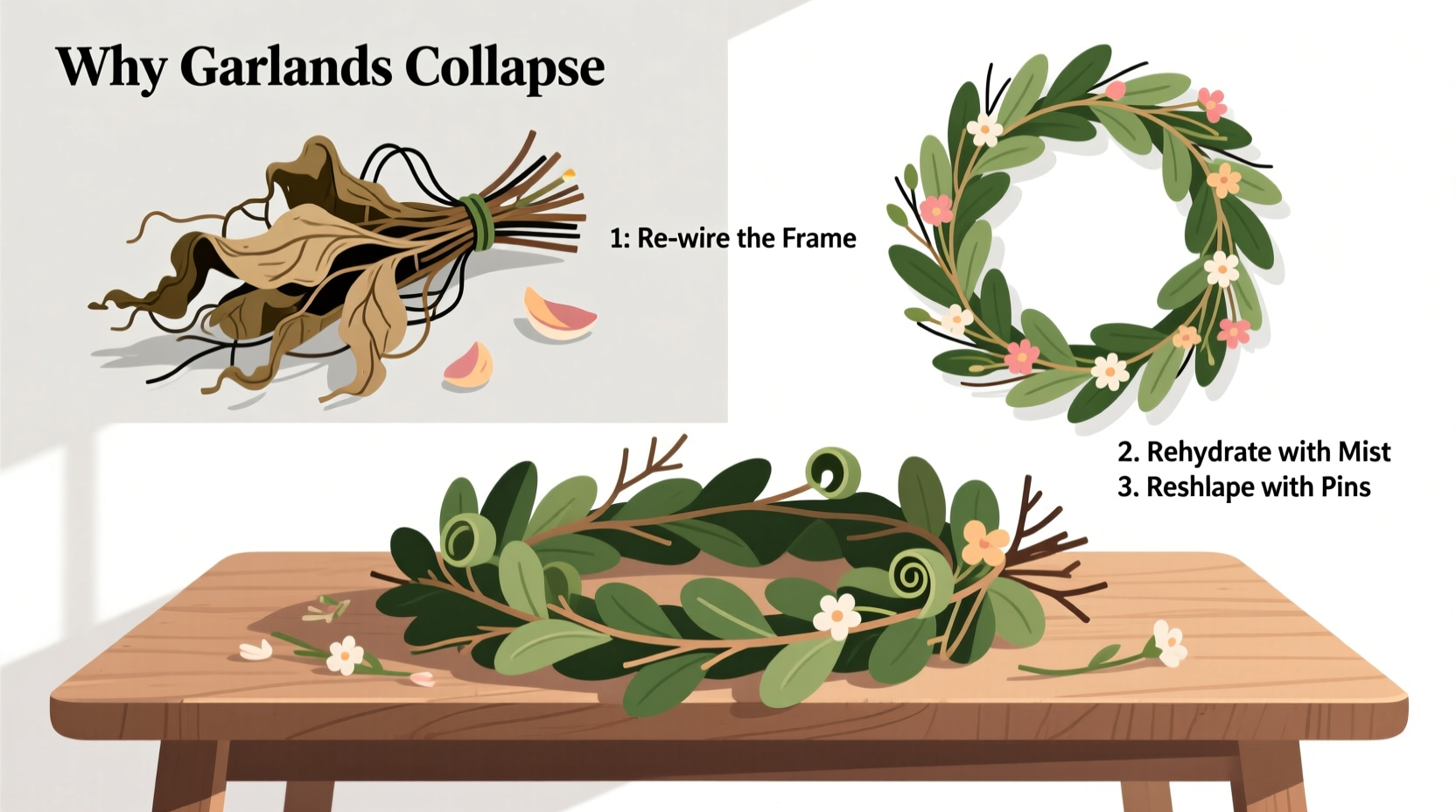
Garlands are typically constructed from flexible materials like PVC, PE (polyethylene), fabric-wrapped wire, or natural foliage. Over time, these materials respond negatively to pressure, temperature fluctuations, and moisture. When compressed during storage, especially in tight containers or under heavy objects, the internal structure of the garland bends beyond its elastic limit. This causes permanent deformation.
Artificial garlands made from plastic needles or leaves suffer from \"memory loss.\" Unlike natural evergreens, which dry out but can sometimes be revived with water, synthetic versions don’t regenerate. Once bent, they remain that way unless manually corrected. Natural garlands, while biodegradable and aromatic, are even more vulnerable. They lose moisture quickly, making stems brittle and prone to snapping when handled after storage.
Another contributing factor is oxidation. Metal wires inside garlands can corrode over time if exposed to humidity, weakening the support framework. This results in sagging or drooping sections, particularly in longer runs of garland.
“Most shape degradation happens not during use, but during storage. The key is minimizing compression and controlling the environment.” — Dr. Lydia Chen, Textile and Material Preservation Specialist, National Holiday Decor Institute
Proper Storage Techniques to Prevent Deformation
Preventing shape loss starts long before the decorations go into boxes. How you pack and store your garland determines its condition next season. Many people simply coil the garland tightly and shove it into any available container, accelerating damage.
The ideal method involves supporting the garland’s form during storage. For artificial types, avoid crushing by using cylindrical containers such as wide cardboard tubes, vacuum-sealed bags with rigid inserts, or specially designed garland reels. These allow the piece to rest in a loose spiral, reducing stress on individual branches.
If you’re using traditional boxes, opt for shallow, wide containers rather than deep, narrow ones. Place the garland in gentle loops, padding each layer with tissue paper or bubble wrap. Never stack heavy items on top. For added protection, consider inserting a foam core through the center of the garland to maintain its backbone.
Restoration Methods for Flattened or Misshapen Garlands
Even with careful storage, some distortion may occur. Fortunately, most artificial garlands can be restored with patience and technique. Begin by laying the garland flat on a clean surface, preferably a large table or floor space. Work section by section, gently pulling apart compressed clusters.
For plastic-based garlands, steam can help revive shape. Hold a garment steamer 6–8 inches away from the affected area, applying brief bursts of vapor. The heat softens the plastic slightly, allowing you to reshape curled or stuck-together tips. Do not touch the material directly with the steamer nozzle, and never use boiling water or immerse the garland.
After steaming, fluff each segment outward and upward, mimicking the natural growth pattern of pine or fir. Rotate the garland as you go, ensuring even distribution of volume. Let it sit undisturbed for several hours to cool and set in its new form.
Natural garlands that have dried out cannot be fully restored, but lightly misting them with water (and adding a drop of glycerin to help retain moisture) can improve flexibility temporarily. However, this method only works if the base stems haven’t cracked. Always inspect for mold or insect residue before attempting revival.
Step-by-Step Guide: Reviving a Flattened Garland
- Unpack the garland carefully and lay it straight on a clean, dry surface.
- Inspect for broken wires, mold, or excessive shedding.
- Begin separating tangled or compressed sections with your hands, starting from one end.
- Use a steamer (or hairdryer on low heat from a distance) to loosen stiff areas.
- Fluff each branch outward, focusing on thin spots and ends.
- Allow the garland to rest for 4–6 hours before hanging.
- Hang in place and make final adjustments by hand as needed.
Material-Specific Care: Do’s and Don’ts
Different garland types require tailored care. A one-size-fits-all approach can lead to further damage. The table below outlines best practices based on common materials.
| Material | Do’s | Don’ts |
|---|---|---|
| PVC Artificial | Use steam to reshape; store loosely coiled | Expose to direct sunlight; crush in boxes |
| Polyethylene (PE) Foliage | Handle gently; store in climate-controlled areas | Over-bend branches; use chemical cleaners |
| Natural Evergreen | Mist lightly; use immediately after purchase | Store long-term; place near heat sources |
| Fabric-Wrapped Wire | Roll around a core; store dry and dark | Fold sharply; expose to moisture |
Real-Life Example: A Family’s Holiday Fix
The Thompson family had used the same 12-foot artificial pine garland for over seven years. Each January, they rolled it tightly around a hanger and stored it in a plastic bin in their attic. By the fifth year, the garland emerged each season increasingly flat, with entire sections lying limp and lifeless.
In year six, after reading about proper decor care, they invested in a custom-made cardboard tube with a diameter of 18 inches. They uncoiled the garland, gently fluffed it over two days, and then re-rolled it slowly around the tube, padding each layer with acid-free tissue. They also placed the container in their climate-controlled basement instead of the attic.
The difference was immediate the following December. The garland retained 90% of its original volume, required minimal fluffing, and looked fuller than it had in years. “It felt like getting a brand-new decoration,” said Maria Thompson. “All it took was changing how we stored it.”
Essential Checklist for Long-Term Garland Care
- ✔ Clean garland gently before storing (remove dust with soft brush or compressed air)
- ✔ Inspect for damaged wires or broken tips and repair if possible
- ✔ Choose wide, rigid storage containers over soft bags or cramped boxes
- ✔ Avoid placing heavy items on top of stored garlands
- ✔ Store in a cool, dry, dark place—avoid attics, garages, or damp basements
- ✔ Use padding between layers (tissue paper, bubble wrap, or foam)
- ✔ Include desiccant packs to control humidity
- ✔ Unpack and restore gradually before reuse
Frequently Asked Questions
Can I wash my artificial garland?
Yes, but sparingly. Use a damp cloth with mild soap to wipe down heavily soiled areas. Never submerge the garland, as water can seep into wiring and cause corrosion or mold. Allow it to air dry completely before storage.
How long should an artificial garland last?
With proper care, a high-quality artificial garland can last 10–15 years or more. Lower-end models may begin to degrade in 5–7 years, especially if exposed to heat, sunlight, or poor storage conditions.
Is it worth restoring an old garland, or should I replace it?
If the wire frame is intact and the material isn’t excessively brittle or shedding, restoration is usually cost-effective and environmentally responsible. However, if more than 30% of the foliage is missing or the structure sags uncontrollably, replacement may be the better option.
Final Thoughts: Preserve Beauty, Season After Season
A garland is more than a decoration—it’s part of a tradition, a symbol of celebration, and often a family heirloom passed through generations. Its ability to retain shape over time depends less on luck and more on intention. Understanding the reasons behind shape loss—compression, environmental exposure, and material fatigue—empowers you to take preventive steps.
By adopting smart storage habits, using targeted restoration techniques, and respecting the unique needs of your garland’s material, you ensure it remains a centerpiece of holiday joy for years to come. The effort invested today saves money, reduces waste, and preserves sentimental value.




 浙公网安备
33010002000092号
浙公网安备
33010002000092号 浙B2-20120091-4
Comments
No comments yet. Why don't you start the discussion?