
Garlands are a timeless way to bring festive charm to homes, porches, and event spaces. Whether made from fresh pine, eucalyptus, or artificial greenery, they promise lush, continuous beauty—yet many people find their carefully hung garlands drooping within just 48 hours. Even when installed with care, using quality hooks and secure fasteners, sagging remains a common frustration. The issue isn’t always about installation technique; it’s often rooted in material behavior, environmental conditions, and structural design. Understanding the science behind garland sag can help you prevent it and maintain a polished, professional look throughout the season.
The Hidden Causes of Early Garland Sag
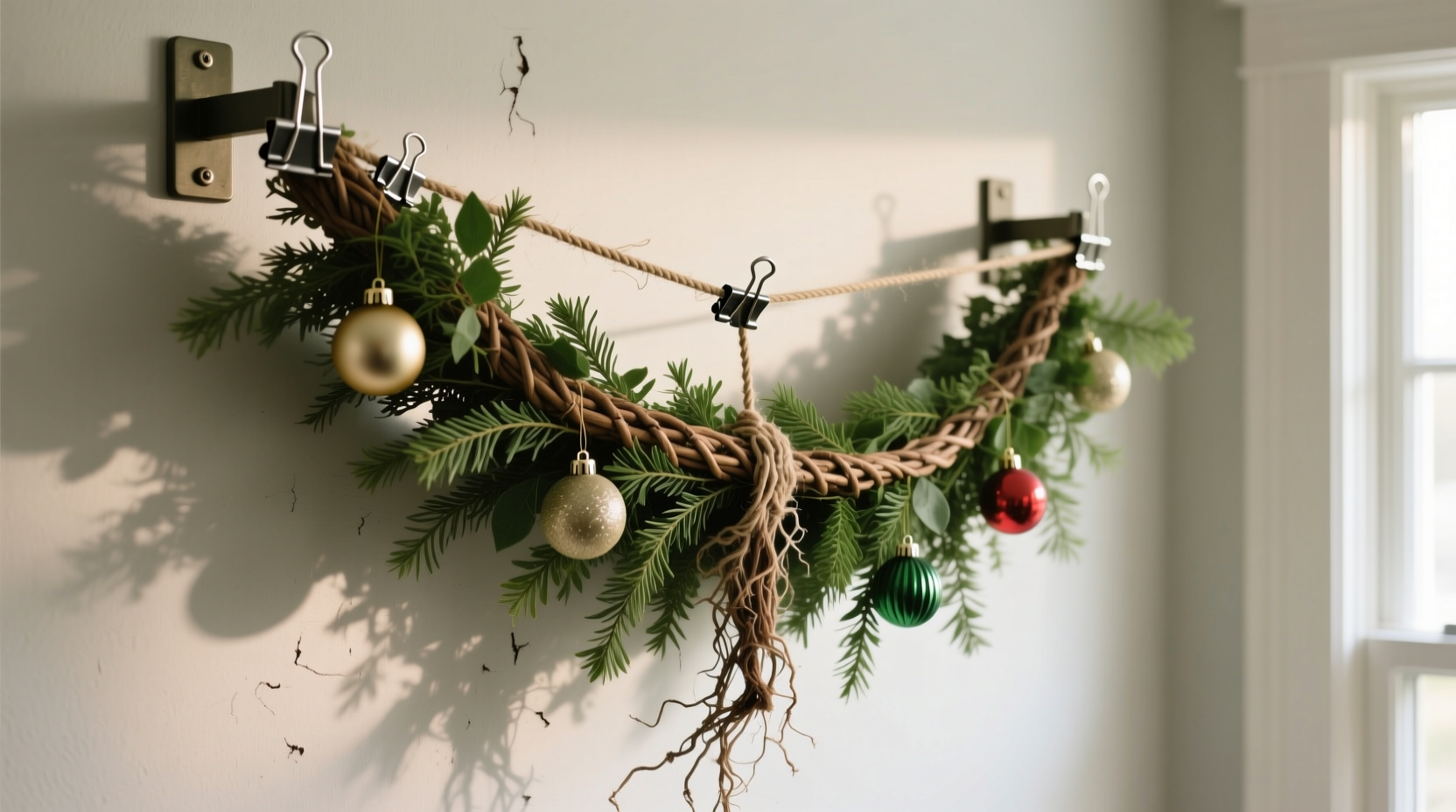
At first glance, sagging appears to be a simple failure of support—hooks loosening, nails bending, or overhangs too long. But more often, the problem begins before the garland ever touches the wall. The root causes span biology, physics, and seasonal stress.
Fresh-cut greenery loses moisture rapidly once removed from the plant. As cells dehydrate, branches lose rigidity and begin to wilt. This natural process accelerates indoors, where heating systems reduce ambient humidity. A garland that looked full and springy on day one may become limp by day three, even if perfectly anchored.
Artificial garlands aren't immune either. While they don’t dry out, their structure depends on internal wiring and branch density. Lightweight PVC or polyester foliage may lack the internal support needed for extended runs, especially when exposed to temperature shifts or air currents. Over time, gravity pulls down loosely bundled stems, creating visible dips between mounting points.
Another overlooked factor is weight distribution. A garland might be evenly secured, but if the center carries heavier elements—pinecones, berries, lights, or ornaments—it will naturally bow downward at the midpoint. This is particularly true for mantel or stair rail displays, where central sections hang unsupported.
Material Matters: How Garland Type Affects Longevity
Not all garlands behave the same. The materials used directly influence how well they hold shape over time. Below is a comparison of common garland types and their susceptibility to sagging.
| Garland Type | Sag Risk | Primary Cause | Lifespan (Indoors) |
|---|---|---|---|
| Fresh Pine | High | Moisture loss, needle drop | 5–7 days |
| Eucalyptus Blend | Moderate-High | Leaf curl, stem flexibility | 7–10 days |
| PVC Artificial | Low-Moderate | Wire fatigue, poor core strength | Years (with storage care) |
| Premium Faux (PE/PEVA) | Low | Minimal | 5+ years |
| Preserved Greenery | Very Low | Stabilized cellular structure | 6–12 months |
As the table shows, fresh garlands face biological degradation, while lower-tier artificial versions fail due to structural weakness. Preserved greenery—treated with glycerin and stabilizing agents—offers a middle ground: real plant texture with enhanced durability. For long-term displays, this option resists sagging far better than untreated fresh cuts.
Environmental Factors That Accelerate Drooping
Even a perfectly constructed garland will struggle in unfavorable conditions. Indoor heating, direct sunlight, and airflow significantly impact performance.
Central heating reduces relative humidity to desert-like levels—often below 30%. In such environments, fresh greenery can lose up to 2% of its moisture per day. Once internal turgor pressure drops, stems bend under their own weight. Similarly, artificial foliage exposed to heat vents or radiators may soften slightly, causing wire cores to flex and retain a curved shape over time.
Sunlight, especially through south-facing windows, creates microclimates that speed up drying. UV exposure also degrades pigments and weakens organic fibers. A garland draped across a sunny mantel may appear vibrant at first but begin sagging faster than one in a shaded hallway.
Air movement plays a subtle role. Ceiling fans, HVAC blowers, or open windows create constant motion that fatigues attachment points and encourages swaying. Over days, this repetitive stress loosens clips and stretches flexible backings.
“People underestimate how much indoor climate affects greenery. A garland in a heated living room behaves like cut flowers in a warm vase—it’s on a timer.” — Dr. Lydia Tran, Horticultural Consultant, Pacific Northwest Botanical Group
Step-by-Step: How to Install a Garland That Stays Taut
Proper installation goes beyond spacing hooks every 12 inches. True longevity requires preparation, strategic anchoring, and ongoing maintenance. Follow this timeline for optimal results.
- Day 0 – Preparation: If using fresh greenery, soak the cut ends in water for 2–4 hours before assembly. For artificial garlands, uncoil and straighten the core wire gently to remove kinks.
- Day 1 – Mounting Frame: Install screw-in cup hooks or adhesive Command™ strips every 8–10 inches along the desired path. Avoid nails alone—they allow lateral shift. For heavy garlands, use toggle anchors into drywall or screws into studs.
- Attach in Sections: Begin at one end. Secure the garland at each anchor point using floral wire or zip ties, wrapping tightly around both the garland core and hook. Do not stretch the garland—this invites recoil and sag.
- Reinforce Midpoints: For spans longer than 4 feet, add a vertical support line (clear fishing line) from ceiling to garland center. Tie discreetly to blend with foliage.
- Add Weight Strategically: Distribute decorations evenly. Cluster heavy items near anchor points, never in open spans. Use lightweight alternatives (foam pinecones, fabric berries) when possible.
- Daily Maintenance (Days 2–5): Mist fresh garlands lightly once daily with a spray bottle. Check for loose ties and re-secure as needed. Rotate artificial pieces slightly to prevent permanent bending.
Common Installation Mistakes and How to Avoid Them
- Over-relying on adhesive hooks: These work for lightweight decor but fail under sustained load. Pair them with mechanical anchors for reliability.
- Ignoring the core wire: Many artificial garlands have thin, low-gauge wire inside. Reinforce with a secondary steel cable if spanning more than 6 feet.
- Hanging too tightly: Stretching the garland during installation creates tension that relaxes over time, leading to slack and droop.
- Skipping pre-shaping: Letting a coiled garland hang without straightening first leads to unnatural curves and weak points.
- Mounting near heat sources: Mantels above active fireplaces, walls beside radiators, or areas near return vents accelerate drying and deformation.
Real-World Example: The Church Vestibule Dilemma
A historic church in Vermont struggled each holiday season with their front door garland. Despite using fresh noble fir and installing new cup hooks annually, the display began sagging by Tuesday—just two days after Sunday’s unveiling. Volunteers assumed the hooks were faulty, but inspection revealed otherwise.
Upon closer review, three issues emerged: the garland was 14 feet long with only four anchor points, it ran parallel to a forced-air vent, and decorative pinecones were clustered in the center. Within 36 hours, the combination of airflow, uneven weight, and insufficient support caused visible drooping.
The solution? They switched to a preserved eucalyptus-pine blend, added six additional hooks (now spaced every 18 inches), relocated the vent diffuser, and redistributed pinecones toward the ends. They also installed a nearly invisible monofilament line from the ceiling to the center. The next season, the garland remained taut for over three weeks—earning praise from congregants and passersby alike.
Essential Garland Care Checklist
Use this checklist before and during your garland display to prevent sagging and extend visual appeal.
- ✅ Assess garland type and expected lifespan
- ✅ Choose anchor points every 8–10 inches
- ✅ Use twist ties or zip ties at each mount
- ✅ Add vertical support for spans >4 ft
- ✅ Distribute heavy decorations near anchors
- ✅ Keep away from heat sources and direct sun
- ✅ Mist fresh garlands daily (if indoors)
- ✅ Inspect and re-tighten connections every 2–3 days
Frequently Asked Questions
Can I revive a sagging fresh garland?
Yes, if caught early. Remove the garland and submerge the base or core in cool water for 3–4 hours. Re-hang with refreshed ties and adjust anchor points if needed. Note: this works best within the first 72 hours of hanging.
Why do some artificial garlands sag even when new?
Inferior manufacturing is often the culprit. Low-cost models use thin wire cores and sparse branch insertion, making them prone to bending. Look for “heavy-duty core” or “commercial grade” labels when purchasing.
How can I hide existing sag without re-hanging?
Use clear fishing line to tether the lowest point to the ceiling or wall above. Attach discreetly within the foliage. You can also fluff outer layers to mask droop or add lightweight picks (like faux holly sprigs) to bulk up thin areas visually.
Final Thoughts: Building Beauty That Lasts
A sagging garland doesn’t reflect poor effort—it reflects a mismatch between expectation and reality. Nature has its limits, and materials have their thresholds. But with informed choices and careful execution, you can create displays that remain elegant from installation to takedown.
Start by selecting the right type of garland for your environment. Invest time in proper mounting techniques, and don’t overlook the small details—like tie tightness and airflow. Monitor your display regularly, especially in the first few days, and make micro-adjustments as needed.
Whether you're decorating for the holidays, a wedding, or seasonal curb appeal, a taut, full garland speaks of attention to detail and lasting craftsmanship. Don’t let early drooping dim your vision. Apply these strategies, and enjoy a display that stays as vibrant as the moment you hung it.




 浙公网安备
33010002000092号
浙公网安备
33010002000092号 浙B2-20120091-4
Comments
No comments yet. Why don't you start the discussion?