
Garlic is a cornerstone of flavor in kitchens around the world. Whether you're making a simple sauté, a robust pasta sauce, or a fragrant stir-fry, garlic adds depth and complexity. But if you've ever turned your golden-brown garlic into blackened bits within seconds of hitting the pan, you're not alone—and more importantly, it's not your fault. The real culprit? A mismatch between heat level, oil type, and timing. Understanding why garlic burns so quickly in olive oil and how to control the variables can transform your cooking from frustrating to flawless.
Garlic has a low burning point—around 375°F (190°C)—but many home cooks heat their pans well beyond this, especially when using high-smoke-point oils or preheating empty skillets. When combined with olive oil, which begins to degrade and smoke at about 375–410°F depending on quality, the margin for error becomes razor-thin. The result: bitter, acrid flavors that ruin an otherwise delicious dish.
The Science Behind Garlic’s Quick Burn
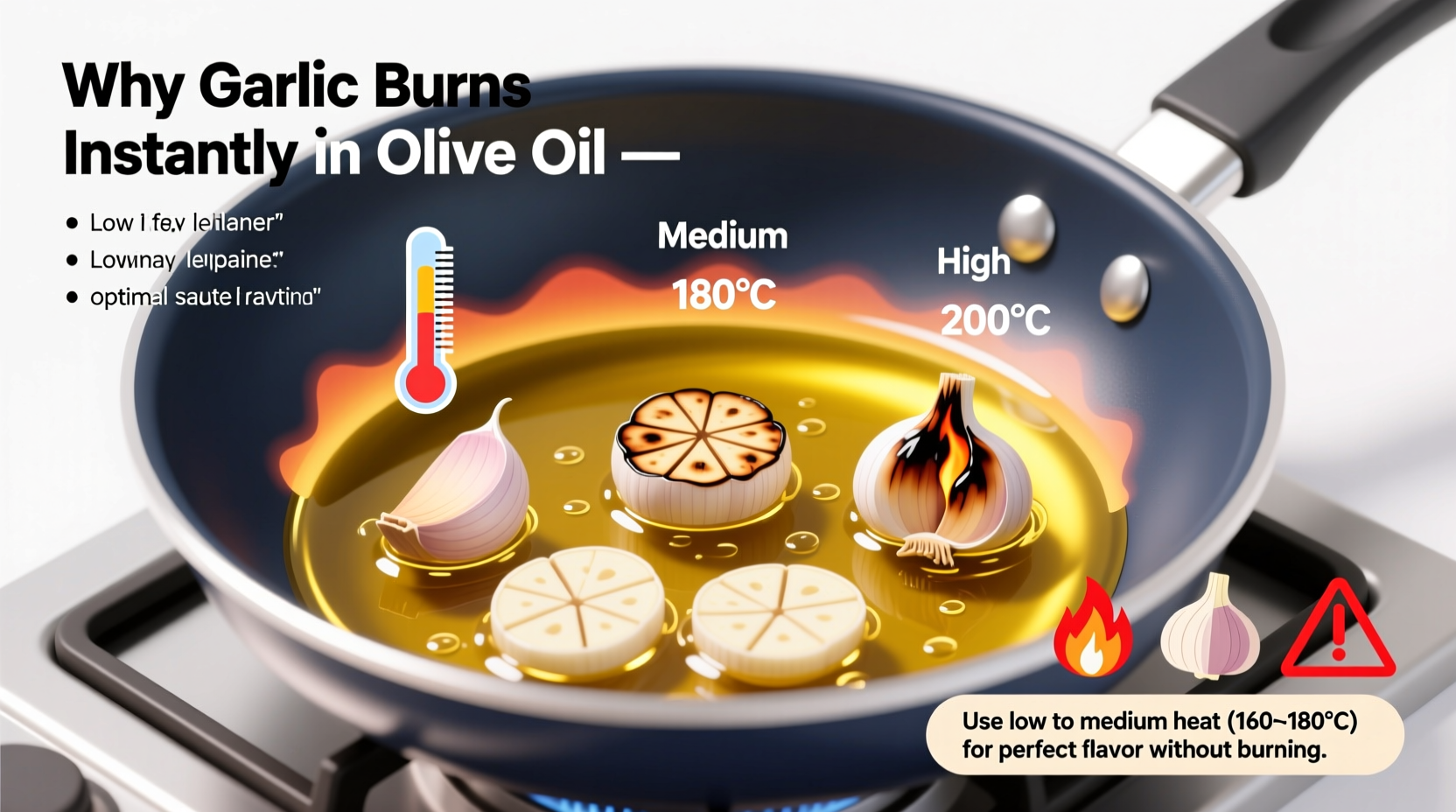
Garlic contains sulfur compounds that are highly reactive when exposed to heat. Allicin, one of the primary compounds responsible for garlic’s pungent aroma, breaks down rapidly under high temperatures. While this breakdown contributes to flavor development, excessive heat causes it to over-decompose, producing burnt, unpleasant notes.
Olive oil, particularly extra virgin olive oil (EVOO), enhances this vulnerability. Despite its culinary prestige, EVOO has a relatively low smoke point compared to refined oils like avocado or grapeseed. More importantly, it’s often added to already-hot pans, creating an immediate thermal shock for delicate ingredients like minced garlic.
When garlic hits hot oil, moisture evaporates rapidly, leaving behind dry particles that scorch almost instantly. Minced or sliced garlic has more surface area exposed, accelerating this process. Whole cloves fare better due to their density, but even they can char if left unattended.
Optimal Cooking Temperatures for Olive Oil and Garlic
To cook garlic effectively in olive oil, precision matters. You’re not aiming for high heat; you’re aiming for controlled warmth. The ideal temperature range for sautéing garlic in EVOO is between 275°F and 325°F (135°C–163°C). At this level, the oil shimmers gently without smoking, and the garlic softens, releasing sweetness rather than burning.
Many stovetops, especially gas burners, exceed these temperatures in under two minutes. Preheating an empty pan on medium-high heat can push temperatures past 400°F before any oil is even added. This explains why garlic often burns the moment it touches the surface.
Instead, start with a cold pan. Add olive oil first, then place it over low to medium-low heat. Allow both oil and pan to warm gradually. This method gives you greater control and prevents localized hot spots that accelerate burning.
“Garlic should whisper, not scream, when it hits the pan.” — Chef Rafael Contreras, Culinary Instructor at the Pacific Institute of Culinary Arts
Step-by-Step Guide: How to Sauté Garlic Without Burning It
Follow this reliable sequence to consistently achieve golden, aromatic garlic every time:
- Start with a cold pan. Place your skillet on the burner before turning on the heat.
- Add olive oil first. Use enough to coat the bottom evenly—about 1–2 tablespoons.
- Set heat to low or medium-low. Let the oil warm slowly for 2–3 minutes.
- Test the temperature. Flick a small piece of garlic into the oil. If it sizzles gently and rises slowly, it’s ready. If it crackles violently or browns in seconds, it’s too hot.
- Add garlic and stir constantly. Use a wooden spoon or spatula to keep it moving for even exposure.
- Cook for 30–60 seconds. Remove from heat just before it reaches golden brown—it will continue cooking slightly off the flame.
- Proceed with other ingredients. Add onions, tomatoes, or liquids immediately to halt further browning.
Do’s and Don’ts: Garlic and Olive Oil Edition
| Do | Don’t |
|---|---|
| Use low to medium-low heat when sautéing garlic in olive oil | Preheat an empty pan on high before adding oil |
| Add garlic after aromatics like onions, which release moisture and moderate heat | Leave garlic unattended once it hits the oil |
| Cut garlic uniformly to ensure even cooking | Use finely minced garlic on high heat |
| Combine olive oil with a higher-smoke-point oil (e.g., 75% EVOO + 25% avocado oil) for medium-high recipes | Store infused garlic oil at room temperature for more than 4 hours (risk of botulism) |
| Remove garlic from heat just before it turns golden to avoid carryover cooking | Cook garlic in reused, overheated oil that has degraded |
Real Example: A Common Weeknight Mistake
Consider Maria, who loves making aglio e olio. She heats her stainless steel pan on medium-high, adds olive oil, waits until it ripples aggressively, then tosses in minced garlic. Within 20 seconds, the kitchen fills with smoke, and the garlic turns jet black. Frustrated, she dumps it and starts over—twice.
After learning about gradual heating, she changes her approach. She places the pan on the stove, adds oil, sets the burner to medium-low, and waits three minutes. She adds the garlic and stirs constantly. In 45 seconds, the garlic turns a perfect light gold, releasing a sweet, nutty aroma. She adds red pepper flakes and cooked pasta, finishes with pasta water, and creates a restaurant-quality dish.
The only difference? Temperature control. No new tools, no special ingredients—just understanding how heat interacts with oil and garlic.
Choosing the Right Olive Oil for Cooking
Not all olive oils are created equal when it comes to heat stability. Extra virgin olive oil is prized for its flavor and health benefits, but its low smoke point makes it less ideal for prolonged high-heat cooking. However, it shines in low-temperature applications like garlic sautés, dressings, and finishing drizzles.
If you frequently cook at medium-high heat, consider using “pure” or “light” olive oil—these are refined and have smoke points up to 465°F. Alternatively, blend extra virgin with a neutral high-heat oil to preserve flavor while increasing thermal resilience.
“Think of extra virgin olive oil like a fine wine—you wouldn’t boil it. Reserve its brilliance for dishes where its character can truly shine.” — Dr. Lena Petrov, Food Scientist and Oil Stability Researcher
Frequently Asked Questions
Can I cook garlic in olive oil on high heat?
No, high heat will cause garlic to burn within seconds, especially in extra virgin olive oil. The combination of low smoke point and garlic’s sensitivity to heat makes this a recipe for bitterness. Stick to low or medium-low heat for best results.
Why does my garlic always burn even on low heat?
This may be due to uneven burner output or pan material. Thin pans develop hot spots quickly. Try using a heavy-bottomed skillet (like cast iron or clad stainless steel) for more even heat distribution. Also, ensure you’re not leaving the garlic stationary—stir continuously.
Is burnt garlic dangerous to eat?
Burnt garlic isn’t toxic, but it produces bitter, acrid compounds that can ruin a dish. Consuming small amounts occasionally isn’t harmful, but regularly eating charred foods may contribute to increased intake of potentially harmful substances formed during combustion.
Alternative Techniques for Flavorful, Unburnt Garlic
Beyond careful sautéing, several techniques allow you to harness garlic’s essence without risking burn:
- Infuse oil off the heat: Warm olive oil with whole garlic cloves, remove from burner, and let steep for 10–15 minutes. Strain and use the flavored oil for dressings or drizzling.
- Roast whole heads: Roasting garlic at 375°F for 40 minutes caramelizes its natural sugars, creating a mellow, spreadable paste ideal for sauces and dips.
- Add later in cooking: If making a long-simmered sauce, add fresh garlic in the last 5–10 minutes to preserve its brightness.
- Use garlic confit: Slow-cook peeled cloves in olive oil at 225°F for 1.5–2 hours until tender. The resulting garlic is soft, sweet, and can be mashed into dishes effortlessly.
Conclusion: Mastering Heat for Better Flavor
Burning garlic isn’t a sign of poor cooking skills—it’s a symptom of misunderstood heat dynamics. By adjusting your technique, respecting the limits of olive oil, and treating garlic as a delicate ingredient rather than a background note, you unlock richer, more balanced flavors in your everyday meals.
Cooking is as much about patience as it is about precision. The next time you reach for that clove, take a breath, lower the flame, and let the aroma guide you. Your palate—and your guests—will thank you.




 浙公网安备
33010002000092号
浙公网安备
33010002000092号 浙B2-20120091-4
Comments
No comments yet. Why don't you start the discussion?