
One of the most startling experiences for new gecko owners is witnessing their pet suddenly detach its tail—sometimes without any obvious cause. The wriggling appendage continues moving on the floor while the gecko scurries away, leaving behind a stunned owner wondering what just happened. This dramatic event, known as autotomy, is a natural defense mechanism among many reptiles, including common pet geckos like leopard geckos and crested geckos. But why does it happen? And more importantly, can the tail grow back completely? Understanding this biological process is essential for ensuring your gecko's long-term health and well-being.
The Science Behind Tail Dropping: Autotomy Explained
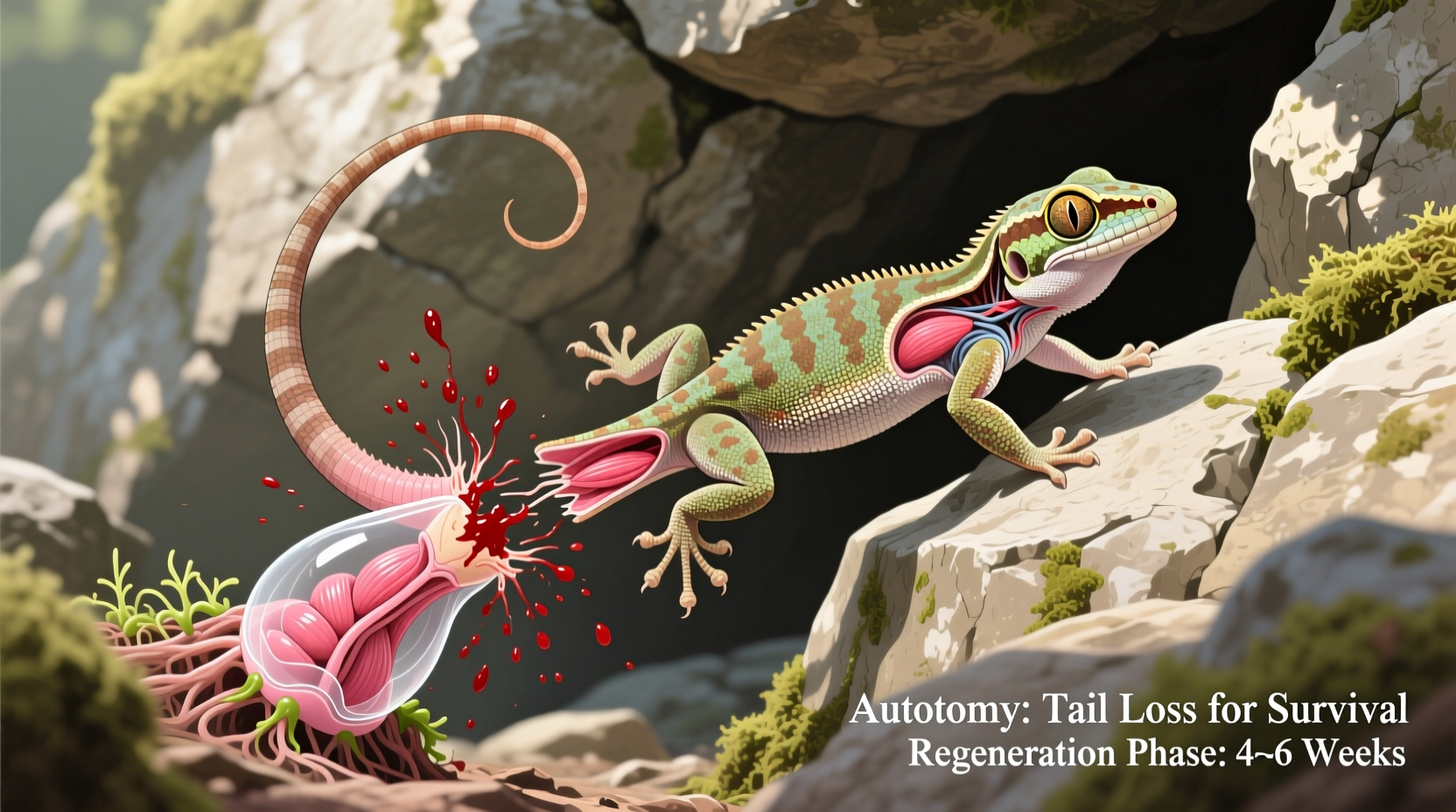
Autotomy—the self-amputation of a body part—is an evolutionary survival strategy. In geckos, it primarily serves as a distraction tactic when threatened by predators. The tail contains specialized fracture planes along the vertebrae, allowing it to break cleanly at specific points when muscles contract forcefully under stress. Once detached, the tail continues to twitch due to residual nerve activity, drawing attention away from the fleeing gecko.
This reflex is involuntary and highly effective in the wild. However, in captivity, geckos may drop their tails not because of actual predators, but due to perceived threats such as sudden movements, improper handling, cage mates, or even loud noises. While the behavior increases survival odds in nature, frequent tail loss in captivity signals underlying stress or husbandry issues that need addressing.
Can a Gecko’s Tail Grow Back Fully?
The answer depends on the species. Leopard geckos (*Eublepharis macularius*) are capable of regenerating their tails, but the new growth is never identical to the original. The regenerated tail tends to be shorter, smoother, and often lacks the same coloration and patterning. Structurally, it doesn’t contain true vertebrae; instead, it forms a cartilaginous rod. This means the new tail is less flexible and cannot be dropped again in the same way.
In contrast, crested geckos (*Correlophus ciliatus*) and some other gecko species do not regenerate their tails at all once lost. A crested gecko that loses its tail will remain tailless for life. While this doesn’t impair basic functions like balance or fat storage (since crested geckos don’t store fat in their tails), it does affect appearance and may impact social dynamics if housed with others.
Regeneration takes time—typically several weeks to months—and requires significant energy. During this period, the gecko draws resources from its body reserves, which can temporarily weaken its immune system if nutrition isn’t optimized.
“Tail regeneration is metabolically costly. A gecko needs excellent nutrition and low stress to rebuild tissue effectively.” — Dr. Rebecca Thompson, Reptile Veterinarian and Herpetological Researcher
Factors That Influence Regrowth Success
Not every gecko that loses its tail will regenerate it successfully. Several environmental and physiological factors play critical roles in determining whether regrowth occurs and how complete it appears.
- Nutrition: A diet rich in calcium, protein, and vitamins supports tissue repair. Insects should be gut-loaded and dusted regularly.
- Age: Younger geckos generally regenerate faster and more completely than older individuals.
- Health Status: Underlying illnesses or parasites can divert energy away from regeneration.
- Stress Levels: Chronic stress suppresses healing and immune function, slowing recovery.
- Housing Conditions: Proper temperature gradients, humidity, and clean enclosures reduce infection risk at the wound site.
| Species | Tail Regrowth Possible? | Appearance of New Tail | Time to Full Regrowth |
|---|---|---|---|
| Leopard Gecko | Yes | Bulbous, smooth, often lighter/darker | 30–90 days |
| Crested Gecko | No | Does not regrow | N/A |
| African Fat-Tailed Gecko | Yes | Similar to leopard gecko—shorter and textured differently | 60–100 days |
| Gargoyle Gecko | Limited | Partial regrowth, rarely full | Variable |
What to Do When Your Gecko Drops Its Tail
If your gecko drops its tail, remain calm. The animal is designed to survive this event, but immediate post-autotomy care improves outcomes. Follow these steps:
- Isolate if necessary: If multiple geckos are housed together, separate the injured one to prevent further stress or tail-nipping.
- Inspect the wound: Look for signs of excessive bleeding or infection (oozing, discoloration). Minor oozing is normal initially.
- Maintain hygiene: Clean the enclosure thoroughly. Replace substrate near the wound area with paper towels to prevent contamination.
- Adjust feeding: Increase protein intake slightly during regrowth. Offer nutrient-dense feeders like dubia roaches or silkworms.
- Monitor behavior: Ensure your gecko resumes eating and basking normally within 24–48 hours.
Avoid touching the wound site unnecessarily. The tail stump will scab over naturally within a few days. Never apply human antiseptics unless directed by a veterinarian, as many are toxic to reptiles.
Mini Case Study: Leo the Stressed Leopard Gecko
Leo, a six-month-old leopard gecko, was recently adopted by a first-time reptile owner. Excited to interact, the owner frequently handled Leo and introduced a second gecko into the same tank. Within two weeks, Leo dropped his tail after being chased during feeding time. The owner panicked but researched immediately and separated the animals. She upgraded Leo’s diet with calcium-rich feeders, reduced handling, and provided hiding spots on both warm and cool sides of the enclosure. Over the next 70 days, Leo regrew a stubby, pale tail—but he regained confidence, resumed regular feeding, and showed no signs of infection. His case highlights how proper intervention after tail loss leads to full functional recovery, even if cosmetic results are imperfect.
Preventing Unnecessary Tail Loss
While tail dropping is a natural ability, preventing unnecessary autotomy is key to responsible gecko ownership. Frequent tail loss weakens the animal over time and indicates poor welfare conditions. Consider the following preventative measures:
Checklist: How to Minimize Stress and Prevent Tail Dropping
- ✅ Handle gently and only when necessary, especially with young or shy geckos
- ✅ Avoid grabbing or restraining the tail—always support the body
- ✅ House geckos individually unless proven compatible (especially males)
- ✅ Provide at least two secure hides per enclosure
- ✅ Maintain consistent day/night cycles and avoid sudden loud noises
- ✅ Keep enclosure temperatures within species-specific ranges (e.g., 88–92°F basking zone for leopard geckos)
- ✅ Feed using tongs or bowls to prevent accidental bites during hand-feeding
Additionally, observe your gecko daily for subtle signs of stress: glass surfing, refusal to eat, excessive hiding, or rapid breathing. These behaviors may precede tail loss and offer early warning to adjust care practices.
Frequently Asked Questions
Does it hurt when a gecko drops its tail?
No, the process is painless due to specialized nerves and rapid muscle contraction. The gecko experiences minimal discomfort, similar to a human losing a fingernail. However, the aftermath requires careful management to prevent complications.
Can a gecko die from losing its tail?
Direct death from tail loss is rare in healthy adults. However, juveniles or malnourished geckos may struggle with the metabolic cost of regeneration. Secondary risks include infection at the wound site or predation in communal tanks if not separated promptly.
Will my gecko act differently after losing its tail?
Initially, yes. Many geckos become more reclusive or skittish for a few days. As they heal and adjust, most return to normal behavior. Some may show slight changes in balance or climbing efficiency, though this rarely affects overall quality of life.
Supporting Healthy Recovery: A Timeline
Understanding the stages of tail regeneration helps set realistic expectations for owners. Below is a general timeline for leopard geckos:
- Day 1–3: Wound seals; scab forms. No tail movement. Gecko may refuse food.
- Day 4–7: Appetite returns. Early swelling at base indicates cell proliferation.
- Week 2–4: Soft cartilage begins forming beneath skin. Visible bump grows steadily.
- Month 2: New tail elongates, taking on a conical shape. Color starts developing.
- Month 3: Regrowth nearly complete. Texture remains smoother than original tail.
Note: Crested geckos follow no such timeline, as regeneration does not occur. Their wound typically closes within 10–14 days, leaving a small scar.
Conclusion: Respecting Nature, Enhancing Care
Tail dropping is a remarkable adaptation that showcases the resilience of geckos in the face of danger. While the ability to regenerate—or live without—a tail speaks to their hardiness, it also underscores the responsibility of caretakers to create safe, low-stress environments. Whether your gecko has already experienced autotomy or you're hoping to prevent it, the keys lie in attentive observation, proper nutrition, and thoughtful handling.
Remember, a tailless gecko is still a healthy, vibrant pet. Cosmetic differences don’t diminish personality or longevity. With informed care, your gecko can thrive for years, tail or no tail.




 浙公网安备
33010002000092号
浙公网安备
33010002000092号 浙B2-20120091-4
Comments
No comments yet. Why don't you start the discussion?