
Seeing your goldfish floating awkwardly at the surface, bobbing upside down, or struggling to maintain a normal position can be alarming. This behavior is often linked to swim bladder dysfunction—a common but manageable condition in goldfish. The swim bladder is an internal organ that helps fish control their buoyancy and remain stable in the water. When it malfunctions, your fish may lose balance, sink to the bottom, or float uncontrollably. While not always life-threatening, untreated swim bladder issues can lead to stress, poor feeding, and secondary infections. Understanding the causes, recognizing early symptoms, and taking prompt corrective action are essential for restoring your goldfish’s health.
Understanding the Swim Bladder and Its Role
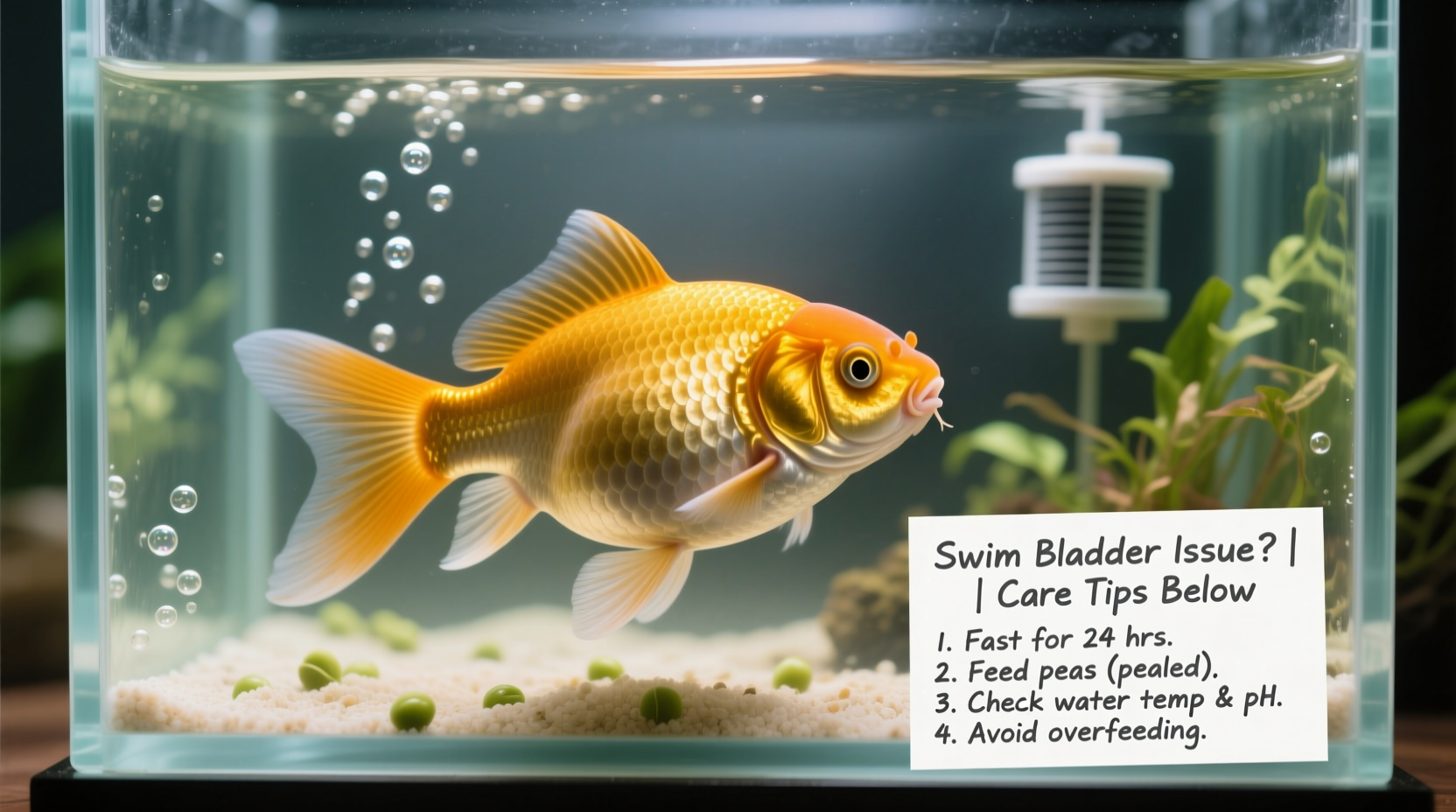
The swim bladder is a gas-filled sac located near the spine of most bony fish, including goldfish. By adjusting the amount of gas inside this organ, fish can rise, descend, or hover effortlessly in the water column without constant swimming. This mechanism is crucial for energy conservation and natural movement.
In goldfish, particularly fancy varieties like Orandas, Lionheads, and Ranchus, the swim bladder is more prone to disruption due to their compact, rounded body shapes. Selective breeding has led to shortened digestive tracts and compressed internal organs, increasing susceptibility to buoyancy problems. When the swim bladder becomes compromised—whether by physical pressure, infection, or improper digestion—the fish struggles to maintain equilibrium.
“Swim bladder disorder isn’t a disease in itself—it’s a symptom of underlying issues ranging from diet to water quality.” — Dr. Laura Chen, Aquatic Veterinarian
Common Causes of Swim Bladder Problems
Several factors can contribute to swim bladder dysfunction. Identifying the root cause is key to effective treatment.
Dietary Issues
Overfeeding or consuming dry foods that expand in the stomach is one of the leading causes. Pellets and flakes absorb water once ingested, which can cause bloating and put pressure on the swim bladder. Goldfish are especially vulnerable because they lack a true stomach and process food continuously.
Poor Water Quality
Ammonia, nitrite, or sudden pH fluctuations stress the fish’s immune system, making them more susceptible to internal issues. Chronic exposure to suboptimal conditions weakens organ function, including the swim bladder.
Constipation and Gas Buildup
A fiber-deficient diet leads to slow digestion and constipation. As waste accumulates, it presses against the swim bladder, disrupting its function. Gas produced during digestion can also inflate the gut, worsening buoyancy issues.
Physical Deformities or Injury
Some goldfish are born with structural abnormalities affecting the swim bladder. Others may develop issues after trauma, such as jumping out of the tank or being bullied by tank mates.
Bacterial Infections
In rare cases, bacterial pathogens can infect the swim bladder directly, causing inflammation or gas accumulation. These infections often follow prolonged stress or injury.
Symptoms of Swim Bladder Disorder
Recognizing the signs early improves recovery chances. Common indicators include:
- Difficulty maintaining upright posture (floating sideways, upside down, or nose-down)
- Inability to submerge or staying at the surface despite effort
- Sinking to the bottom and struggling to rise
- Lopsided swimming or erratic movements
- Loss of appetite due to discomfort
- Visible bloating or distended abdomen
It's important to distinguish swim bladder issues from other conditions. For example, if your fish shows clamped fins, rapid gilling, or white spots, parasitic or bacterial diseases may be present. Always assess overall behavior and water parameters before concluding.
Step-by-Step Care Plan for Recovery
If your goldfish exhibits buoyancy problems, act quickly using this structured approach:
- Confirm the Diagnosis: Observe your fish for 24 hours. If it eats normally and shows no signs of infection, swim bladder dysfunction is likely.
- Fast the Fish: Withhold food for 2–3 days. This allows the digestive system to clear any blockages and reduces pressure on the swim bladder.
- Adjust Water Conditions: Test ammonia, nitrite, nitrate, and pH. Perform a 30% water change using dechlorinated water matched to tank temperature.
- Introduce Cooked Peas: After fasting, feed one shelled, mashed pea per day for 2–3 days. Peas are high in fiber and help relieve constipation.
- Switch to Sinking Foods: Replace floating pellets with sinking granules or gel-based diets to reduce air ingestion during feeding.
- Maintain Warm Water: Keep temperature between 68–74°F (20–23°C) to support metabolism and digestion.
- Monitor Progress: Track improvements daily. Most fish respond within 5–7 days.
If no improvement occurs after a week, consider consulting an aquatic veterinarian. Persistent cases may require antibiotic treatment if infection is suspected.
Preventative Care Tips
Prevention is far more effective than treatment when it comes to swim bladder health. Implement these long-term strategies to keep your goldfish balanced and active.
Feed a Balanced Diet
Vary food types to include vegetables, high-quality pellets, and occasional live or frozen treats like brine shrimp. Avoid exclusively dry foods.
Soak Dry Food Before Feeding
This simple step prevents expansion in the gut and reduces the risk of impaction.
Provide Adequate Tank Size
Goldfish need space—minimum 20 gallons for one fancy goldfish, plus 10 gallons for each additional fish. Overcrowding increases stress and waste buildup.
Ensure Proper Filtration
Use a filter rated for at least twice your tank’s volume. Goldfish produce significant waste, and clean water supports healthy organ function.
Perform Regular Maintenance
Weekly 25–30% water changes, gravel vacuuming, and filter cleaning keep toxins at bay and promote overall wellness.
| Do | Don't |
|---|---|
| Feed soaked pellets and fresh peas | Overfeed or leave food uneaten |
| Keep water temperature stable | Allow sudden temperature shifts |
| Use sinking or gel-based foods | Rely solely on floating flakes |
| Fasting one day per week | Feed multiple times daily without breaks |
| Observe fish behavior daily | Ignore changes in swimming patterns |
Mini Case Study: Bella the Oranda’s Recovery
Bella, a 2-year-old Oranda, began floating sideways after her owner switched to a new brand of floating pellets. She could eat but struggled to reach the bottom and appeared lethargic. Water tests showed elevated nitrates (60 ppm), and the tank was only 10 gallons—too small for her size.
The owner fasted Bella for 48 hours, then introduced one cooked pea daily for three days. They upgraded to a 20-gallon tank with a stronger filter and started soaking all dry food. Within five days, Bella regained normal buoyancy and resumed exploring the lower regions of the tank. Weekly water changes and a varied diet have kept her healthy for over six months since.
This case highlights how diet, tank size, and maintenance collectively influence swim bladder health—even in previously healthy fish.
When to Seek Professional Help
While most swim bladder issues resolve with dietary and environmental adjustments, some cases require expert intervention. Consult an aquatic veterinarian if your fish displays:
- No improvement after 7–10 days of home care
- Signs of infection (cloudy eyes, red streaks, ulcers)
- Complete loss of appetite or inability to eat
- Bloating that worsens despite fasting
- Abnormal swelling suggesting tumors or dropsy
Diagnostic tools like ultrasound or radiography may be used to assess internal damage. In severe cases, antibiotics or anti-inflammatory treatments may be prescribed.
FAQ
Can swim bladder disorder be fatal?
It is rarely fatal on its own, but chronic imbalance can lead to starvation, exhaustion, or secondary infections. Prompt care significantly improves survival rates.
Is swim bladder disorder contagious?
No, it is not contagious. However, poor water quality or contaminated food affecting one fish may impact others, so treat the entire tank environment.
Can goldfish recover permanently from swim bladder issues?
Yes, most goldfish recover fully with proper care. Some with genetic deformities may have recurring episodes but can live comfortably with adjusted feeding and tank management.
Conclusion: Act Early, Prevent Often
A goldfish floating sideways is a clear signal that something is off—but it doesn’t mean the situation is hopeless. With timely intervention, most cases of swim bladder dysfunction can be reversed. The key lies in understanding the interplay between diet, water quality, and fish anatomy. Simple changes like feeding soaked food, adding fiber-rich peas, and maintaining a clean, spacious tank go a long way in preventing recurrence.
Goldfish are intelligent, long-lived companions that thrive under attentive care. By observing their behavior closely and responding to early warning signs, you ensure they swim strong and stay balanced for years to come.




 浙公网安备
33010002000092号
浙公网安备
33010002000092号 浙B2-20120091-4
Comments
No comments yet. Why don't you start the discussion?