
Seeing your goldfish hovering near the surface, mouth opening rapidly, is more than just a curious behavior—it’s a distress signal. Goldfish are not naturally surface-dwelling fish when it comes to breathing. If yours is consistently at the top, gulping for air, something in the aquatic environment has gone wrong. While occasional surface visits can happen, persistent gasping indicates a serious imbalance—most often tied to water quality.
This article dives deep into the science behind this troubling sign, focusing on how dissolved oxygen levels, chemical imbalances, and tank management influence your fish’s ability to breathe. More importantly, you’ll learn how to diagnose the root cause, correct it quickly, and prevent future episodes through proactive maintenance.
The Science of Fish Respiration: Why Oxygen Matters
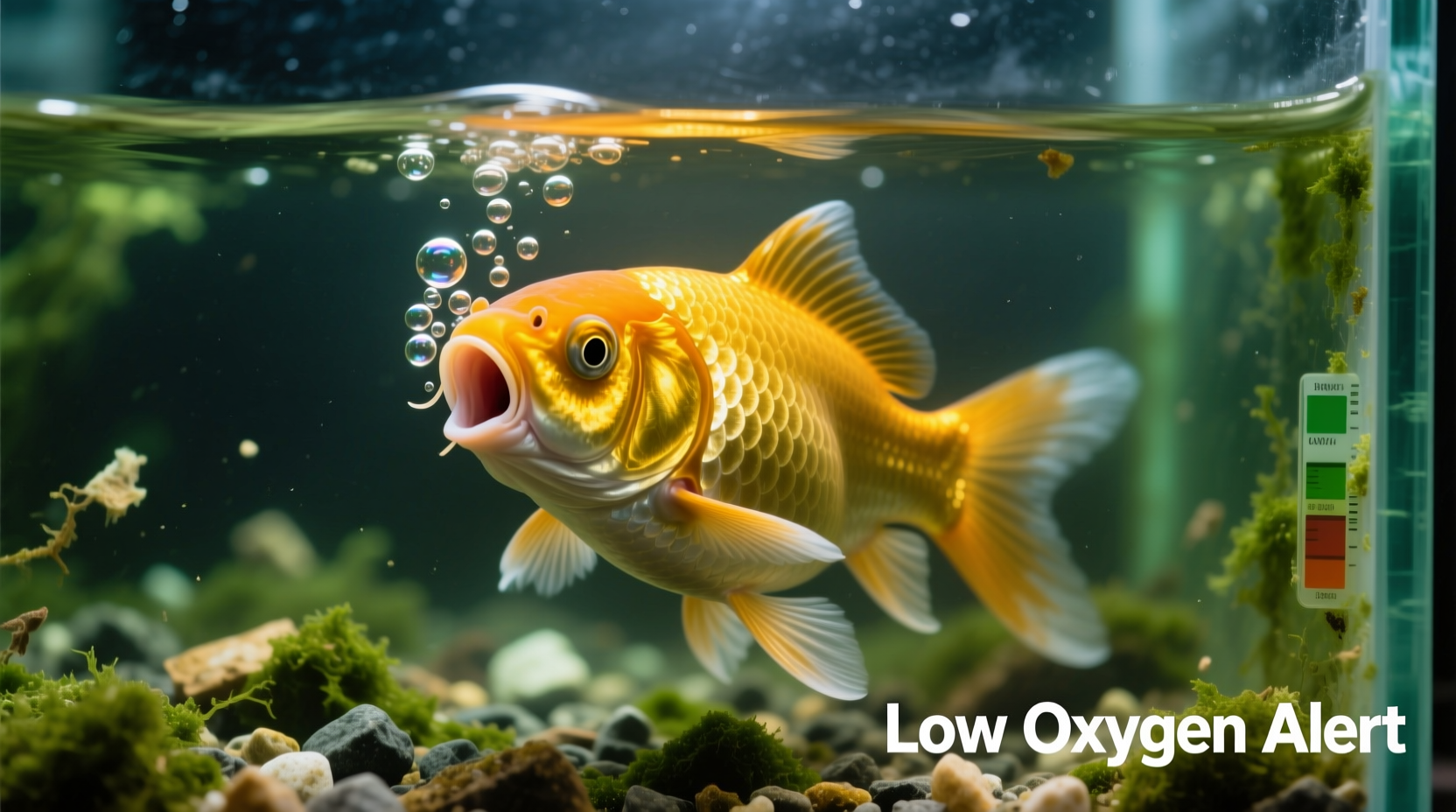
Fish extract oxygen from water using their gills. As water flows over the gill filaments, oxygen diffuses into the bloodstream while carbon dioxide is expelled. This process depends entirely on the concentration of dissolved oxygen (DO) in the water. Cold water holds more oxygen than warm water, which is one reason tropical tanks require stronger aeration.
Goldfish, despite their hardy reputation, have high metabolic rates and produce significant waste. They consume more oxygen than many other common aquarium fish, especially fancy varieties with compressed body shapes that limit gill efficiency. When DO drops below 5 mg/L, stress begins. Below 3 mg/L, gasping becomes inevitable.
But low oxygen isn’t always the culprit. Sometimes, even with adequate DO, toxins like ammonia or nitrite interfere with oxygen uptake at the cellular level—a condition known as “chemical asphyxiation.” This means your fish may struggle to breathe even if the water is well-oxygenated.
“Gasping at the surface is never normal behavior. It’s the aquatic equivalent of a human struggling to catch their breath—it demands immediate attention.” — Dr. Lila Nguyen, Aquatic Veterinarian and Consultant for the American Aquarium Health Association
Water Quality Clues Behind Surface Gasping
Before assuming mechanical failure or disease, assess your water chemistry. Poor water quality is responsible for over 90% of respiratory distress cases in home aquariums. The following parameters should be tested immediately when gasping occurs:
- Ammonia (NH₃/NH₄⁺): Even trace amounts (above 0.25 ppm) damage gill tissue, reducing oxygen absorption.
- Nitrite (NO₂⁻): Levels above 0.5 ppm bind to hemoglobin, preventing oxygen transport in the blood.
- pH: Sudden swings or extremes (below 6.0 or above 8.5) stress fish and impair gill function.
- Dissolved Oxygen: Should be between 6–8 mg/L; anything under 4 mg/L is dangerous.
- Temperature: Warmer water holds less oxygen. Above 78°F (25.5°C), oxygen depletion accelerates.
How To Test and Interpret Results
Follow these steps for reliable water testing:
- Collect water from mid-level of the tank (not surface or substrate).
- Shake reagents well before use and follow instructions precisely.
- Wait the full development time (usually 5–10 minutes).
- Compare colors under natural light to avoid misreading.
- Record results and retest after any water change or treatment.
If ammonia or nitrite reads above zero, perform an immediate partial water change. These substances are toxic even in small doses and act fast—within hours, they can cause irreversible gill damage.
Common Causes and How to Fix Them
Surface gasping rarely stems from a single factor. More often, it's the result of multiple overlapping issues. Here are the most frequent causes and targeted solutions:
1. Overstocking or Overfeeding
Too many fish or excess food increases bioload, accelerating ammonia production. Uneaten food decomposes rapidly, consuming oxygen and releasing harmful gases.
2. Inadequate Filtration
Goldfish produce more waste than most aquarium species. A filter rated for your tank size may still be insufficient if it lacks biological media or isn’t cleaned regularly.
Ensure your filter provides both mechanical and biological filtration. Canister filters or sponge filters with high surface area for beneficial bacteria are ideal. Clean filter media in old tank water (never tap water) to preserve bacterial colonies.
3. Lack of Surface Agitation
Oxygen exchange happens at the water-air interface. Still water limits gas diffusion. Without surface movement, oxygen depletes quickly, especially in warm tanks.
Solutions include adding an air stone, adjusting filter output to break the surface, or installing a small powerhead. Even a simple bubbling device can dramatically improve oxygen levels within minutes.
4. New Tank Syndrome
In unestablished tanks (less than 4–6 weeks old), the nitrogen cycle hasn’t fully developed. Beneficial bacteria that convert ammonia to nitrate aren’t present in sufficient numbers, leading to toxic buildup.
Avoid adding fish until the cycle is complete. Use a fishless cycling method with pure ammonia, monitoring daily until both ammonia and nitrite drop to zero with the addition of nitrates.
Step-by-Step Emergency Response Plan
If your goldfish is actively gasping, take immediate action. Follow this timeline to stabilize conditions and prevent fatalities:
| Time | Action | Purpose |
|---|---|---|
| 0–10 min | Test water for ammonia, nitrite, pH, and temperature | Identify primary threat |
| 10–20 min | Perform 30–50% water change with dechlorinated water matched in temperature | Dilute toxins and boost oxygen |
| 20–30 min | Add airstone or increase surface agitation | Enhance oxygen exchange |
| 30–60 min | Recheck water parameters; repeat water change if ammonia/nitrite >0.5 ppm | Ensure continued detoxification |
| Next 24 hrs | Monitor fish closely, avoid feeding, continue aeration | Reduce stress and metabolic load |
| Day 2+ | Resume feeding lightly; consider adding beneficial bacteria supplement | Support biological filtration recovery |
This protocol addresses both symptoms and root causes. Do not rely solely on water changes—correct the underlying imbalance to prevent recurrence.
Prevention Checklist: Keep Your Goldfish Breathing Easy
Long-term health depends on consistency. Use this checklist weekly to maintain optimal conditions:
- ✅ Test water for ammonia, nitrite, nitrate, and pH weekly
- ✅ Perform 20–30% water changes every 7–10 days
- ✅ Clean filter media monthly using tank water (not tap)
- ✅ Ensure surface is rippled by filter outflow or air pump
- ✅ Avoid overcrowding—allow 20 gallons for first goldfish, 10+ per additional
- ✅ Feed high-quality pellets sparingly; remove uneaten food promptly
- ✅ Monitor water temperature; keep between 65–72°F (18–22°C) for optimal balance
Consistent maintenance prevents crises. Think of your aquarium as a living ecosystem—not just a decorative container. Stability is key.
Mini Case Study: The Bowl That Couldn’t Breathe
Sarah kept a single fantail goldfish in a 3-gallon bowl without a filter or heater. She fed it daily and changed water only when it looked cloudy. After two weeks, the fish began lingering at the surface, mouth gaping.
She brought a water sample to a local aquarium store. Testing revealed ammonia at 1.5 ppm and zero detectable oxygen. The store technician explained that the bowl lacked surface area for gas exchange and had no biological filtration.
Sarah upgraded to a 20-gallon tank with a sponge filter and airstone. After a series of water changes and adding beneficial bacteria, her fish returned to normal behavior within 48 hours. Six months later, the fish remains active and healthy.
This case illustrates how seemingly minor oversights—like skipping a filter or ignoring water testing—can create life-threatening conditions quickly, especially in small volumes.
FAQ: Common Questions About Gasping Goldfish
Is it normal for goldfish to go to the surface occasionally?
Occasional surface visits, especially during feeding, are normal. But sustained positioning at the top with rapid gill movement or mouth gaping indicates distress and requires investigation.
Can low oxygen hurt other fish even if they’re not gasping?
Yes. Chronic low oxygen causes long-term stress, weakening immune systems and making fish prone to diseases like fin rot or ich. Even subtle signs—sluggishness, loss of appetite—can point to oxygen deficiency.
Should I add aquarium salt to help with breathing?
Aquarium salt (sodium chloride) at proper dosage (1 tablespoon per 5 gallons) can reduce osmotic stress and support gill function during recovery. However, it does not replace water changes or fix root causes like ammonia. Do not use with live plants or sensitive species.
Conclusion: Act Fast, Think Long-Term
Your goldfish gasping at the surface is a cry for help—one that shouldn’t be ignored. While the immediate fix often involves water changes and increased aeration, lasting health comes from understanding and managing water quality. Ammonia, nitrite, oxygen levels, and tank setup all play interconnected roles in your fish’s ability to breathe.
Treating the symptom without addressing the system leads to repeated crises. Instead, build habits: test regularly, maintain equipment, avoid overfeeding, and respect the biological needs of your fish. Goldfish can live 10–15 years or more in proper care—don’t let preventable water issues cut their lives short.




 浙公网安备
33010002000092号
浙公网安备
33010002000092号 浙B2-20120091-4
Comments
No comments yet. Why don't you start the discussion?