
Guinea pigs are sensitive creatures, and even small changes in their environment or health can manifest through behaviors like frequent sneezing. While an occasional sneeze is normal—much like in humans—repeated or persistent sneezing may signal something more serious. Understanding the underlying causes and knowing when to seek veterinary care can make a significant difference in your pet’s long-term well-being. This guide explores the most common reasons for guinea pig sneezing, how to assess severity, and what steps to take to ensure your furry companion stays healthy.
Common Causes of Frequent Sneezing in Guinea Pigs
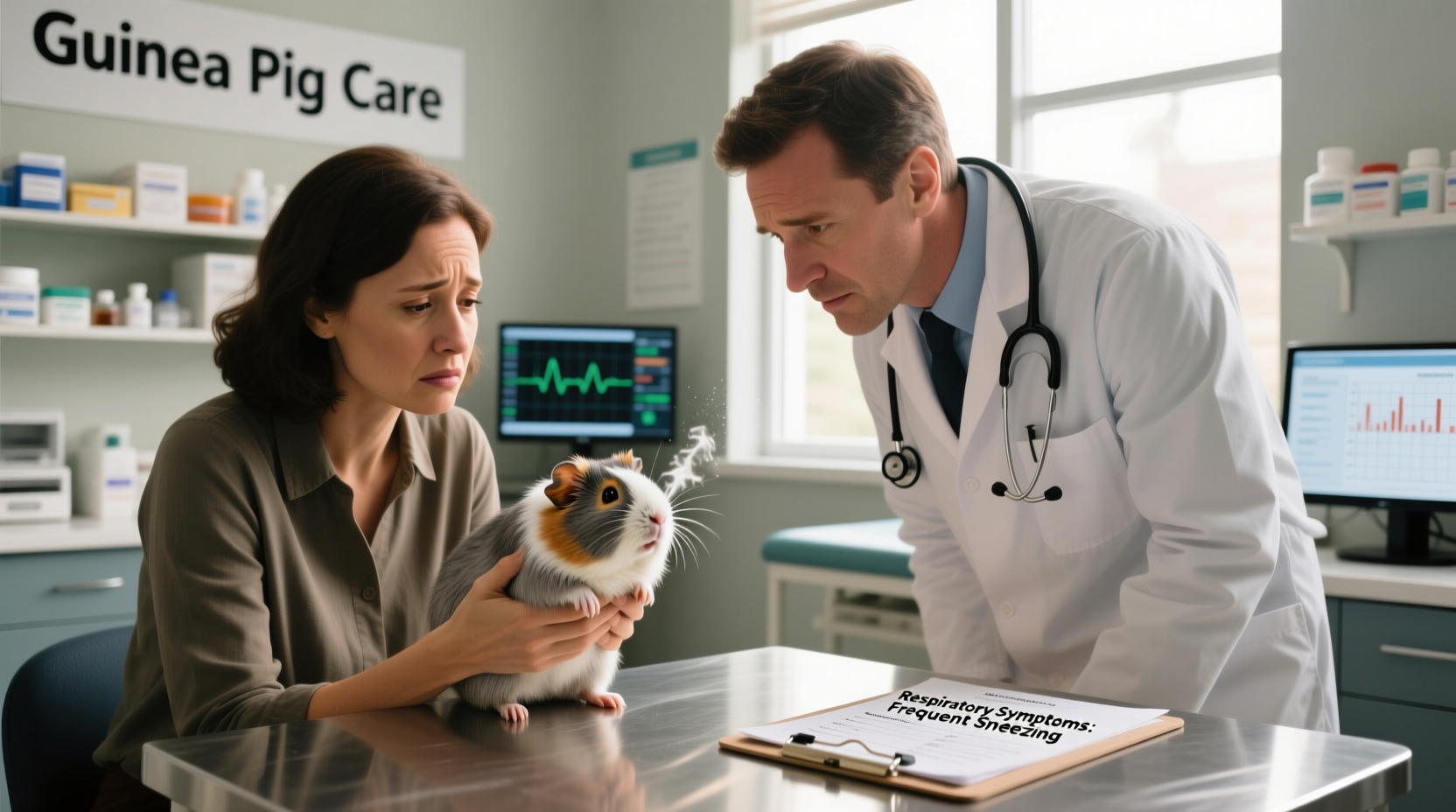
Sneezing in guinea pigs is not always a sign of illness. In fact, many non-medical factors can trigger this reflex. However, distinguishing between harmless irritation and potential disease is essential for responsible pet ownership.
Environmental Irritants
Guinea pigs have delicate respiratory systems, making them highly susceptible to airborne particles. Dust from bedding, hay, or cleaning products can easily irritate their nasal passages.
- Dusty hay: Poor-quality hay often contains fine particles that become airborne when disturbed.
- Bedding materials: Cedar and pine shavings release aromatic oils and dust that can inflame airways.
- Cleaning agents: Strong-smelling disinfectants or aerosols near the cage may cause irritation.
- Airborne dust: Household dust, smoke, or perfumes can also contribute.
Allergies and Sensitivities
Though less commonly diagnosed than in humans, guinea pigs can exhibit allergic-like reactions to certain substances. These may include pollen, mold spores, or even ingredients in food. Symptoms often mimic mild respiratory infections but don’t worsen over time if the allergen is removed.
Upper Respiratory Infections (URIs)
Bacterial infections are one of the most serious causes of chronic sneezing. Common pathogens include *Streptococcus pneumoniae*, *Bordetella bronchiseptica*, and *Pasteurella multocida*. These infections often start with sneezing but progress to more severe symptoms if untreated.
Dental Problems
Guinea pigs’ teeth grow continuously, and misalignment or overgrowth can lead to root elongation into the nasal cavity. This pressure can cause inflammation and result in sneezing, often accompanied by difficulty eating or drooling.
Nasal Foreign Bodies
Although rare, small pieces of hay or bedding can become lodged in the nasal passage, causing irritation and repeated sneezing on one side. This usually presents with pawing at the face or visible discomfort.
When Sneezing Is Normal vs. When It’s a Concern
Not every sneeze requires a trip to the vet. Occasional sneezing—especially during cage cleaning or when introducing new hay—is typically benign. The key is observing patterns and accompanying symptoms.
| Normal Sneezing | Potentially Problematic Sneezing |
|---|---|
| Occurs once or twice daily | Happens multiple times per hour |
| No discharge from nose or eyes | Watery, yellow, or crusty discharge present |
| Active, eating normally | Lethargic, reduced appetite |
| Only during specific activities (e.g., hay handling) | Constant, unrelated to environment |
| No wheezing or labored breathing | Raspy breathing, open-mouth breathing |
“Respiratory issues in guinea pigs can deteriorate rapidly. Early intervention significantly improves outcomes.” — Dr. Laura Bennett, Exotic Animal Veterinarian
Step-by-Step Guide to Assessing Your Guinea Pig’s Condition
If your guinea pig is sneezing frequently, follow this timeline to evaluate whether veterinary care is needed:
- Day 1: Observe and isolate triggers
Monitor when sneezing occurs. Is it during feeding? After cleaning? Note any patterns. Remove potential irritants like scented cleaners or dusty bedding. - Day 2–3: Check for secondary symptoms
Look closely for nasal discharge, eye gunk, changes in appetite, or reduced activity. Weigh your guinea pig if possible; sudden weight loss is a red flag. - Day 4: Improve environment
Switch to dust-free hay, clean the cage thoroughly with mild vinegar solution, and ensure good ventilation without drafts. Avoid using air fresheners nearby. - Day 5–7: Reassess
If sneezing persists beyond a week despite environmental improvements, or if symptoms worsen, contact a veterinarian experienced with small mammals. - Immediate action if: Your guinea pig shows labored breathing, stops eating, has green/yellow nasal discharge, or becomes lethargic. These require same-day veterinary attention.
What to Expect During a Veterinary Visit
When you bring your guinea pig to the vet for sneezing, the veterinarian will conduct a thorough examination. Be prepared to provide details about diet, bedding, recent changes, and symptom onset.
Diagnostic Procedures May Include:
- Physical exam: Listening to lungs, checking teeth alignment, examining eyes and nose.
- Nasal swabs: To identify bacterial or viral infections.
- X-rays: Especially if dental disease or pneumonia is suspected.
- Weight assessment: Sudden weight loss indicates illness progression.
Treatment depends on diagnosis. Bacterial infections typically require antibiotics such as enrofloxacin or trimethoprim-sulfamethoxazole, but dosages must be carefully calibrated for guinea pigs. Never administer medication without veterinary guidance—many common drugs are toxic to them.
Preventive Care Checklist
Maintaining a healthy environment is the best way to prevent respiratory issues. Use this checklist to minimize risk factors:
- ✅ Use low-dust, timothy-based hay (avoid alfalfa unless recommended for young or pregnant piggies)
- ✅ Choose safe bedding: paper-based, aspen, or fleece—never cedar or pine
- ✅ Clean the cage weekly with mild, unscented cleaners (e.g., diluted white vinegar)
- ✅ Provide adequate ventilation without direct drafts
- ✅ Feed fresh vegetables daily for vitamin C—guinea pigs cannot produce it themselves
- ✅ Schedule annual check-ups with an exotic vet
- ✅ Monitor weight weekly—use a kitchen scale for accuracy
- ✅ Quarantine new guinea pigs for at least two weeks before introducing them
Mini Case Study: Bella the Frequent Sneezer
Bella, a two-year-old female guinea pig, began sneezing several times a day after her owner switched to a cheaper brand of hay. At first, the owner assumed it was harmless, especially since Bella was still eating and playing normally. Over the next ten days, however, the sneezing increased, and a slight watery discharge appeared from her left nostril.
The owner switched back to premium low-dust hay and cleaned the cage thoroughly. When there was no improvement after three days, she contacted an exotic vet. Upon examination, Bella showed mild signs of rhinitis. A nasal swab revealed *Bordetella bronchiseptica*. She was prescribed a course of antibiotics and recovered fully within two weeks.
This case highlights how seemingly minor changes—like switching hay—can trigger health issues, and why timely vet intervention prevents complications.
Frequently Asked Questions
Can guinea pigs catch colds from humans?
No, guinea pigs cannot catch human cold viruses. However, they are prone to bacterial respiratory infections that may resemble colds. While you won’t give your guinea pig your cold, poor hygiene (e.g., handling them after being sick) can introduce harmful bacteria.
Is it safe to use a humidifier if my guinea pig is sneezing?
Only under veterinary advice. While dry air can irritate airways, excessive humidity promotes mold and bacterial growth in bedding. If used, keep the humidifier at a distance and monitor cage moisture levels closely.
How long does a guinea pig URI last if treated?
With proper antibiotic treatment, improvement is usually seen within 48–72 hours, though full recovery may take 2–4 weeks. Completing the entire course of medication is crucial to prevent relapse or antibiotic resistance.
Conclusion: Prioritize Proactive Care
Frequent sneezing in guinea pigs should never be dismissed outright. While sometimes caused by simple irritants, it can also be the first warning sign of infection, dental issues, or environmental hazards. By understanding the context—frequency, associated symptoms, and living conditions—you can make informed decisions about when to act.
Their small size and fast metabolism mean that illnesses progress quickly. Waiting too long to seek help can turn a manageable condition into a life-threatening one. With attentive observation, preventive measures, and access to an experienced exotic veterinarian, you can ensure your guinea pig lives a long, comfortable life—sneeze-free and full of vitality.




 浙公网安备
33010002000092号
浙公网安备
33010002000092号 浙B2-20120091-4
Comments
No comments yet. Why don't you start the discussion?