
Guinea pigs are among the most expressive small pets, relying heavily on vocalizations to communicate with their owners and fellow rodents. If your guinea pig is squeaking nonstop, it’s natural to wonder what’s behind the noise—and whether it signals distress, excitement, or something more serious. While some squeaking is perfectly normal, constant or intense vocalization can indicate discomfort, fear, or health issues that warrant attention. Understanding the nuances of guinea pig sounds helps you respond appropriately and strengthen your bond with your pet.
The Language of Squeaks: Common Guinea Pig Vocalizations
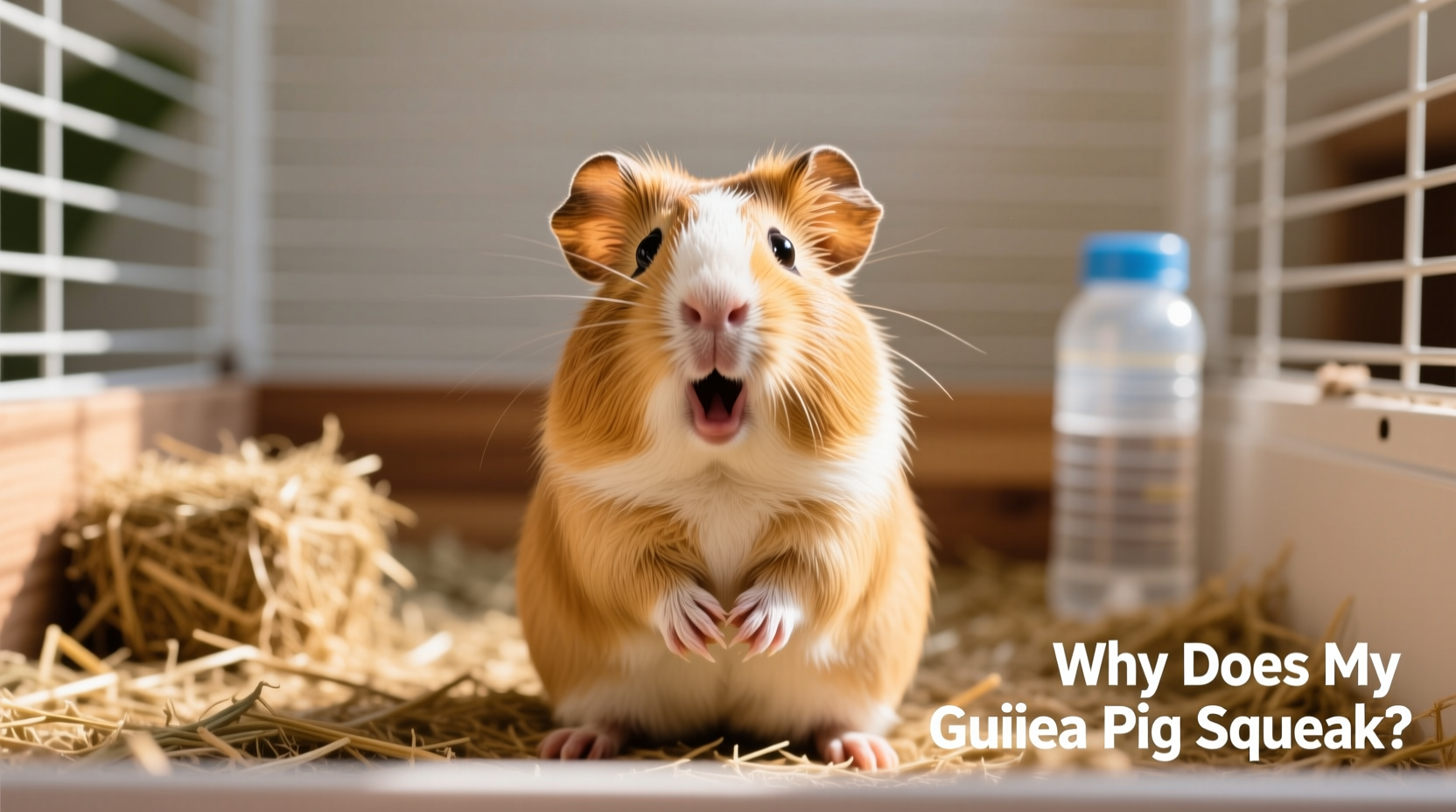
Guinea pigs don’t have words, but they do have a surprisingly complex range of vocal expressions. Each sound serves a specific purpose in communication, from signaling hunger to expressing annoyance. Recognizing these sounds is the first step in interpreting your pet’s emotional and physical state.
- Wheeking: A high-pitched, rapid squeal often heard at feeding time. This excited call indicates anticipation—your guinea pig has learned that food is coming.
- Purring: A low, rumbling sound made when content, especially during gentle petting. Some purring may also occur during exploration, though deeper purrs can signal discomfort.
- Chutting: A soft, rhythmic clicking or chattering noise associated with curiosity or mild interest in surroundings.
- Teeth Chattering: A sharp, clicking sound made when agitated or threatened. It’s a warning sign to back off or avoid confrontation.
- Shrieking: A loud, piercing scream indicating extreme fear, pain, or perceived danger.
- Whining or High-Pitched Sustained Squealing: Often linked to pain, loneliness, or stress, particularly in younger or newly introduced animals.
Why Your Guinea Pig Might Be Squeaking Constantly
Continuous squeaking isn’t always alarming, but context matters. The frequency, pitch, and accompanying behaviors determine whether the behavior is benign or concerning.
Hunger or Expectation (Wheeking)
One of the most common reasons for persistent squeaking is food-related. Guinea pigs quickly learn routines and will wheek loudly when they expect a meal or treat. This is especially noticeable if you’re near their cage or kitchen area. While not harmful, excessive expectation-based vocalization can become habitual.
Social Needs and Loneliness
Guinea pigs are social animals. A single guinea pig housed alone may squeak frequently out of boredom or longing for companionship. In the wild, they live in groups and rely on contact calls to stay connected. A lonely guinea pig might emit soft whines or repetitive squeals throughout the day.
“Persistent vocalization in solitary guinea pigs often reflects psychological distress. Pair housing significantly reduces anxiety-related noises.” — Dr. Rebecca Langford, Exotic Animal Veterinarian
Mating Behavior and Hormonal Influences
Unneutered males may squeak persistently when near a female in heat. This is part of the courtship ritual known as \"rumblestrutting,\" which includes pelvic thrusting and low-frequency purring. Females may also vocalize more during estrus cycles, which occur every 15–17 days.
Pain or Discomfort
Sharp, repeated squeals—especially when handled or moving—can indicate underlying pain. Common causes include dental issues (such as overgrown molars), urinary tract infections, bloat, or injuries. Unlike excitement squeaks, pain-induced vocalizations are often sudden, intense, and accompanied by lethargy or reduced appetite.
Fear or Environmental Stress
Loud noises, sudden movements, unfamiliar people, or new environments can trigger constant high-pitched squeaking. This is an acute stress response meant to alert others in the group. Over time, chronic exposure to stressors may lead to ongoing vocalization even in calm settings.
When Constant Squeaking Should Worry You
Not all squeaking requires intervention, but certain signs suggest your guinea pig needs immediate care. Ignoring these red flags can lead to worsening health conditions.
| Vocalization Type | Context | Concern Level | Action Required |
|---|---|---|---|
| Wheeking | Feeding time, owner approaches | Low | None; ensure regular feeding schedule |
| Soft Whining | Alone, inactive periods | Medium | Consider companion pairing |
| Shrieking/Screaming | Sudden handling, unknown cause | High | Immediate veterinary check |
| Constant High-Pitched Squealing | During movement or rest | High | Rule out pain or illness |
| Intermittent Purring + Teeth Chatter | Near another guinea pig | Medium | Monitor for aggression |
Physical Signs That Accompany Problematic Squeaking
Pay close attention to additional symptoms that may accompany excessive vocalization:
- Loss of appetite or difficulty eating
- Reduced fecal output or diarrhea
- Limited mobility or hunched posture
- Drooling or wetness around the mouth
- Labored breathing or nasal discharge
- Swelling, limping, or visible wounds
If your guinea pig squeaks constantly and shows any of these signs, schedule a vet visit within 24 hours. Delaying treatment can be life-threatening due to their rapid metabolism and sensitivity to pain.
Step-by-Step Guide to Addressing Excessive Squeaking
Follow this timeline to assess and resolve the cause of persistent squeaking:
- Day 1 – Observe and Document: Note the type, duration, and timing of squeaks. Record what happens before and after each episode (e.g., feeding, handling, noise).
- Day 2 – Assess Environment: Check for stressors like loud appliances, predators (cats/dogs nearby), poor ventilation, or extreme temperatures. Ensure the cage is in a quiet, stable area.
- Day 3 – Evaluate Social Needs: If housed alone, consider introducing a compatible companion. Do so gradually under supervision using a divided cage first.
- Day 4 – Review Diet and Routine: Confirm fresh hay is available 24/7, vitamin C-rich vegetables are provided daily, and water is clean. Adjust feeding times if wheeking is routine-based.
- Day 5 – Perform Gentle Handling Check: Carefully examine your guinea pig for signs of injury, dental problems, or bloating. Avoid forcing interaction if resistance is shown.
- Day 6 – Consult a Vet if Needed: If squeaking persists without clear cause or worsens, book an appointment with an exotic veterinarian experienced with rodents.
Mini Case Study: Bella the Lonely Guinea Pig
Sarah adopted Bella, a young female guinea pig, after seeing her at a local shelter. Within days, she noticed Bella squeaked constantly—especially in the evenings. The sound was high-pitched and seemed frantic, occurring even when Sarah offered food or tried to pet her.
Initially, Sarah assumed Bella was hungry or wanted attention. She increased feeding and handling, but the squeaking continued. Concerned, she recorded a video and sent it to a guinea pig rescue group. An expert pointed out that the vocalizations resembled isolation calls.
After researching, Sarah introduced a neutered male guinea pig named Milo using a gradual bonding method. Within a week of successful pairing, Bella’s constant squeaking decreased dramatically. She still wheeked at mealtimes but no longer emitted distress calls. Sarah realized that while she loved Bella deeply, she couldn’t replace the companionship of another guinea pig.
This case highlights how misinterpreting vocalizations can delay proper solutions. Emotional needs are just as critical as physical ones in guinea pig care.
Prevention and Long-Term Wellbeing Strategies
Reducing unnecessary squeaking involves creating a stable, enriched environment tailored to guinea pig instincts.
Do’s and Don’ts of Responding to Squeaking
| Do’s | Don’ts |
|---|---|
| Respond calmly to shrieks by checking for danger | Yell or clap to stop the noise |
| Provide companionship through safe pairings | Force two guinea pigs to bond overnight |
| Maintain consistent feeding times | Reward squeaking with treats (reinforces behavior) |
| Use soft voices to reassure during stress | Ignore prolonged screaming or pain cries |
| Seek vet advice for unexplained vocal changes | Assume all squeaking is “normal” |
FAQ: Common Questions About Guinea Pig Squeaking
Is it normal for my guinea pig to squeak all day?
Occasional squeaking is normal, but constant vocalization throughout the day is not typical. It usually points to unmet needs such as hunger, loneliness, or environmental stress. Persistent squeaking should be investigated rather than dismissed.
Can guinea pigs scream themselves sick?
While they won’t literally scream themselves sick, prolonged stress from fear or pain increases cortisol levels, weakens immunity, and can exacerbate existing health issues. Chronic stress shortens lifespan and reduces quality of life.
Will getting a friend stop my guinea pig from squeaking?
In many cases, yes—especially if the squeaking stems from loneliness. However, improper introductions can increase tension and vocal conflict. Always follow proper bonding procedures and monitor interactions closely.
Conclusion: Listen With Care, Act With Confidence
Your guinea pig’s squeaks are more than random noise—they’re messages. By learning to distinguish between joyful wheeks and cries of distress, you become a better advocate for your pet’s wellbeing. Most constant squeaking can be resolved with adjustments to diet, environment, or social structure. But when in doubt, err on the side of caution and consult a qualified veterinarian.
Guinea pigs depend entirely on their caregivers to interpret their world. The more attentively you listen today, the healthier and happier your companion will be tomorrow.




 浙公网安备
33010002000092号
浙公网安备
33010002000092号 浙B2-20120091-4
Comments
No comments yet. Why don't you start the discussion?