
Guinea pigs are naturally vocal animals, and their wide range of sounds plays a crucial role in communication—both with humans and other guinea pigs. If your pet seems to be squeaking nonstop, it’s natural to wonder whether this behavior is normal or a sign of distress. The truth is, constant squeaking can indicate anything from excitement to discomfort, depending on the context, tone, and accompanying body language. Understanding the nuances behind these vocalizations allows you to respond appropriately, strengthen your bond, and ensure your guinea pig's well-being.
The Language of Guinea Pigs: Why They Squeak
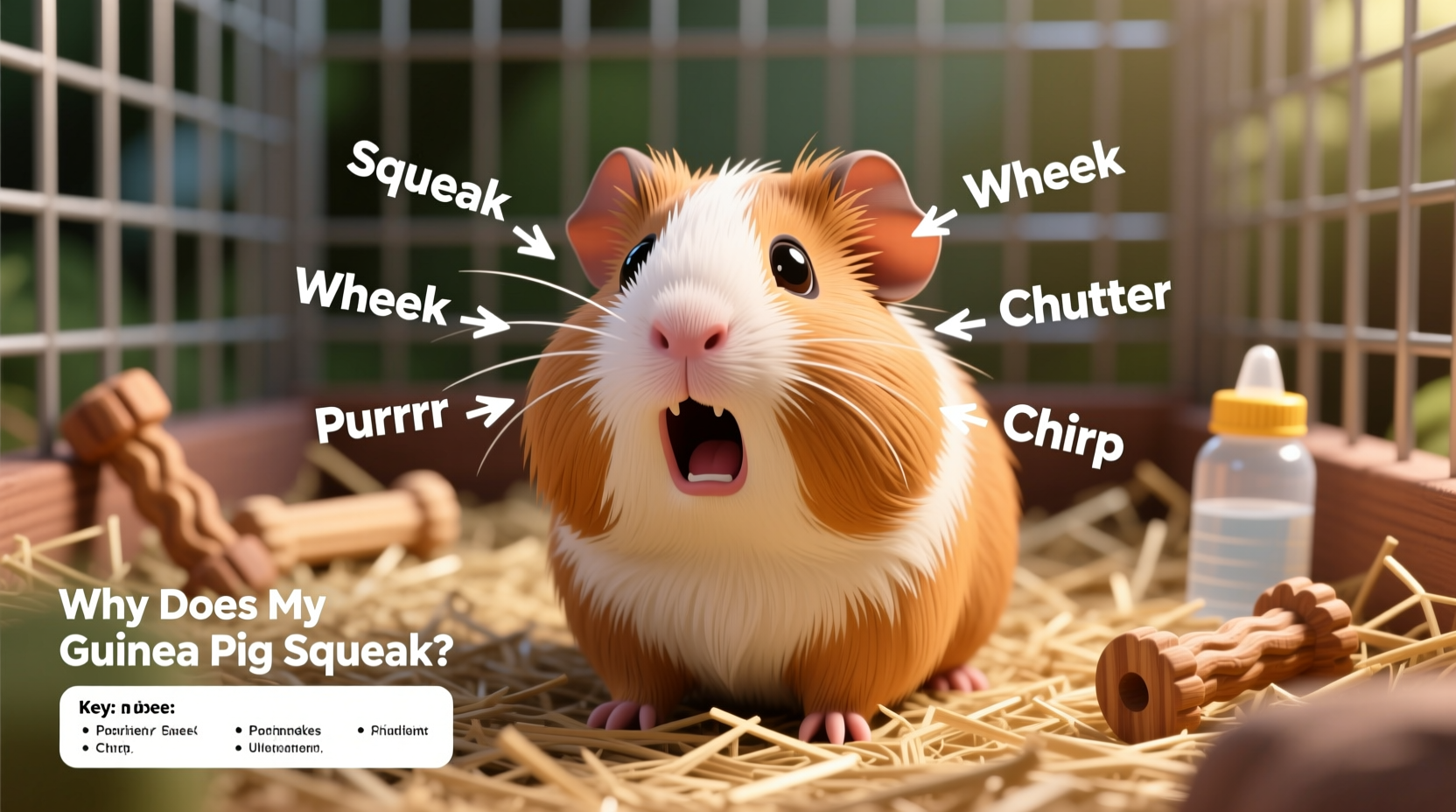
Unlike many small pets that remain relatively quiet, guinea pigs evolved as social herd animals in the wild. In their native Andean habitats, staying in contact with group members was essential for survival. This instinct remains strong today, even in domesticated pets. Vocalizations help them express emotions, signal needs, and maintain social bonds. While some guinea pigs are naturally more talkative than others, persistent squeaking often reflects an unmet need or heightened emotional state.
It's important not to assume all squeaking is negative. In fact, many sounds are perfectly healthy expressions of emotion. However, when squeaking becomes excessive or is accompanied by behavioral changes—such as lethargy, loss of appetite, or aggression—it may point to underlying issues requiring attention.
Decoding Common Guinea Pig Sounds
Guinea pigs produce a variety of distinct sounds, each with its own meaning. Learning to differentiate between them helps you interpret your pet’s mood and respond effectively.
Wheeking
This loud, high-pitched squeal—often repeated rapidly—is one of the most recognizable guinea pig sounds. Wheeking typically occurs when your pet anticipates food, especially if they associate your presence with feeding time. It’s their way of calling out, “I’m hungry!” While not a sign of distress, excessive wheeking outside mealtimes might suggest your guinea pig isn’t getting enough hay or enrichment.
Purring
Guinea pigs can produce a soft, vibrating purr, similar to a cat. However, the meaning depends on the context. A low, steady purr usually indicates contentment, especially when your guinea pig is being gently petted. In contrast, a higher-pitched, shuddering purr may signal annoyance or discomfort, particularly if they want to be left alone.
Chutting and Chirping
“Chutting” resembles a soft, rhythmic clicking or clucking sound, often made while exploring or during relaxed social interactions. It suggests calm curiosity. Rarely, guinea pigs emit bird-like “chirps,” a poorly understood vocalization sometimes linked to confusion, loneliness, or even cognitive strain. Long-term solitary guinea pigs may chirp more frequently, suggesting a need for companionship.
Teeth Chattering
A sharp, clicking noise made by rapidly grinding teeth is a clear warning sign. Teeth chattering indicates fear, agitation, or territorial defense. It’s commonly heard during disputes between guinea pigs or when a shy pet feels threatened by handling. Respect this signal by giving space and avoiding sudden movements.
Shrieking or Alarm Calls
A sudden, piercing scream is a distress call. Your guinea pig may shriek if startled, injured, or feeling extreme fear—such as during a predator scare (even from a vacuum cleaner). Immediate investigation is warranted if this sound occurs frequently.
“Guinea pigs rely heavily on auditory signals because they’re prey animals. Their vocal repertoire is sophisticated and directly tied to emotional states.” — Dr. Lena Reyes, Exotic Animal Behavior Specialist
When Constant Squeaking Signals a Problem
Occasional squeaking is normal, but constant vocalization—especially if new or intensified—deserves closer inspection. Persistent sounds may reflect physical discomfort, environmental stress, or social needs.
Pain or Illness
Guinea pigs are masters at hiding illness, but vocal cues can be early red flags. A pig that continuously emits high-pitched whimpers or short, strained squeaks may be experiencing pain, such as from dental disease, urinary stones, or gastrointestinal issues. Other signs to watch for include hunched posture, labored breathing, reduced movement, or changes in droppings.
Lack of Companionship
As highly social animals, guinea pigs can become lonely and anxious without a same-species companion. A single guinea pig may squeak excessively out of boredom or longing for interaction. While human attention helps, it doesn’t fully replace the comfort of another guinea pig. Consider pairing a lone pet with a compatible friend—after proper introduction protocols.
Environmental Stressors
Noisy households, sudden movements, or an improperly sized cage can cause chronic anxiety. Guinea pigs in overly small enclosures or those housed near loud appliances may vocalize more due to frustration or fear. Ensure their habitat includes hiding spots, soft bedding, and quiet placement away from foot traffic and predators like cats or dogs.
Hunger or Thirst
Frequent wheeking around feeding times is expected, but constant food-related vocalizing could mean your guinea pig isn’t receiving enough hay—the cornerstone of their diet. An adult guinea pig should have unlimited access to fresh timothy hay. Inadequate fiber leads to digestive issues and increased vocal demands.
What to Do: A Step-by-Step Guide to Responding to Excessive Squeaking
If your guinea pig is squeaking more than usual, follow this practical sequence to identify and resolve the cause.
- Observe the context. Note when the squeaking happens—during handling, feeding, alone time, or at night. Is it isolated or continuous?
- Assess body language. Look for signs of fear (flattened ears, freezing), pain (hunched back, reluctance to move), or excitement (darting around, nose twitching).
- Check the environment. Is the cage clean, spacious (at least 7.5 sq ft for two pigs), and free from drafts or loud noises? Are hides and chew toys available?
- Evaluate diet. Confirm unlimited hay, daily fresh vegetables (e.g., bell peppers, leafy greens), and fresh water. Avoid sudden dietary changes.
- Determine social needs. Is your guinea pig alone? If so, consider introducing a same-sex companion slowly over several days using a divided cage method.
- Consult a vet if needed. If squeaking persists alongside weight loss, eye discharge, or abnormal feces, schedule an appointment with an exotic veterinarian.
Do’s and Don’ts: Managing Vocal Behavior
| Action | Do | Don’t |
|---|---|---|
| Responding to squeaks | Pause and assess the cause before reacting | Reward every squeak with treats or attention (can reinforce demand behavior) |
| Handling | Approach calmly, support fully, and respect boundaries | Grab suddenly or hold too long, especially if teeth chattering occurs |
| Cage setup | Provide multiple hides, tunnels, and soft bedding | Use wire flooring or overcrowd the enclosure |
| Socialization | Introduce new pigs gradually with neutral territory meetings | Force cohabitation without quarantine or supervision |
| Diet | Offer vitamin C-rich veggies daily and fresh hay at all times | Feed excessive pellets or sugary fruits |
Real-Life Example: Addressing Loneliness in a Single Guinea Pig
Sarah adopted a young male guinea pig named Nibbles after seeing him at a shelter. At first, Nibbles seemed happy—eating well and exploring his cage. But within weeks, Sarah noticed he began squeaking constantly, especially when she left the room. The wheeking intensified at night, disrupting her sleep.
After ruling out medical issues with a vet visit, Sarah realized Nibbles was lonely. She researched proper pairing techniques and introduced a neutered male companion, Pip, over a ten-day period using a split cage and supervised floor time. Within days, Nibbles’ constant squeaking decreased significantly. The two now spend hours chutting softly to each other and huddling in their shared hideout. Sarah still interacts with them daily, but the pair primarily comfort each other—a natural dynamic she hadn’t initially considered.
FAQ: Common Questions About Guinea Pig Squeaking
Is it normal for my guinea pig to squeak all day?
Not usually. While occasional vocalizations are typical, all-day squeaking often points to hunger, loneliness, or stress. Evaluate diet, companionship, and environment to identify the trigger. If no improvements occur, consult a veterinarian.
Why does my guinea pig squeak when I pick it up?
Squeaking during handling can mean excitement, fear, or discomfort. If the sound is high-pitched and accompanied by struggling, your guinea pig may feel insecure. Practice gentle, supported holds and limit handling time until trust builds. Always let your pet initiate contact when possible.
Can guinea pigs squeak in their sleep?
Occasionally, yes. Soft chutters or brief squeaks during rest may occur during REM-like sleep phases. However, frequent or loud nighttime sounds warrant investigation into cage placement, temperature, or potential disturbances.
Final Thoughts: Listening with Empathy
Your guinea pig’s squeaks are more than random noise—they’re a window into their emotional and physical world. By learning to distinguish between a joyful wheek and a distressed shriek, you become a more attuned caregiver. Remember, silence isn’t always better; a healthy guinea pig will vocalize regularly. What matters is recognizing patterns, responding with compassion, and creating an environment where their voice is heard and understood.




 浙公网安备
33010002000092号
浙公网安备
33010002000092号 浙B2-20120091-4
Comments
No comments yet. Why don't you start the discussion?