
Guinea pigs are expressive animals that rely heavily on vocalizations to communicate their emotions and needs. If your guinea pig is squeaking constantly, you're likely wondering whether this behavior reflects joy, discomfort, or distress. Understanding the nuances of these sounds is essential for responsible pet ownership. Unlike cats or dogs, guinea pigs don’t bark or meow in predictable patterns—instead, they use a range of high-pitched calls that can sound similar but mean very different things depending on context, tone, and frequency.
Decoding your guinea pig’s squeaks isn’t just about curiosity—it directly impacts their well-being. Misinterpreting a cry for help as excitement could delay necessary care, while assuming every noise indicates fear might lead to unnecessary interventions. This guide breaks down the science and behavior behind guinea pig vocalizations, helping you confidently assess your pet’s emotional state and take appropriate action.
The Language of Squeaks: Common Guinea Pig Vocalizations
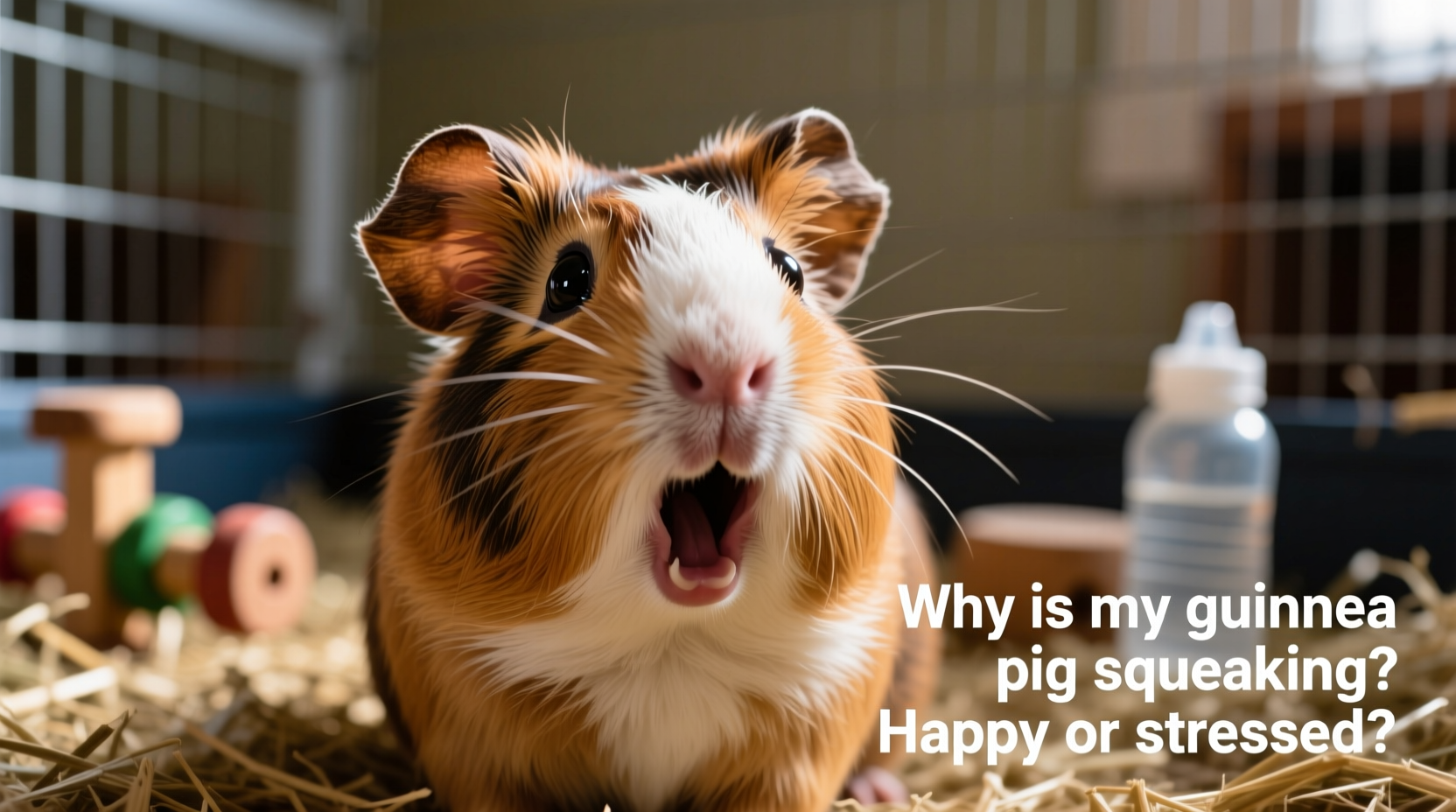
Guinea pigs have evolved a complex system of vocal communication to interact with their environment and social group. Researchers have identified at least five distinct types of vocalizations, each serving a specific purpose. The most commonly heard include the \"wheek,\" \"chuckle,\" \"rumble,\" \"chirp,\" and various forms of squealing. While some sounds are easy to confuse, subtle differences in pitch, duration, and repetition reveal critical clues about your pet’s internal state.
- Wheeking: A loud, high-pitched squeal often made when anticipating food. It’s repetitive and urgent-sounding.
- Purring: A soft, vibrating sound indicating contentment—especially during gentle handling.
- Chutting: A rhythmic clicking or bubbling noise associated with exploration or mild excitement.
- Rumbling: A deep, low-frequency vibration used during dominance displays or mating behavior.
- Teeth chattering: A sharp clicking sound signaling aggression or discomfort.
Squeaking—particularly loud, piercing, or continuous versions—is usually categorized under “distress calls” or “contact calls.” However, context determines meaning. A single high-pitched squeak during play may be harmless, whereas constant, frantic squealing suggests something more serious.
When Squeaking Means Happiness: The Positive Contexts
Not all squeaking is cause for concern. In fact, one of the most common reasons guinea pigs emit high-pitched noises is anticipation—particularly around mealtime. Known as \"wheeking,\" this behavior typically occurs when they hear the rustle of a food bag, see their owner approaching, or smell fresh vegetables. These squeaks are rapid, repetitive, and often escalate in volume as the reward nears.
This type of vocalization is rooted in learned association. Guinea pigs quickly connect certain sounds (like opening a fridge or washing lettuce) with positive outcomes. Over time, they develop a conditioned response—similar to Pavlov’s dogs—where the mere hint of food triggers an excited squeal. Such behavior is normal and even healthy; it shows your pet is alert, engaged, and emotionally responsive.
Another sign of positive engagement is soft, intermittent squeaking during social interaction. When two bonded guinea pigs greet each other, they may exchange short, high-pitched calls—a kind of verbal handshake. Similarly, young pups often squeak while playing or exploring new spaces, reflecting curiosity rather than fear.
“Guinea pigs that vocalize frequently in safe environments tend to be more socially integrated and mentally stimulated.” — Dr. Laura Simmons, Exotic Animal Behavior Specialist
Signs of Stress or Discomfort Behind Constant Squeaking
While occasional squeaks are normal, persistent or intense vocalizations often signal distress. Stress-induced squeaking tends to be sharper, longer, and more erratic than the rhythmic wheeks of excitement. It may occur suddenly during handling, after cage cleaning, or when introduced to a new animal.
Common stressors include:
- Sudden loud noises (vacuum cleaners, shouting)
- Overhandling or improper picking up
- Cage mate conflicts or isolation
- Drafts, extreme temperatures, or poor ventilation
- Pain from dental issues, infections, or injury
A key indicator of discomfort is the presence of other behavioral cues. A stressed guinea pig may freeze in place, flatten its body against the ground, or attempt to flee. Teeth chattering, rapid breathing, or refusal to eat accompany prolonged squealing in painful conditions. Unlike happy wheeking, which stops once food is provided, stress-related squeaks persist until the trigger is removed—or worsen over time.
Medical Causes of Excessive Vocalization
In some cases, constant squeaking points to underlying health problems. Guinea pigs are prey animals and naturally hide signs of illness, making vocal expressions one of the few observable indicators of pain. Conditions such as urinary tract infections, gastrointestinal stasis, respiratory infections, or pododermatitis (bumblefoot) can cause chronic discomfort that manifests through frequent squealing.
Dental disease is especially prevalent due to their continuously growing teeth. Misaligned molars or spurs can make chewing painful, leading to whimpers or squeaks during eating. If your guinea pig squeaks while nibbling hay or drops food mid-chew, schedule a veterinary exam with an exotic specialist immediately.
How to Respond: A Step-by-Step Guide to Assessing Squeaking Behavior
When your guinea pig begins squeaking nonstop, follow this structured approach to determine the cause and take effective action.
- Observe the timing and pattern: Is the squeaking happening at feeding time? During quiet hours? After handling?
- Note accompanying behaviors: Look for hiding, teeth grinding, lethargy, or aggressive posturing.
- Check recent changes: Have you introduced new food, bedding, or cage mates? Was there a loud event nearby?
- Inspect physical condition: Check eyes, nose, rear end, and feet for discharge, swelling, or sores.
- Test responsiveness: Offer favorite food. A happy guinea pig will usually stop squeaking and eat. One in pain may ignore food entirely.
- Isolate if needed: If housing multiple guinea pigs, separate them temporarily to rule out bullying.
- Contact a vet: If squeaking persists beyond 24 hours without clear cause, consult an exotic animal veterinarian.
This methodical process prevents overreaction while ensuring genuine issues aren't overlooked. Remember: early intervention significantly improves outcomes for treatable conditions.
Do’s and Don’ts: Managing Vocalization Through Environment
| Do | Don’t |
|---|---|
| Provide consistent daily routines for feeding and interaction | Suddenly change cage layout or introduce new pets without quarantine |
| Use soft voices and slow movements around the enclosure | Yell, clap, or create loud noises near their space |
| Offer hiding places like tunnels and covered huts | House them in open-top cages where predators (real or perceived) can loom overhead |
| Handle gently, supporting full body weight | Grab or dangle them by the scruff or limbs |
| Introduce enrichment items gradually (new toys, cardboard boxes) | Flood the cage with too many changes at once |
Real-Life Example: Bella the Anxious Piggy
Maria adopted two female guinea pigs, Luna and Bella, from a local rescue. Initially, both seemed energetic and vocal. But within days, Maria noticed Bella was squeaking constantly—even at night—while Luna remained calm. Concerned, she reviewed her setup: same diet, same cage size, same bedding. There were no visible injuries.
After recording the sounds, Maria realized Bella’s squeaks were higher and more urgent than Luna’s playful wheeks. She also observed Bella darting away when picked up, unlike Luna who stayed still. Suspecting stress, Maria moved Bella’s food bowl to a quieter corner and added a second hideout. She began hand-feeding small treats daily to build trust.
Within a week, the constant squeaking decreased dramatically. A vet visit confirmed no medical issues. The diagnosis? Environmental anxiety exacerbated by Luna’s dominant personality. By adjusting the habitat and increasing positive reinforcement, Maria helped Bella feel secure—and the home grew noticeably quieter.
Expert Insight: What Veterinarians Say About Guinea Pig Sounds
“Many owners bring in guinea pigs thinking they’re just ‘noisy,’ only to discover chronic pain or social stress. Listening carefully to the quality of the squeak—its pitch, rhythm, and context—is often the first diagnostic tool we have.” — Dr. Alan Zhou, DVM, Exotic Medicine Practitioner
Veterinary experts emphasize that caregivers should treat persistent vocalization not as a behavioral quirk but as potential symptomatology. Unlike dogs or cats, guinea pigs rarely vocalize without reason. Each squeak serves a communicative function, whether seeking attention, expressing discomfort, or reacting to stimuli.
FAQ: Common Questions About Guinea Pig Squeaking
Is it normal for my guinea pig to squeak all day?
No, constant squeaking throughout the day is not typical. While brief periods of vocalization—especially around feeding—are normal, nonstop squealing suggests an unmet need, environmental stress, or health issue. Evaluate recent changes and monitor for additional symptoms.
Can guinea pigs scream?
They don’t scream in the human sense, but they can produce extremely loud, piercing squeals known as alarm calls. These occur when startled (e.g., by a predator or sudden movement) and serve to warn others in the group. Such sounds are brief but intense and usually followed by freezing or fleeing.
Why does my guinea pig squeak when I pet it?
It depends on the tone. Soft, intermittent squeaks may indicate enjoyment, especially if accompanied by purring. However, sharp, repeated squeaks during petting suggest discomfort or overstimulation. Respect your pet’s boundaries—some guinea pigs prefer limited handling and may never fully enjoy being touched.
Conclusion: Listen Closely, Act Wisely
Your guinea pig’s squeaks are more than random noise—they’re a window into their emotional and physical world. Whether expressing joyful anticipation or signaling hidden distress, these vocalizations demand attentive interpretation. By learning to differentiate between happy wheeks and anxious cries, you empower yourself to provide better care, prevent suffering, and deepen your bond with your pet.
Start today by observing your guinea pig’s sounds in different contexts. Keep notes, adjust their environment thoughtfully, and never hesitate to seek professional advice when something feels off. Responsible pet ownership isn’t just about food and shelter—it’s about listening with empathy and responding with knowledge.




 浙公网安备
33010002000092号
浙公网安备
33010002000092号 浙B2-20120091-4
Comments
No comments yet. Why don't you start the discussion?