
Guinea pigs are naturally vocal animals, expressing themselves through a range of sounds—from soft purring to sharp, high-pitched squeals. While some noises are perfectly normal, others can signal discomfort, fear, or even illness. As a responsible owner, understanding the nuances behind your guinea pig’s squeaking is essential for maintaining their well-being. Not every loud squeak means something is wrong, but knowing the context, frequency, and accompanying behaviors can help you determine whether it's time to intervene or simply observe.
This guide breaks down the common reasons for loud squeaking in guinea pigs, explains how to interpret these vocalizations, and outlines when it's necessary to seek veterinary care. By learning to read your pet’s cues, you’ll be better equipped to ensure they remain happy, healthy, and stress-free.
The Language of Squeaks: Common Vocalizations Explained
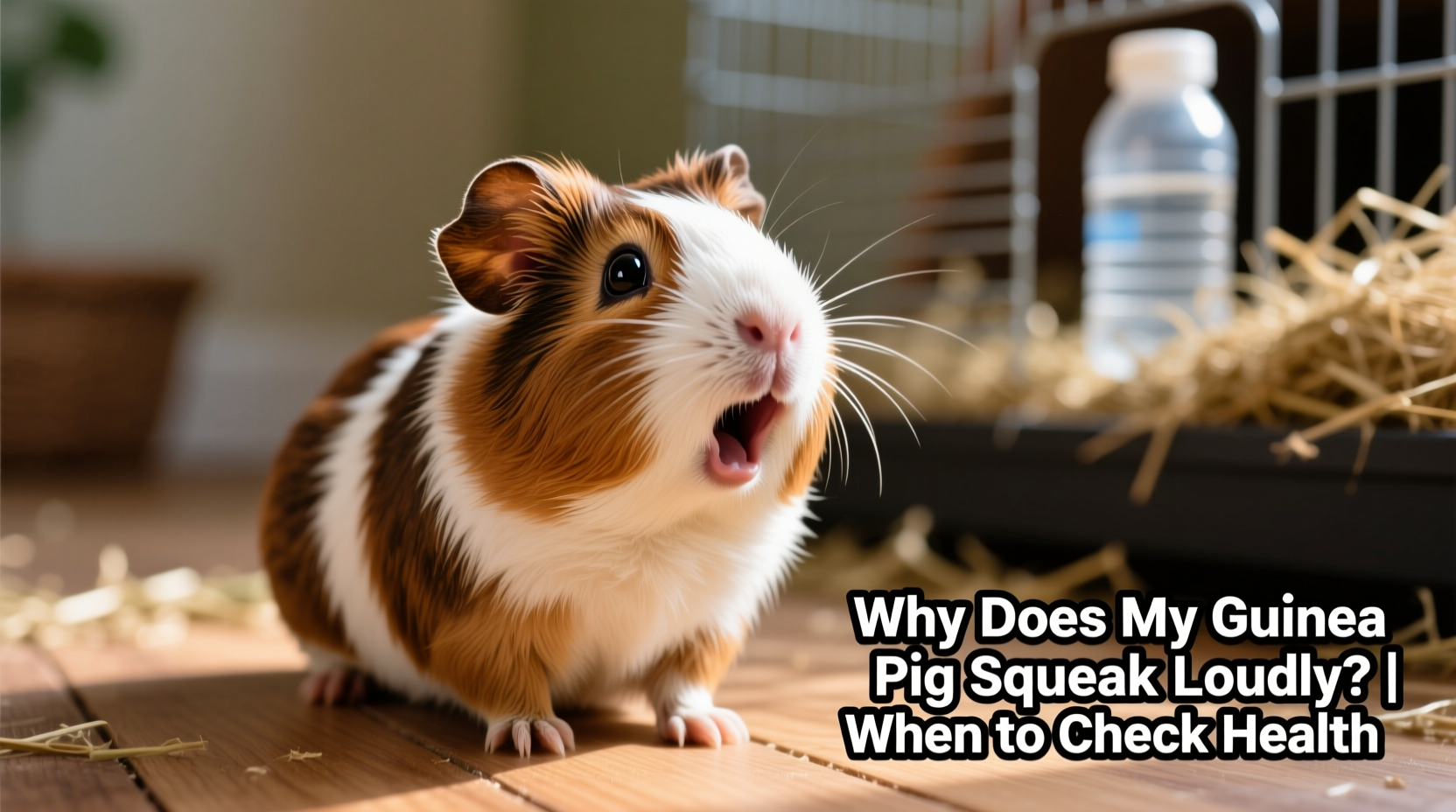
Guinea pigs rely heavily on sound to communicate with both humans and other guinea pigs. Their vocal repertoire includes chirping, rumbling, purring, teeth chattering, and various forms of squeaking. The most commonly heard squeak—sharp, high-pitched, and often repeated—is known as \"wheeking.\" However, not all squeaks are wheeks, and tone, volume, and repetition matter significantly.
- Wheeking: A rapid, repetitive squeal usually made when anticipating food or excitement. It’s often heard at feeding time or when you open a treat container.
- Purring: A low, vibrating sound that can indicate contentment—or discomfort if accompanied by stiffness.
- Chutting: A soft, rhythmic clicking noise associated with exploration or mild curiosity.
- Teeth Chattering: A warning sign indicating aggression or fear, often seen during territorial disputes.
- Screaming or Shrill Squealing: A sudden, piercing cry that signals pain, fear, or distress.
Loud squeaking falls into multiple categories depending on context. A single excited wheek is harmless; a prolonged, frantic scream may require immediate attention. The key lies in recognizing patterns and pairing sounds with behavior.
When Loud Squeaking Is Normal
Not all loud squeaks are cause for concern. In fact, many are part of natural communication and social interaction. Recognizing benign contexts helps prevent unnecessary worry.
Feeding Anticipation (Wheeking)
One of the most common reasons for loud squeaking is food-related excitement. Guinea pigs quickly learn routines and will wheek loudly when they hear the rustle of a food bag, see you approaching with vegetables, or anticipate treats. This behavior is learned and reinforced through positive association.
Social Communication
In multi-guinea pig households, squeaking is part of daily interaction. A dominant pig may emit short, sharp squeaks to assert space, while a subordinate may respond with softer calls. Playful chasing often includes intermittent squeaks, especially among young pigs.
Attention-Seeking
Guinea pigs bond closely with their owners and may squeak to gain attention. If you're nearby but not interacting, a few loud squeaks could simply mean “Notice me!” This is particularly common in affectionate or highly social individuals.
“Guinea pigs are emotionally expressive. Their squeaks aren’t random—they’re intentional communications shaped by environment and experience.” — Dr. Lena Torres, Exotic Animal Behavior Specialist
When Loud Squeaking Signals a Health Problem
While many squeaks are harmless, certain types—especially those that are sudden, intense, or persistent—can indicate underlying physical or emotional distress. These require careful observation and, in some cases, prompt veterinary evaluation.
Pain or Injury
A sharp, isolated scream or continuous high-pitched squealing may indicate acute pain. This could result from an injury (e.g., a trapped limb), internal discomfort, or conditions like bladder stones—a common issue in guinea pigs. Pain-related squeaks are often accompanied by immobility, hunched posture, or grinding teeth.
Dental Issues
Guinea pigs have continuously growing teeth. When molars become overgrown or develop spurs, chewing becomes painful. A pig may squeak when attempting to eat or even at rest due to mouth discomfort. Look for drooling, weight loss, or refusal to eat fibrous foods.
Respiratory Infection
Respiratory illnesses are serious in guinea pigs and may present with labored breathing, nasal discharge, lethargy—and sometimes squeaky or wheezing vocalizations. If squeaking sounds strained or occurs with each breath, infection is likely.
Fear or Stress
Sudden loud noises, unfamiliar environments, or aggressive cage mates can trigger fear-induced squealing. While not a direct health issue, chronic stress weakens the immune system and can lead to illness over time.
Reproductive Behavior
Unneutered males may emit loud, rhythmic squeaks during mating attempts. Females in heat may also vocalize more. While not harmful, this behavior can escalate into aggression or stress in shared enclosures.
Checklist: When to Investigate Further
If your guinea pig is squeaking loudly, use this checklist to determine whether veterinary care is needed:
- Is the squeaking constant or occurring in bursts without obvious triggers?
- Does your guinea pig appear hunched, bloated, or reluctant to move?
- Are there signs of drooling, reduced appetite, or weight loss?
- Is breathing rapid, shallow, or accompanied by wheezing?
- Have there been recent changes in diet, environment, or cage mates?
- Is the pig isolating itself from companions?
- Are there visible injuries, swelling, or discharge?
- Has the squeaking increased suddenly in frequency or intensity?
If you answer “yes” to two or more of these questions, contact an exotic veterinarian promptly. Early intervention significantly improves outcomes, especially for conditions like gastrointestinal stasis or respiratory infections.
Case Study: Recognizing Hidden Discomfort
Sarah adopted two guinea pigs, Daisy and Poppy, from a local rescue. For weeks, Daisy wheeked normally at feeding time, but Sarah began noticing occasional sharp squeals when Poppy approached the hay rack. At first, she assumed it was playful rivalry. Over time, however, Daisy started eating less and spending more time alone in the back of the cage.
Concerned, Sarah recorded a video of Daisy squeaking and took her to a vet specializing in small mammals. Upon examination, the vet discovered overgrown molars causing painful ulcers inside Daisy’s cheek. After a dental trim and anti-inflammatory treatment, Daisy’s vocalizations returned to normal, and her appetite improved within days.
This case illustrates how seemingly minor squeaking—especially when tied to specific actions like eating or social interaction—can mask serious health issues. Without attentive observation, dental pain might have gone unnoticed until it severely impacted Daisy’s quality of life.
Do’s and Don’ts: Responding to Loud Squeaking
| Do’s | Don’ts |
|---|---|
| Observe the context: time of day, activity, presence of other pigs. | Ignore repeated or intense squeals, even if your pig seems otherwise active. |
| Check for physical symptoms: drooling, eye/nose discharge, bloating. | Assume all squeaking is attention-seeking without ruling out pain. |
| Provide a quiet, safe space if your pig appears stressed. | Yell or clap to stop the noise—it increases fear and anxiety. |
| Contact a vet if squeaking persists beyond a few hours without clear cause. | Delay treatment because your pig “still ate today.” Guinea pigs often eat less before showing obvious signs. |
| Monitor temperature, hydration, and fecal output during episodes. | Use human medications or home remedies without veterinary guidance. |
Step-by-Step Guide: What to Do When Your Guinea Pig Squeaks Loudly
- Pause and Observe: Stop what you’re doing and watch your guinea pig for 2–3 minutes. Note body posture, movement, and whether the squeaking stops or continues.
- Identify Triggers: Is someone nearby? Did you just refill the water bottle? Are other pigs present? Try to link the sound to an event.
- Check Vital Signs: Look for signs of illness—runny nose, sunken eyes, dull fur, small or absent feces.
- Assess Eating and Drinking: Has your pig consumed hay, vegetables, or water recently? Loss of appetite is a red flag.
- Minimize Stressors: If the environment is noisy or chaotic, gently cover part of the cage to create a calm zone.
- Record the Episode: Use your phone to record audio and video. This helps vets evaluate tone and behavior remotely.
- Contact Your Veterinarian: If the squeaking doesn’t resolve within an hour or is paired with abnormal behavior, call your vet. Share your observations and recordings.
Frequently Asked Questions
Why does my guinea pig squeak when I pick it up?
Some guinea pigs squeak when lifted because they feel insecure or startled. If the squeaking stops quickly and your pig relaxes, it’s likely just a reaction to being handled. However, if squeaking persists, is high-pitched, or is accompanied by struggling, your pig may be in pain or fearful. Ensure you support their entire body and handle them gently.
Can loud squeaking be a sign of loneliness?
Yes. Guinea pigs are social animals and may vocalize more when housed alone. Persistent, mournful-sounding squeaks, especially in the evening, can indicate loneliness. Consider providing a compatible companion—if properly introduced—or increasing interactive time with you.
How do I know if my guinea pig is in pain?
Pain signs include squealing, teeth grinding, hunched posture, lack of movement, reduced appetite, and small or no feces. Unlike dogs or cats, guinea pigs hide pain instinctively, so subtle changes in behavior are critical clues.
Conclusion: Listen Closely, Act Wisely
Your guinea pig’s squeak is more than just noise—it’s a window into their emotional and physical state. While many vocalizations are harmless expressions of joy or anticipation, others serve as urgent warnings. By learning to differentiate between a happy wheek and a cry of distress, you become a more attuned and effective caregiver.
Never underestimate the value of early detection. Conditions like dental disease, urinary issues, or respiratory infections progress quickly in small animals. When in doubt, err on the side of caution and consult a veterinarian experienced with exotic pets. Your vigilance today can prevent serious complications tomorrow.




 浙公网安备
33010002000092号
浙公网安备
33010002000092号 浙B2-20120091-4
Comments
No comments yet. Why don't you start the discussion?