
Guinea pigs are expressive animals, communicating through a range of vocalizations that can puzzle even attentive owners. One of the most common—and often loudest—behaviors is the high-pitched squeak or \"wheek\" emitted when they're hungry. While it might seem like mere noise at first, this sound is a deliberate form of communication rooted in instinct, social behavior, and survival. Understanding why your guinea pig squeaks when hungry not only deepens your bond but also ensures you're meeting their nutritional and emotional needs appropriately.
Unlike cats or dogs, guinea pigs don’t bark or meow on command. Their vocal repertoire is nuanced, and each sound carries specific meaning. The hunger squeak—often sharp, repetitive, and impossible to ignore—is one of the clearest signals they give. But what drives this behavior? Is it purely about food, or are there deeper psychological and physiological factors at play?
The Biology Behind Guinea Pig Vocalizations
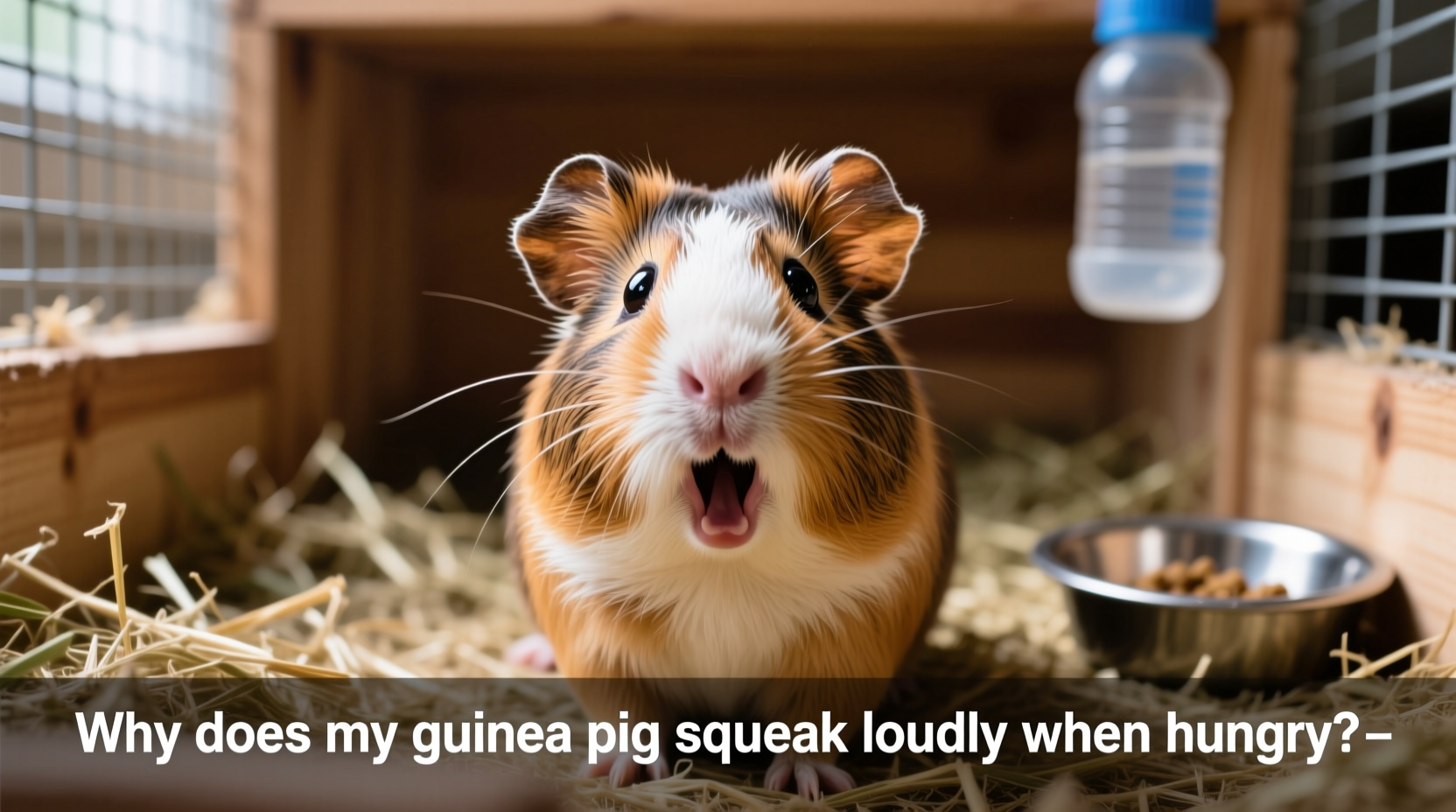
Guinea pigs (Cavia porcellus) are highly social rodents that evolved in dense groups in the Andes Mountains of South America. In the wild, staying connected with the group was essential for safety and resource access. Vocal communication developed as a key survival tool. They use at least eight distinct sounds, including purring, chattering, rumbling, and the well-known \"wheeking.\"
The hunger-related squeak, technically known as a \"wheek,\" is a long-distance call. It’s designed to carry across enclosures or terrain, signaling urgency. This sound activates when a guinea pig anticipates food—such as when they hear the rustle of a food bag or see someone approaching the cage. Neurologically, the anticipation of food triggers dopamine release, reinforcing the behavior. The louder and more persistent the wheek, the stronger the expectation.
Interestingly, studies in animal behavior suggest that domesticated guinea pigs have refined this call through generations of human interaction. They’ve learned that humans respond to sound, so they use it strategically. It's not just instinct—it's learned behavior shaped by experience.
“Guinea pigs are intelligent enough to associate sounds with outcomes. When a squeak consistently results in food, it becomes a reinforced communication strategy.” — Dr. Lena Torres, Small Mammal Behavior Specialist
Why Hunger Triggers Loud Squeaking
Hunger-induced squeaking isn’t arbitrary. It stems from both biological need and social dynamics. In the wild, guinea pigs eat frequently throughout the day, consuming small amounts of fibrous vegetation. Their digestive systems are built for constant grazing, which means prolonged gaps between meals cause discomfort.
When a guinea pig’s stomach begins to empty, hormonal changes occur. Ghrelin, the \"hunger hormone,\" increases and stimulates appetite. This physical sensation prompts vocalization as a way to alert others—originally colony members, now their human caregivers—to the need for food.
Beyond physiology, squeaking serves a social function. In a herd setting, younger or subordinate guinea pigs may vocalize to request access to food without direct confrontation. Domestic pets transfer this behavior to humans, viewing them as part of their social group. The loudness of the squeak reflects urgency; a soft chirp might mean curiosity, but a piercing wheek means “I need food now.”
Decoding the Different Types of Squeaks
Not all squeaks mean the same thing. Misinterpreting these sounds can lead to overfeeding or overlooking other issues. Here’s how to distinguish hunger squeaks from other vocalizations:
- Wheeking (High-Pitched, Repetitive Squeak): Usually occurs when food is expected or desired. Often starts suddenly and continues until fed.
- Chirping (Bird-Like Sound): Rare and poorly understood, sometimes linked to stress or disorientation.
- Purring (Low, Soft Vibration): Indicates contentment, especially when being petted.
- Teeth Chattering (Rattling Sound): A sign of aggression or fear, often accompanied by raised fur.
- Shrieking (Sharp, Loud Cry): Signals pain or extreme fear, requiring immediate attention.
The hunger wheek is typically anticipatory rather than distressed. It’s often paired with pacing, standing on hind legs, or nudging the food bowl. These behaviors confirm the motivation behind the sound. However, if squeaking is constant, high-intensity, or occurs outside feeding times, it may point to underlying issues such as dental pain, gastrointestinal discomfort, or anxiety.
Creating a Predictable Feeding Routine
One of the most effective ways to manage excessive squeaking is establishing a consistent feeding schedule. Guinea pigs thrive on routine. When meals arrive at predictable times, their anxiety decreases, and unnecessary vocalizations diminish.
A balanced diet includes unlimited hay (timothy or orchard grass), fresh vegetables daily, a small portion of fortified pellets, and clean water. Hay should be available 24/7 to support digestion and dental health. Vegetables like bell peppers, cucumber, and romaine lettuce provide essential vitamin C, which guinea pigs cannot synthesize on their own.
Feeding times should align with natural activity patterns. Guinea pigs are crepuscular—most active at dawn and dusk. Offering fresh food in the morning and late afternoon mimics their natural foraging rhythm and reduces midday begging.
“Consistency reduces stress in small mammals. A guinea pig that knows when to expect food is less likely to vocalize out of anxiety.” — Dr. Alan Prescott, Exotic Veterinarian
Step-by-Step Guide to Establishing a Feeding Schedule
- Assess current feeding habits: Note when you currently feed your guinea pig and what foods are offered.
- Set two primary feeding times: Choose early morning (e.g., 7–8 AM) and late afternoon (e.g., 5–6 PM).
- Offer hay continuously: Use a hay rack to keep it clean and accessible.
- Introduce vegetables at the same time daily: Rotate options to ensure variety and prevent boredom.
- Limit pellets to 1/8 cup per pig per day: Overfeeding leads to obesity and reduced hay intake.
- Observe behavior: Track changes in squeaking frequency after one week.
- Adjust as needed: If squeaking persists beyond 15 minutes post-feeding, reevaluate portion sizes or health status.
Common Mistakes That Encourage Excessive Squeaking
While responding to your guinea pig’s needs is important, certain habits can unintentionally reinforce loud squeaking. Recognizing these pitfalls helps foster healthier communication.
| Mistake | Why It’s Problematic | Better Alternative |
|---|---|---|
| Feeding immediately upon squeaking | Reinforces the idea that noise = instant reward | Wait 30 seconds to a minute before responding; reward quiet moments |
| Inconsistent meal timing | Creates uncertainty and increases anxiety-driven vocalization | Stick to a fixed daily schedule |
| Over-reliance on treats | Encourages begging and can disrupt nutrition | Use treats sparingly; focus on hay and veggies |
| Ignoring dental health | Painful teeth can mimic hunger signals | Schedule annual vet check-ups with an exotic specialist |
| Using noisy containers near feeding time | Triggers anticipatory wheeking even when not hungry | Prepare food quietly or out of earshot |
Real-Life Example: Managing Persistent Wheeking
Sarah adopted two guinea pigs, Daisy and Clover, from a local shelter. Within days, she noticed they would shriek loudly every time she walked into the kitchen—even at night. Initially, she assumed they were starving and began feeding them extra pellets. The squeaking worsened.
After consulting a veterinarian, Sarah learned that the pigs weren’t malnourished—they had simply associated footsteps with food. The vet advised her to stop feeding on demand and instead establish set mealtimes. She also started hand-feeding small vegetable pieces during quiet moments to reinforce calm behavior.
Within two weeks, the nighttime squeaking stopped. Daisy and Clover still wheeked at breakfast time, but only briefly. Sarah realized the difference between genuine hunger cues and conditioned begging. By adjusting her routine, she improved both their behavior and her peace of mind.
When Squeaking Might Signal a Health Issue
While hunger is the most common cause of loud squeaking, persistent or abnormal vocalizations warrant closer inspection. Guinea pigs are prey animals and naturally hide illness, so vocalizing pain is significant.
Conditions that may mimic hunger-related squeaking include:
- Dental disease: Overgrown molars cause pain when chewing, leading to reluctance to eat despite hunger.
- Gastrointestinal stasis: Reduced gut motility causes bloating and discomfort, often accompanied by lethargy and reduced appetite.
- Bladder stones: Pain during urination may cause crying or squealing unrelated to feeding.
- Social stress: A lonely or bullied guinea pig may vocalize excessively due to anxiety.
If your guinea pig squeaks constantly, refuses food despite vocalizing, appears hunched, or shows changes in droppings, seek veterinary care promptly. Early intervention can prevent serious complications.
Frequently Asked Questions
Is it normal for my guinea pig to squeak every time I walk by?
Yes, if they’ve learned that your presence leads to food. This is called anticipatory wheeking. It’s normal but can be managed by maintaining a consistent feeding schedule and not rewarding squeaking with immediate treats.
How long should I wait before feeding after my guinea pig starts squeaking?
If it’s close to a regular feeding time, respond within 10–15 minutes. If it’s off-schedule, wait and offer hay instead. This teaches them that not every squeak results in food while still meeting their needs.
Can guinea pigs scream when hungry?
They don’t typically “scream,” but intense, repeated squeaking can sound alarming. True screaming—short, sharp, panicked cries—is usually a sign of fear or pain, not hunger, and requires immediate attention.
Checklist: Responding to Hunger Squeaks Effectively
- ✅ Confirm the squeak is a wheek, not a sign of distress or pain
- ✅ Check if it’s near a scheduled feeding time
- ✅ Offer fresh hay as a first response
- ✅ Provide vegetables and pellets at consistent times daily
- ✅ Avoid reinforcing squeaking with instant rewards
- ✅ Monitor eating habits and droppings for signs of illness
- ✅ Schedule annual vet exams with an exotic animal specialist
Conclusion: Building Better Communication with Your Guinea Pig
Your guinea pig’s loud squeak when hungry is more than just noise—it’s a window into their world. By understanding the biological, social, and behavioral roots of this vocalization, you can respond with empathy and precision. Establishing routines, avoiding common feeding mistakes, and staying alert to health changes transforms chaotic squeaking into meaningful dialogue.
Remember, a quieter guinea pig isn’t necessarily a better one—but a well-fed, healthy, and mentally stimulated companion will communicate with confidence and calm. Start today by observing their sounds, refining your feeding habits, and building trust through consistency. Your efforts won’t just reduce noise; they’ll enrich your guinea pig’s life in lasting ways.




 浙公网安备
33010002000092号
浙公网安备
33010002000092号 浙B2-20120091-4
Comments
No comments yet. Why don't you start the discussion?