
Guinea pigs are expressive, social animals that rely heavily on vocalizations to communicate. If your guinea pig suddenly erupts into a loud squeak the moment you step into the room, you're not imagining things—it's intentional. These high-pitched sounds aren't random; they're meaningful signals tied to emotion, expectation, or even distress. Understanding why this happens is essential to building trust, ensuring well-being, and deepening your relationship with your pet.
Unlike many small pets, guinea pigs form strong attachments to their caregivers and develop routines based on sound, scent, and sight. Their squeak upon your arrival can reflect excitement, anticipation, anxiety, or discomfort. Decoding the context behind the noise helps you respond appropriately—whether that means offering food, adjusting handling techniques, or simply being more mindful of your presence.
The Language of Guinea Pig Squeaks
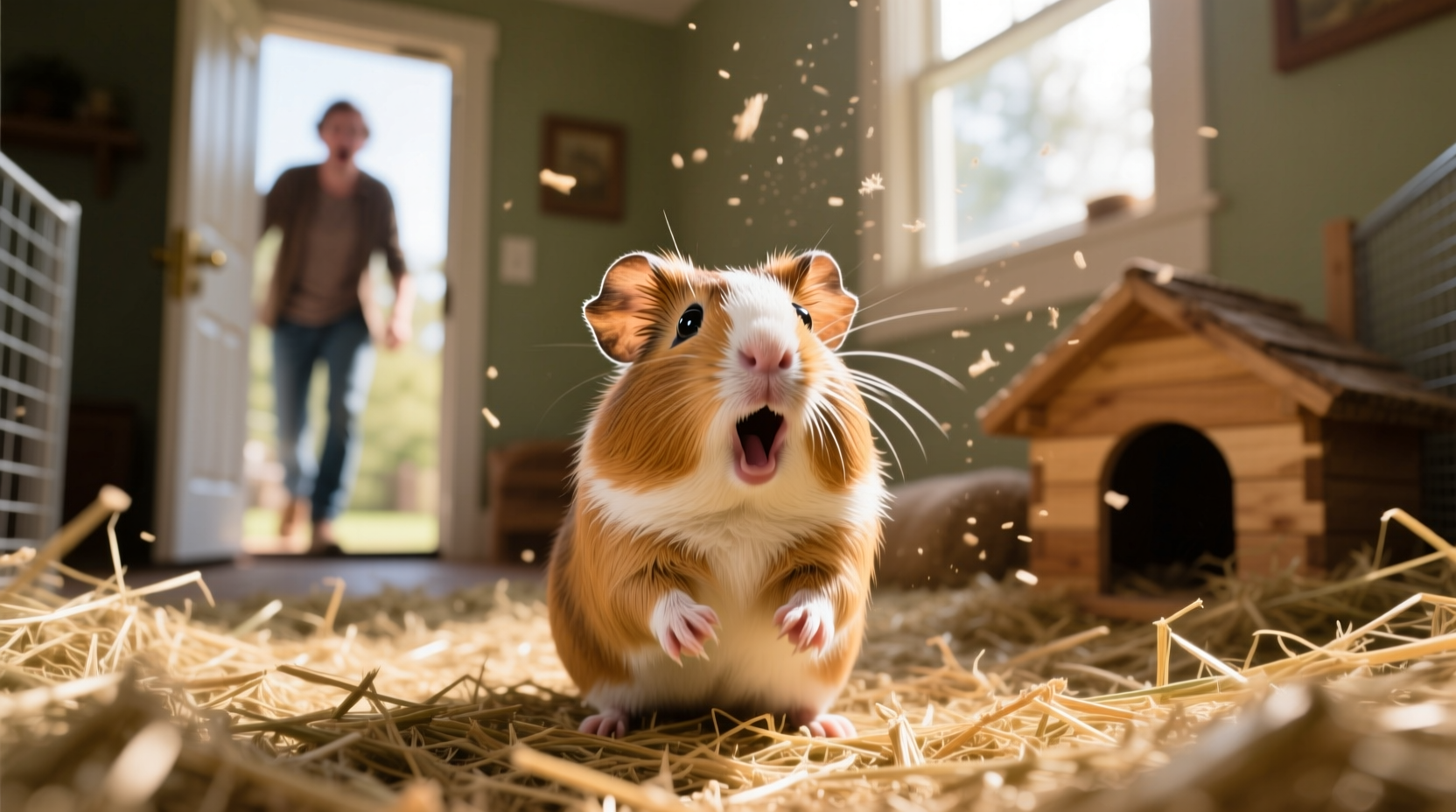
Guinea pigs use a range of vocalizations to express different needs and emotions. A loud squeak—often called a \"wheek\"—is one of the most common and noticeable. It’s typically a high-pitched, repetitive sound used to signal urgency or attention-seeking. While it may seem like simple noise to untrained ears, each variation carries distinct meaning.
- Wheeking: A sharp, repeated squeal usually associated with excitement, often linked to feeding time.
- Purring: A soft, vibrating sound indicating contentment (though deeper purrs can signal fear).
- Chutting: A calm, rhythmic chatter suggesting curiosity or mild interest.
- Teeth chattering: A warning sign of aggression or discomfort.
- Shrieking: A piercing cry indicating pain or extreme fear.
When your guinea pig wheeks as you enter the room, it's likely trying to initiate interaction. This behavior often develops through associative learning: the pig learns that your appearance correlates with food, playtime, or affection. Over time, the squeak becomes an automatic response—a kind of verbal greeting rooted in anticipation.
Common Reasons for Loud Squeaking Upon Entry
Not all squeaks mean the same thing. The cause depends on environment, routine, and individual personality. Below are the five most frequent explanations for why your guinea pig reacts so vocally when you walk in.
1. Anticipation of Food
This is the most common reason. Guinea pigs have excellent memories and quickly associate your presence with feeding. If you’re the one who feeds them, they’ll “wheek” in hopes that you’ve brought pellets, veggies, or treats. This behavior is especially pronounced if feeding occurs around the same time daily.
2. Social Bonding and Excitement
Guinea pigs are herd animals by nature. In the wild, they live in tight-knit groups and rely on vocal contact to maintain cohesion. When you enter the room, your pig may be expressing joy at seeing a member of its “herd.” This type of squeak is usually accompanied by movement toward the cage front, perked-up ears, and rapid sniffing.
3. Seeking Attention or Play
If your guinea pig has learned that squeaking gets your attention, it may use the sound strategically. Especially intelligent or social individuals will wheek to initiate handling, floor time, or cuddles. This is a sign of comfort and confidence—not distress.
4. Anxiety or Fear
Not all squeaks are positive. A sudden, sharp squeal when you enter could indicate fear—especially if you move quickly, make loud noises, or have previously handled the pig roughly. Younger or rescued guinea pigs may need time to build trust. In these cases, the squeak is a defensive reaction, possibly followed by freezing or hiding.
5. Discomfort or Health Concerns
While less common, persistent or unusually intense squeaking can point to physical issues. Dental problems, gastrointestinal pain, or respiratory infections may cause vocalization when movement or breathing becomes uncomfortable. If squeaking is paired with lethargy, hunched posture, or loss of appetite, consult a veterinarian promptly.
“Guinea pigs don’t vocalize without reason. A consistent wheek upon owner entry is usually learned behavior—but sudden changes in tone or frequency warrant closer observation.” — Dr. Lena Torres, Exotic Animal Veterinarian
How to Respond: A Step-by-Step Guide
Understanding the cause is only half the solution. Your response shapes future behavior and emotional security. Follow this timeline to assess and address the squeaking appropriately.
- Pause and Observe (Day 1–3): When you enter, stop for 10–15 seconds. Watch body language. Is the pig running to the front? Hiding? Eating normally? Note patterns across multiple entries.
- Check Routine Consistency (Day 4–5): Are you feeding at predictable times? Do you always approach from the same direction? Inconsistencies can heighten anxiety or confusion.
- Adjust Your Approach (Day 6–7): Enter slowly, speak softly, and avoid sudden movements. Offer a treat only after a few seconds of calm interaction to prevent reinforcing frantic wheeking.
- Introduce Positive Associations (Ongoing): Pair your entrance with gentle talking, hand-feeding, or quiet sitting nearby. This builds trust without encouraging demand-based squeaking.
- Monitor for Changes (Ongoing): If squeaking becomes more frequent, louder, or occurs during rest periods, evaluate environmental stressors or health concerns.
Do’s and Don’ts: Managing Vocal Behavior
| Do’s | Don’ts |
|---|---|
| Speak softly when entering the room to signal non-threatening presence | Yell, clap, or make sudden loud noises near the cage |
| Feed at consistent times to reduce food-related anxiety | Use squeaking as an excuse to over-treat or over-handle |
| Spend quiet time near the cage without direct interaction | Reach into the cage immediately upon entry |
| Learn your pig’s unique vocal patterns and body cues | Assume all squeaks mean the same thing |
| Consult a vet if squeaking is paired with behavioral changes | Ignore signs of pain or prolonged distress |
Real Example: Rebuilding Trust After Rescue
Sophie adopted two guinea pigs, Milo and Daisy, from a shelter. Both had been kept in isolation and showed little human interaction. Initially, whenever Sophie entered the room, Milo would freeze and emit a short, high-pitched squeal—clearly fearful. Daisy remained silent but hid in the back of the cage.
Instead of forcing contact, Sophie implemented a structured routine. She entered the room at the same time each evening, sat quietly three feet from the cage, and read aloud while offering fresh parsley. She avoided direct eye contact and sudden gestures. By week three, Milo began approaching the front bars during her visits. By week six, his first sound upon her entry had shifted from a frightened squeal to an excited wheek.
This transformation wasn’t accidental. It resulted from consistency, patience, and respect for the animals’ emotional thresholds. Today, both guinea pigs run to the front of the cage when Sophie walks in—not out of fear, but because they associate her presence with safety and care.
Expert Insight: The Psychology Behind the Squeak
Guinea pigs are prey animals, which means their survival instincts prioritize vigilance and rapid communication. In the wild, silence can be dangerous—vocalizing helps maintain group cohesion and alert others to changes in the environment.
“Domestication hasn’t erased their instinct to vocalize. When a guinea pig squeaks at your arrival, it’s engaging in natural herd behavior. The key is determining whether it’s calling you ‘friend’ or ‘potential threat.’” — Dr. Alan Prescott, Behavioral Zoologist
Studies show that guinea pigs housed in pairs or groups develop richer vocal repertoires than solitary ones. They also exhibit reduced stress markers when exposed to familiar human voices. This reinforces the idea that squeaking isn’t just noise—it’s a social tool shaped by evolution and experience.
FAQ: Common Questions About Guinea Pig Squeaking
Is it normal for my guinea pig to squeak every time I walk in?
Yes, especially if you’re the primary caregiver. Regular squeaking due to excitement or anticipation is normal. However, if the behavior starts suddenly or is accompanied by hiding, refusal to eat, or aggression, further investigation is needed.
Should I ignore the squeaking to stop it?
Not necessarily. Ignoring can work if the squeaking is attention-seeking and excessive, but only after establishing that the pig is healthy and not distressed. Instead of complete silence, try delaying interaction for a few moments to teach patience. Never ignore squeaking that sounds pained or fearful.
Can guinea pigs squeak in their sleep?
Rarely. While some light vocalizations during REM-like states have been observed, consistent nighttime squeaking usually indicates discomfort, cold temperatures, or disturbances in the environment. Ensure the cage is in a quiet, temperature-stable area away from drafts and predators (like cats or dogs).
Conclusion: Listening With Purpose
Your guinea pig’s loud squeak when you enter the room is more than a quirky habit—it’s a window into their emotional world. Whether it’s a joyful greeting, a hunger cue, or a subtle plea for reassurance, each sound carries information. By observing context, responding thoughtfully, and respecting their nature as sensitive, social creatures, you transform noise into dialogue.
These small animals depend on us not just for food and shelter, but for emotional safety. The way you react to their squeak shapes how secure they feel in your presence. With patience and attentiveness, that once-annoying sound can become a cherished sign of trust and connection.




 浙公网安备
33010002000092号
浙公网安备
33010002000092号 浙B2-20120091-4
Comments
No comments yet. Why don't you start the discussion?