
Guinea pigs are among the most expressive small pets, using a wide range of vocalizations to communicate their emotions, needs, and reactions to their environment. If your guinea pig is squeaking constantly, it’s natural to feel concerned or confused. The truth is, these sounds are not random—they are meaningful signals that, when properly understood, can deepen your bond with your pet and help you provide better care.
Unlike many animals that rely primarily on body language, guinea pigs are highly vocal creatures. From soft purrs to sharp, high-pitched squeals, each sound serves a purpose. Decoding these noises allows you to respond appropriately—whether your pet is hungry, scared, in pain, or simply excited. This article breaks down the most common guinea pig vocalizations, explains why excessive squeaking occurs, and offers practical guidance for interpreting and addressing your pet’s behavior.
The Language of Guinea Pigs: An Overview
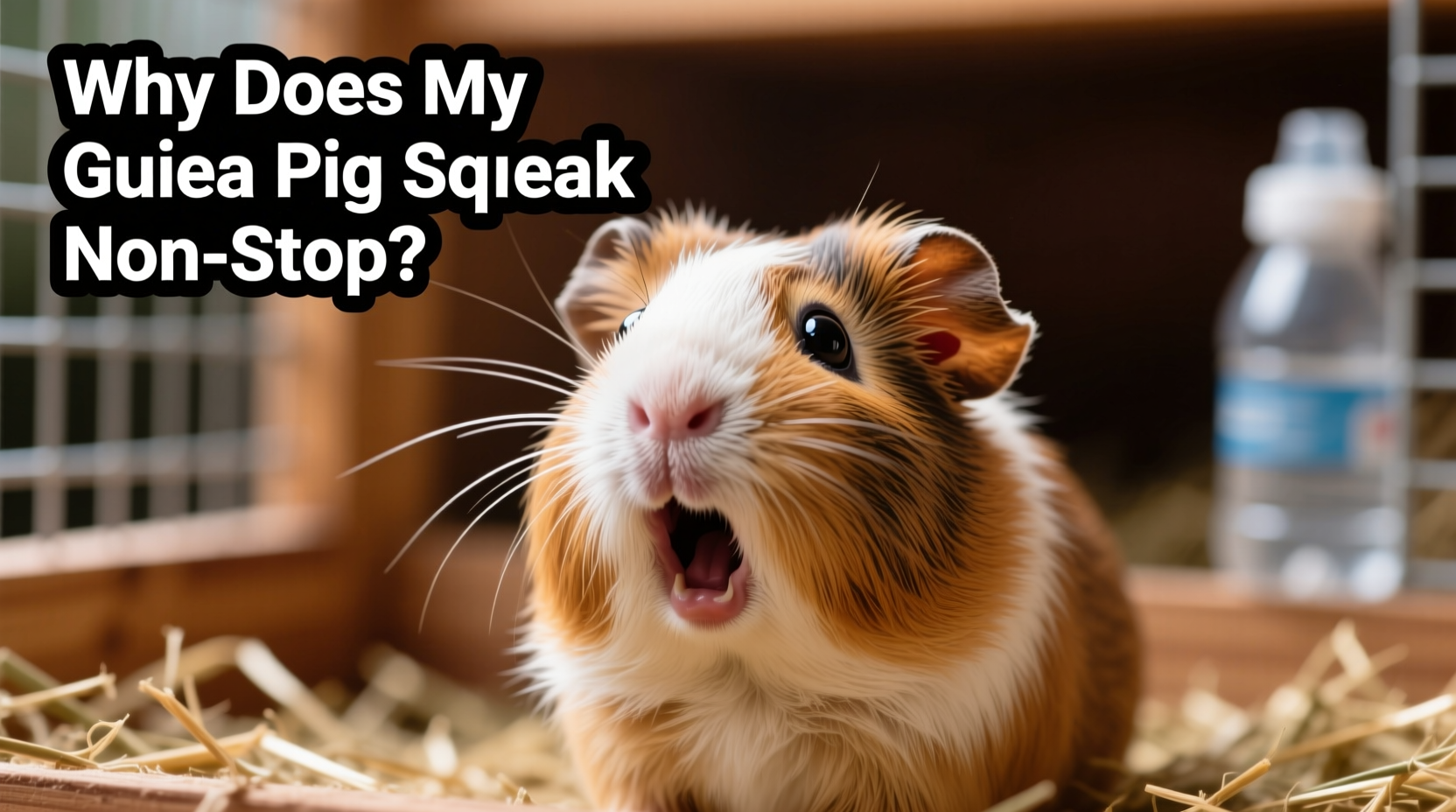
Guinea pigs evolved as social herd animals in the Andes Mountains, where constant communication was essential for survival. In the wild, they relied on vocal cues to alert others to predators, establish social hierarchies, and maintain group cohesion. Even in domestic settings, this instinct remains strong. Their limited facial expressions and small size make vocalization one of their primary tools for interaction.
Understanding guinea pig sounds begins with recognizing that they are not “noisy” without reason. Each noise corresponds to a specific emotional or physical state. Some vocalizations are brief and situational; others may persist if the underlying cause isn’t addressed. Persistent squeaking—especially if it’s loud or urgent—is often a sign that something requires your attention.
Common Guinea Pig Vocalizations and What They Mean
Guinea pigs produce a variety of distinct sounds. Learning to differentiate them is key to understanding whether your pet is content, distressed, or seeking interaction.
- Wheeking: A high-pitched, rapid squeal often heard at feeding time. It’s an anticipatory sound, similar to a dog barking when it hears a treat bag. While not urgent, continuous wheeking outside mealtimes may indicate hunger or boredom.
- Purring: A low, vibrating rumble that can indicate contentment—especially when accompanied by relaxed posture. However, a deeper, shuddering purr may signal discomfort or fear, particularly if the guinea pig is motionless or hunched.
- Chutting: A soft, rhythmic clicking or clucking sound made during exploration or mild curiosity. It’s typically a positive sign, showing engagement with the environment.
- Hissing: A defensive sound used when feeling threatened, often paired with raised fur or avoidance behavior. It’s a clear request for space.
- Teeth Chattering: A sharp, clicking noise made when agitated or asserting dominance. It’s commonly heard during disputes between guinea pigs and should be taken seriously as a warning.
- Whining or Shrieking: A loud, piercing cry that indicates acute distress, pain, or fear. This is not typical daily behavior and warrants immediate investigation.
Why Non-Stop Squeaking Happens
When a guinea pig squeaks continuously, especially in a high-pitched or repetitive manner, it usually points to one of several causes:
- Hunger or Thirst: Guinea pigs have fast metabolisms and need consistent access to hay, fresh vegetables, and water. Squeaking around mealtime or after food runs out is common.
- Loneliness or Boredom: As social animals, guinea pigs thrive in pairs or groups. A single guinea pig may vocalize excessively due to isolation.
- Fear or Stress: Loud noises, sudden movements, unfamiliar people, or new environments can trigger anxiety-related squeaking.
- Pain or Illness: Conditions like dental disease, urinary tract infections, or gastrointestinal issues can cause discomfort that manifests as persistent vocalization.
- Mating Behavior: Unneutered males may wheek aggressively when they detect a female in heat. Females may also vocalize more during hormonal cycles.
- Attention-Seeking: Some guinea pigs learn that squeaking gets a response and use it deliberately to initiate interaction.
“Guinea pigs don’t vocalize for attention in the way humans might think. When they squeak repeatedly, it’s almost always because a basic need—physical or emotional—is unmet.” — Dr. Lena Torres, Exotic Animal Veterinarian
Assessing the Cause: A Step-by-Step Guide
If your guinea pig is squeaking non-stop, follow this structured approach to identify and address the root cause.
- Observe the Type of Sound: Is it a wheek (anticipation), shriek (distress), or purr (contentment)? Match the vocalization to its likely meaning using the guide above.
- Check Basic Needs: Verify that fresh hay, clean water, and appropriate vegetables are available. Inspect the cage for soiled bedding or extreme temperatures.
- Evaluate Social Environment: Is your guinea pig housed alone? Consider introducing a compatible companion if possible. Watch for signs of conflict if housed in pairs.
- Assess for Pain or Illness: Look for symptoms such as lethargy, drooling, difficulty moving, reduced appetite, or abnormal droppings. These may accompany pain-induced squeaking.
- Monitor Environmental Triggers: Note recent changes—new pets, loud appliances, cleaning products, or rearranged cages—that could be causing stress.
- Intervene Appropriately: Respond with food if hungry, gentle handling if lonely, or removal from stressors if frightened. Avoid reinforcing attention-seeking squeaks with immediate rewards.
- Consult a Veterinarian: If squeaking persists without clear cause or is accompanied by physical symptoms, schedule an appointment with an exotic vet.
Do’s and Don’ts of Responding to Excessive Squeaking
| Do’s | Don’ts |
|---|---|
| Respond calmly and assess the environment first | Yell at or punish your guinea pig for squeaking |
| Provide fresh hay and water if squeaking occurs around feeding times | Assume all squeaking is normal or harmless |
| Introduce enrichment like tunnels, chew toys, or safe cardboard boxes | House a guinea pig alone long-term without careful behavioral monitoring |
| Seek veterinary advice if vocalizations are frequent and unexplained | Use scented bedding or air fresheners near the cage |
| Spend quiet time near the cage to build trust and reduce anxiety | Overhandle a stressed guinea pig immediately after loud squeaking |
Mini Case Study: Bella the Lonely Guinea Pig
Sarah adopted Bella, a young female guinea pig, from a local shelter. Within days, she noticed Bella wheeking constantly throughout the day, especially in the evenings. Concerned, Sarah reviewed her care routine: diet was balanced, cage was clean, and room temperature stable. There were no other pets or loud noises.
After consulting a veterinarian and ruling out medical issues, Sarah realized Bella was alone. She had assumed one guinea pig would be easier to manage. The vet suggested introducing a second guinea pig. Sarah adopted a calm male named Milo after a proper quarantine and gradual introduction.
Within two weeks, Bella’s constant squeaking decreased dramatically. She began chutting and purring during interactions with Milo. Sarah observed them grooming each other and sleeping side by side. The transformation highlighted how deeply social these animals are—and how vocalization can be a cry for companionship.
Expert Insight: The Emotional World of Small Pets
“People underestimate the emotional complexity of rodents. Guinea pigs form strong attachments, experience loneliness, and express distress clearly—if we’re willing to listen. Chronic squeaking isn’t ‘annoying’; it’s a symptom we must take seriously.” — Dr. Marcus Reed, Behavioral Specialist in Small Mammals
This perspective underscores the importance of viewing vocalizations not as nuisances but as vital communication. Just as a crying baby signals hunger or discomfort, a squeaking guinea pig is trying to tell you something important.
FAQ: Common Questions About Guinea Pig Squeaking
Is it normal for guinea pigs to squeak all day?
No, constant squeaking is not normal. Occasional wheeking at feeding time or soft chutting during exploration is typical. However, non-stop squeaking—especially if high-pitched or frantic—suggests an unmet need such as hunger, fear, pain, or loneliness.
Can guinea pigs scream?
They don’t scream in the human sense, but they can emit a loud, shrill shriek when terrified or in pain—such as during a predator encounter or accidental injury. This sound is rare and always serious. Immediate comfort and safety measures should be taken.
How can I stop my guinea pig from squeaking for food?
You can’t—and shouldn’t—eliminate all food-related vocalizations, as they’re natural. However, if your guinea pig wheeks excessively outside scheduled times, ensure unlimited hay is available and avoid reinforcing the behavior by feeding every time they squeak. Stick to a consistent routine and provide mental stimulation to reduce fixation on food.
Conclusion: Listening with Care
Your guinea pig’s squeaks are more than background noise—they are a window into their inner world. By learning to interpret these sounds, you transform from a passive owner into an attentive caregiver. Whether the cause is simple hunger, profound loneliness, or hidden illness, each vocalization carries information worth your time and compassion.
Start today by observing your guinea pig with fresh ears. Note when and how they vocalize. Respond not with frustration, but with curiosity and care. Over time, you’ll develop an intuitive understanding of their unique voice. And in doing so, you’ll give your small companion the security, companionship, and well-being they deserve.




 浙公网安备
33010002000092号
浙公网安备
33010002000092号 浙B2-20120091-4
Comments
No comments yet. Why don't you start the discussion?