
Guinea pigs are among the most expressive small pets, using a wide range of vocalizations to communicate their emotions, needs, and reactions to their environment. If your guinea pig is squeaking constantly, it can be both endearing and concerning—especially when you're unsure what they’re trying to tell you. While occasional chirping or purring might signal contentment, persistent squeaking often indicates something more urgent. Understanding the nuances behind these sounds isn’t just about curiosity; it’s essential for responsible pet care.
Guinea pigs lack complex facial expressions or body language like dogs and cats, so they rely heavily on sound. Their vocal repertoire includes wheeking, rumbling, purring, chattering, and various forms of squeaks—each with distinct meanings depending on tone, frequency, and context. Decoding this auditory language allows owners to respond appropriately, reduce stress, and strengthen the human-pet bond.
The Science Behind Guinea Pig Vocalizations
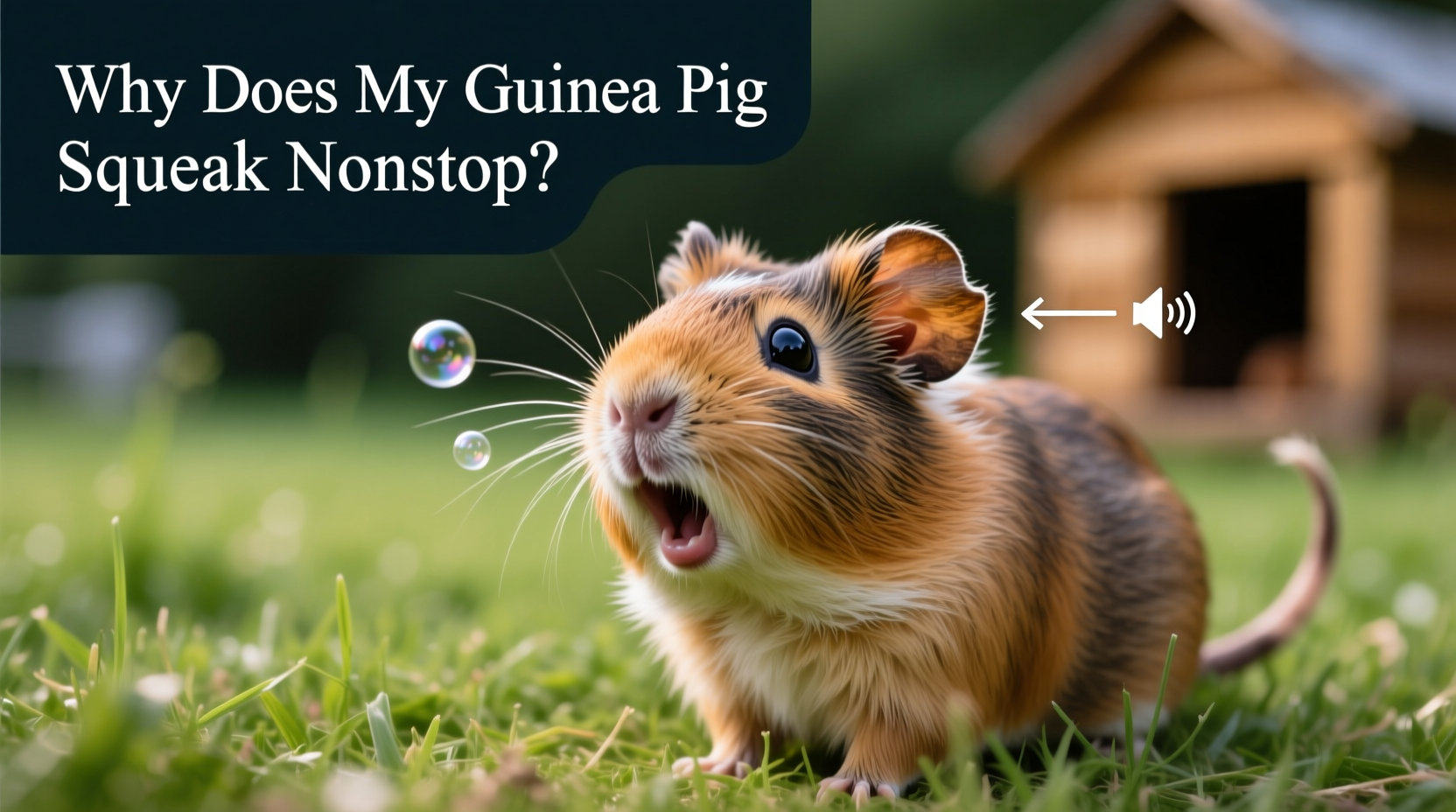
Research in animal behavior has confirmed that guinea pigs possess a surprisingly sophisticated communication system. A 2019 study published in *Animal Cognition* found that guinea pigs use individually distinct calls and adjust pitch and duration based on social context and emotional state. These animals evolved as prey species in the wilds of South America, where silence could mean survival—but within safe domestic environments, they’ve adapted to vocalize more freely, especially around trusted humans.
Squeaking, in particular, serves multiple functions:
- Alerting others to danger – High-pitched, sharp squeals may indicate fear or pain.
- Demanding attention – Repetitive, rhythmic squeaks often occur at feeding time.
- Expressing discomfort – Prolonged or strained squeaks during handling suggest distress.
- Social signaling – Squeaks between pairs can reflect dominance, mating interest, or irritation.
It’s important not to dismiss constant squeaking as mere noise. Persistent vocalization usually signals an unmet need—whether physical, emotional, or environmental. Ignoring these cues can lead to chronic stress, which weakens immunity and shortens lifespan in small mammals.
Common Types of Squeaks and What They Mean
Not all squeaks are created equal. The meaning changes dramatically based on tone, volume, repetition, and accompanying behaviors. Below is a breakdown of the most common types:
| Type of Squeak | Description | What It Means |
|---|---|---|
| Wheeking | Loud, repetitive high-pitched call, often rising in pitch | Excitement or anticipation—usually associated with feeding time |
| Pink Noise Squeal | Sharp, metallic-sounding scream lasting 1–3 seconds | Pain or acute fear (e.g., sudden drop, injury, predator scent) |
| Chirping | Bird-like, melodic series of notes (rare but documented) | Deep distress or confusion; sometimes seen in grieving or isolated pigs |
| Rumbling | Low, vibrating purr often accompanied by swaying hips | Assertiveness or mating behavior; dominant pigs rumble during confrontations |
| Whining/Soft Squeaking | Continuous, low-volume whimpers while stationary | Discomfort, loneliness, or mild illness |
For example, a guinea pig that wheeks every time you walk into the kitchen likely associates your presence with food. This type of vocalization is generally harmless and even a sign of bonding. However, if the same pig begins emitting short, piercing screams when approached, it may have experienced pain during previous handling or developed sensitivity due to an underlying condition like arthritis or dental disease.
“We once treated a pair of guinea pigs who appeared aggressive toward each other. Audio analysis revealed one was consistently producing distress squeals masked by the other’s louder rumbling. Separating them reduced stress markers significantly.” — Dr. Lena Torres, Exotic Veterinarian, Avian & Small Mammal Care Center
Environmental and Social Triggers of Excessive Squeaking
Before assuming medical causes, assess your guinea pig’s living conditions. As herd animals, guinea pigs thrive on companionship, routine, and sensory safety. Disruptions in any of these areas can trigger vocal overactivity.
Loneliness and Boredom
A single guinea pig without companionship will often squeak persistently out of loneliness. In the wild, they live in tight-knit groups, relying on constant auditory contact. When isolated, they may wheek repeatedly in search of connection.
Cage Setup Issues
- Overcrowding or under-stimulation: Lack of hiding spots, tunnels, or chew toys leads to frustration.
- Noise pollution: Loud TVs, barking dogs, or foot traffic near the cage cause anxiety.
- Poor ventilation or extreme temperatures: Guinea pigs are sensitive to heat above 75°F (24°C) and drafts.
Feeding Routine Disruptions
Inconsistent feeding times or sudden diet changes can provoke demand squeaking. Many owners report nonstop wheeking precisely at the hour their pigs expect food—even on weekends when routines shift.
Introducing New Animals
Pairing guinea pigs requires careful introduction. During initial meetings, frequent squeaking and rumbling are normal as hierarchy is established. But prolonged aggression—accompanied by biting, chasing, or refusal to eat—requires intervention.
When Squeaking Signals Health Problems
Sometimes, incessant squeaking points to physical discomfort. Unlike humans, guinea pigs instinctively hide signs of illness until symptoms become severe. Vocalization may be one of the earliest red flags.
Potential Medical Causes
- Dental Overgrowth: Misaligned molars or incisors cause painful chewing, leading to whimpering during meals.
- Respiratory Infections: Labored breathing, nasal discharge, and shallow squeaks indicate lung issues.
- Bladder Stones: Straining to urinate produces sharp cries, especially noticeable after exiting the sleeping area.
- Gastrointestinal Stasis: Reduced gut motility causes bloating and abdominal pain, often signaled by hunched posture and soft, distressed squeaks.
- Arthritis or Injury: Older or injured pigs cry out when jumping or being picked up.
Monitor for additional symptoms such as weight loss, lethargy, diarrhea, or reduced appetite. Any combination of abnormal vocalization and physical changes warrants prompt veterinary evaluation.
Step-by-Step: Assessing Your Guinea Pig at Home
- Observe timing: Does squeaking happen only during certain activities (eating, handling, night hours)?
- Check eating habits: Offer fresh hay and veggies. Watch for difficulty chewing or dropping food.
- Inspect droppings: Are they uniform in size and shape? Small, misshapen pellets suggest GI issues.
- Feel gently along the spine and hips: Look for flinching or tension indicating soreness.
- Listen closely to breathing: Wheezing or clicking noises point to respiratory concerns.
- Document findings and schedule a vet visit if anything seems off.
Never administer over-the-counter medications. Guinea pigs have unique metabolisms and can die from common pain relievers like ibuprofen or acetaminophen.
Real-Life Example: Luna’s Case of Persistent Nighttime Squeaking
Sarah adopted a female guinea pig named Luna, previously housed alone. Within days, she noticed Luna would squeak continuously between 10 PM and midnight. Initially, Sarah assumed it was adjustment stress. She tried offering extra treats and blankets, but the behavior continued.
After recording the sounds, Sarah shared them with her exotic vet. The vet identified a pattern of low-frequency whining, not excitement-based wheeking. Upon examination, Luna showed mild dehydration and slight weight loss. Further testing revealed early-stage dental spurs—tiny sharp projections on her molars causing pain when grinding fibrous foods.
Following a dental float procedure and dietary adjustment to softer greens, Luna’s nighttime squeaking stopped completely within 48 hours. Sarah also introduced a second guinea pig six weeks later, providing companionship that further stabilized Luna’s mood and vocal behavior.
This case illustrates how critical it is to look beyond surface-level assumptions. What seemed like behavioral noise turned out to be a treatable medical issue amplified by social isolation.
Frequently Asked Questions
Is it normal for guinea pigs to squeak all day?
No, constant daytime squeaking is not typical. Occasional vocalizations are normal, especially around feeding or social interaction. Nonstop squeaking suggests an unmet need—be it hunger, boredom, pain, or social conflict—and should be investigated.
Can guinea pigs squeak in their sleep?
True “sleep-squeaking” is rare. If your guinea pig makes noises while motionless with closed eyes, it may actually be lightly dozing rather than in deep sleep. However, sudden jerks or cries during rest could indicate nightmares, discomfort, or neurological issues—particularly in older animals.
Why does my guinea pig squeak when I pet him?
It depends on the tone. A brief, high-pitched squeak might mean surprise or mild annoyance, especially if you touch a sensitive area like the rump. Continuous squeaking during petting usually means discomfort or fear. Some guinea pigs never enjoy being held; respect their boundaries and focus on ground-level bonding instead.
Action Plan: Reducing Unwanted Squeaking
If your guinea pig’s squeaking disrupts household peace or reflects distress, follow this checklist to restore balance:
- ✅ Ensure access to unlimited fresh hay, clean water, and vitamin C-rich vegetables daily.
- ✅ House in pairs or compatible groups unless medically contraindicated.
- ✅ Provide at least two hideouts per pig and rotate toys weekly to prevent boredom.
- ✅ Keep the cage away from loud appliances, windows (with predator views), and heavy foot traffic.
- ✅ Establish consistent feeding and cleaning times to build predictability.
- ✅ Schedule annual vet checkups with an exotic specialist.
- ✅ Learn to distinguish between demand squeaks and pain-related cries through observation and audio logging.
Remember, complete silence isn’t the goal. Healthy guinea pigs vocalize regularly—it’s part of their nature. The objective is to minimize stress-induced, painful, or obsessive squeaking by meeting their biological and emotional needs comprehensively.
Conclusion: Listen With Purpose, Act With Care
Your guinea pig’s squeaks are not random noise—they’re messages encoded with urgency, emotion, and trust. By learning to interpret these sounds within context, you transform from passive owner to active guardian. Whether it’s adjusting cage placement, addressing hidden health issues, or simply providing a companion, every response strengthens your pet’s quality of life.
Start today: spend 15 minutes quietly observing your guinea pig. Note when they squeak, what happens right before, and how they behave afterward. Over time, you’ll recognize patterns and respond with precision. That seemingly endless noise may become a meaningful dialogue—one built on understanding, compassion, and mutual respect.




 浙公网安备
33010002000092号
浙公网安备
33010002000092号 浙B2-20120091-4
Comments
No comments yet. Why don't you start the discussion?