
Guinea pigs are among the most expressive small pets, relying heavily on vocal communication to convey their emotions, desires, and discomforts. If your guinea pig is squeaking constantly, it’s not just random noise—it’s a message. Understanding the meaning behind these sounds is essential for ensuring your pet’s well-being and strengthening your bond. Unlike cats or dogs, guinea pigs don’t bark or meow with clear universal meanings, but their repertoire of chirps, whistles, purrs, and squeals forms a nuanced language that attentive owners can learn to interpret.
This guide breaks down the most common guinea pig vocalizations, explains why they occur, and offers practical steps to address their underlying causes. Whether your guinea pig is chirping in distress, rumbling in dominance, or wheeking at dinnertime, you’ll gain the knowledge needed to respond appropriately and create a calmer, happier environment for your furry companion.
The Science Behind Guinea Pig Vocalizations
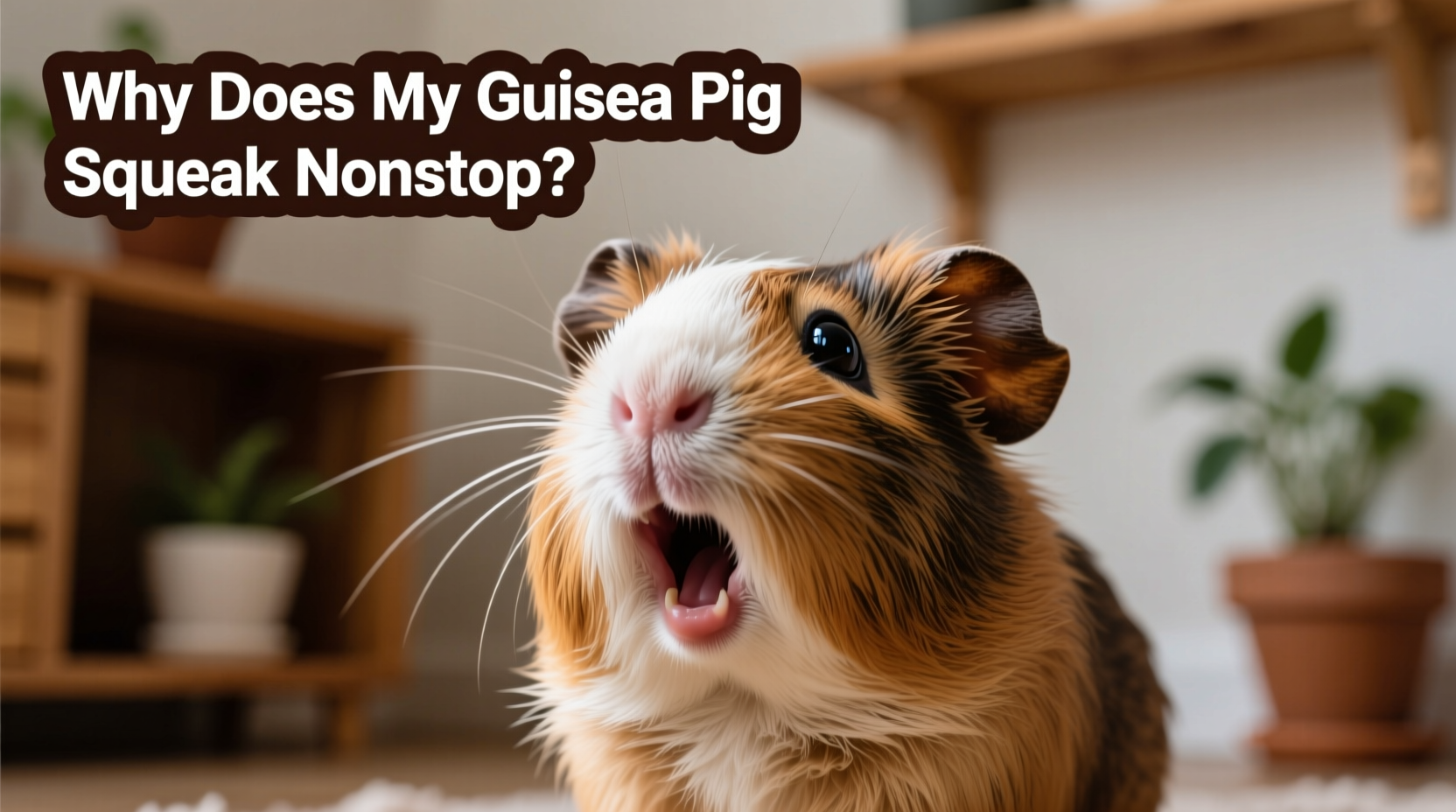
Guinea pigs (Cavia porcellus) are social rodents native to the Andes mountains, where they evolved in tight-knit groups. In the wild, survival depended on constant communication—alerting others to predators, establishing hierarchy, and maintaining group cohesion. This instinct remains strong in domesticated guinea pigs, who use over ten distinct vocalizations to express themselves.
According to Dr. Laura Brown, a small mammal behaviorist at the Exotic Pet Health Institute, “Guinea pigs are hardwired to vocalize frequently because silence in the wild could mean danger. They’re not being ‘annoying’—they’re trying to survive using the tools nature gave them.”
These vocalizations are controlled by emotional states and environmental stimuli. The brain regions responsible for fear, reward, and social bonding all play a role in triggering specific sounds. For example, high-pitched squeals activate the amygdala (the fear center), while food-related wheeks stimulate dopamine release. Recognizing this biological basis helps owners respond with empathy rather than frustration.
“Every squeak is data. Learn the patterns, and you’ll know when something’s wrong before clinical signs appear.” — Dr. Laura Brown, Exotic Pet Behavior Specialist
Decoding Common Guinea Pig Sounds
Guinea pigs produce a range of sounds, each with subtle variations in pitch, duration, and context. Here’s a breakdown of the most frequent vocalizations and what they typically mean:
- Wheeking: A loud, high-pitched squeal often heard at feeding time. It signals excitement or anticipation, especially when associated with food preparation noises like opening a fridge or rustling a treat bag.
- Purring: A soft, vibrating sound that can indicate contentment—or discomfort. Gentle, low purring during petting means relaxation; short, tense purring may signal annoyance or pain.
- Chutting: A rhythmic, clicking purr usually made while exploring or foraging. It reflects calm curiosity and environmental engagement.
- Rumbling: A deep, vibrating sound often accompanied by swaying hips. This is typically a dominance or mating behavior, more common in males during social interactions.
- Whining/Whimpering: High-pitched, continuous cries indicating fear, pain, or separation anxiety—especially in young or newly adopted guinea pigs.
- Teeth Chattering: Not a vocalization per se, but an auditory signal. Rapid grinding of teeth shows aggression or fear, often preceding a chase or bite.
- Chirping: Rare and bird-like, this mysterious sound’s meaning is still debated. Some experts link it to stress or disorientation, while others believe it’s a form of communication between bonded pairs.
Why Is My Guinea Pig Squeaking Nonstop? Key Causes
Continuous squeaking—especially high-pitched, urgent-sounding vocalizations—is not normal and should be investigated. Below are the most common reasons for persistent squealing and how to address them.
1. Hunger or Food Anticipation
Guinea pigs have fast metabolisms and expect regular meals. If your pet wheeks every time you enter the room or hears kitchen noises, it likely associates you with food. While this is natural, excessive wheeking can become compulsive if reinforced by inconsistent feeding.
2. Loneliness or Social Stress
As herd animals, guinea pigs suffer emotionally when isolated. A single guinea pig left alone for long periods may whine, chatter, or emit high-frequency distress calls. These sounds are attempts to locate companions.
3. Pain or Physical Discomfort
Nonstop squeaking, especially when accompanied by lethargy, hunched posture, or teeth grinding, can indicate dental issues, urinary stones, or gastrointestinal stasis. Pain-induced vocalizations are often sharp, repetitive, and occur during movement or handling.
4. Environmental Stressors
Loud noises, sudden movements, cage mates fighting, or an unclean habitat can trigger constant alert calls. Guinea pigs are sensitive to vibrations and high-frequency sounds, so nearby appliances or barking dogs may cause unseen stress.
5. Hormonal or Territorial Behavior
Unneutered males may rumble and chase others persistently. Females in heat may also become vocal. Overcrowding amplifies territorial disputes, leading to ongoing rumbling, chasing, and defensive squeals.
6. Attention-Seeking Behavior
If squeaking has been rewarded in the past (e.g., you responded by picking them up or giving treats), your guinea pig may have learned that noise = attention. This creates a feedback loop that’s hard to break without consistent training.
| Vocalization | Typical Cause | Action Required |
|---|---|---|
| Wheeking | Hunger, excitement | Feed on schedule; avoid overfeeding treats |
| High-pitched squealing | Pain, fear | Check for injury; consult vet |
| Constant whining | Loneliness | Introduce compatible companion |
| Rumbling + swaying | Dominance/mating | Neuter male; separate if aggressive |
| Teeth chattering | Aggression/fear | Reduce stressors; allow space |
Step-by-Step Guide to Reducing Excessive Squeaking
Addressing nonstop squeaking requires a systematic approach. Follow these steps to identify and resolve the root cause:
- Observe and Document: For 2–3 days, note when the squeaking occurs, its type, duration, and any triggers (e.g., feeding, handling, noise). Use a journal or voice memos.
- Rule Out Medical Issues: Schedule a vet visit if the squeaking is new, intense, or paired with physical symptoms. Request a dental exam and fecal check.
- Evaluate Housing Conditions: Ensure the cage is spacious (minimum 7.5 sq ft for two pigs), clean, quiet, and free from drafts. Provide multiple hideouts and bedding layers.
- Assess Social Needs: Guinea pigs should never be kept alone. If solo, introduce a same-sex companion gradually using a divider method over 2–3 weeks.
- Establish Routine: Feed at the same times daily with fresh hay available 24/7. Predictability reduces anxiety-driven vocalizations.
- Modify Reinforcement: Do not respond immediately to attention-seeking wheeks. Wait for quiet moments to offer interaction or treats, teaching that silence gets rewards.
- Reduce Environmental Stress: Move the cage away from TVs, foot traffic, or other pets. Use white noise machines if needed to buffer sudden sounds.
Mini Case Study: Bella the Lonely Wheeker
Sarah adopted Bella, a female guinea pig, from a shelter. Within days, Bella began wheeking nonstop from morning until night, especially when Sarah left the room. Concerned, Sarah recorded the behavior and noticed the squeaking peaked during solitude and dropped slightly when she returned—but resumed immediately after leaving.
After ruling out medical issues with her vet, Sarah realized Bella was socially deprived. She researched proper pairing techniques and introduced a calm male guinea pig named Milo using a divided cage setup. Over two weeks, the pigs sniffed and interacted through the bars. When finally united, they groomed each other within hours.
Within three days, Bella’s constant wheeking decreased by 80%. She now makes soft chutting sounds while exploring and only wheeks briefly at mealtime. Sarah reports a dramatic improvement in both pigs’ activity levels and overall happiness.
Do’s and Don’ts of Responding to Guinea Pig Sounds
| Do’s | Don’ts |
|---|---|
| Respond promptly to pain-related squeals with a vet visit | Ignore persistent high-pitched cries—this may indicate suffering |
| Use positive reinforcement to shape quieter behaviors | Yell at or punish your guinea pig for vocalizing |
| Provide enrichment like tunnels, chew toys, and foraging boxes | Keep your guinea pig in a noisy, high-traffic area |
| Handle gently and support fully during cuddle sessions | Force interaction if they’re rumbling or chattering teeth |
| Monitor changes in vocal patterns as health indicators | Assume all squeaking is “normal” without context |
Frequently Asked Questions
Is it normal for guinea pigs to squeak all day?
No. While occasional wheeking or chutting is normal, constant squeaking—especially high-pitched or distressed sounds—indicates an unmet need. Evaluate diet, companionship, health, and environment if vocalizations are excessive.
Can guinea pigs scream?
They don’t scream like humans, but they can emit piercing, prolonged squeals when terrified or injured. This is a sign of acute distress and requires immediate investigation.
How do I stop my guinea pig from wheeking for food?
Stick to a consistent feeding schedule and avoid reinforcing the behavior. Do not give treats when they’re wheeking. Instead, wait for a quiet moment, then offer food while saying a cue word like “dinner.” Over time, they’ll associate calmness with feeding.
Conclusion: Listen With Purpose, Care With Knowledge
Your guinea pig’s squeaks are not background noise—they’re a window into their emotional and physical world. By learning to distinguish between a joyful wheek and a cry of distress, you transform from a passive owner into an active caregiver. Each sound holds a clue, whether it’s a plea for company, a warning of pain, or a simple request for pellets.
Start today by observing your guinea pig with fresh ears. Keep a log, consult a vet when in doubt, and never underestimate the power of companionship and routine. When you respond with understanding, the constant squeaking fades—not because the voice is silenced, but because the need has been met.




 浙公网安备
33010002000092号
浙公网安备
33010002000092号 浙B2-20120091-4
Comments
No comments yet. Why don't you start the discussion?