
Guinea pigs are among the most expressive small pets, communicating primarily through a range of vocalizations. If you’ve noticed your guinea pig squeaking frequently, you’re not alone—many owners wonder whether this behavior is normal or a sign of discomfort. The truth is, guinea pigs use sound as their primary way to express emotions, needs, and reactions to their environment. Understanding these vocal cues is essential for responsible pet care. Far from being random noise, each squeak carries specific emotional context, from joy and anticipation to fear and pain. By learning to interpret these sounds, you can respond more effectively to your pet’s needs and strengthen your bond.
The Emotional Language of Guinea Pigs
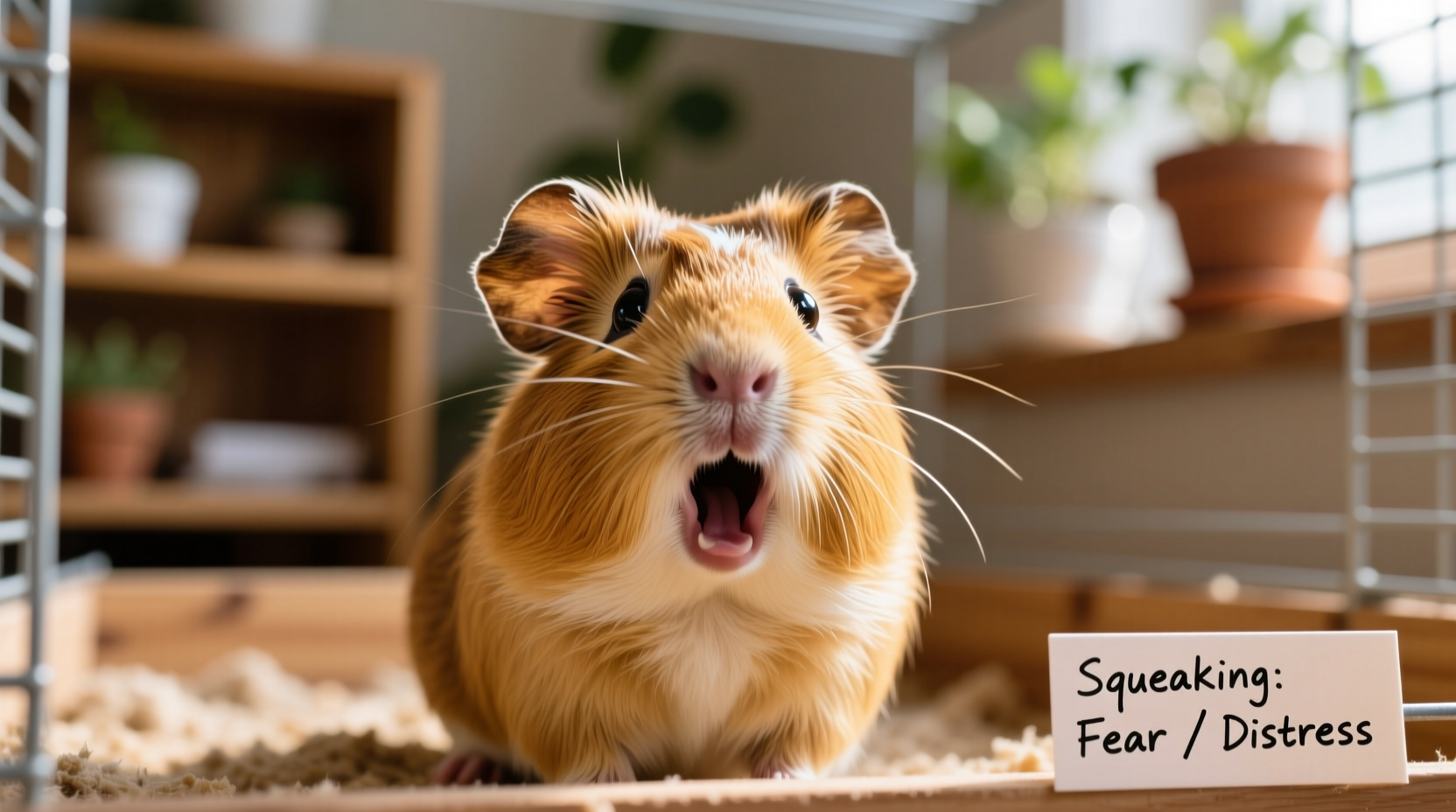
Unlike cats or dogs, guinea pigs don’t rely heavily on body language alone. While posture, movement, and fur condition offer clues, vocalizations are their main mode of communication. They have evolved to be highly social animals, living in groups in the wild where constant auditory signals help maintain cohesion and alert others to danger. In captivity, they transfer this behavior to interactions with humans and cage mates.
Guinea pigs produce a variety of sounds, each with distinct pitch, duration, and frequency. These include purring, chattering, rumbling, and, most commonly, squeaking. Squeaking—also known as \"wheeking\" or high-pitched chirping—is one of the most frequent and misunderstood behaviors. It's not a single emotion but rather a versatile signal that changes meaning based on context, tone, and accompanying behaviors.
Types of Squeaks and Their Emotional Meanings
Not all squeaks are created equal. The same sound can indicate excitement in one moment and distress in another. Here’s a breakdown of the most common types:
- High-pitched, rapid squeaking (wheeking): Often heard when food is being prepared. This is typically a positive sign of anticipation and eagerness.
- Short, sharp squeals: Indicate sudden pain, fear, or surprise—such as when startled or accidentally squeezed.
- Prolonged, insistent squeaking: May signal frustration, especially if ignored during feeding or playtime.
- Squealing during interaction: Can point to discomfort, territorial disputes, or mating behavior.
- Soft, repetitive chirps: Less common, sometimes linked to confusion or mild anxiety, particularly in young or newly adopted guinea pigs.
Common Triggers for Excessive Squeaking
While occasional squeaking is normal, persistent or intense vocalization can indicate underlying issues. Recognizing common triggers helps distinguish between natural expression and potential problems.
Feeding Time Anticipation
One of the most frequent causes of squeaking is food-related excitement. Guinea pigs quickly learn routines and may begin wheeking loudly when they hear the rustle of a food bag or see you approaching the cage. This behavior is learned and reinforced by consistent feeding schedules. While not harmful, it can become excessive if the animal feels anxious about meal timing.
Social Interaction Needs
As herd animals, guinea pigs crave companionship. A lone guinea pig may squeak more often due to loneliness or boredom. Even bonded pairs can vocalize heavily during social rituals like grooming, chasing, or establishing hierarchy. Over-squeaking in multi-pig setups may signal tension or conflict, especially if accompanied by teeth chattering or aggressive posturing.
Environmental Stressors
Loud noises, sudden movements, unfamiliar scents, or changes in routine can trigger anxiety-related squeaking. Guinea pigs have sensitive hearing and poor eyesight, making them reliant on sound and smell. A vacuum cleaner, barking dog, or even rearranged furniture might provoke high-pitched distress calls.
Physical Discomfort or Pain
Persistent, low-intensity squeaking—especially when combined with lethargy, hunched posture, or reduced appetite—can indicate illness or injury. Dental issues, respiratory infections, urinary tract problems, or gastrointestinal discomfort often manifest through subtle vocal cues before visible symptoms appear.
“Guinea pigs are masters of hiding pain. Frequent or unusual squeaking, especially outside typical contexts like feeding, should prompt a health check.” — Dr. Laura Simmons, Exotic Animal Veterinarian
Interpreting Context: A Step-by-Step Guide
To accurately understand your guinea pig’s emotional state, follow this observational process:
- Note the timing: Is the squeaking happening during feeding, handling, or at random times?
- Assess the tone: Is it high and quick (excited) or sharp and abrupt (painful)?
- Observe body language: Look for signs like freezing, teeth chattering, puffing up, or fleeing.
- Check recent changes: Has there been a new pet, diet change, cage move, or loud event?
- Monitor frequency: Occasional squeaks are normal; constant vocalization may require intervention.
For example, if your guinea pig squeaks every time you open the fridge but stops once fed, it’s likely conditioned excitement. But if the squeaking occurs while resting or continues for hours without stimulus, further investigation is warranted.
Mini Case Study: Luna the Lonely Pig
Luna, a two-year-old female guinea pig, was adopted after her previous companion passed away. Her new owner reported constant squeaking, especially at night. Initially dismissed as “adjustment noise,” the behavior persisted for weeks. Upon closer observation, Luna was seen circling her empty cage, vocalizing toward the wall where another enclosure used to be. She showed no signs of illness, ate normally, but remained hyper-vocal.
After introducing a gentle male companion, Milo, within a week Luna’s nighttime squeaking decreased by over 80%. Her daytime chirps became more relaxed, and she began mutual grooming. This case illustrates how emotional needs—particularly social bonding—can drive excessive vocalization. For solitary guinea pigs, companionship isn’t just enriching; it’s psychologically essential.
Do’s and Don’ts of Responding to Squeaking
| Do | Don’t |
|---|---|
| Respond calmly to distress squeaks with reassurance or removal from stressor | Yell at or punish your guinea pig for squeaking |
| Establish consistent daily routines for feeding and interaction | Ignore prolonged or painful-sounding squeals |
| Provide enrichment like tunnels, chew toys, and hiding spots | Overhandle your pig when it’s clearly uncomfortable |
| Introduce a compatible companion if your pig is alone | Force bonding sessions that lead to aggression or fear |
| Consult a vet if squeaking is paired with physical symptoms | Assume all squeaking is attention-seeking behavior |
When Squeaking Signals Health Problems
While many squeaks are emotionally driven, some reflect physical suffering. Guinea pigs cannot vomit and have delicate digestive systems, making them prone to conditions that cause silent pain—except for vocal clues. Key red flags include:
- Squeaking when moving, suggesting joint pain or injury
- Vocalizing during urination, which may indicate bladder stones
- Whimpering while eating, often linked to dental malocclusion
- Labored breathing with soft squeaks, pointing to respiratory infection
Dental disease affects up to 70% of adult guinea pigs, according to the Journal of Exotic Pet Medicine. Misaligned teeth grow continuously and can pierce gums, causing severe pain with minimal outward signs. A guinea pig that squeaks when nibbling hard food or avoids pellets altogether should be examined by an exotic vet immediately.
Checklist: When to Seek Veterinary Help
- ✅ Squeaking lasts more than a few hours without clear cause
- ✅ Accompanied by loss of appetite or weight
- ✅ Occurs during basic movements like walking or turning
- ✅ Paired with teeth grinding (a sign of pain)
- ✅ Follows a fall, rough handling, or fight with another pig
- ✅ Changes in vocal pattern—e.g., deeper, weaker, or hoarse sounds
Frequently Asked Questions
Is it normal for my guinea pig to squeak all day?
Occasional squeaking throughout the day is normal, especially around feeding or social interaction. However, non-stop squeaking—particularly if it seems urgent or distressed—warrants investigation. Evaluate environment, companionship, and health. Persistent vocalization is not typical and may indicate unmet needs or discomfort.
Why does my guinea pig squeak when I pick it up?
This depends on the tone and context. A brief, high-pitched squeak may simply mean surprise or mild discomfort, especially if your guinea pig isn’t fully tamed. However, repeated squealing, struggling, or freezing suggests fear or past negative experiences. Always support their body fully, avoid sudden movements, and build trust gradually through gentle handling and positive reinforcement.
Can guinea pigs squeak in their sleep?
True sleep vocalizations are rare. If your guinea pig appears to squeak while sleeping, it may actually be in a light doze or reacting to external sounds. Genuine nighttime squeaking usually means disturbance—either environmental (noises, light) or emotional (loneliness, anxiety). Ensure the cage is in a quiet, darkened area during rest periods.
Conclusion: Listening with Empathy
Your guinea pig’s squeaks are not mere noise—they are messages. Each sound offers a window into their emotional world, revealing joy, need, fear, or pain. By paying close attention to tone, timing, and context, you transform from a passive listener to an active participant in your pet’s well-being. Responsible care goes beyond food and bedding; it includes understanding the subtle language of squeaks. Whether it’s adjusting their environment, providing companionship, or seeking veterinary help, your response shapes their quality of life.




 浙公网安备
33010002000092号
浙公网安备
33010002000092号 浙B2-20120091-4
Comments
No comments yet. Why don't you start the discussion?