
Guinea pigs are expressive little creatures, and their vocalizations offer valuable insight into their emotional and physical states. One of the most common behaviors owners notice is squeaking during mealtime. While some assume all squeaks are signs of joy, the truth is more nuanced. A guinea pig’s squeak can signal excitement, impatience, discomfort, or even pain—depending on context, tone, and body language. Understanding these subtle differences helps ensure your pet is not only fed but also emotionally secure and physically healthy.
The Language of Guinea Pig Vocalizations
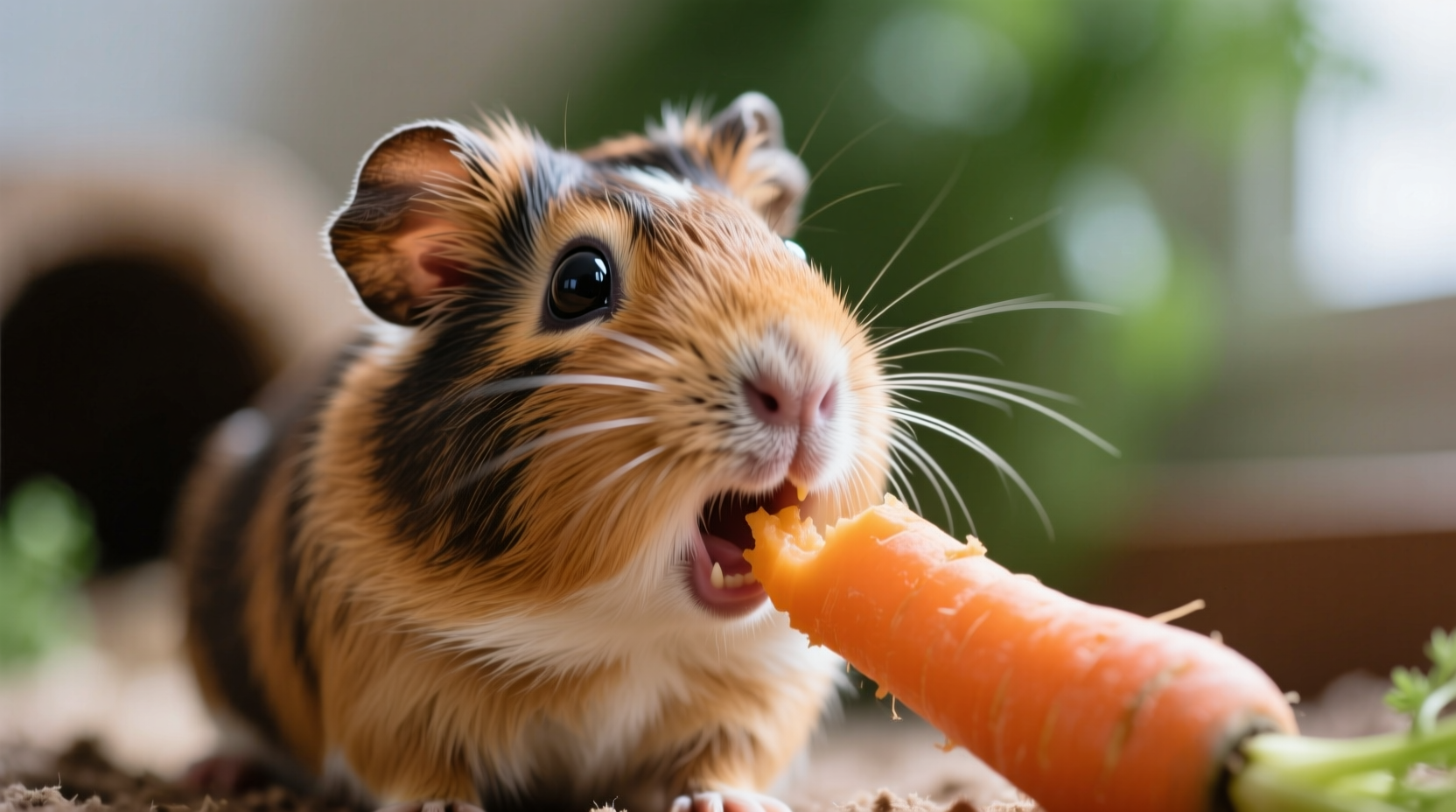
Guinea pigs communicate primarily through sound. Unlike cats or dogs, they don’t rely heavily on body posture alone. Instead, they use a repertoire of vocal cues to express needs, emotions, and reactions. These include purring, chirping, rumbling, hissing, teeth chattering—and yes, squeaking. The high-pitched nature of their squeaks often catches human attention, especially when it occurs repeatedly during feeding.
Squeaking, known scientifically as \"wheeking,\" is one of the most recognizable sounds guinea pigs make. It typically manifests as a sharp, piercing noise that rises in pitch. This sound is so distinct that many owners report hearing it the moment they pick up a food bag or open the fridge. But while wheeking is commonly associated with anticipation, its meaning shifts based on frequency, duration, and accompanying behavior.
Happy Squeaking: When Excitement Drives the Noise
In most cases, squeaking during feeding is a positive sign. Guinea pigs are creatures of habit and quickly learn the routine around mealtimes. When they hear the crinkle of a vegetable bag or the opening of a pellet container, they respond with enthusiastic wheeking—a clear signal of anticipation and pleasure.
This type of squeaking is usually rhythmic, repetitive, and high-pitched but not shrill. It often begins the moment food-related sounds start and may continue briefly after eating begins. Happy wheeking is accompanied by other signs of contentment:
- Active movement toward the food source
- Nose twitching and alert posture
- Soft purring while chewing
- Approaching the caregiver willingly
Dr. Laura Brown, a small mammal veterinarian with over 15 years of experience, explains:
“Wheeking is a learned behavior rooted in positive reinforcement. Guinea pigs associate certain sounds with food delivery, and the squeak becomes a way of saying, ‘I know what’s coming—and I want it now!’ In healthy social environments, this is perfectly normal.”
Stress or Discomfort: When Squeaking Signals Trouble
Not all squeaking is joyful. If your guinea pig emits short, sharp squeals *during* or immediately *after* taking a bite, it may indicate oral pain, digestive issues, or environmental stress. Unlike the sustained wheek of excitement, distress squeaks are abrupt, louder, and often followed by withdrawal from food.
Common causes of painful or anxious squeaking include:
- Dental disease: Overgrown molars or spurs can make chewing painful.
- Gastrointestinal discomfort: Bloating, gas, or ileus (gut stasis) cause abdominal pain.
- Food aversion: Sudden introduction of new or bitter vegetables may trigger rejection.
- Competition: In multi-guinea setups, dominant animals may intimidate others mid-meal.
A key differentiator is timing. If the squeak happens *before* food arrives, it’s likely excitement. If it occurs *while chewing*, especially with head shaking or pawing at the mouth, it warrants closer inspection.
“Any change in vocalization during eating should be taken seriously. Guinea pigs hide pain instinctively—so audible discomfort means the issue is already significant.” — Dr. Alicia Mendez, Exotic Animal Specialist
How to Tell the Difference: A Practical Guide
Interpreting your guinea pig’s squeaks requires attention to both sound and context. Use the following checklist to assess whether the noise reflects happiness or distress:
✅ Signs Your Guinea Pig Is Happy
- Squeaking starts before food is presented
- Vocalizations decrease once eating begins
- Normal chewing rhythm without pauses
- No facial grimacing (e.g., tightened eyes)
- Continues eating after initial excitement
⚠️ Signs of Stress or Pain
- Sudden squealing mid-bite
- Stopping eating abruptly after squeaking
- Drooling or dropping food
- Reduced appetite over multiple meals
- Hunched posture or teeth grinding
| Vocal Pattern | Tone | Timing | Emotional Indicator |
|---|---|---|---|
| Repetitive, rhythmic | High-pitched but musical | Before food, fades during eating | Excitement / Anticipation |
| Single, sharp burst | Screaming or piercing | During or right after biting | Pain / Startle |
| Continuous, urgent | Loud and insistent | With pacing or cage-bar biting | Frustration / Hunger |
| Weak, intermittent | Thin or breathy | With lethargy or isolation | Illness / Weakness |
Real-Life Example: Bella’s Sudden Change
Bella, a three-year-old female guinea pig, had always been an enthusiastic eater. Her owner, Mark, was used to her loud wheeking every morning when he prepared hay and bell peppers. But over two days, he noticed a shift: Bella still squeaked at the sound of food, but seconds after biting into a pepper, she’d let out a sharp cry and retreat to her hideout.
Concerned, Mark recorded the behavior and brought Bella to an exotic vet. Upon examination, the vet discovered a molar spur—a sharp overgrowth cutting into Bella’s tongue. After a dental trim under sedation and a week of soft foods, Bella returned to normal eating without pain-induced squeals.
This case highlights how subtle changes in vocalization timing can reveal underlying medical issues long before visible symptoms appear. Early intervention prevented weight loss and infection.
Step-by-Step: What to Do If Your Guinea Pig Squeaks While Eating
If you’re unsure whether your guinea pig’s squeaking is harmless or concerning, follow this timeline to assess and act appropriately:
- Observe the pattern (Day 1): Note when the squeak occurs—before, during, or after eating? Is it consistent across meals?
- Check food texture: Switch to softer options like cucumber, steamed zucchini, or soaked pellets to rule out chewing difficulty.
- Inspect mouth and teeth: Gently lift the lips to look for drooling, swelling, or overgrown front teeth. (Do not force the mouth open.)
- Monitor appetite and droppings (Days 2–3): Reduced intake or smaller, drier poop may indicate GI issues.
- Eliminate competition: Feed each guinea pig in separate areas if housed together.
- Schedule a vet visit (by Day 4): If squeaking persists during chewing or eating stops altogether, seek professional evaluation.
Environmental Factors That Influence Mealtime Behavior
Beyond health, your guinea pig’s surroundings play a major role in how calmly or anxiously they eat. These animals are prey species, highly sensitive to noise, movement, and perceived threats. Even minor disturbances can turn a happy meal into a stressful event.
Common environmental stressors include:
- Loud household appliances (vacuum cleaners, blenders)
- Predatory pets nearby (cats, dogs)
- Cage placement in high-traffic areas
- Insufficient hiding spots during feeding
To promote relaxed eating, create a quiet feeding zone. Move the enclosure away from foot traffic if possible, provide at least one enclosed shelter, and maintain consistent feeding times. Some owners find success playing soft classical music during meals to mask sudden noises.
Frequently Asked Questions
Is it normal for guinea pigs to squeak every time they eat?
Occasional pre-meal squeaking is normal, especially if tied to excitement. However, squeaking *during* every bite is not typical and may suggest dental problems or food discomfort. Consistent vocalization while chewing should be evaluated by a vet.
Can guinea pigs get too excited and hurt themselves while eating?
While rare, overexcitement can lead to minor injuries such as bumping into cage walls or fighting over food. To prevent this, feed in spacious areas, avoid hand-feeding in multi-pet setups, and ensure all animals have equal access to food bowls.
Why does my guinea pig squeak only for certain foods?
This is usually due to preference. Strongly flavored veggies like cilantro or fruits like apple trigger more intense wheeking because they’re highly desirable. If squeaking turns to rejection upon tasting, the food may be too fibrous, cold, or spoiled.
Final Thoughts: Listening With Care
Your guinea pig’s squeak is more than just noise—it’s a window into their world. Whether expressing joyful anticipation or signaling hidden discomfort, these sounds demand thoughtful interpretation. By combining observation, environmental management, and timely veterinary care, you can ensure that every meal is not only nutritious but also emotionally safe.
Never dismiss persistent or painful squeaking as mere personality. These small animals suffer in silence far too often. Responding early to changes in vocal behavior can prevent serious health complications and extend your companion’s quality of life.




 浙公网安备
33010002000092号
浙公网安备
33010002000092号 浙B2-20120091-4
Comments
No comments yet. Why don't you start the discussion?