
Washing your hair one day only to find it limp, flat, and slick with oil the next can be frustrating—especially when you’re following what seems like a solid hair care routine. You're not alone. Millions of people struggle with hair that turns greasy within 24 hours, regardless of how often they shampoo. The root cause isn’t always poor hygiene or overwashing; it’s often a combination of biological, environmental, and behavioral factors. Understanding why this happens—and what you can do about it—is key to achieving cleaner, healthier-looking hair that lasts beyond a single day.
Understanding the Science Behind Oily Hair
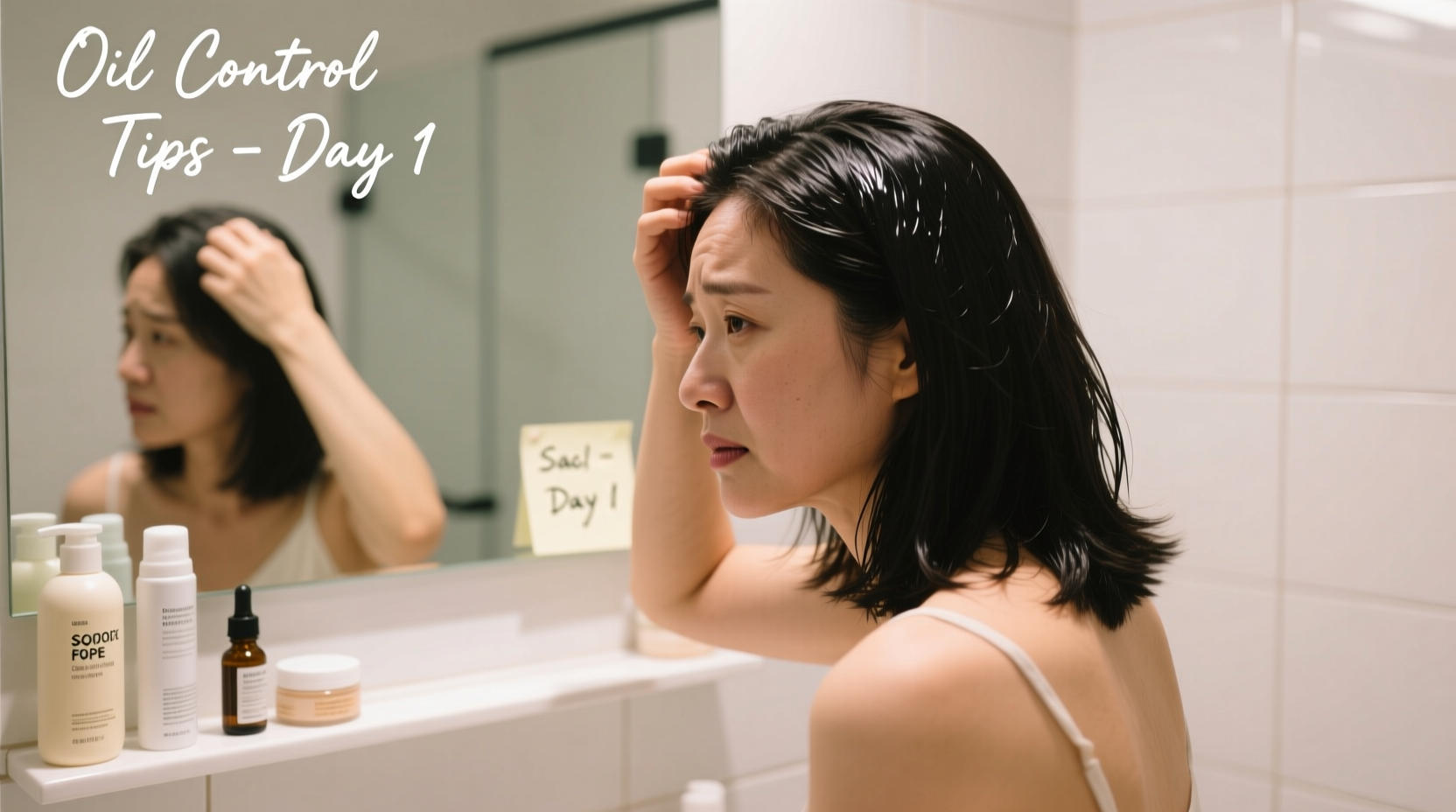
Sebum is the natural oil produced by sebaceous glands in your scalp. Its primary function is to moisturize and protect both your scalp and hair shafts. In moderation, sebum is beneficial—it prevents dryness, adds shine, and supports a healthy microbiome on your scalp. However, excessive sebum production leads to that dreaded greasy feeling, especially near the roots.
Several factors influence how much sebum your scalp produces:
- Hormonal fluctuations: Androgens (like testosterone) stimulate sebum production. This explains why oily scalps are common during puberty, menstruation, pregnancy, or conditions like PCOS.
- Genetics: Some people naturally have more active sebaceous glands due to inherited traits.
- Diet: High-glycemic foods and dairy may exacerbate oiliness in sensitive individuals.
- Climate: Heat and humidity increase oil production as sweat mixes with sebum.
- Overwashing: Stripping the scalp too frequently signals it to produce more oil to compensate.
The cycle becomes self-perpetuating: wash too much → scalp dries out → scalp overproduces oil → hair looks greasy again quickly.
“Many patients come in thinking they need to wash daily, but often, they’re worsening the problem by disrupting their scalp’s natural balance.” — Dr. Lena Torres, Board-Certified Dermatologist
Common Mistakes That Worsen Greasy Roots
Sometimes, the very habits meant to combat oily hair actually make it worse. Here are some frequent missteps:
| Mistake | Why It Backfires | Better Alternative |
|---|---|---|
| Using harsh sulfates daily | Strips natural oils, triggers rebound oiliness | Switch to sulfate-free or co-wash formulas |
| Touching hair throughout the day | Transfers oils and bacteria from hands to scalp | Avoid constant touching; keep hands clean if styling |
| Overusing dry shampoo | Clogs pores, builds up residue, irritates scalp | Limited use between washes; cleanse thoroughly afterward |
| Skipping conditioner entirely | Dry ends lead to tangling and increased manipulation | Apply conditioner only to mid-lengths and ends |
| Hot water washing | Stimulates sebaceous glands and strips moisture | Rinse with lukewarm or cool water |
Step-by-Step Guide to Managing Oily Roots
Fixing greasy hair isn’t about eliminating oil completely—it’s about restoring balance. Follow this structured approach to see lasting improvements:
- Adjust Your Washing Frequency
Start by reducing washes. If you’re washing daily, try every other day. Gradually extend to every two or three days. This trains your scalp to regulate oil production. - Choose the Right Shampoo
Look for ingredients like salicylic acid, tea tree oil, pyrithione zinc, or clay-based formulas. These help unclog follicles and gently control oil without over-drying. - Massage, Don’t Scrub
Use the pads of your fingers to massage the scalp in circular motions for 1–2 minutes. Avoid nails, which can cause micro-tears and inflammation. - Rinse Thoroughly
Leftover product buildup can weigh hair down and trap oil. Spend extra time rinsing, especially at the crown and hairline. - Condition Strategically
Apply conditioner only from the ears down. Never apply directly to the scalp unless using a targeted treatment serum. - Blow-Dry with Cool Air
After washing, use a blow dryer on a cool setting to close the cuticle and reduce frizz. Heat can stimulate oil glands if used excessively. - Incorporate a Scalp Treatment Weekly
Use a clarifying mask or exfoliating scrub once a week. Bentonite clay, charcoal, or AHAs help remove dead skin cells and excess oil.
Real-Life Example: How Sarah Reduced Daily Washes in 3 Weeks
Sarah, a 28-year-old office worker, washed her fine, straight hair every morning because it looked flat and greasy by noon. She tried switching shampoos multiple times but saw no change. After consulting a trichologist, she implemented a gradual transition plan:
- Week 1: Washed every day but switched to a sulfate-free, tea tree-infused shampoo.
- Week 2: Skipped one day midweek, using dry shampoo sparingly at the roots before bed.
- Week 3: Extended to every other day. She began massaging her scalp during washing and applied a lightweight leave-in conditioner only to ends.
By the end of the third week, Sarah noticed her hair stayed fresher longer. On day two, it had volume and texture instead of looking oily. Her scalp felt less tight, and she no longer needed dry shampoo daily. The adjustment period was challenging, but consistency paid off.
Expert-Recommended Solutions for Long-Term Balance
While short-term fixes like dry shampoo offer temporary relief, long-term success comes from addressing root causes. Consider these expert-approved strategies:
1. Try the “Co-Wash” Method
Co-washing (conditioner-only washing) helps maintain moisture balance while gently removing surface dirt. Ideal for curly or textured hair types, but can work for others if done selectively. Use a cleansing conditioner formulated for buildup removal, not just hydration.
2. Incorporate Lightweight, Non-Comedogenic Products
Many styling products contain silicones and heavy oils that clog hair follicles. Opt for water-based serums, mists, or gels labeled “non-comedogenic” or “oil-free.” Avoid coconut oil, shea butter, or mineral oil near the roots.
3. Clean Your Tools Regularly
Brushes, combs, and pillowcases accumulate oil, dead skin, and product residue. Wash brushes weekly with mild soap and hot water. Change pillowcases every 2–3 days, preferably using cotton or silk fabrics.
4. Monitor Diet and Stress Levels
Emerging research links high-sugar diets and chronic stress to increased sebum production. Reducing processed foods, staying hydrated, and practicing mindfulness techniques (like meditation or yoga) may indirectly improve scalp health.
Checklist: Your 7-Day Action Plan for Less Greasy Hair
Follow this practical checklist to start seeing changes in just one week:
- ☐ Switch to a gentle, sulfate-free shampoo with balancing ingredients (e.g., tea tree, salicylic acid)
- ☐ Wash hair every other day instead of daily
- ☐ Massage scalp for 90 seconds during each wash
- ☐ Condition only from mid-shaft to ends
- ☐ Use dry shampoo max 2x per week, focusing on roots
- ☐ Wash pillowcase and hat liners twice this week
- ☐ Perform one clarifying treatment (clay mask or AHA scalp peel)
- ☐ Avoid touching hair with hands throughout the day
- ☐ Drink at least 2 liters of water daily to support skin and scalp health
- ☐ Evaluate current hair products—discard anything heavy or oil-based
Frequently Asked Questions
Can oily roots mean my hair is actually dry?
Yes. It’s possible to have an oily scalp and dry ends—a condition known as “combination hair.” This often occurs when harsh shampoos strip the lengths while the scalp overcompensates with oil. Treat sections separately: use lightweight products near roots and hydrating masks on ends.
Is it bad to never wash oily hair?
Absolutely. While overwashing worsens oiliness, not washing enough allows sebum, sweat, and debris to build up, potentially leading to clogged follicles, dandruff, or fungal infections. Aim for balance—most experts recommend washing every 2–4 days depending on hair type and lifestyle.
Does brushing hair spread oil too much?
It depends. Brushing can distribute natural oils from roots to ends, which can be beneficial for dry hair. But for oily roots, excessive brushing spreads grease faster. Limit brushing to styling only, and use a boar bristle brush sparingly—preferably on second- or third-day hair.
Conclusion: Take Control of Your Hair Health
Greasy hair after just one day doesn’t have to be your normal. With a deeper understanding of sebum production and the right adjustments to your routine, you can break the cycle of daily washing and reclaim fresh, voluminous hair that lasts. It takes patience—your scalp needs time to recalibrate—but the results are worth it. Focus on balance, not elimination. Choose products wisely, avoid counterproductive habits, and listen to your scalp’s signals.




 浙公网安备
33010002000092号
浙公网安备
33010002000092号 浙B2-20120091-4
Comments
No comments yet. Why don't you start the discussion?