
Dry shampoo has become a staple in modern haircare routines—offering a quick fix for second-day (or third-day) hair without the hassle of washing. It absorbs oil, adds volume, and extends time between washes. But if you’ve noticed your hair feeling heavier, coated, or even greasier after using it, you’re not alone. This counterintuitive result frustrates many users who rely on dry shampoo for freshness. The issue isn’t always the product itself—it’s often how it’s being applied.
Understanding the science behind dry shampoo and mastering its proper use can transform your experience from disappointing to flawless. Let’s explore why this happens and how to apply dry shampoo correctly for truly clean, light, and revitalized hair.
Why Dry Shampoo Can Make Hair Feel Greasier
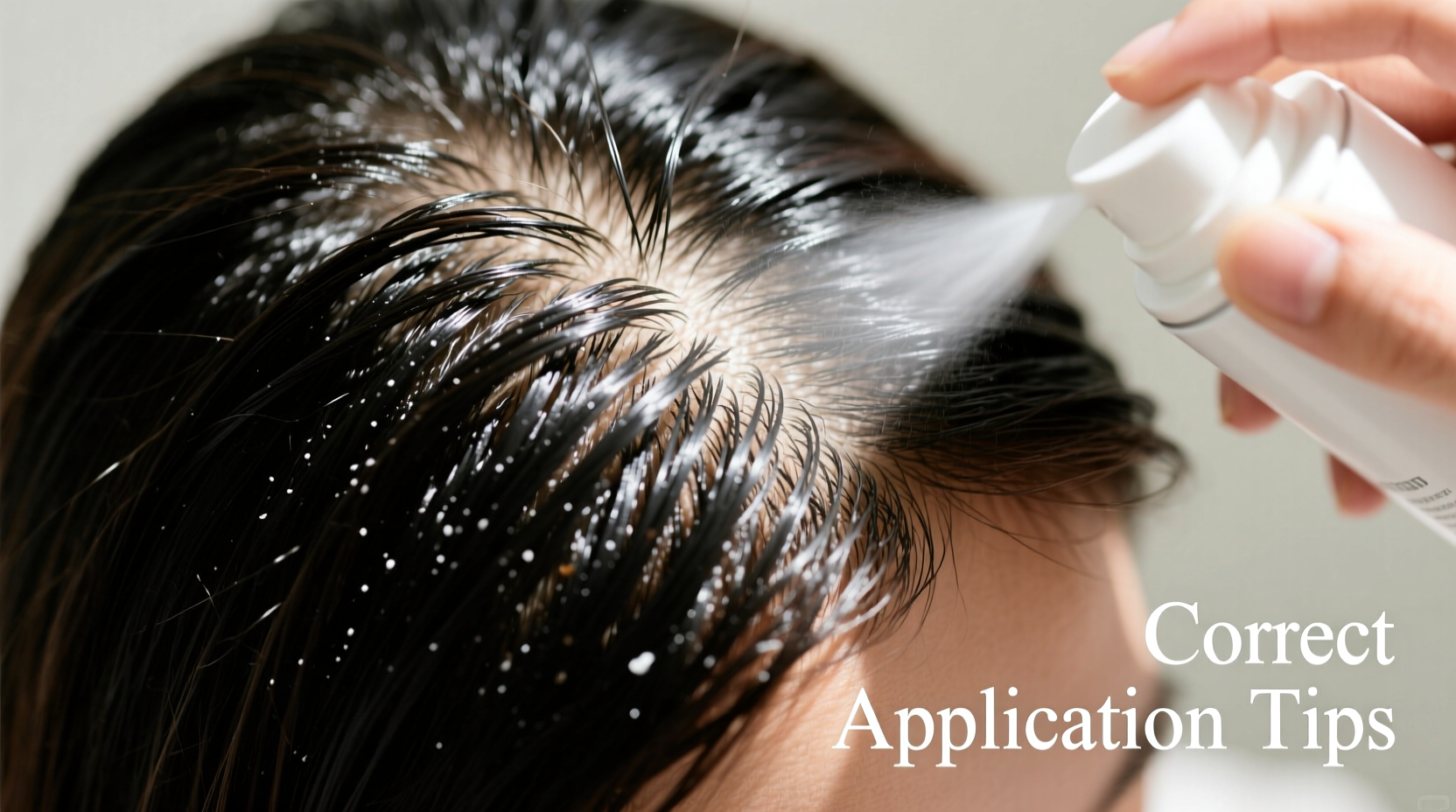
Dry shampoo works by absorbing excess sebum—the natural oil produced by your scalp—using ingredients like starch, alcohol, or silica. When used properly, it lifts away oil and gives hair a refreshed appearance. However, several factors can cause it to backfire, leaving hair feeling sticky, weighed down, or oddly greasy.
Buildup from Overuse
One of the most common reasons dry shampoo leads to greasiness is overapplication or daily use without washing. Each spray leaves behind residue. Over time, these residues accumulate on the scalp and hair shafts, creating a film that traps oil rather than removing it. Instead of absorbing grease, the product begins to mix with it, forming a waxy layer that feels slick and dirty.
Incorrect Application Timing
Applying dry shampoo to freshly washed, completely dry hair might seem logical, but timing matters. If used too early—before oil has had a chance to rise to the surface—it may absorb moisture from the air or sit inertly on strands, leading to clumping. Conversely, applying it when the scalp is already saturated with oil reduces its effectiveness, as there’s simply too much grease for the formula to handle.
Poor Distribution and Residue
Many people spray dry shampoo directly onto their roots and leave it. Without proper massage or brushing, the powder doesn’t fully integrate into the scalp. Instead, it settles on top, mixing with oil but failing to absorb it evenly. This results in patchy texture and a sensation of grittiness mixed with slipperiness—a hallmark of improper dispersion.
“Dry shampoo is a temporary solution, not a replacement for cleansing. When overused, it creates a barrier that prevents the scalp from breathing and traps sebum underneath.” — Dr. Lena Patel, Trichologist and Hair Health Specialist
The Science Behind Oil Absorption in Dry Shampoos
Different formulations use various active ingredients to absorb oil:
- Starch-based (rice, corn, oat): Gentle and effective for fine hair; may require more thorough brushing.
- Silica or talc: Highly absorbent, often found in high-performance formulas; better for oily scalps.
- Alcohol-based propellants: Help disperse the product but can be drying with prolonged use.
While these ingredients are designed to bind to oil, they have limits. Once saturated, they stop working and begin contributing to buildup. Additionally, some formulas contain conditioning agents or fragrances that coat the hair, further increasing the risk of residue accumulation.
Step-by-Step Guide to Correct Dry Shampoo Application
Proper technique makes all the difference. Follow this sequence to ensure maximum absorption and minimal residue:
- Shake the can vigorously for 10–15 seconds. This ensures the propellant and powders are well-mixed, preventing clogs and uneven delivery.
- Section your hair. Part your hair into 2–4 sections to access the roots thoroughly. Use clips to hold sections aside.
- Hold the can 6–8 inches from your scalp. Spray in short bursts directly at the roots, focusing on oily areas like the crown, temples, and hairline. Avoid oversaturating any one spot.
- Let it sit for 1–2 minutes. This allows the active ingredients time to bind with oil. Don’t rush this step—absorption takes time.
- Massage gently with fingertips. Use circular motions to work the product into the scalp. This boosts absorption and prevents white cast.
- Brush through thoroughly. Use a boar bristle brush to distribute remaining powder and remove excess. Start at the roots and work toward ends.
- Style as usual. Blow-drying on low heat can help activate absorption, especially with starch-based formulas.
When to Apply Dry Shampoo
The ideal window is **before bedtime** or **in the morning before styling**, depending on your hair type:
- Fine or oily hair: Apply at night so the product absorbs oil overnight.
- Thick or coarse hair: Apply in the morning after sleeping, when oil has risen to the surface.
Common Mistakes That Lead to Greasy Hair
Avoid these pitfalls to keep your dry shampoo routine effective:
| Mistake | Why It Causes Greasiness | Better Alternative |
|---|---|---|
| Spraying too close to the scalp | Causes clumping and uneven distribution | Hold 6–8 inches away |
| Using daily without washing | Leads to cumulative residue trapping oil | Limits use to 2–3 times per week max |
| Not brushing out the product | Leaves powder sitting on top, mixing with oil | Always brush thoroughly post-application |
| Applying to soaking-wet or overly oily hair | Reduces absorption capacity | Use on slightly oily, dry hair |
| Using too much product | Overwhelms hair, creates paste-like texture | Start with 2–3 second bursts per section |
Real-Life Example: Sarah’s Dry Shampoo Struggle
Sarah, a 29-year-old marketing professional, used dry shampoo almost every day to save time during her busy mornings. After a few weeks, she noticed her hair felt limp, looked dull, and had an odd greasy-sandy texture. She assumed her product was defective and switched brands—twice. The problem persisted.
After consulting a hairstylist, she realized she was spraying too much, too often, and never brushing it out. She also hadn’t washed her hair in nearly a week. Following a clarifying wash and a revised routine—using dry shampoo only twice weekly, massaging it in, and brushing thoroughly—her hair regained volume and freshness. “I thought I was saving time,” she said, “but I was actually making things worse.”
How to Remove Buildup and Reset Your Scalp
If your hair already feels coated or greasy from dry shampoo residue, a reset is essential. Here’s how to cleanse effectively:
- Use a clarifying shampoo once every 7–10 days if you use dry shampoo regularly. These shampoos are formulated to dissolve product buildup without stripping natural oils excessively.
- Pre-shampoo oil treatments can help loosen residue. Apply coconut or jojoba oil to dry hair 20 minutes before washing to break down stubborn buildup.
- Double cleanse when washing: First lather removes surface debris; second targets deeper impurities.
- Scalp exfoliation once a week with a gentle scrub helps clear pores and remove dead skin cells mixed with product residue.
Choosing the Right Dry Shampoo for Your Hair Type
Not all dry shampoos are created equal. Matching the formula to your hair type improves results and reduces greasiness:
| Hair Type | Recommended Formula | Key Features |
|---|---|---|
| Fine or thin hair | Lightweight aerosol, starch-based | Adds volume without weighing down |
| Oily scalp | Silica-rich, matte finish | Maximum oil absorption |
| Curly or textured hair | Non-aerosol foam or powder | Less drying, easier to distribute |
| Dark hair | Clear or tinted formulas | Prevents white residue |
| Dry or damaged hair | Hybrid formulas with nourishing oils | Balances cleansing with moisture |
Avoid products with heavy silicones or dimethicone if you’re prone to buildup. Check labels for words like “non-comedogenic” or “residue-free” for cleaner performance.
Checklist: Optimize Your Dry Shampoo Routine
- ☑ Shake the can before each use
- ☑ Section hair for even application
- ☑ Spray 6–8 inches from roots
- ☑ Wait 1–2 minutes before touching
- ☑ Massage into scalp with fingertips
- ☑ Brush out thoroughly with a boar bristle brush
- ☑ Limit use to 2–3 times per week
- ☑ Wash hair weekly with a clarifying shampoo
- ☑ Monitor for signs of buildup (itchiness, flatness, grit)
Frequently Asked Questions
Can dry shampoo cause scalp acne?
Yes. When dry shampoo builds up, it can clog hair follicles and lead to small bumps or irritation known as scalp acne. Regular cleansing and avoiding excessive use reduce this risk.
Is it bad to sleep with dry shampoo in your hair?
Not necessarily—if used correctly. In fact, leaving it overnight enhances oil absorption, especially for fine hair. Just ensure you don’t exceed recommended amounts and wash your hair within 1–2 days.
Why does my dry shampoo leave a white residue?
White cast occurs when the powder isn’t properly worked into the scalp or when too much is applied. To minimize this, spray in short bursts, massage well, and brush thoroughly. For dark hair, opt for tinted or clear formulas.
Conclusion: Master the Balance Between Convenience and Care
Dry shampoo is a powerful tool when used wisely. Its ability to refresh hair quickly makes it invaluable in fast-paced lifestyles. But treating it as a substitute for regular washing or applying it haphazardly defeats its purpose—and can leave your hair feeling greasier than before.
The key lies in balance: strategic application, mindful frequency, and periodic deep cleansing. By understanding how dry shampoo interacts with your scalp’s natural oils and adjusting your routine accordingly, you can enjoy fresh, voluminous hair without the sticky aftermath.




 浙公网安备
33010002000092号
浙公网安备
33010002000092号 浙B2-20120091-4
Comments
No comments yet. Why don't you start the discussion?