
Dry shampoo is a lifesaver on busy mornings or when you're between washes. It promises volume, freshness, and oil absorption—all without water. But if you've noticed that your hair feels heavier, duller, or even *greasier* after using it, you're not alone. This paradox frustrates many users: a product designed to absorb oil ends up making hair look oily. The truth lies in how dry shampoo works, how it's applied, and how often it's used. Understanding the science behind this common issue can help you avoid buildup and get the best results from your favorite product.
How Dry Shampoo Works (and Where It Can Go Wrong)
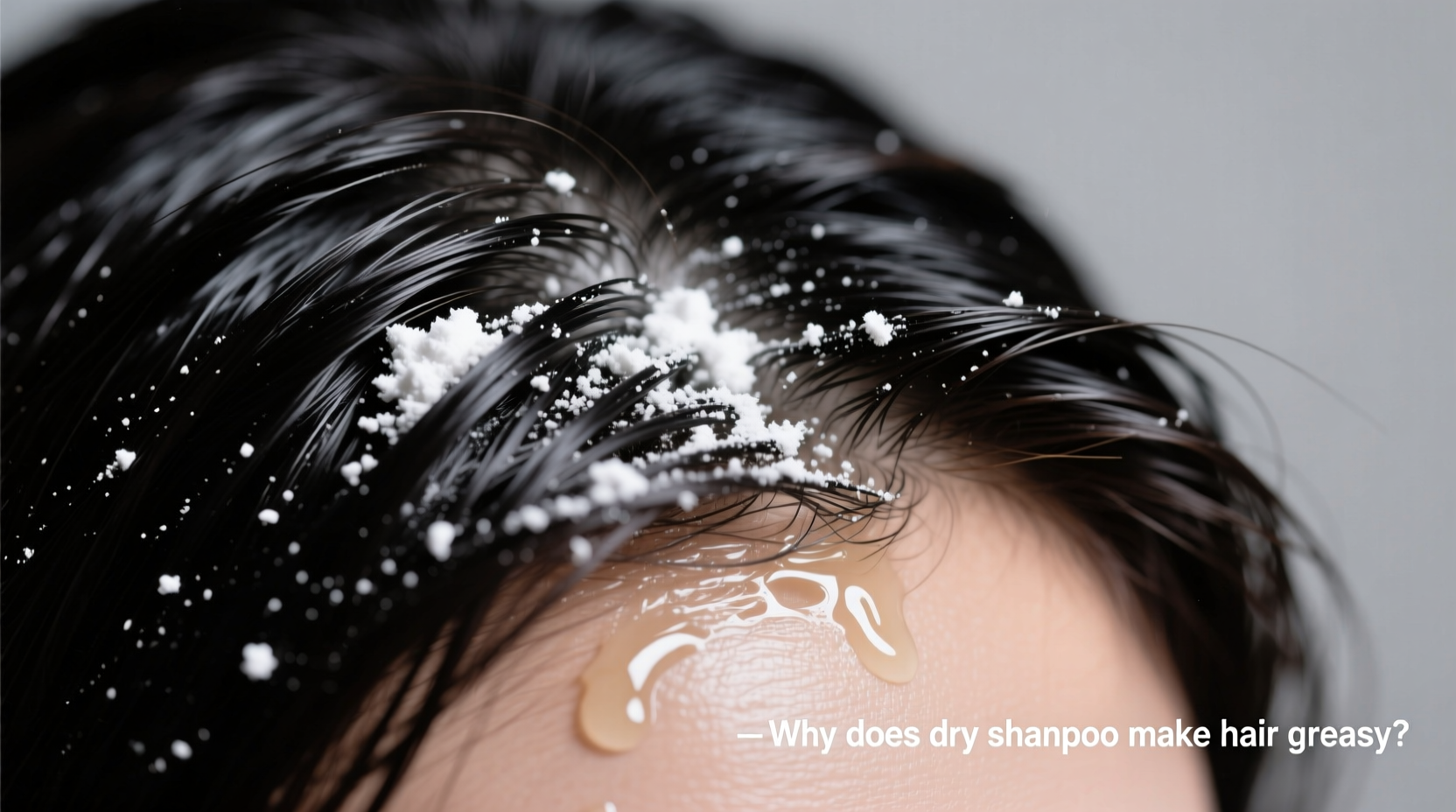
Dry shampoo typically contains alcohol and starch-based powders—like rice, corn, or oat starch—that act as oil absorbers. When sprayed onto the scalp, these ingredients bind to sebum (natural scalp oil), lifting it away from the hair shaft and giving the illusion of freshly washed hair. However, this process isn’t permanent. The absorbed oil remains trapped in the powder particles until the next shampoo wash.
The problem arises when too much product accumulates. Over time, especially with frequent use, the starch and propellants don’t fully dissipate. Instead, they build up at the roots, mixing with residual sebum and dead skin cells. This creates a sticky, waxy layer that weighs hair down and mimics greasiness—even though no new oil has been produced.
Additionally, some formulas contain silicones or conditioning agents meant to improve texture, but these can coat the hair and prevent proper oil absorption. When combined with inadequate brushing or improper application, these ingredients contribute to the \"greasy\" sensation users complain about.
Common Mistakes That Make Hair Feel Greasy
Misuse is one of the biggest reasons dry shampoo backfires. Even high-quality products can cause buildup if not applied correctly. Here are the most frequent errors:
- Overuse: Using dry shampoo daily without washing your hair allows residue to accumulate over time.
- Poor distribution: Spraying too close to the scalp or in one spot leads to clumping and uneven absorption.
- Not massaging in: Failing to work the product into the roots with fingertips or a brush prevents full oil absorption.
- Using too much: More isn’t better. Excess product overwhelms the scalp and leaves behind visible white cast or sticky residue.
- Ignoring hair type: Fine or low-porosity hair is more prone to buildup, while curly or coily textures may trap product in strands.
These mistakes compound quickly. A once-refreshing routine turns into a cycle where each application adds another layer of film, ultimately making hair feel dirtier than before.
The Role of Scalp Health in Dry Shampoo Performance
Your scalp’s natural oil production plays a crucial role in how dry shampoo performs. Some people naturally produce more sebum, especially along the hairline and crown. When dry shampoo is applied only to visibly oily areas, it can create contrast—clean sections next to untreated oily zones—giving an overall impression of greasiness.
Moreover, an imbalanced scalp microbiome or clogged follicles can exacerbate the issue. If dead skin, sweat, and environmental pollutants aren’t regularly cleansed, dry shampoo merely masks the problem instead of solving it. In such cases, the product sits atop debris rather than absorbing oil directly, leading to poor performance and a tacky feel.
“Dry shampoo should complement, not replace, regular cleansing. Think of it as a temporary fix, not a long-term solution.” — Dr. Nina Davis, Trichologist and Hair Wellness Specialist
Choosing the Right Formula for Your Hair Type
Not all dry shampoos are created equal. The formulation must align with your hair’s needs. Using a heavy, moisturizing version on fine, thin hair almost guarantees buildup and flatness. Conversely, an overly drying formula can irritate scalps prone to flakiness.
| Hair Type | Recommended Formula | Avoid |
|---|---|---|
| Fine or Thin | Lightweight, aerosol-based with rice starch | Cream-to-powder or silicone-heavy formulas |
| Thick or Coarse | Texturizing sprays with added volume boosters | Low-absorbency mists |
| Curly or Coily | Non-aerosol powders or transparent sprays | White-tinted aerosols that leave residue |
| Oily Scalp | Alcohol-based with clay or charcoal | Conditioning additives like dimethicone |
| Dry or Sensitive Scalp | Gentle, fragrance-free powders with oat extract | High-alcohol content sprays |
Selecting the right product reduces the risk of residue and improves oil control. For example, brands now offer tinted versions for darker hair to eliminate chalky deposits, or eco-conscious options with biodegradable starches that break down more easily during washing.
Step-by-Step Guide to Using Dry Shampoo Correctly
To prevent greasiness and maximize effectiveness, follow this proven method:
- Section your hair: Part your hair into 2–4 sections to access the roots evenly.
- Hold the can 6–8 inches away: Spray directly at the roots, focusing on oily areas like the crown and hairline.
- Lift and spray: Use one hand to lift the top layers while spraying underneath to reach the scalp.
- Wait 30 seconds: Allow the product to absorb oil before touching your hair.
- Massage thoroughly: Use fingertips to gently rub the product into the scalp, breaking up any clumps.
- Brush out completely: Use a boar bristle brush to distribute remaining powder and remove excess.
- Use only when needed: Limit application to every other day, and always wash your hair at least twice a week.
This sequence ensures deep absorption and minimizes leftover residue. Skipping even one step—especially brushing—can result in a gritty or sticky texture that feels like grease.
Real User Experience: From Greasy to Great
Samantha, a 29-year-old graphic designer from Portland, relied on dry shampoo five days a week due to her hectic schedule. Within weeks, she noticed her hair felt “heavier than unwashed hair” and looked flat by midday. She assumed her product was defective and switched brands—twice—only to face the same issue.
After consulting a hairstylist, she realized she was applying too much product too frequently and never brushing it out properly. She also admitted she hadn’t done a clarifying wash in over three weeks.
Following a simple reset—washing with a clarifying shampoo, reducing dry shampoo to two non-consecutive days per week, and always brushing after use—her hair regained its bounce and freshness. “I thought I was saving time,” she said, “but I was actually making more work for myself.”
Her case highlights a common misconception: convenience shouldn’t come at the cost of scalp hygiene.
When to Wash: Breaking the Buildup Cycle
No amount of brushing or air-drying will remove accumulated dry shampoo residue permanently. At some point, a thorough cleanse is necessary. Ignoring this leads to clogged follicles, weakened strands, and persistent greasiness—even right after washing.
A good rule of thumb: if your hair feels stiff, looks dull, or has a powdery-white or grayish cast at the roots, it’s time for a clarifying shampoo. These formulas are designed to dissolve silicones, waxes, and starches that regular shampoos miss.
Use a clarifying shampoo once every 7–10 days if you use dry shampoo regularly. Follow with a lightweight conditioner to restore moisture without weighing hair down. Avoid over-conditioning the roots, which can add to the greasy sensation.
Do’s and Don’ts of Dry Shampoo Use
| Do | Don't |
|---|---|
| Apply to second-day hair, not dirty hair | Use it as a substitute for shampooing |
| Brush hair thoroughly after application | Leave product sitting without massaging |
| Choose a formula suited to your hair color and type | Use white spray on dark hair without checking for tint |
| Wash your hair at least twice a week | Go more than 5 days without washing |
| Store in a cool, dry place away from heat | Keep it in a humid bathroom where propellants degrade |
FAQ: Common Questions About Dry Shampoo and Greasiness
Can dry shampoo make my hair oilier over time?
No, dry shampoo doesn’t increase oil production. However, overuse can disrupt your scalp’s natural balance. If you go too long without washing, the buildup may signal your scalp to produce more oil to compensate, creating a feedback loop. Regular cleansing breaks this cycle.
Why does my dry shampoo leave a white residue that feels greasy?
White residue is usually undissolved starch or propellant left on the scalp. When mixed with sweat and oil, it forms a paste-like film. To avoid this, apply in short bursts, massage well, and brush thoroughly. Tinted formulas can also minimize visibility on dark hair.
Is there a way to remove dry shampoo buildup without washing?
Not effectively. While brushing helps, only water and surfactants in shampoo can fully dissolve and rinse away the compounds in dry shampoo. Relying solely on brushing prolongs buildup and increases greasiness.
Conclusion: Reset Your Routine for Better Results
Dry shampoo doesn’t have to leave your hair feeling greasy. With the right technique, frequency, and product choice, it can be a powerful tool in your styling arsenal. The key is balance: treat it as a supplement to your hair care routine, not a replacement. Pay attention to how your scalp responds, prioritize regular cleansing, and never underestimate the power of a good brush-out.
If your hair currently feels coated or heavy, start fresh with a clarifying wash. Then, rebuild your dry shampoo habit using the steps outlined here. You’ll likely find that the very product you blamed for greasiness becomes your go-to for fresh, voluminous hair—without the sticky aftermath.




 浙公网安备
33010002000092号
浙公网安备
33010002000092号 浙B2-20120091-4
Comments
No comments yet. Why don't you start the discussion?