
Washing your hair should leave it feeling clean, light, and refreshed. So when you step out of the shower only to find your strands clinging together with a tacky, residue-laden texture, it’s more than just annoying—it’s a sign something in your routine isn’t working. A sticky sensation post-wash is not normal and typically points to product buildup, water quality issues, or improper rinsing. Left unaddressed, this condition can lead to dullness, scalp irritation, and even hinder hair growth.
The good news? Sticky hair is almost always fixable with the right diagnosis and targeted care. Whether you’re using high-end products or sticking to drugstore staples, understanding the root causes—and how to counteract them—can transform your wash day from frustrating to flawless.
Understanding the Sticky Sensation: What It Really Means
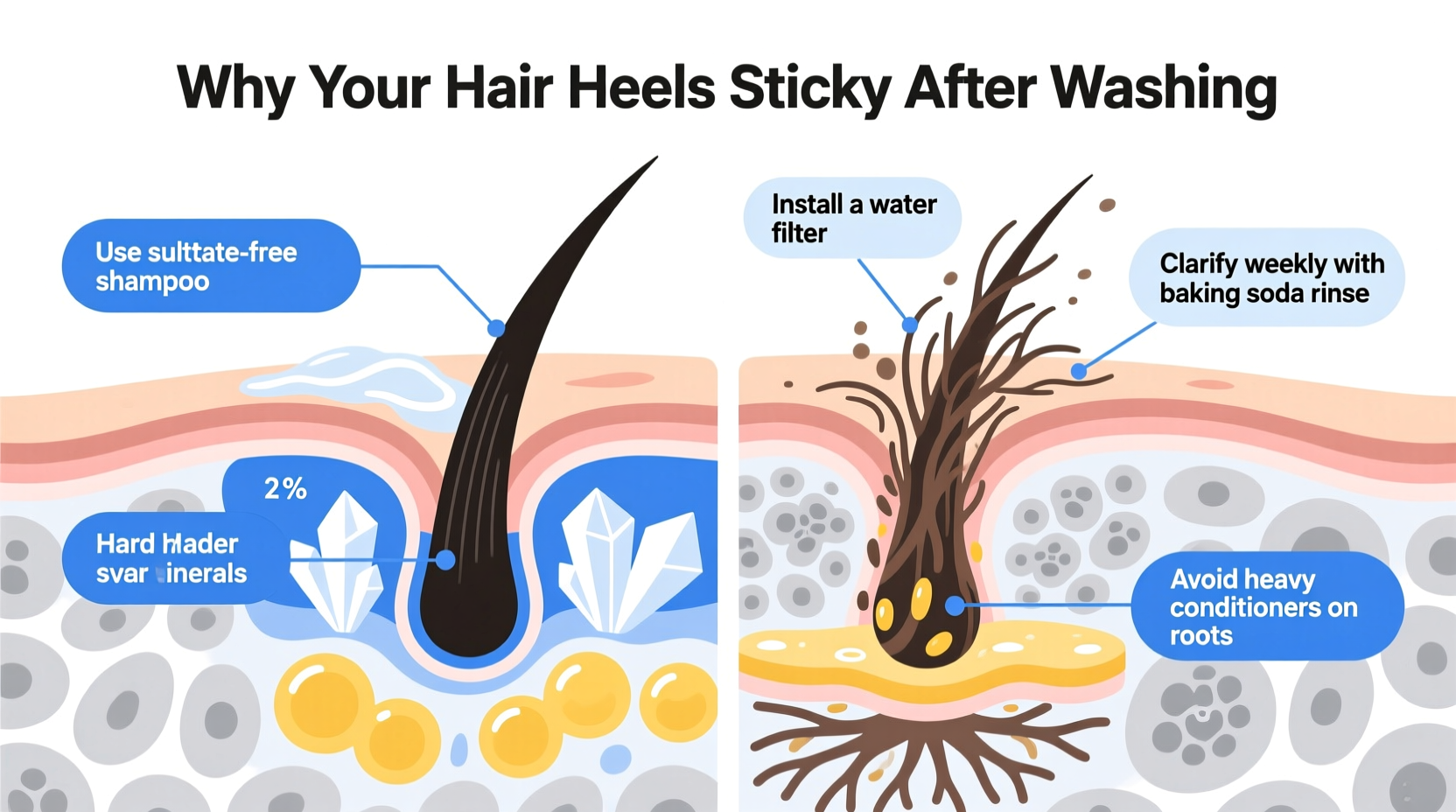
When hair feels sticky, it's usually due to a film left behind on the hair shaft. This coating prevents moisture from properly penetrating the strand and disrupts natural movement, making hair feel heavy, gummy, or coated. Unlike oily hair—which stems from overactive sebaceous glands—sticky hair often results from external factors like product residue, mineral deposits, or chemical interactions.
The sensation can vary: some describe it as “glue-like,” others say their hair “crunches” when dry but feels damp when touched. These clues help identify whether the culprit is silicone buildup, hard water minerals, or incomplete shampoo activation.
It’s also worth noting that certain hair types are more prone to stickiness. Curly, coily, and chemically treated hair tend to accumulate more residue because of their porous nature and layered product use (stylers, leave-ins, oils). However, even fine, straight hair can fall victim—especially if exposed to hard water or sulfate-free cleansers that don’t fully emulsify.
Top 5 Causes of Sticky Hair After Washing
1. Product Buildup from Conditioners and Styling Agents
Conditioners, masks, serums, and styling creams often contain silicones (like dimethicone or amodimethicone) that smooth the cuticle and add shine. While beneficial in moderation, these ingredients don’t dissolve in water and accumulate over time, especially if you’re not using a clarifying shampoo regularly.
Heavy butters like shea or coconut oil can also coat the hair excessively, particularly in low-porosity hair types that struggle to absorb moisture. The result? Hair feels slick during application but turns sticky once water evaporates, leaving behind a greasy-film hybrid.
2. Hard Water Mineral Deposits
If you live in an area with hard water—high in calcium, magnesium, and iron—minerals bind to hair proteins and create a chalky, sticky layer. This film makes hair feel rough at the roots yet oddly tacky at the ends. It also reduces lather, forcing you to use more shampoo without achieving true cleanliness.
Hard water doesn’t just affect texture; it can alter pH balance and weaken the hair shaft over time, increasing breakage risk.
“Hard water is one of the most overlooked culprits behind persistent hair issues. Many patients come to me with ‘unresponsive’ hair, only to discover their water supply is the real problem.” — Dr. Lena Torres, Trichologist & Hair Health Specialist
3. Incomplete Rinsing or Poor Shampoo Technique
Rushing through the rinse phase is surprisingly common. If shampoo or conditioner isn’t thoroughly washed out—especially near the nape or crown—it dries into a sticky residue. This is particularly problematic with thick conditioners or deep treatments applied too close to the scalp.
Additionally, many people apply shampoo but don’t allow it to sit or lather properly. Sulfate-free shampoos, while gentler, require more time and friction to activate cleansing agents. Skipping this step leads to ineffective cleaning, even if your hair smells fresh.
4. Using the Wrong Shampoo Type for Your Routine
Sulfate-free shampoos have gained popularity for preserving natural oils and color-treated hair. However, they often lack the degreasing power needed to remove heavy silicones and waxes. Over time, this leads to gradual buildup that manifests as stickiness.
Conversely, overly harsh sulfates (like sodium lauryl sulfate) may strip the scalp, triggering rebound oil production that mixes with leftover product—creating a sticky, greasy mess within hours of washing.
5. Residual Film from Leave-In Products or Dry Shampoo
Leave-in conditioners, heat protectants, and dry shampoos are convenient, but frequent use without periodic clarification creates layers of invisible residue. Dry shampoo, in particular, absorbs oil but leaves starch and propellants behind. When combined with water during the next wash, these compounds can rehydrate into a glue-like substance.
How to Fix Sticky Hair: A Step-by-Step Clarifying Guide
Resolving sticky hair requires both immediate action and long-term adjustments. Follow this timeline to reset your hair’s health and prevent recurrence.
- Day 1: Clarify with a Chelating Shampoo
Use a clarifying or chelating shampoo designed to remove mineral deposits and product buildup. Look for ingredients like EDTA, citric acid, or apple cider vinegar. Lather twice, massaging the scalp for at least two minutes each time. Focus on areas where stickiness is worst. - Day 3: Deep Cleanse with Baking Soda (Optional)
For stubborn cases, mix one tablespoon of baking soda with your regular shampoo. Apply to wet hair, lather thoroughly, and rinse completely. Do not exceed once every 4–6 weeks, as baking soda raises hair pH and can be drying. - Day 7: Assess Water Quality
Test your tap water for hardness. Consider installing a shower filter if levels are high. Affordable options like vitamin C or KDF filters effectively reduce chlorine and metals. - Ongoing: Adjust Your Product Lineup
Replace heavy silicones with water-soluble alternatives (look for “-cone” replaced by “-conol”). Opt for lightweight leave-ins and avoid applying butters directly to the scalp. - Maintenance: Schedule Monthly Clarifying Washes
Even with gentle products, schedule a clarifying wash every 3–4 weeks to prevent future buildup.
Do’s and Don’ts: Managing Sticky Hair
| Action | Do | Don't |
|---|---|---|
| Cleansing | Use lukewarm water and double-shampoo weekly | Rinse with cold water only—may not remove oils effectively |
| Conditioning | Apply from mid-length to ends; avoid roots | Slather conditioner on scalp or leave it on too long |
| Product Selection | Choose sulfate-free shampoos with mild surfactants (e.g., decyl glucoside) | Use heavy pomades or non-rinsable silicones daily |
| Water Treatment | Install a shower filter if you have hard water | Ignore persistent lather issues or filmy residue |
| Drying | Blot hair gently with microfiber towel | Rub vigorously with cotton towel—can lift cuticle and trap residue |
Real-Life Example: Sarah’s Journey to Residue-Free Hair
Sarah, a 32-year-old graphic designer with curly 3B hair, had been struggling with sticky, lifeless curls for months. Despite using expensive curl-defining creams and sulfate-free shampoos, her hair felt damp even when dry and lacked bounce. She avoided washing frequently, fearing frizz, which only worsened the buildup.
After consulting a trichologist, she discovered two main issues: her well water was extremely hard, and her favorite leave-in conditioner contained amodimethicone—a non-water-soluble silicone. She began using a chelating shampoo biweekly and installed a KDF shower filter. Within three weeks, her hair regained its spring, and the sticky sensation disappeared.
She now follows a simple rule: “One clarifying wash per month, and I check ingredient labels before buying anything new.” Her curls haven’t looked healthier in years.
Essential Checklist: Eliminate Sticky Hair for Good
- ✅ Perform a strand test: Rub a clean section of hair between fingers. If it squeaks, it’s clean. If it slips or feels tacky, residue remains.
- ✅ Switch to a clarifying shampoo every 3–4 weeks.
- ✅ Install a shower filter if you notice soap scum, spotty glassware, or poor lather.
- ✅ Read labels: Avoid dimethicone, cetyl alcohol (if listed early), and synthetic polymers in leave-in products.
- ✅ Rinse hair for at least 60 seconds after conditioning—longer for thick or long hair.
- ✅ Limit dry shampoo use to emergencies and follow with a full wash within 48 hours.
- ✅ Use warm (not hot) water to open cuticles during washing and cool water to seal them at the end.
Frequently Asked Questions
Can sticky hair cause hair loss?
Not directly. However, persistent buildup can clog hair follicles, leading to scalp inflammation, reduced circulation, and weakened anchoring of strands. Over time, this may contribute to thinning or shedding, especially if accompanied by dandruff or itching.
Is apple cider vinegar safe for color-treated hair?
Yes, when used correctly. Dilute one part ACV with three parts water and limit use to once a month. Avoid frequent application, as acidity can fade color over time. Always follow with a moisturizing conditioner.
Why does my hair feel sticky only at the roots?
Sticky roots often indicate excess oil mixing with un-rinsed product or dry shampoo. It can also signal an imbalanced scalp microbiome. Try focusing your cleanse at the scalp and using a lightweight, water-based serum instead of oil-heavy treatments.
Restore Clean, Healthy Hair Starting Today
Sticky hair doesn’t mean you’ve damaged your strands beyond repair—it means your current routine needs refinement. By identifying the source of residue, adjusting your products, and incorporating strategic cleansing steps, you can reclaim soft, bouncy, truly clean hair.
Start with a single change: clarify once, install a filter, or read your conditioner’s label. Small shifts compound into lasting results. Your hair deserves to feel as healthy as it looks.




 浙公网安备
33010002000092号
浙公网安备
33010002000092号 浙B2-20120091-4
Comments
No comments yet. Why don't you start the discussion?