
Frizz is one of the most common hair concerns, especially when the weather turns warm and muggy. If you’ve ever stepped outside on a humid day only to find your smooth, styled hair suddenly transformed into a voluminous halo of flyaways, you’re not alone. Humidity doesn’t just make the air sticky—it makes your hair react in ways that can be frustrating and difficult to control. The good news? Understanding the science behind this reaction allows you to take practical, natural steps to keep your hair calm, defined, and healthy—without relying on silicones or synthetic products.
The Science Behind Hair Frizz and Humidity
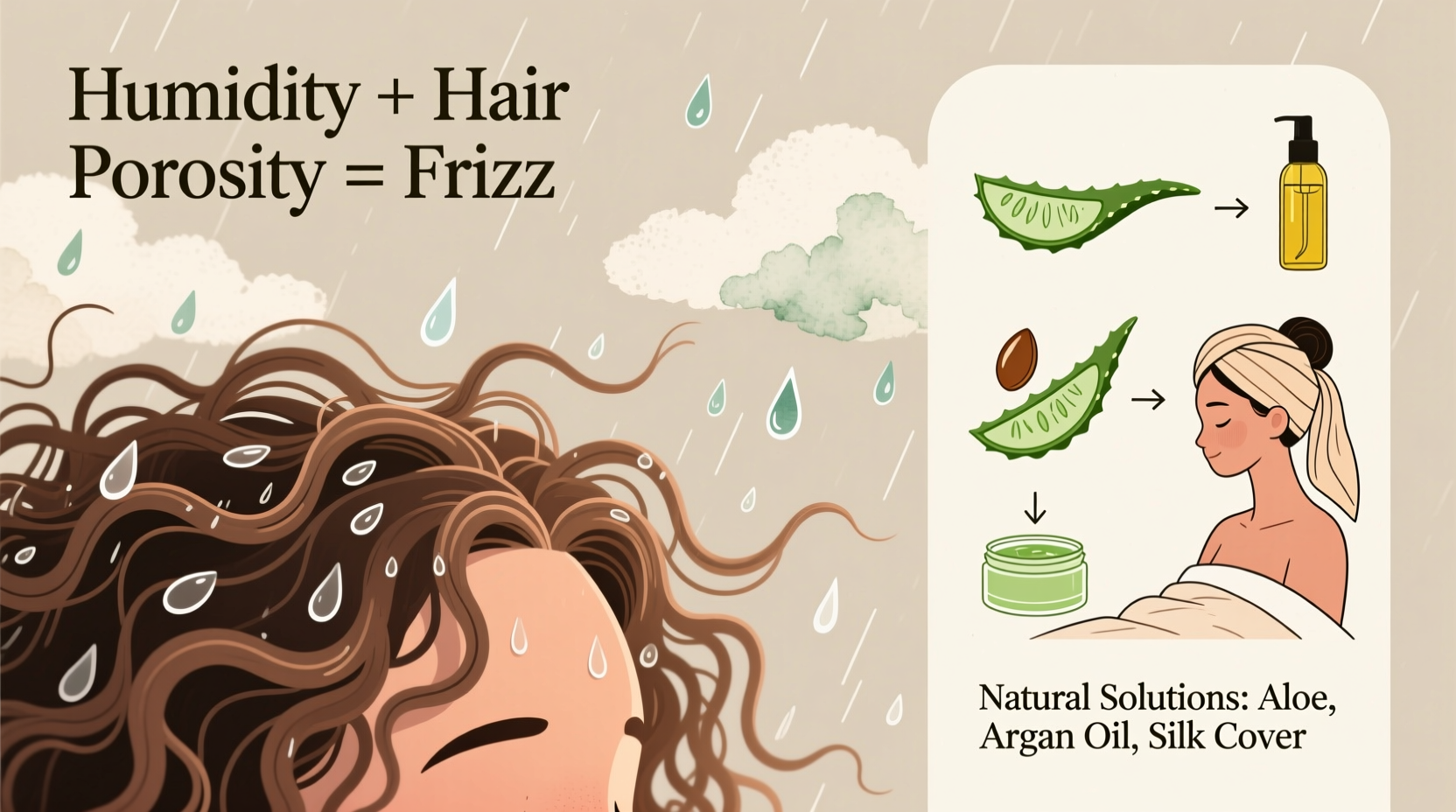
Hair is made primarily of keratin, a protein that forms long chains held together by various types of chemical bonds: disulfide, hydrogen, and salt bonds. Of these, hydrogen bonds are the most sensitive to moisture. When humidity rises, water molecules in the air penetrate the hair shaft, breaking hydrogen bonds temporarily. This causes the hair to swell and change shape—often resulting in curls loosening or straight strands becoming wavy or frizzy.
Each strand of hair has a cuticle layer, which acts like shingles on a roof. In dry conditions, this layer lies flat, reflecting light and giving hair a smooth appearance. But in high humidity, water enters the cortex (the inner layer), causing it to expand. As the cortex swells, the cuticle lifts unevenly, creating roughness and static. This disruption scatters light, making hair look dull and textured—what we perceive as frizz.
Curly and wavy hair types are especially prone to this because their structure is already asymmetrical. The uneven distribution of tension along the hair shaft means that when moisture is absorbed, one side expands more than the other, exaggerating curl patterns and increasing volume unpredictably.
“Humidity doesn’t cause frizz—it reveals underlying hair health issues. Well-hydrated, balanced hair resists moisture absorption better.” — Dr. Lena Patel, Trichologist and Hair Research Specialist
Natural Causes of Increased Frizz Sensitivity
Not all hair reacts to humidity the same way. Several internal and external factors influence how much your hair frizzes:
- Dryness: Dehydrated hair seeks moisture from the environment, absorbing excess water vapor and swelling rapidly.
- Damaged Cuticles: Chemical processing, heat styling, or mechanical brushing can erode the protective cuticle layer, leaving hair porous and vulnerable.
- Low Porosity vs. High Porosity: Low-porosity hair resists moisture but may develop surface buildup; high-porosity hair absorbs too much moisture too quickly, leading to puffiness.
- Static Buildup: Dry air combined with synthetic fabrics (like hats or pillowcases) creates static electricity, lifting individual strands away from the main body of hair.
Effective Natural Methods to Prevent Humidity-Induced Frizz
You don’t need silicone-laden serums or anti-frizz sprays filled with synthetic polymers to combat humidity. Nature offers powerful alternatives that work with your hair’s biology rather than masking symptoms.
1. Hydrate with Natural Oils
Certain plant-based oils form a breathable barrier around the hair shaft, reducing moisture exchange with the air. Unlike silicones, these oils nourish while protecting.
| Oil Type | Best For | Application Tip |
|---|---|---|
| Argan Oil | All hair types, especially fine or color-treated | Use 2–3 drops on damp ends to seal moisture |
| Coconut Oil | Thick, coarse, or curly hair | Apply before washing as a pre-poo treatment |
| Jojoba Oil | Oily scalps or medium textures | Mimics sebum; use sparingly on mid-lengths |
| Avocado Oil | Dry, damaged, or high-porosity hair | Blend with honey for a deep conditioning mask |
2. Use Leave-In Conditioners Made from Plants
Natural leave-ins containing aloe vera, flaxseed gel, or marshmallow root help define curls and reduce puffiness. These ingredients contain polysaccharides that coat the hair lightly, smoothing the cuticle and resisting humidity-induced swelling.
Aloe vera juice, for instance, has a pH similar to that of healthy scalp skin (~4.5–5.5), helping maintain the acid mantle that keeps cuticles closed. Flaxseed gel provides flexible hold without stiffness or residue.
3. Rinse with Apple Cider Vinegar (ACV)
An ACV rinse once a week helps remove mineral buildup and closes the cuticle layer, making hair smoother and less prone to absorbing excess moisture. Mix 1 part raw, unfiltered apple cider vinegar with 3 parts water. After shampooing, pour through hair, let sit for 2–3 minutes, then rinse thoroughly.
4. Sleep on Silk or Cotton Alternatives
Frayed cotton pillowcases create friction that disrupts the cuticle and increases static. Switching to silk or bamboo pillowcases reduces drag, preserving alignment and minimizing morning frizz. Even wrapping hair in a silk scarf at night can make a visible difference.
Step-by-Step: A Natural Anti-Frizz Routine for Humid Days
Follow this daily and weekly regimen to keep frizz under control using only natural ingredients:
- Cleanse Gently (2–3 times/week): Use a sulfate-free, low-pH shampoo. Avoid over-washing, which strips natural oils.
- Deep Condition Weekly: Apply a homemade mask of mashed avocado, honey, and olive oil. Cover with a warm towel and leave for 20–30 minutes before rinsing.
- Apply a Natural Leave-In: After washing, apply aloe vera gel or diluted flaxseed gel to damp hair to lock in moisture and define texture.
- Seal with Oil: While hair is still damp, add 1–2 drops of argan or jojoba oil to ends and mid-lengths. Do not apply heavily near roots if you have fine hair.
- Air-Dry Mindfully: Avoid touching hair while drying. Scrunch gently with a microfiber towel or cotton T-shirt instead of rubbing.
- Refresh During the Day: Carry a small spray bottle with rosewater and a drop of glycerin (vegetable-based) to rehydrate and smooth flyaways.
- Nightly Protection: Loosely braid hair or use a silk bonnet to minimize tangles and friction during sleep.
Common Mistakes That Worsen Natural Frizz
Even with the best intentions, certain habits sabotage your anti-frizz efforts:
- Overusing Heat Tools: Flat irons and blow dryers deplete moisture, increasing porosity and long-term frizz.
- Towel Rubbing: Vigorous rubbing with terrycloth towels roughs up the cuticle. Instead, squeeze out water and wrap in a soft fabric.
- Skipping Protein Balance: Too much moisture without structural support leads to mushy, undefined curls. Incorporate rice water rinses occasionally to strengthen hair.
- Using Glycerin in High Humidity: While humectants attract moisture, in very humid environments they can draw *too much* water into hair, causing expansion and puffiness.
“Balance is key. You want hair hydrated but not oversaturated, defined but not weighed down.” — Maya Thompson, Holistic Hair Educator
Mini Case Study: How Sarah Reduced Her Summer Frizz Naturally
Sarah, a 32-year-old teacher with wavy, shoulder-length hair, struggled every summer with her style falling flat by mid-morning. Despite trying commercial anti-frizz creams, she found her hair greasy by noon or crunchy from alcohol-based formulas.
She decided to switch to a natural routine. She began washing her hair twice a week with a gentle coconut-based cleanser, followed by a weekly avocado-honey mask. She replaced her cotton pillowcase with silk and started using a flaxseed gel recipe she made at home. She applied argan oil only to her ends and avoided touching her hair while it dried.
Within three weeks, Sarah noticed her waves were more defined and lasted longer—even on 80% humidity days. By the end of summer, she no longer carried a flat iron in her bag. Her hair felt healthier, looked shinier, and required less maintenance.
Checklist: Your Natural Anti-Frizz Action Plan
Use this checklist weekly to stay on track:
- ☑ Wash hair 2–3 times per week with sulfate-free shampoo
- ☑ Deep condition with natural oils or fruit-based masks weekly
- ☑ Apply a plant-based leave-in conditioner after every wash
- ☑ Seal ends with 1–2 drops of lightweight oil
- ☑ Air-dry without touching or brushing
- ☑ Use a silk pillowcase or bonnet nightly
- ☑ Rinse with diluted ACV once a week
- ☑ Avoid synthetic fabrics that generate static
- ☑ Limit heat styling to once every two weeks max
- ☑ Refresh with rosewater + glycerin spray during the day
Frequently Asked Questions
Can drinking more water reduce hair frizz?
While internal hydration supports overall hair health, frizz is primarily caused by external moisture absorption. Drinking water improves scalp circulation and nutrient delivery, but topical care remains essential for managing frizz.
Is there a natural alternative to silicone-based serums?
Yes. Plant oils like argan, jojoba, and sunflower provide light protection without buildup. Additionally, aloe vera and flaxseed gel offer humidity-resistant hold and shine without synthetic polymers.
Why does my hair frizz even when I don’t wash it?
Even unwashed hair absorbs atmospheric moisture. Sebum spreads unevenly, and residual product or sweat can lift cuticles. Regular cleansing and proper sealing with natural oils help maintain a smooth surface.
Conclusion: Embrace Your Hair’s Nature, Don’t Fight It
Frizz isn’t a flaw—it’s a signal. It tells you when your hair is dry, damaged, or exposed to environmental stress. Rather than fighting humidity with heavy chemicals, work with your hair’s natural tendencies. By hydrating properly, sealing the cuticle, and choosing breathable, plant-based solutions, you can transform frizz from a daily frustration into manageable texture.
The goal isn’t glassy, pin-straight hair at all costs. It’s healthy, resilient hair that moves with you—not against you. Start small: swap one product for a natural alternative, change your pillowcase, try an ACV rinse. Over time, these choices add up to lasting results.




 浙公网安备
33010002000092号
浙公网安备
33010002000092号 浙B2-20120091-4
Comments
No comments yet. Why don't you start the discussion?