
Waking up to flat, oily strands just hours after washing is more than frustrating—it can shake your confidence and disrupt your routine. You're not alone. Millions deal with rapidly greasing hair, often blaming their shampoo or habits. But the root of the issue usually lies deeper: in scalp biology, product misuse, and lifestyle factors that tip the delicate oil balance. Understanding why sebum overproduction happens—and how to recalibrate your scalp’s natural rhythm—is the first step toward healthier, longer-lasting volume and shine.
The Science Behind Greasy Hair
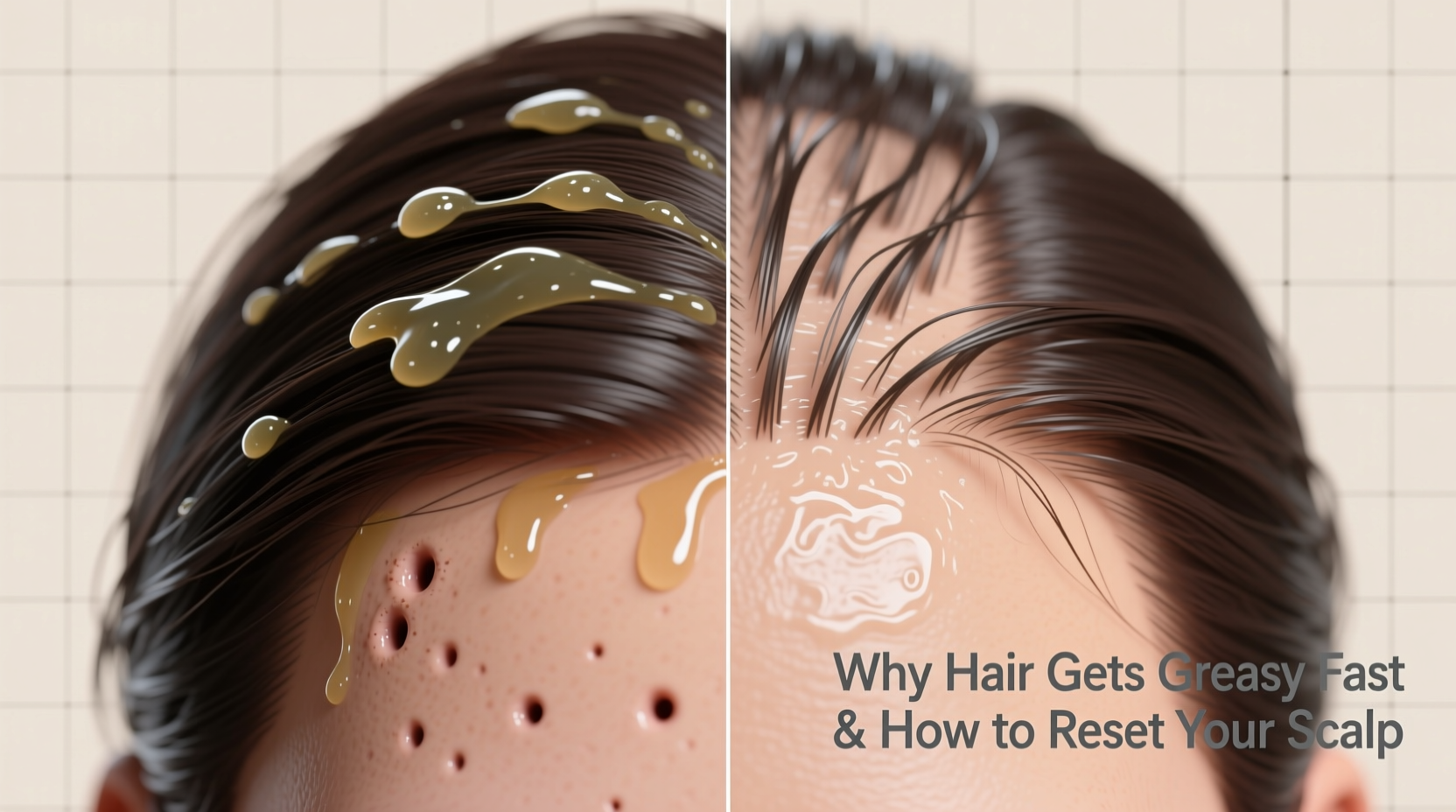
Your scalp is home to hundreds of sebaceous glands, each connected to a hair follicle. These glands produce sebum, an oily substance made of lipids that protects and moisturizes both skin and hair. Sebum acts as a natural conditioner, preventing dryness and shielding against environmental damage. However, when production goes into overdrive, excess oil accumulates at the roots, making hair look limp, dirty, and weighed down—sometimes within hours of washing.
Several biological and environmental factors influence sebum output:
- Hormonal fluctuations: Androgens like testosterone directly stimulate sebaceous glands. This explains why teens often experience oily scalps during puberty and why hormonal shifts during menstruation, pregnancy, or menopause can trigger greasiness.
- Genetics: Some people are simply predisposed to higher sebum production due to inherited gland activity.
- Diet: High-glycemic foods (sugars, refined carbs) and dairy may increase insulin and IGF-1 levels, which in turn can boost sebum synthesis.
- Climate: Heat and humidity ramp up oil production as the body tries to cool the scalp.
- Overwashing: Stripping the scalp too frequently signals it to compensate by producing more oil—a vicious cycle many unknowingly perpetuate.
“Sebum isn’t the enemy—it’s essential. The problem arises when we disrupt the scalp’s feedback loop through aggressive cleansing or poor product choices.” — Dr. Lena Patel, Board-Certified Trichologist
Common Habits That Worsen Greasiness
Ironically, many attempts to combat oily hair actually make it worse. Here are the most common culprits:
1. Washing Too Frequently with Harsh Shampoos
Using sulfates or strong clarifying shampoos daily strips away natural oils, prompting the scalp to overproduce sebum to restore moisture. This rebound effect leads to faster greasing.
2. Touching Your Hair Constantly
Your hands transfer dirt, sweat, and natural oils from your skin onto your hair and scalp. Frequent touching spreads oil from root to tip and stimulates gland activity.
3. Using Heavy Conditioners on the Scalp
Conditioners are designed for mid-lengths and ends. Applying them near the roots adds unnecessary weight and combines with natural oil to accelerate greasiness.
4. Skipping Scalp Exfoliation
Dead skin cells, leftover product residue, and pollutants build up over time, clogging follicles and disrupting sebum flow. A congested scalp becomes imbalanced and more prone to oiliness.
5. Relying on Dry Shampoo Long-Term
Dry shampoo absorbs oil temporarily but doesn’t cleanse. Overuse without proper washing leads to buildup, inflammation, and weakened hair follicles.
How to Reset Your Scalp: A 4-Week Plan
Resetting your scalp isn’t about eliminating oil—it’s about restoring equilibrium. This gradual process re-trains your sebaceous glands to produce only what’s needed. Follow this phased approach for lasting results.
- Week 1: Detox & Assess
Stop using all heavy styling products. Switch to a gentle, sulfate-free shampoo. Wash every other day to begin reducing dependency on daily cleansing. Take note of how quickly oil returns and where buildup occurs. - Week 2: Introduce Balance
Incorporate a weekly scalp exfoliant (chemical or physical) to remove debris. Use lightweight, water-based conditioners only on ends. Try co-washing (conditioner-only wash) once to reduce stripping. - Week 3: Extend Wash Intervals
Gradually stretch time between washes by half a day. Use a boar bristle brush to distribute natural oils from roots to ends, which can help regulate production. Avoid touching hair throughout the day. - Week 4: Stabilize & Maintain
Aim for washing every 2–3 days. Monitor scalp health: Is itching reduced? Does hair stay fresh longer? Introduce a nourishing scalp serum with niacinamide or tea tree oil to support regulation.
This timeline allows your scalp to adapt without shock. Patience is key—many see improvement within two weeks, but full recalibration can take up to eight weeks.
Product Guide: What to Choose and What to Avoid
Selecting the right products plays a crucial role in maintaining a balanced scalp. Below is a comparison chart to guide your decisions.
| Category | Recommended | Avoid |
|---|---|---|
| Shampoo | Sulfate-free, pH-balanced formulas with salicylic acid, tea tree, or charcoal | Heavy sulfates (SLS/SLES), high-alcohol cleansers |
| Conditioner | Lightweight, silicone-free options; apply only to ends | Thick creams, heavy silicones (dimethicone), application on scalp |
| Styling Products | Water-based sprays, sea salt mists, low-residue gels | Oily serums, pomades, waxes, aerosol sprays with alcohol |
| Scalp Treatments | Exfoliating toners, probiotic scalp mists, niacinamide serums | Peel treatments more than once a week, undiluted essential oils |
Real-Life Example: Sarah’s Scalp Reset Journey
Sarah, a 28-year-old graphic designer, washed her fine, straight hair daily for years. By noon, her roots were slick, and she relied heavily on dry shampoo. After reading about scalp health, she consulted a trichologist who diagnosed her with “rebound seborrhea”—a condition caused by over-cleansing.
She began the 4-week reset: switching to a gentle shampoo, exfoliating weekly, and brushing her hair daily with a boar bristle brush. She stopped applying conditioner to her scalp and limited dry shampoo to emergencies.
By week three, she was able to go two full days between washes. Her hair felt lighter, looked shinier, and stayed voluminous longer. After six weeks, she maintained a consistent every-other-day routine with no greasiness before day two. Most importantly, her scalp stopped itching and flaking—a sign of restored balance.
Expert Tips for Long-Term Scalp Health
Maintaining a healthy scalp requires consistency and awareness. Consider these actionable strategies:
- Brush regularly: Use a natural bristle brush to gently distribute oils from roots to ends, mimicking nature’s conditioning process.
- Wash pillowcases twice a week: Oils, sweat, and bacteria accumulate overnight, transferring back to your hair.
- Stay hydrated: Well-hydrated skin produces more balanced sebum. Dehydration can trigger compensatory oiliness.
- Manage stress: Cortisol increases sebum production. Incorporate mindfulness, exercise, or breathing techniques to reduce hormonal triggers.
- Limit heat styling: Tools like flat irons and blow dryers strip moisture and irritate the scalp, leading to overcompensation.
“The scalp is living skin. Treat it like your face—cleanse gently, exfoliate weekly, and protect it from environmental stressors.” — Dr. Marcus Lin, Dermatologist specializing in hair disorders
Frequently Asked Questions
Can diet really affect how oily my hair is?
Yes. Diets high in processed sugars, dairy, and trans fats have been linked to increased sebum production. Studies suggest that reducing high-glycemic foods and increasing omega-3 fatty acids (found in fish, flaxseeds, and walnuts) can help regulate oil levels. While diet isn’t the sole factor, it plays a measurable role in skin and scalp health.
Is it possible to have an oily scalp and dry ends?
Absolutely. This is called combination hair and is very common. The scalp produces excess oil while the hair shaft—especially if chemically treated or heat-damaged—lacks moisture. To manage this, use different products for different zones: lightweight cleansers for roots, hydrating masks for ends, and avoid applying rich products near the scalp.
How often should I exfoliate my scalp?
Once a week is ideal for most people. Over-exfoliating (more than twice weekly) can irritate the skin and worsen oil production. If you have sensitive skin or conditions like psoriasis, limit exfoliation to every 10–14 days and opt for chemical exfoliants like salicylic acid over harsh scrubs.
Checklist: How to Reset Your Scalp in 7 Steps
Use this checklist to stay on track and ensure you’re covering all critical steps:
- Switch to a sulfate-free, pH-balanced shampoo
- Limit washing to every other day or less
- Apply conditioner only from ears down
- Exfoliate scalp once per week
- Reduce use of dry shampoo and heavy styling products
- Wash pillowcases and hats regularly
- Introduce a scalp serum with balancing ingredients (e.g., niacinamide, tea tree)
Conclusion: Take Control of Your Scalp Health
Greasy hair isn’t a life sentence—it’s a signal from your body that something is out of balance. Whether it’s your routine, product choices, or internal factors like hormones and diet, the solution lies in understanding and responding with care, not aggression. By resetting your scalp with patience and informed habits, you can break the cycle of over-washing and rebound oiliness.
Healthy hair starts with a healthy scalp. Commit to the process, listen to your body, and give it time to recalibrate. Small changes compound into lasting transformation. Start today—your fresher, more balanced hair is closer than you think.




 浙公网安备
33010002000092号
浙公网安备
33010002000092号 浙B2-20120091-4
Comments
No comments yet. Why don't you start the discussion?