
Washing your hair one day only to find it limp, flat, and slick with oil the next morning is a frustrating experience. You're not alone—many people struggle with hair that seems to turn greasy within hours of cleansing. While sebum production is a natural process essential for scalp health, excessive or rapid oil buildup can be influenced by a range of internal and external factors. Understanding the root causes behind oily hair is the first step toward managing it effectively. From hormonal fluctuations to improper hair care routines, this article explores the science behind fast-greasing hair and provides practical, dermatologist-backed strategies to help you maintain fresher, longer-lasting volume and shine.
The Science Behind Scalp Oil Production
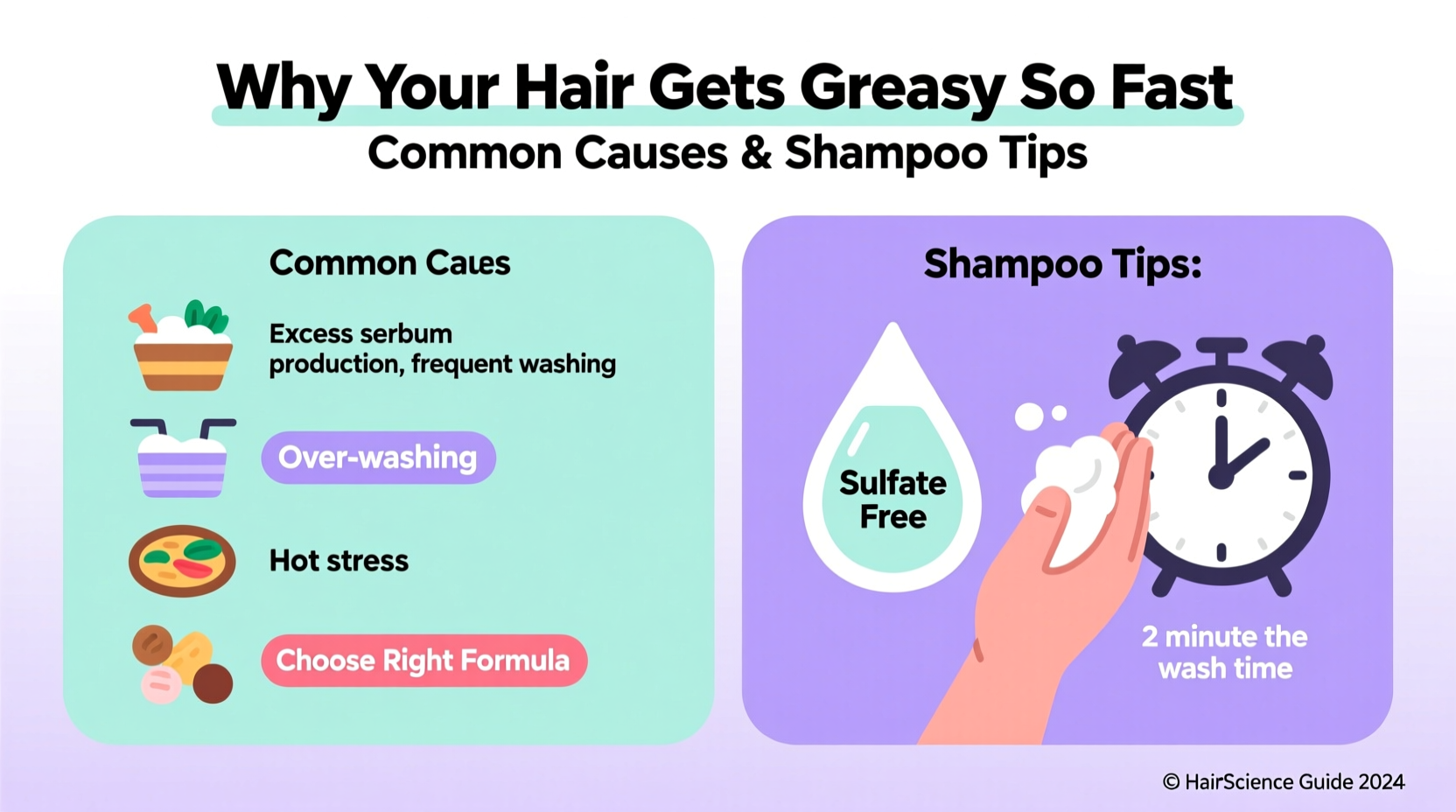
Your scalp contains sebaceous glands that produce sebum—an oily substance made of lipids, wax esters, and fatty acids. Sebum travels along the hair shaft, lubricating and protecting both the scalp and strands from environmental stressors and moisture loss. In balanced amounts, sebum keeps hair healthy and resilient. However, overproduction leads to what we commonly describe as “greasy” hair.
Sebum production is primarily regulated by hormones, especially androgens like dihydrotestosterone (DHT). This explains why oily scalp conditions often emerge during puberty and may fluctuate during menstrual cycles, pregnancy, or periods of high stress. Genetics also play a role; if your parents had oily scalps, you’re more likely to inherit the trait.
Interestingly, the speed at which oil becomes visible depends on hair type. Fine, straight hair tends to show oiliness faster because sebum slides easily down the smooth cuticle. In contrast, curly or coily hair textures slow the descent of oil, distributing it more gradually and often appearing less greasy even with similar sebum output.
Common Causes of Fast-Greasing Hair
Oily hair isn’t just about poor hygiene—it’s often the result of complex interactions between biology, behavior, and product use. Below are some of the most frequent culprits behind rapid greasiness.
Hormonal Fluctuations
Androgen levels directly influence sebum production. Teens, pregnant individuals, and those experiencing hormonal imbalances (such as in polycystic ovary syndrome) often report increased scalp oiliness. Stress also elevates cortisol, which can indirectly stimulate sebaceous glands.
Overwashing or Underwashing
Paradoxically, washing your hair too frequently can trigger rebound oiliness. Stripping the scalp of its natural oils signals the sebaceous glands to produce more sebum to compensate. On the flip side, infrequent washing allows oil and dead skin cells to accumulate, creating a heavy, greasy appearance.
Using the Wrong Hair Products
Heavy conditioners, silicones, and oil-based styling creams can weigh hair down and trap sebum. Applying conditioner all the way from roots to ends—especially on fine hair—can exacerbate greasiness near the scalp.
Touching Your Hair Too Often
Hands transfer dirt, sweat, and natural oils from the skin to your hair. Frequent touching, twisting, or resting your head on your hands spreads sebum rapidly across strands, accelerating the greasy look.
Diet and Lifestyle Factors
Emerging research suggests a link between high-glycemic diets (rich in sugar and refined carbs) and increased sebum production. Diets heavy in dairy and saturated fats may also contribute. Additionally, lack of sleep and chronic stress disrupt hormonal balance, potentially increasing oil output.
“Many patients come in frustrated with oily hair, but the real issue is often over-cleansing or product misuse. The scalp needs balance, not elimination of oil.” — Dr. Lena Patel, Board-Certified Dermatologist
Shampoo Tips to Prevent Greasy Hair
Choosing the right shampoo and using it correctly can make a dramatic difference in how long your hair stays fresh. Here’s how to optimize your routine.
Choose the Right Formula
Not all shampoos are created equal. For oily scalps, opt for clarifying or balancing formulas containing ingredients like:
- Salicylic acid – exfoliates the scalp and clears clogged follicles.
- Tea tree oil – has antimicrobial properties that reduce excess oil and dandruff.
- Charcoal or clay – naturally absorb oil without over-drying.
- Pyridinethione zinc – regulates sebum and combats fungal contributors to oiliness.
Avoid sulfates only if they cause irritation—while harsh, they are effective at removing buildup. Instead, focus on sulfate-free options with gentle surfactants like sodium lauryl sulfoacetate.
Wash Strategically, Not Daily
For most people with oily hair, washing every other day strikes the ideal balance. This allows the scalp to adjust without overproducing oil. If you must wash daily, use a mild, pH-balanced shampoo and reserve stronger clarifying formulas for once a week.
Rinse Thoroughly and Use Lukewarm Water
Residue from shampoo or conditioner can attract oil and dust. Rinse for at least 30 seconds after applying. Hot water can strip the scalp and trigger more oil; lukewarm is ideal.
Apply Shampoo Correctly
Focus lathering on the scalp, not the ends. Use your fingertips (not nails) to massage gently in circular motions. This stimulates circulation and ensures even cleaning without irritation.
Do’s and Don’ts: A Quick Reference Table
| Do | Don’t |
|---|---|
| Use a clarifying shampoo once a week | Wash hair with hot water daily |
| Apply conditioner only from mid-length to ends | Apply heavy oils or serums near the roots |
| Rinse thoroughly with lukewarm water | Scratch your scalp aggressively |
| Blot excess oil with a microfiber towel or dry shampoo | Use regular paper towels—they leave lint and can irritate |
| Massage scalp gently to promote circulation | Touch hair throughout the day |
Step-by-Step Guide to Managing Oily Hair
Follow this five-step routine to reduce greasiness and extend time between washes:
- Prep Before Washing: Brush hair to remove surface debris and distribute oils slightly, reducing shock to the scalp during cleansing.
- Lather Twice (If Needed): First wash removes surface oil; second cleans deeper. Only necessary if using heavy products or if it's been two days since last wash.
- Scalp Massage for 60 Seconds: Use fingertips to cleanse follicles and boost blood flow. Avoid nails to prevent micro-tears.
- Rinse Completely: Ensure no residue remains, especially if using thick or creamy formulas.
- Condition Strategically: Apply only from ears down. Use a lightweight, volumizing conditioner if needed.
After washing, air-dry when possible. Blow-drying on high heat can stimulate oil glands. If using heat tools, keep them at a safe distance and apply a heat protectant sparingly—only on ends.
Real-Life Example: Sarah’s Journey to Less Greasy Hair
Sarah, a 28-year-old graphic designer, washed her fine, straight hair every morning before work. By noon, her roots were visibly oily, and she felt self-conscious. After consulting a trichologist, she learned her daily routine was causing her scalp to overproduce oil. She switched to a salicylic acid shampoo twice a week and used a gentle formula on alternate days. She stopped applying conditioner to her roots and began using a rice starch-based dry shampoo in the afternoon. Within three weeks, she extended her wash cycle to every other day, and her hair maintained volume and freshness much longer. Small changes—not extreme measures—made the biggest difference.
Frequently Asked Questions
Can dry shampoo make my hair greasier?
Yes, if overused or not properly removed. Dry shampoo absorbs oil, but prolonged buildup can clog follicles and signal the scalp to produce more sebum. Use it sparingly and always follow up with a thorough wash within 1–2 days.
Is it bad to go to bed with wet hair if I have an oily scalp?
Moisture trapped against the scalp overnight can promote microbial growth and irritation, potentially worsening oiliness. If you must wash at night, dry your hair partially before sleeping. Use a microfiber towel to reduce friction and speed drying.
Should I skip conditioner if my hair gets greasy?
No—but modify how you use it. Conditioning is essential for hair integrity. Focus application on the mid-lengths and ends, avoiding the scalp entirely. Choose lightweight, silicone-free formulas labeled “volumizing” or “for fine hair.”
Final Checklist for Healthier, Longer-Lasting Clean Hair
- ☑ Assess your shampoo: Is it designed for oily or balanced scalps?
- ☑ Limit washing to every other day unless medically advised otherwise.
- ☑ Apply conditioner only below the ears.
- ☑ Reduce hair touching throughout the day.
- ☑ Use dry shampoo strategically—not as a permanent substitute.
- ☑ Rinse with lukewarm water and ensure full product removal.
- ☑ Evaluate diet and stress levels as potential underlying contributors.
Take Control of Your Hair’s Freshness
Greasy hair doesn’t have to dictate your daily routine. With a better understanding of your scalp’s biology and smarter product choices, you can significantly extend the time between washes and enjoy healthier, more manageable hair. It’s not about eliminating oil completely—that’s neither possible nor desirable—but about achieving balance. Start by auditing your current routine, eliminate habits that trigger excess sebum, and incorporate targeted solutions like scalp exfoliation and proper conditioning techniques. Over time, your scalp will adapt, and your hair will respond with improved texture, volume, and longevity.




 浙公网安备
33010002000092号
浙公网安备
33010002000092号 浙B2-20120091-4
Comments
No comments yet. Why don't you start the discussion?