
Winter brings cozy sweaters, warm drinks, and unfortunately, one of the most frustrating hair challenges: static electricity. You step outside, pull off your hat, and suddenly your hair stands on end like a science experiment gone wrong. Flyaways spiral out of control, clinging to your face or defying gravity altogether. While it may seem like a minor annoyance, persistent static can make styling difficult and damage hair over time. The root cause isn’t just bad luck—it’s physics meeting dry conditions. Understanding the science behind winter hair static and knowing how to counteract it quickly can transform your daily routine from chaotic to calm.
The Science Behind Winter Hair Static
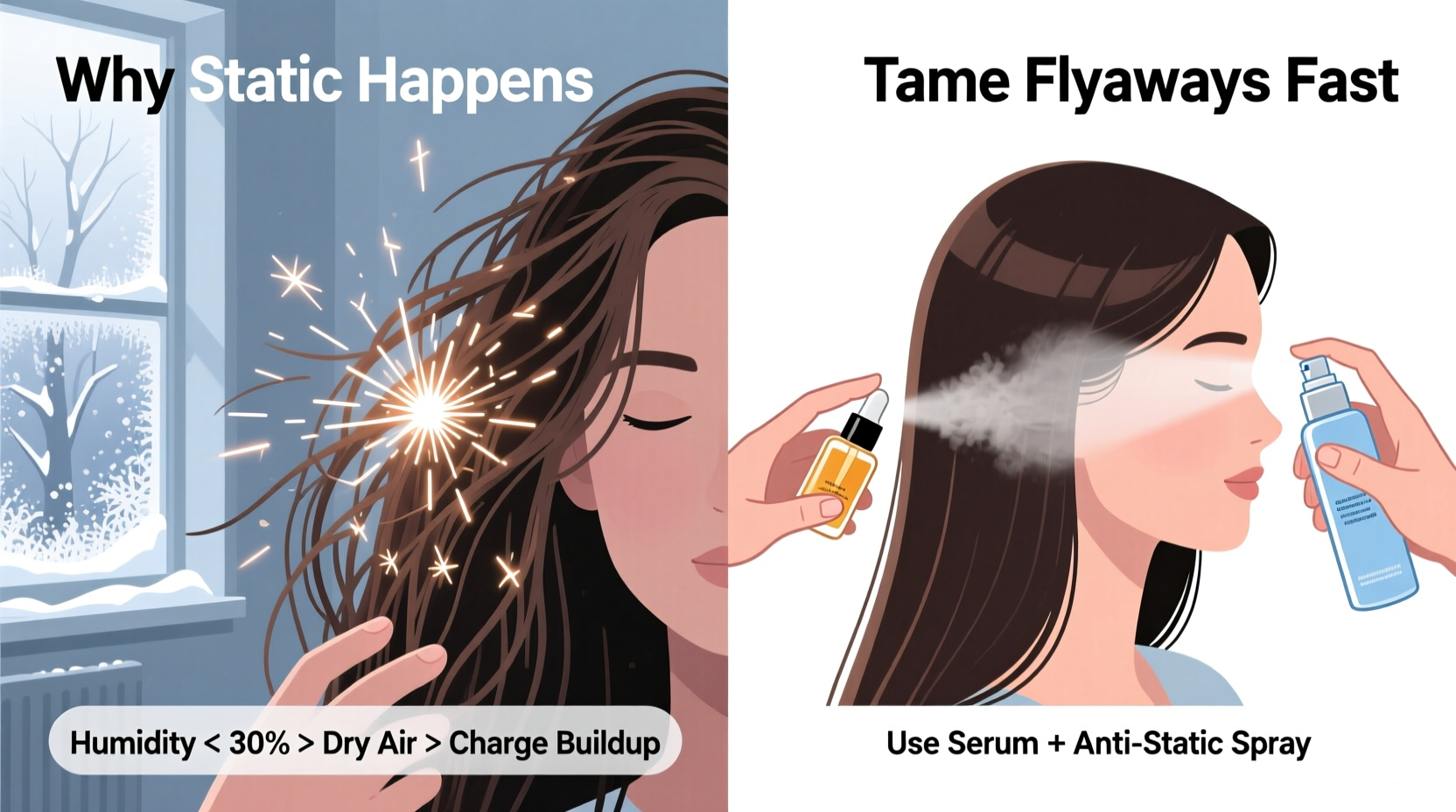
Static electricity in hair occurs due to an imbalance of electric charges on the surface of strands. All materials, including hair, are made of atoms that carry positive and negative charges. When two surfaces rub together—like your hair and a wool hat—electrons transfer from one surface to another. This creates a charge difference, leading to static buildup. Since each hair strand now carries a similar charge, they repel each other, causing flyaways and frizz.
This phenomenon intensifies in winter because cold air holds less moisture than warm air. Indoor heating further reduces humidity, drying out both the environment and your hair. Dry hair is more porous and lacks conductivity, making it easier for electrons to accumulate without dispersing. As a result, even small movements—brushing, removing a scarf, or leaning against a car seat—can generate enough friction to trigger visible static.
Additionally, synthetic fabrics commonly used in winter clothing (like polyester and nylon) are notorious for generating static when rubbed against hair. Natural fibers such as cotton or silk produce less static, which explains why switching scarves or pillowcases can make a noticeable difference.
“Hair behaves like any insulating material—when it's dry and exposed to friction, static builds up rapidly. In low-humidity environments, there's no natural pathway for that charge to dissipate.” — Dr. Lena Patel, Cosmetic Chemist and Trichology Researcher
Immediate Fixes for Taming Flyaways Fast
When static strikes unexpectedly, you need solutions that work within seconds—not hours. These quick interventions neutralize charge, add moisture, or weigh down strands temporarily to restore smoothness.
Here are five proven methods to stop static in its tracks:
- Use a Metal Comb or Brush with Boar Bristles: Metal conducts electricity and helps discharge built-up static. Run a metal comb through your hair to ground the charge. Alternatively, boar bristle brushes distribute natural scalp oils down the hair shaft, adding moisture and reducing static.
- Spray Hands with Hairspray and Smooth Over Hair: Don’t douse your head—lightly mist your hands with hairspray, then gently pat down flyaways. This adds a light hold without stiffness or residue.
- Run a Dryer Sheet Over Your Hair: Fabric softener sheets contain cationic surfactants that neutralize static. Gently swipe a dryer sheet over the affected areas. Works especially well after wearing a hat.
- Apply a Drop of Hand Sanitizer to Fingertips: The alcohol evaporates quickly, but the gel base acts as a temporary anti-static agent. Use sparingly to avoid drying.
- Breathe Into Cupped Hands and Press Against Hair: Warm, moist breath adds instant humidity. Cup your hands, exhale, then press them onto flyaway sections to relax the strands.
Real Example: The Commute Rescue
Sarah, a marketing executive in Chicago, faces extreme temperature shifts daily. She walks to work in -10°C weather, wearing a thick acrylic beanie. Every morning, her fine, shoulder-length hair would puff into a halo by the time she arrived at the office. After trying multiple sprays and serums with little success, she adopted a simple three-step routine: before leaving home, she applied a dime-sized amount of leave-in conditioner; upon arrival, she ran a metal comb through her hair; finally, she smoothed a used dryer sheet over her bangs. Within a week, her colleagues stopped joking about her “static crown,” and she regained confidence during client meetings.
Preventative Care: Long-Term Strategies for Static-Free Hair
While emergency fixes help in the moment, preventing static requires consistent changes to your hair care regimen and environment. The goal is to maintain moisture, reduce friction, and increase conductivity in your hair.
Hydrate from the Inside and Out
Dry hair is the primary culprit behind winter static. Hydration starts internally—drink plenty of water throughout the day. Externally, use sulfate-free shampoos that don’t strip natural oils. Follow with a rich conditioner every wash, focusing on mid-lengths to ends. For deeper treatment, apply a hydrating hair mask once a week. Look for ingredients like glycerin, panthenol, and ceramides, which attract and retain moisture.
Switch to Humidifying Styling Products
Incorporate leave-in conditioners, hair oils, or creams formulated for dry climates. These products create a protective barrier and improve conductivity. Lightweight oils like argan or jojoba are ideal—they don’t weigh hair down but provide lasting hydration.
Upgrade Your Accessories
Your choice of accessories plays a bigger role than you might think. Replace synthetic-lined hats with silk or satin linings. Use silk scrunchies instead of elastic bands. Even your pillowcase matters—switching to silk reduces nighttime friction and helps preserve moisture.
| Product Type | Recommended Ingredients | Avoid |
|---|---|---|
| Shampoo | Glycerin, Aloe Vera, Coconut Oil | Sulfates, Alcohol Denat |
| Conditioner | Ceramides, Shea Butter, Panthenol | Parabens, Silicones (if buildup-prone) |
| Leave-In Treatment | Hyaluronic Acid, Squalane, Argan Oil | Fragrance-heavy formulas (can irritate scalp) |
Environmental Adjustments to Reduce Static Buildup
Your surroundings contribute significantly to hair static. Even the best haircare routine can fail if the air around you is excessively dry.
- Use a Humidifier: Adding moisture to indoor air prevents hair (and skin) from drying out. Aim for 40–60% relative humidity. Place humidifiers in bedrooms and offices where you spend the most time.
- Avoid Overheating Indoors: High thermostat settings reduce indoor humidity. Lowering the temperature slightly and layering clothing indoors helps maintain balance.
- Choose Natural Fibers for Clothing and Hats: Wool can still cause static, so opt for cotton, silk, or cashmere blends when possible. Linings matter—many beanies have synthetic interiors that aggravate the issue.
Step-by-Step Routine to Eliminate Winter Hair Static
Follow this daily and weekly plan to keep static under control all season long:
- Morning Wash (Every Other Day): Use a moisturizing shampoo and conditioner. Avoid hot water, which strips natural oils.
- Towel-Dry Gently: Pat hair with a microfiber towel or old cotton t-shirt to minimize friction.
- Apply Leave-In Conditioner: Focus on ends and areas prone to flyaways. Let it absorb before styling.
- Style with Heat Protection: If using heat tools, always apply a thermal protectant with humectants.
- Wear Protective Headwear: Choose hats with silk or cotton lining. Avoid pulling tight styles that increase tension and breakage.
- Nightly Silk Routine: Sleep on a silk pillowcase and loosely braid or tie hair with a silk scrunchie.
- Weekly Deep Conditioning: Apply a nourishing hair mask for 20–30 minutes once a week. Rinse thoroughly.
“Consistency beats intensity. One perfect day won’t fix months of dryness. Small, repeated actions—like using a humidifier or applying oil nightly—are what truly transform hair health.” — Nadia Reyes, Master Hairstylist and Educator
FAQ: Common Questions About Winter Hair Static
Can drinking more water really reduce hair static?
Yes. While water doesn’t directly reach the hair shaft (since hair is dead tissue), proper hydration supports scalp health and sebum production. A healthy scalp produces natural oils that travel down the hair, improving moisture levels and reducing static susceptibility.
Is there a difference between static and frizz?
Yes. Frizz refers to hair expanding due to humidity absorption, often seen in curly or wavy textures. Static, however, is caused by dryness and electrical charge, making straight hair stand up or cling unnaturally. They can coexist but require different approaches—frizz needs smoothing and definition, while static needs moisture and grounding.
Are silicone-based products good or bad for static-prone hair?
They can be helpful in moderation. Silicones like dimethicone form a protective coating that locks in moisture and reduces friction. However, overuse leads to buildup, which blocks moisture absorption. Use occasionally, and clarify monthly with a gentle chelating shampoo.
Final Thoughts: Take Control of Winter Hair Challenges
Static hair in winter isn’t inevitable—it’s a signal that your hair is craving moisture and protection. By understanding the science behind the spark and implementing practical, sustainable habits, you can keep your hair smooth, manageable, and confident-ready all season long. It’s not about perfection; it’s about consistency. From carrying a dryer sheet in your coat pocket to upgrading your pillowcase, small changes yield big results.
The key is to treat static not as a cosmetic nuisance but as a symptom of environmental stress. Address the root causes—dry air, friction, and dehydration—and you’ll see improvements beyond just fewer flyaways. Healthier hair, stronger strands, and better styling outcomes follow naturally.




 浙公网安备
33010002000092号
浙公网安备
33010002000092号 浙B2-20120091-4
Comments
No comments yet. Why don't you start the discussion?