
Washing your hair should leave it clean, fresh, and invigorating. So when you step out of the shower only to catch a faint but persistent musty odor hours later—sometimes even the next day—it’s not just confusing, it’s frustrating. You used shampoo, conditioner, and maybe even a scented treatment. So why does your hair still carry that damp basement or old towel smell?
The truth is, musty-smelling hair isn’t usually about poor hygiene. It’s often the result of biological, environmental, and product-related factors working behind the scenes. From trapped moisture in thick strands to microbial buildup on the scalp, several culprits can linger beneath the surface. The good news? With the right understanding and adjustments, this issue is both preventable and fixable.
Understanding the Science Behind Musty Hair Odor
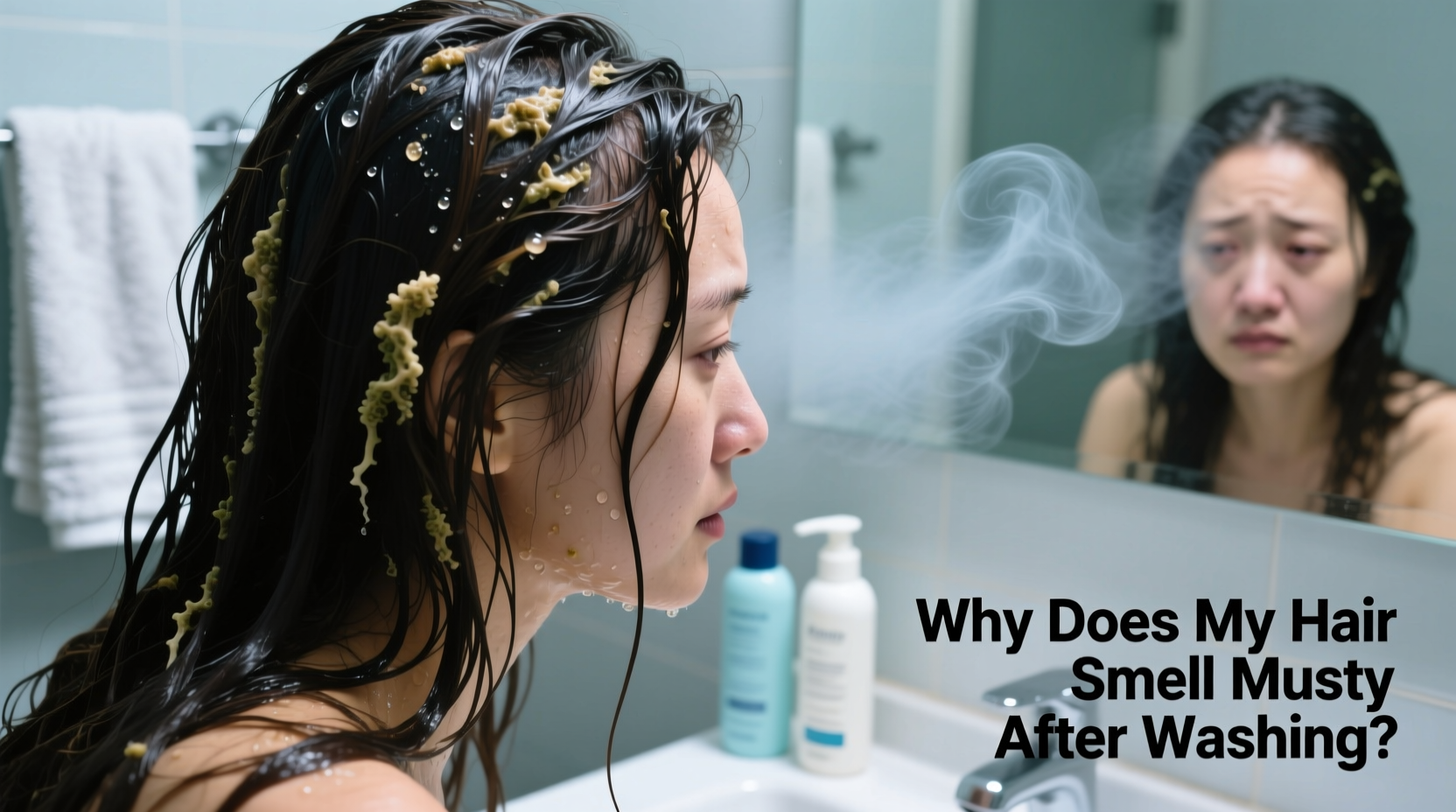
Musty odors are typically associated with mold, mildew, or bacteria—microorganisms that thrive in warm, moist environments. Your scalp, while naturally hosting beneficial microbes, can also become a breeding ground for odor-causing organisms if conditions are favorable. When hair remains damp for extended periods or when product residue accumulates, it creates an ideal ecosystem for these microbes to multiply.
One key factor is Malassezia yeast, a fungus commonly found on human skin. While usually harmless, overgrowth due to excess oil, humidity, or inadequate rinsing can lead to unpleasant smells. This same yeast is linked to dandruff and seborrheic dermatitis, both of which may contribute to odor.
In addition, keratin—the protein that makes up your hair—can absorb environmental odors like smoke, cooking fumes, or even laundry detergent from towels. Over time, especially with low-porosity hair that resists moisture absorption, these odors can become trapped and manifest as a stale or musty scent.
“Hair odor isn't always about cleanliness. It's often about moisture retention, microbial balance, and how products interact with your scalp chemistry.” — Dr. Lena Torres, Trichologist & Hair Health Specialist
Common Causes of Post-Wash Musty Smell
Several interrelated factors can cause your hair to develop a musty smell shortly after washing. Identifying the root cause is essential for choosing the right solution.
- Incomplete drying: Hair, especially thick, curly, or coily textures, can retain moisture deep within the strands long after the surface feels dry. This trapped moisture fosters bacterial and fungal growth.
- Product buildup: Conditioners, oils, stylers, and silicones can accumulate on the scalp and hair shaft, mixing with sweat and dead skin cells to create a nutrient-rich environment for microbes.
- Poor ventilation during sleep: Sleeping with damp hair under hats, bonnets, or tightly braided styles limits airflow, encouraging mildew-like odors.
- Contaminated tools and accessories: Combs, brushes, scrunchies, and towels that aren’t cleaned regularly can harbor bacteria and transfer odors back to clean hair.
- Hard water minerals: High levels of calcium and magnesium in tap water can coat hair, reducing its ability to shed moisture and increasing susceptibility to odor retention.
- Scalp conditions: Conditions like seborrheic dermatitis, psoriasis, or excessive sebum production alter the scalp’s pH and microbiome, promoting odor-causing microbes.
Step-by-Step Guide to Eliminate and Prevent Musty Hair Smell
Resolving musty hair odor requires a multi-pronged approach focused on hygiene, drying practices, and product selection. Follow this timeline-based strategy for lasting results.
- Day 1–3: Clarify your scalp and hair
Use a clarifying shampoo containing salicylic acid, tea tree oil, or pyrithione zinc. These ingredients help dissolve buildup and reduce microbial activity. Lather twice, massaging the scalp thoroughly. Rinse with lukewarm water. - Day 4–7: Optimize drying techniques
After washing, use a microfiber towel or cotton T-shirt to blot hair gently. If you have dense or curly hair, consider “plopping” (wrapping hair in a cotton shirt) to accelerate drying. For faster results, use a blow dryer on cool or warm setting, directing airflow at the roots. - Week 2: Audit your hair products
Eliminate heavy oils, butters, and silicones that coat the hair. Switch to lightweight, water-soluble formulas. Check labels for terms like “dimethicone,” “cetyl alcohol,” or “mineral oil”—these can trap moisture and debris. - Weekly Maintenance: Deep clean tools and linens
Soak combs and brushes in a mix of warm water and apple cider vinegar (1:3 ratio) for 30 minutes. Wash hats, scarves, and pillowcases in hot water every 5–7 days. Replace plastic hair ties with silk scrunchies, which are less likely to trap sweat. - Ongoing: Adjust washing frequency
Washing too infrequently leads to buildup; washing too often strips natural oils, triggering rebound oil production. Most people benefit from washing every 3–4 days. Those with fine hair may need more frequent washes; those with coarse curls may go longer but require thorough rinsing.
Do’s and Don’ts: Managing Hair Odor Effectively
| Do’s | Don’ts |
|---|---|
| Use a clarifying shampoo once a week | Overuse silicone-based conditioners |
| Rinse hair thoroughly—spend at least 1–2 minutes flushing out products | Go to bed with wet or damp hair |
| Store hair tools in a dry, ventilated area | Share combs or hats without cleaning them |
| Incorporate a scalp serum with antimicrobial properties (e.g., tea tree, rosemary) | Scratch an itchy scalp aggressively—it disrupts the skin barrier |
| Wash pillowcases and towels weekly in hot water | Ignore persistent scalp flaking or redness—see a dermatologist |
Real-Life Example: How Maya Fixed Her Musty Hair Issue
Maya, a 34-year-old with 3C/4A curly hair, noticed her hair developed a sour, musty smell within hours of washing—despite using sulfate-free shampoos and deep conditioning weekly. She avoided heat styling and slept in a satin bonnet, so she was baffled by the odor.
After consulting a trichologist, she discovered two main issues: first, she wasn’t fully rinsing her conditioner, leaving residue near her scalp. Second, she was sleeping with slightly damp hair inside her bonnet, creating a humid microclimate perfect for microbial growth.
Her solution? She switched to a low-poo clarifying cleanser once a week, spent extra time rinsing, and started air-drying her hair completely before bed. She also began washing her bonnet every three days. Within two weeks, the musty smell disappeared entirely.
“I thought I was doing everything right,” Maya said. “But it turns out, a few small oversights were undoing all my efforts.”
Checklist: Eliminate Musty Hair Smell in 7 Steps
Use this actionable checklist to systematically address the problem:
- ☐ Perform a clarifying wash this week
- ☐ Double-rinse all hair products, focusing on the scalp
- ☐ Replace old towels and hair ties with clean, breathable ones
- ☐ Clean combs and brushes with vinegar or mild disinfectant
- ☐ Dry hair completely before sleeping—use a diffuser if needed
- ☐ Wash pillowcases and bonnets every 3–5 days
- ☐ Monitor scalp health—look for signs of flaking, itching, or redness
Frequently Asked Questions
Can hard water cause musty-smelling hair?
Yes. Hard water leaves mineral deposits on hair and scalp, making it harder to rinse out products and increasing moisture retention. Consider installing a shower filter or using a chelating shampoo once a month to remove buildup.
Is it safe to use apple cider vinegar rinses regularly?
Apple cider vinegar (ACV) rinses can help balance scalp pH and remove residue, but they shouldn’t be used daily. Limit ACV rinses to once a week, diluted at a 1:4 ratio with water, to avoid drying or irritating the scalp.
Could my diet affect my hair’s smell?
Indirectly, yes. Diets high in processed foods, sugar, and dairy can increase systemic inflammation and oil production, altering scalp chemistry. A balanced diet rich in omega-3s, antioxidants, and hydration supports a healthier scalp environment.
When to See a Professional
If you’ve adjusted your routine and still notice persistent odor, accompanied by flaking, redness, or scalp tenderness, it may be time to consult a dermatologist or trichologist. Chronic conditions like fungal infections, seborrheic dermatitis, or hormonal imbalances may require medical treatment such as antifungal shampoos (e.g., ketoconazole) or topical corticosteroids.
Additionally, if you live in a high-humidity climate or frequently swim in chlorinated or saltwater pools, professional guidance can help tailor a regimen suited to your environment.
Final Thoughts: Take Control of Your Hair’s Freshness
Musty-smelling hair is more common than many realize—and it’s rarely a reflection of poor hygiene. It’s often the result of overlooked details: incomplete drying, product layering, contaminated tools, or environmental exposure. By understanding the underlying causes and taking targeted action, you can restore freshness and confidence to your hair care routine.
Start with one change—perhaps a clarifying wash or improving your drying technique—and build from there. Small, consistent improvements compound into long-term results. Healthy, odor-free hair isn’t about perfection; it’s about awareness and adjustment.




 浙公网安备
33010002000092号
浙公网安备
33010002000092号 浙B2-20120091-4
Comments
No comments yet. Why don't you start the discussion?