
Headaches are one of the most common health complaints worldwide, affecting people of all ages and backgrounds. While most headaches are benign and resolve on their own, recurring or severe pain can signal something more serious. Understanding the root causes—ranging from tension and dehydration to neurological conditions—is essential for effective management. More importantly, knowing when a headache warrants urgent medical attention could be life-saving.
Common Causes of Headaches
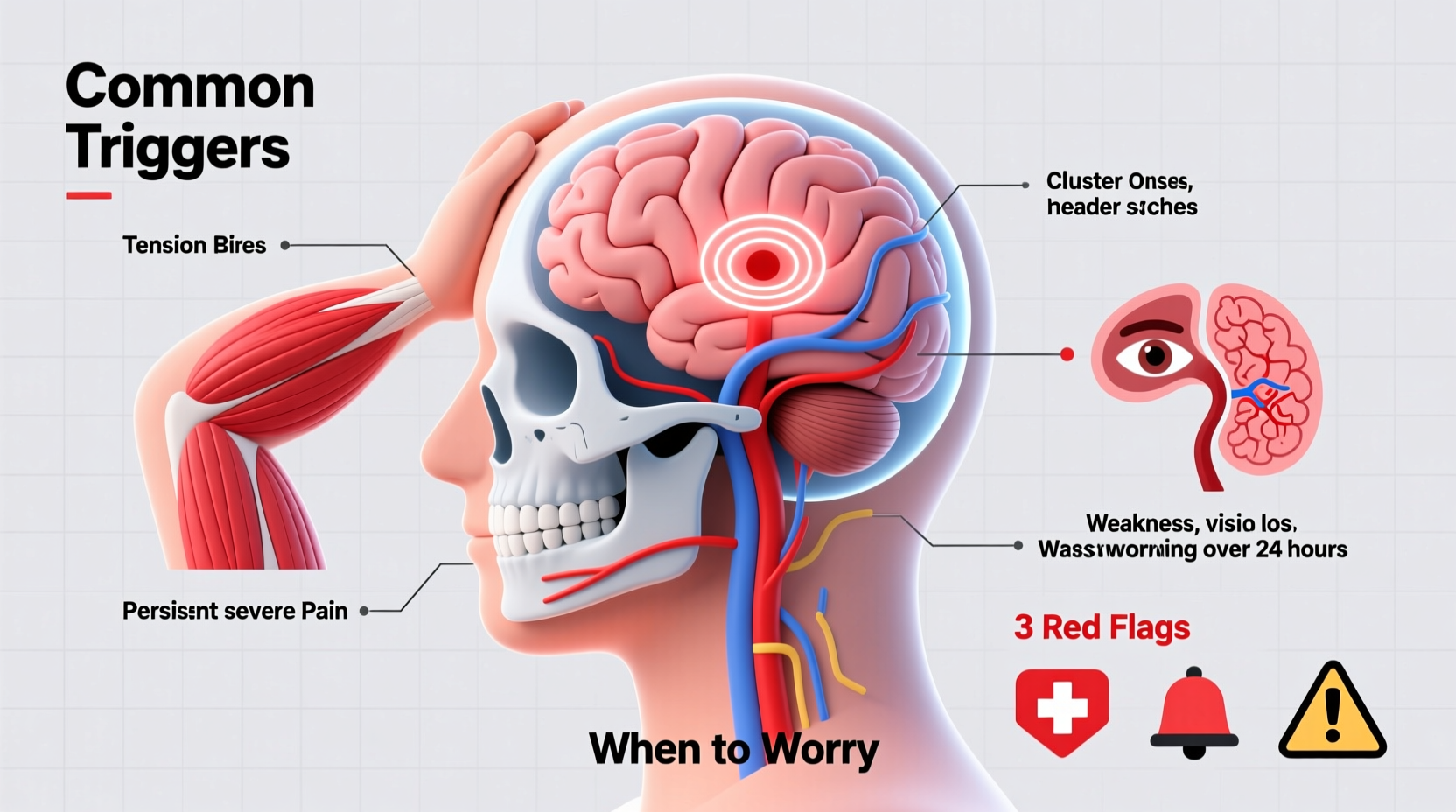
Not all headaches are created equal. The type, location, intensity, and frequency of pain often point to specific underlying causes. Here are the most frequent triggers:
- Tension-type headaches: The most common form, often described as a tight band around the head. These are usually triggered by stress, poor posture, eye strain, or lack of sleep.
- Migraines: Intense, throbbing pain typically on one side of the head, often accompanied by nausea, vomiting, and sensitivity to light or sound. Migraines can last hours to days and may be preceded by visual disturbances (aura).
- Sinus headaches: Caused by sinus infections or inflammation, often presenting with facial pressure, nasal congestion, and fever. Pain is usually felt in the forehead, cheeks, or bridge of the nose.
- Dehydration: Even mild fluid loss can trigger a headache. This is especially common after exercise, alcohol consumption, or skipping meals.
- Caffeine withdrawal: Sudden reduction in caffeine intake can lead to withdrawal headaches within 12–24 hours of the last dose.
- Eye strain: Prolonged screen use, uncorrected vision problems, or reading in poor lighting can cause frontal or temple pain.
- Hormonal fluctuations: Many women experience headaches linked to menstrual cycles, pregnancy, or menopause due to changing estrogen levels.
When to Worry: Red Flag Symptoms
Most headaches are not dangerous, but certain symptoms should never be ignored. These \"red flags\" may indicate serious conditions such as stroke, brain tumor, meningitis, or aneurysm.
“Sudden, severe headaches unlike any experienced before require immediate evaluation. We call this a ‘thunderclap’ headache—it’s a medical emergency.” — Dr. Alan Reyes, Neurologist at Boston General Hospital
Warning Signs That Demand Medical Attention
| Symptom | Possible Cause | Action Required |
|---|---|---|
| Sudden, explosive headache (\"worst ever\") | Subarachnoid hemorrhage, aneurysm | Call emergency services immediately |
| Fever, stiff neck, confusion | Meningitis or encephalitis | Seek urgent care |
| Headache after head injury | Concussion or intracranial bleeding | Get evaluated within 24 hours |
| Weakness, numbness, slurred speech | Stroke or TIA | Emergency treatment needed |
| New headaches over age 50 | Giant cell arteritis, tumors | See a doctor promptly |
Real-Life Example: Recognizing a Dangerous Headache
Sarah, a 44-year-old teacher, woke up with an intense headache she described as “being hit in the head with a hammer.” She had no history of migraines but noticed blurred vision and difficulty speaking. Her husband drove her to the ER, where a CT scan revealed a ruptured cerebral aneurysm. Thanks to rapid intervention, she underwent surgery and made a full recovery. Sarah now advocates for public awareness about thunderclap headaches, emphasizing that “waiting it out” could have been fatal.
Step-by-Step Guide to Managing Everyday Headaches
For non-emergency headaches, a structured approach can provide fast relief and reduce recurrence:
- Pause and assess: Stop what you’re doing. Note the time, location of pain, and associated symptoms (nausea, vision changes, etc.).
- Hydrate: Drink a glass of water. Dehydration is a common and easily overlooked trigger.
- Rest in a quiet, dark room: Especially helpful for migraines. Reduce sensory input like noise and bright lights.
- Apply a cold or warm compress: Cold packs reduce inflammation; warm towels relax tense muscles in tension headaches.
- Take OTC medication if appropriate: Ibuprofen, acetaminophen, or aspirin can help—but avoid overuse (more than 2–3 times per week), which can lead to rebound headaches.
- Monitor response: If pain persists beyond 24 hours or worsens despite treatment, consult a healthcare provider.
Prevention Checklist: Reduce Your Risk
Preventing headaches often involves lifestyle adjustments. Use this checklist to minimize triggers:
- ✅ Stay hydrated throughout the day (aim for 6–8 glasses of water)
- ✅ Maintain regular sleep patterns (7–9 hours per night)
- ✅ Limit caffeine to 200–300 mg daily (about 1–2 cups of coffee)
- ✅ Take breaks during screen work (follow the 20-20-20 rule: every 20 minutes, look at something 20 feet away for 20 seconds)
- ✅ Manage stress with mindfulness, yoga, or deep breathing exercises
- ✅ Eat balanced meals at consistent times to avoid blood sugar drops
- ✅ Exercise regularly—moderate activity like walking can reduce headache frequency
- ✅ Get an eye exam annually if you spend long hours on digital devices
Frequently Asked Questions
Can high blood pressure cause headaches?
Typically, high blood pressure does not cause headaches unless it reaches dangerously high levels (hypertensive crisis). In such cases, a severe headache may accompany chest pain, shortness of breath, or confusion—requiring immediate medical care.
Are headaches a sign of a brain tumor?
While brain tumors can cause headaches, they are rare. Tumor-related headaches are usually worse in the morning, worsen over weeks, and are accompanied by neurological symptoms like seizures, personality changes, or balance issues. Most headaches are not caused by tumors.
What is a rebound headache?
A rebound (medication-overuse) headache occurs when painkillers—especially OTC drugs or triptans—are used too frequently (more than 10–15 days per month). The body becomes dependent, and stopping the medication triggers another headache. Treatment involves tapering off medications under medical supervision.
Conclusion: Know Your Head, Know When to Act
Headaches are a universal experience, but they shouldn’t control your life. By understanding common causes and recognizing danger signs, you empower yourself to respond appropriately—whether that means rest and hydration or seeking emergency care. Prevention through healthy habits plays a major role, but never downplay sudden or unusual symptoms. Your brain’s signals deserve attention.




 浙公网安备
33010002000092号
浙公网安备
33010002000092号 浙B2-20120091-4
Comments
No comments yet. Why don't you start the discussion?