
Sudden, sharp head pain during or after a cough can be alarming. While most cases are harmless and temporary, recurring or severe headaches triggered by coughing warrant attention. These types of headaches—often called \"primary cough headache\"—can disrupt daily life, but understanding their origin is the first step toward effective management. This article explores the physiological mechanisms behind cough-induced head pain, identifies potential underlying conditions, and provides science-backed relief strategies.
Understanding Cough Headaches: Primary vs. Secondary
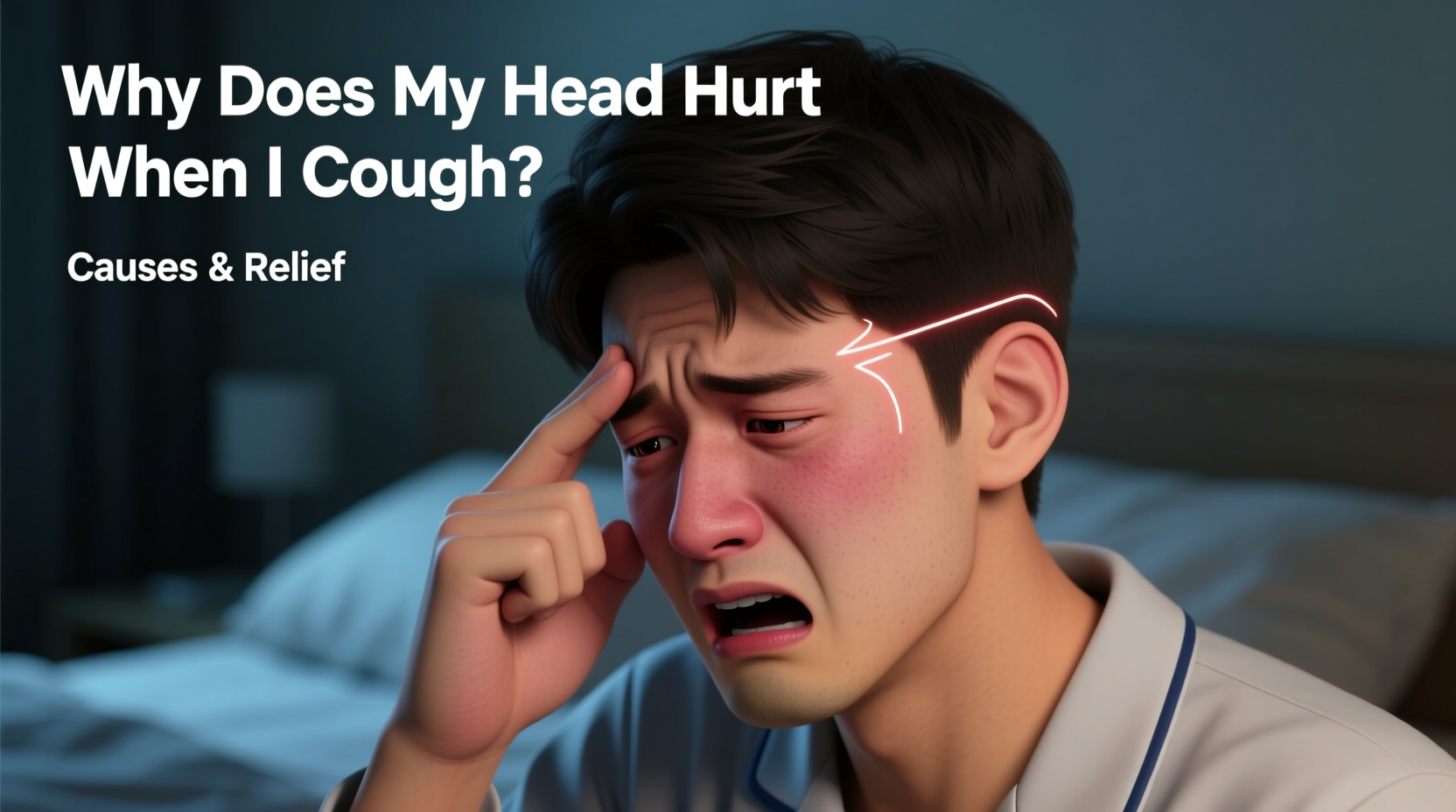
Cough headaches are broadly categorized into two types: primary and secondary. Distinguishing between them is crucial for proper diagnosis and treatment.
- Primary cough headache: Occurs in otherwise healthy individuals, typically triggered by straining activities like coughing, sneezing, lifting heavy objects, or bowel movements. The pain is usually sharp, stabbing, and lasts from a few seconds to several minutes.
- Secondary cough headache: Caused by an underlying structural issue in the brain, such as a Chiari malformation, brain tumor, or cerebrospinal fluid leak. These headaches may persist longer, worsen over time, and be accompanied by other neurological symptoms.
“Primary cough headaches are benign but disruptive. However, if a patient reports worsening pain or associated dizziness and imbalance, we must rule out serious intracranial pathology.” — Dr. Alan Reyes, Neurologist at Boston Brain Institute
Common Causes Behind Cough-Induced Head Pain
The act of coughing increases pressure within the chest and abdomen, which in turn raises pressure inside the skull. This transient spike can trigger pain in sensitive neural pathways. Several factors amplify this response:
1. Intrathoracic Pressure Changes
During a forceful cough, intra-abdominal and intrathoracic pressure surge, impeding venous return from the brain. This leads to a brief increase in intracranial pressure (ICP), stimulating pain-sensitive structures around blood vessels and meninges.
2. Preexisting Structural Abnormalities
Conditions like Chiari Type I malformation—where part of the brain extends into the spinal canal—can make individuals more susceptible to cough headaches. Even minor pressure changes may cause significant discomfort due to restricted space in the posterior fossa.
3. Sinus Congestion and Infections
Respiratory infections or chronic sinusitis increase mucus buildup, creating pressure in facial cavities. When combined with coughing, this pressure can radiate to the forehead or temples, mimicking a tension-type or sinus headache.
4. Medication Side Effects
Some medications, particularly vasodilators like nitrates used for heart conditions, can lower vascular resistance in the brain and predispose individuals to exertional headaches, including those triggered by coughing.
5. Age and Vascular Sensitivity
Men over 40 are more prone to primary cough headaches, possibly due to age-related changes in cerebral vasculature and reduced compliance of intracranial structures.
Effective Relief Strategies and Prevention Tips
While occasional cough headaches may resolve on their own, frequent episodes require proactive management. Below are evidence-based approaches to reduce both frequency and intensity.
Step-by-Step Guide to Managing Cough Headaches
- Control the Cough: Treat the root cause—whether it’s bronchitis, asthma, GERD, or postnasal drip—with appropriate medication under medical supervision.
- Use Cough Suppressants Temporarily: Over-the-counter dextromethorphan or prescription codeine-based syrups may help break the cycle of persistent coughing.
- Stay Hydrated: Thin mucus secretions by drinking plenty of fluids, making coughs less forceful and productive.
- Avoid Straining: Prevent constipation with fiber intake and avoid heavy lifting that could trigger similar pressure spikes.
- Practice Controlled Breathing: Use pursed-lip breathing techniques to suppress sudden coughing fits gently.
Do’s and Don’ts: Quick Reference Table
| Do’s | Don’ts |
|---|---|
| Treat underlying respiratory conditions promptly | Ignore persistent or worsening headaches |
| Use humidifiers to ease airway irritation | Smoke or expose yourself to irritants |
| Support your core when coughing | Take decongestants long-term without medical advice |
| Follow up with a neurologist if headaches recur | Self-diagnose or delay imaging if red flags exist |
Real-Life Example: A Case Study
Mark, a 52-year-old librarian, began experiencing sharp, lightning-like head pains every time he coughed during allergy season. Initially dismissing it as stress-related, he noticed the headaches lasted up to two minutes and were localized at the back of his head. After a bout of bronchitis, the episodes increased in frequency. His primary care physician referred him to a neurologist, who ordered an MRI. The scan revealed a mild Chiari I malformation. With prophylactic indomethacin prescribed and treatment for allergies underway, Mark’s cough headaches resolved within three weeks. This case highlights how even subtle anatomical variations can manifest under pressure-inducing conditions.
Frequently Asked Questions
Can a cough really cause a dangerous headache?
Most cough headaches are primary and not dangerous. However, secondary cough headaches linked to brain abnormalities can be serious. Warning signs include prolonged pain lasting more than a few minutes, vertigo, double vision, or fainting. In such cases, neuroimaging (MRI or CT) is essential.
Is there a cure for primary cough headache?
There’s no definitive “cure,” but many people find complete relief with medications like indomethacin, topiramate, or propranolol. Often, once the triggering illness resolves, the headaches disappear entirely. Long-term prevention focuses on minimizing strain and managing contributing health issues.
Why do some people only get these headaches once in a while?
Episodic occurrences are often tied to acute illnesses like colds or flu. Once the respiratory condition clears, so does the trigger. People with infrequent coughing episodes are less likely to develop chronic patterns unless an anatomical vulnerability exists.
When to Seek Medical Attention
While isolated, short-lived cough headaches are usually benign, certain red flags demand prompt evaluation:
- Pain lasting longer than 30 seconds consistently
- New onset after age 50
- Dizziness, imbalance, or neck stiffness
- Vision changes or difficulty speaking
- Headaches triggered by other forms of exertion (e.g., exercise, sex)
In these scenarios, diagnostic imaging is critical. An MRI with focus on the posterior fossa can detect Chiari malformations, tumors, or cerebrospinal fluid leaks that may require surgical intervention.
Conclusion: Take Control of Your Health
Experiencing head pain when you cough doesn't have to be a normal part of getting older or having a cold. By recognizing the difference between harmless pressure-related twinges and potentially serious neurological signals, you empower yourself to take timely action. Whether through simple lifestyle adjustments, treating respiratory triggers, or seeking specialized care, relief is possible. Don’t dismiss recurring symptoms—your brain deserves the same attention as any other part of your health.




 浙公网安备
33010002000092号
浙公网安备
33010002000092号 浙B2-20120091-4
Comments
No comments yet. Why don't you start the discussion?