
After a refreshing rain, stepping outside usually brings the scent of petrichor—earthy, clean, and invigorating. But if you open your front door and are met with a damp, stale odor instead, something’s wrong inside. A musty smell in your home following rainfall is not normal and often signals hidden moisture issues that could lead to mold growth, structural damage, or compromised indoor air quality.
This odor doesn’t appear out of nowhere. It’s typically caused by trapped moisture meeting organic material—like drywall, wood, carpet padding, or insulation—creating the perfect breeding ground for mold and mildew. The challenge? The source is often invisible, lurking behind walls, under floors, or in crawl spaces. Left unchecked, these conditions can worsen over time, posing health risks and costly repairs.
Understanding why your house smells musty after rain—and how to systematically track down the cause—is essential for maintaining a healthy living environment. This guide breaks down the science behind the smell, walks you through proven detection methods, and provides actionable solutions to stop it at the source.
The Science Behind the Smell
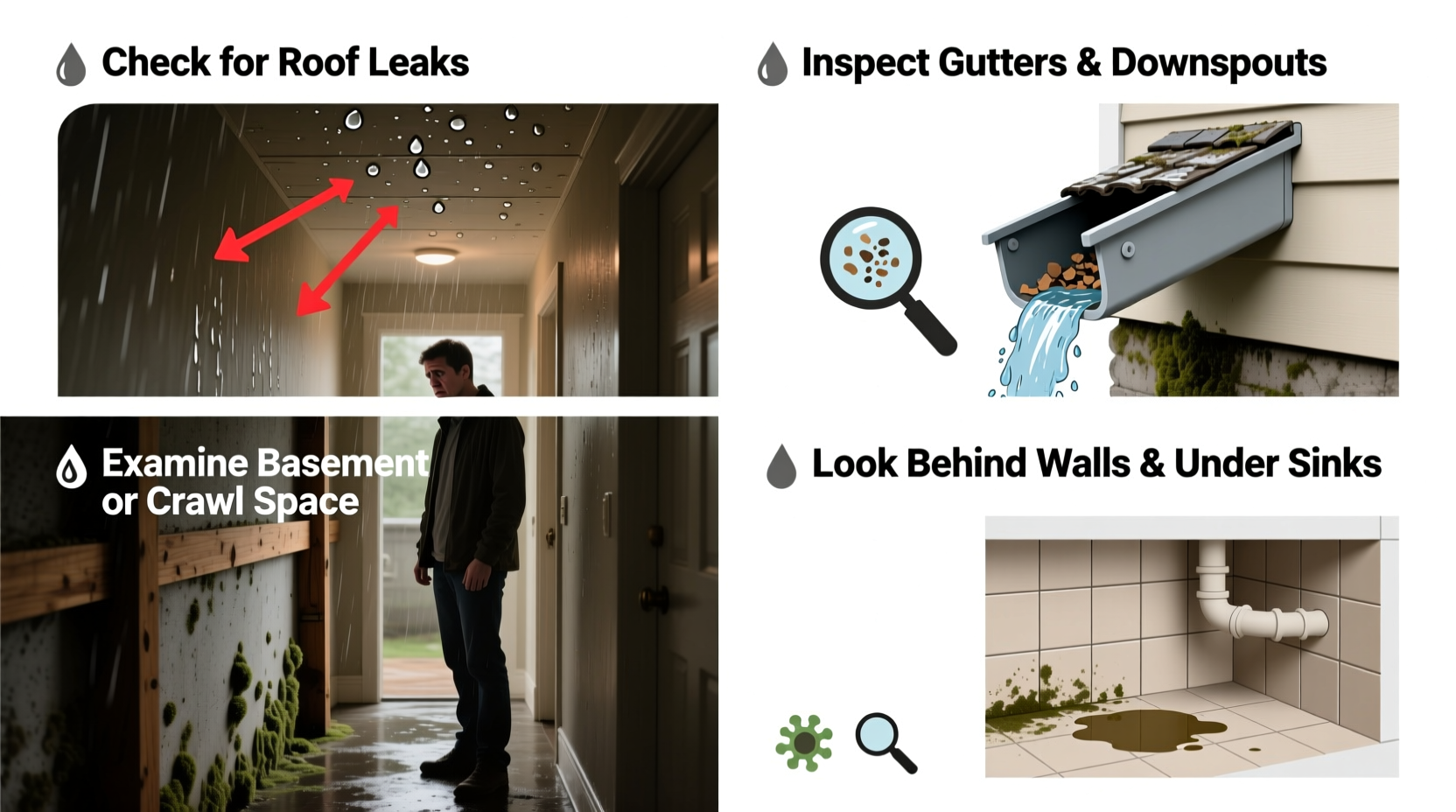
Musty odors are primarily produced by microbial volatile organic compounds (mVOCs) released by mold and mildew as they grow and digest organic materials. These gases have a distinct earthy or sour smell detectable even in small concentrations. Rain exacerbates this issue by increasing humidity, introducing new moisture into vulnerable areas, or reactivating dormant mold colonies that were merely dormant during drier periods.
When rain falls, water can infiltrate your home in subtle ways: through tiny cracks in foundations, gaps around windows, poorly sealed vents, or clogged gutters that direct water toward the structure. Even high outdoor humidity post-rain can raise indoor moisture levels if ventilation is inadequate. Once moisture accumulates in enclosed spaces—especially those with poor airflow—mold begins to grow within 24 to 48 hours.
Common contributors include:
- Leaking roofs or flashing around chimneys and skylights
- Clogged or misdirected downspouts causing foundation saturation
- Condensation in attics or basements due to temperature differentials
- Flooded crawl spaces or water intrusion beneath flooring
- Plumbing leaks behind walls or under sinks
Because mold doesn’t need standing water—just sustained dampness—you may not see visible signs until significant growth has occurred. That’s why identifying the root cause requires both observation and investigation.
How to Locate the Source: A Step-by-Step Guide
Finding where the musty odor originates demands a methodical approach. Start from the exterior and work inward, paying close attention to areas prone to moisture accumulation.
- Inspect the Exterior of Your Home
Walk around your property after rain. Look for:- Gutters overflowing or spilling near the foundation
- Downspouts discharging too close to basement walls
- Cracks in siding, brickwork, or foundation
- Poor grading—soil sloping toward the house instead of away
- Check Roof and Attic Areas
Water entering through the roof often travels far before showing signs. In the attic, look for:- Dark stains on rafters or sheathing
- Wet insulation or warped plywood decking
- Mold on wooden beams or cardboard-backed insulation
- Examine Basements and Crawl Spaces
These areas are highly susceptible to moisture. Use a flashlight to check for:- Efflorescence (white, powdery residue on concrete)—a sign of past water seepage
- Musty-smelling insulation or wet floor joists
- Puddles or damp soil in crawl spaces
- Investigate Interior Walls and Floors
If no obvious exterior issues exist, suspect hidden plumbing leaks or condensation. Signs include:- Bubbling paint or peeling wallpaper
- Spongy or soft floorboards near bathrooms or kitchens
- Discoloration on ceilings below upper-level bathrooms
- Test HVAC Systems and Vents
Air conditioners and ductwork can harbor mold if drainage pans overflow or ducts remain damp. Check:- Dirty drip pans or clogged condensate lines
- Mold around supply registers or return grilles
- Musty air blowing from vents during or after rain
“Many homeowners assume mold must be visible to be problematic. In reality, up to 70% of mold growth occurs behind walls or above ceilings.” — Dr. Lena Patel, Indoor Environmental Quality Specialist
Do’s and Don’ts When Dealing with Musty Odors
| Do’s | Don’ts |
|---|---|
| Use a hygrometer to monitor indoor humidity (ideal: 30–50%) | Ignore persistent dampness—even if no mold is visible |
| Run exhaust fans during and after showers | Use bleach on porous surfaces like drywall or wood (it won’t kill roots) |
| Seal foundation cracks with hydraulic cement | Block basement wall weep holes or drain tiles |
| Install a dehumidifier in basements or crawl spaces | Store cardboard boxes directly on concrete floors |
| Hire a licensed inspector for suspected structural leaks | Delay repairs because the smell “comes and goes” |
Real Example: Tracking Down a Hidden Leak
In suburban Ohio, homeowner Maria noticed her living room developed a mildew-like odor every time it rained heavily. There was no visible water damage, and the basement remained dry. She initially assumed it was seasonal humidity.
After two months of recurring smells, she called an inspector who used a thermal imaging camera. The scan revealed a cold spot along an interior wall adjacent to the garage. Further probing showed rotted sheathing behind the wall—caused by a failed seal around the garage roof’s edge. Rainwater had been seeping in gradually, absorbed by the framing, and only became noticeable as vapor when indoor-outdoor temperature differences increased post-storm.
The fix involved resealing the roof-to-wall junction, replacing damaged wood, and installing a moisture barrier. Within a week, the odor vanished completely. Maria’s case illustrates how non-obvious pathways—like shared walls between heated and unheated spaces—can mask serious moisture problems.
Practical Tips to Prevent Future Musty Smells
Prevention is more effective—and less expensive—than remediation. Implement these strategies year-round to reduce the risk of post-rain mustiness:
- Improve grading: Ensure the ground slopes away from your foundation at a rate of 6 inches over 10 feet.
- Ventilate crawl spaces: Install foundation vents or encapsulate with a vapor barrier and dehumidifier.
- Upgrade attic insulation: Properly insulated attics reduce condensation and keep roofs colder, minimizing ice dams that cause leaks.
- Monitor indoor humidity: Keep relative humidity below 55%, especially during humid months.
- Seal windows and doors: Replace worn caulk and install weatherstripping to prevent water infiltration.
Checklist: Post-Rain Home Inspection Routine
Make this quick checklist part of your routine after heavy rainfall:
- Walk the perimeter of your home to check for pooling water near the foundation
- Inspect attic access for signs of moisture or mold
- Smell air vents and registers for musty odors
- Check basement walls and floors for dampness or efflorescence
- Verify sump pump operation (if applicable)
- Listen for dripping sounds in walls or ceilings
- Review humidity levels using a digital hygrometer
Frequently Asked Questions
Can a musty smell after rain be harmless?
Occasional, faint earthy scents from open windows may simply reflect outdoor air changes. However, persistent or strong musty odors indoors are never normal. They indicate active moisture intrusion or biological growth that should be investigated promptly.
Is it safe to use air fresheners to cover up the smell?
No. Masking the odor with sprays or plug-ins does nothing to address the underlying issue and may worsen indoor air quality. Eliminate the source first; then ventilate and deodorize naturally with baking soda or activated charcoal.
How long does it take for mold to grow after water exposure?
Mold spores begin germinating within 24 to 48 hours of continuous moisture exposure. That’s why rapid drying of wet materials—such as carpets, drywall, or insulation—is critical after leaks or flooding.
Take Action Before Small Problems Become Big Ones
A musty smell after rain isn’t just unpleasant—it’s a warning signal. Whether it stems from a cracked foundation, a leaking roof, or hidden condensation, ignoring it invites escalating damage. Mold compromises structural integrity, triggers allergies, and diminishes your home’s value.
The key is proactive inspection and timely intervention. By understanding how moisture moves through your home and where vulnerabilities lie, you can stop odors at their origin. Don’t wait for visible mold or warped floors. Use the steps outlined here to conduct regular checks, maintain proper drainage, and ensure your home breathes cleanly—rain or shine.




 浙公网安备
33010002000092号
浙公网安备
33010002000092号 浙B2-20120091-4
Comments
No comments yet. Why don't you start the discussion?