
If you’ve noticed a fine, chalky residue settling on your furniture, electronics, or floors after using your humidifier, you’re not alone. This mysterious white dust is a common issue for many households—especially those using ultrasonic or cool mist humidifiers. While it may look like harmless lint at first, this dust can be more than just an aesthetic nuisance. It’s often mineral buildup from tap water, dispersed into the air as a fine mist. Over time, it can accumulate on surfaces, affect indoor air quality, and even trigger respiratory sensitivities in some individuals.
Understanding what causes white dust and how to stop it is essential for maintaining a healthy, clean home environment. The good news? With the right knowledge and a few simple adjustments, you can enjoy the benefits of humidity without the mess.
What Is White Dust and Where Does It Come From?
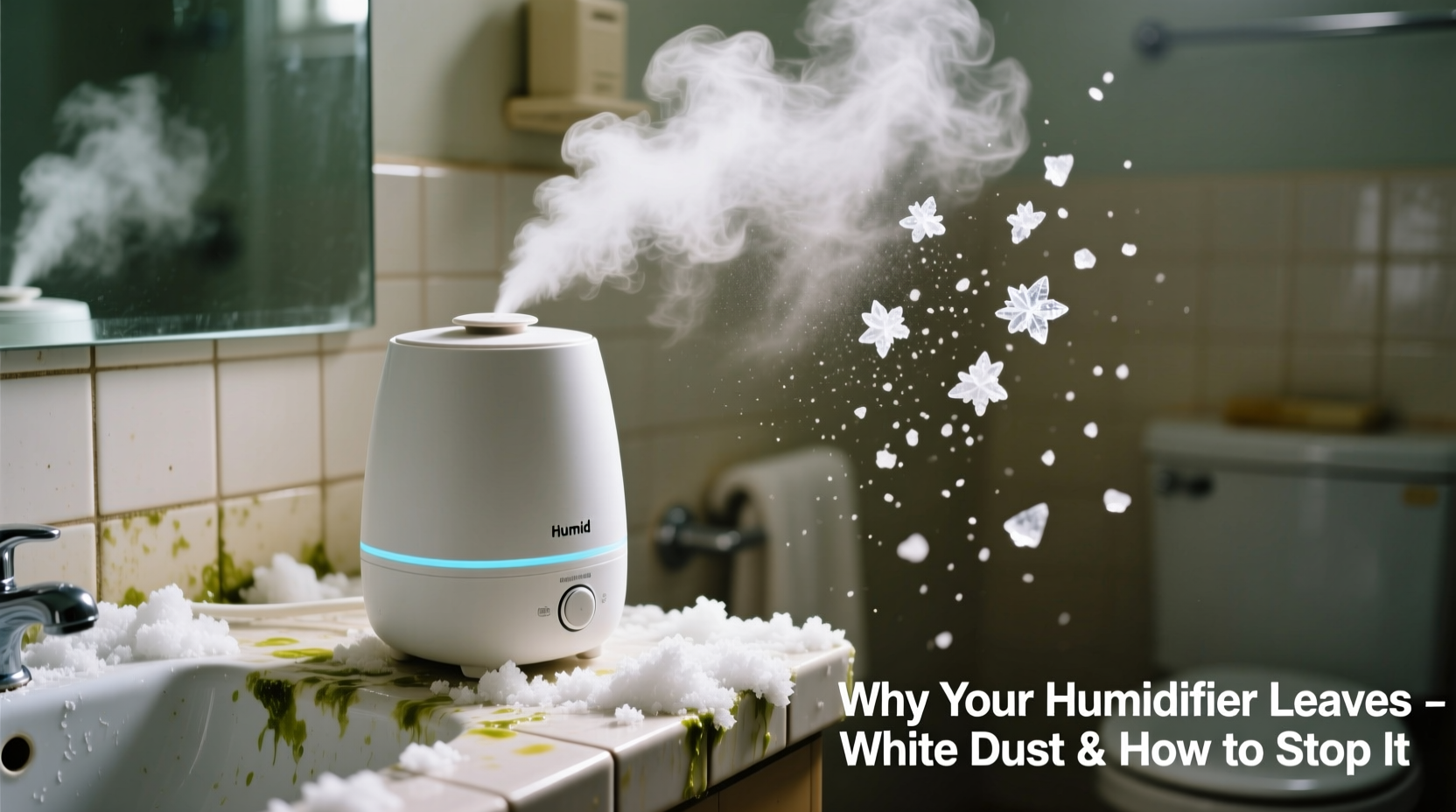
The white dust left behind by your humidifier isn’t dirt or mold—it’s primarily composed of dissolved minerals found in tap water. When your humidifier operates, especially ultrasonic models, it vibrates water at high frequency to create a fine mist. If that water contains calcium, magnesium, lime, or other minerals (commonly known as “hard water”), those minerals don’t evaporate. Instead, they are released into the air along with the water vapor and settle as a powdery residue when the moisture condenses.
This phenomenon is sometimes referred to as “white scum” or “mineral dust.” It’s most noticeable on dark surfaces and around the humidifier’s outlet. While not toxic in small amounts, consistent exposure to airborne mineral particles isn’t ideal, particularly for people with asthma or allergies.
“Ultrasonic humidifiers are highly efficient, but they act like tiny blenders for whatever is in your water—including minerals. That’s why users in hard water areas see more dust.” — Dr. Linda Harper, Indoor Air Quality Researcher, Environmental Health Institute
Why Some Humidifiers Produce More Dust Than Others
Not all humidifiers contribute equally to white dust. The type of humidifier you own plays a major role in whether you’ll encounter this issue:
- Ultrasonic Humidifiers: These use high-frequency vibrations to create a cool or warm mist. Because they don’t boil the water, all dissolved solids remain in the mist and become airborne. This makes them the biggest culprits for white dust.
- Cool Mist Evaporators: These work by blowing air through a wet wick filter. Only pure water evaporates; minerals stay trapped in the filter. As a result, they produce little to no white dust.
- Steam Vaporizers: These boil water to produce steam. Since only vapor is released, minerals are left behind in the boiling chamber. They rarely cause white dust unless scale buildup overflows during cleaning.
How to Prevent White Dust: Practical Solutions
Eliminating white dust doesn’t mean giving up your humidifier. Instead, focus on reducing the mineral content in the water you use and maintaining your device properly. Here are proven strategies:
1. Use Distilled or Demineralized Water
The most effective way to prevent white dust is to fill your humidifier with distilled or demineralized water. Unlike tap water, distilled water has had nearly all minerals and impurities removed through a boiling and condensation process. Using it ensures that only pure water vapor enters your air.
While distilled water costs more than tap water, the investment pays off in cleaner air and less frequent cleaning. Many supermarkets and pharmacies carry gallon jugs at reasonable prices.
2. Install a Demineralization Cartridge or Filter
Some ultrasonic humidifiers come with optional demineralization cartridges designed to trap minerals before they enter the mist. These filters contain ion-exchange resins that capture calcium and magnesium ions. If your unit supports one, install it and replace it according to the manufacturer’s schedule—typically every 1–3 months.
Even if your humidifier didn’t come with a cartridge, third-party options are available for popular models. Just ensure compatibility before purchasing.
3. Clean Your Humidifier Regularly
Mineral deposits build up inside your humidifier over time, forming scale that can flake off and contribute to dust. A weekly cleaning routine prevents this:
- Unplug the unit and empty the water tank.
- Disassemble removable parts (tank, base, nozzle). <3>Soak components in a mixture of 1 part white vinegar to 3 parts water for 20–30 minutes.
- Rinse thoroughly with clean water.
- Dry completely before reassembling.
Vinegar dissolves lime and calcium effectively without harsh chemicals. Avoid bleach unless specified by the manufacturer, as it can degrade plastic parts.
4. Consider a Reverse Osmosis (RO) Water System
If you use your humidifier daily, constantly buying distilled water may become inconvenient. In this case, installing a reverse osmosis filtration system under your sink provides a long-term solution. RO systems remove up to 99% of dissolved minerals, making the water suitable for humidifiers, cooking, and drinking.
Though the initial cost ranges from $150 to $500, the ongoing expense per gallon is far lower than bottled distilled water. Plus, you’ll notice improvements in appliance longevity and taste of drinking water.
Do’s and Don’ts of Humidifier Water Use
| Do’s | Don’ts |
|---|---|
| Use distilled or demineralized water | Never use untreated tap water in ultrasonic models |
| Clean the tank weekly with vinegar | Avoid letting water sit in the tank between uses |
| Replace demineralization filters on schedule | Don’t ignore visible scale buildup |
| Fill the tank with fresh water each time | Don’t use mineral water or spring water |
| Use filtered water if distilled isn’t available | Don’t add essential oils unless the unit is designed for it |
Real-Life Example: How One Family Solved Their Dust Problem
The Thompson family in Denver began noticing a persistent white film on their baby’s crib, nightstand, and TV screen shortly after using a new ultrasonic humidifier in the nursery. At first, they assumed it was dust from construction nearby. But after daily wiping and still seeing the residue return, they investigated further.
They tested their tap water and found high levels of calcium carbonate—typical for their region’s hard water. Switching to distilled water immediately reduced the dust. They also started cleaning the humidifier weekly with vinegar and installed a demineralization cartridge. Within two weeks, the white powder disappeared entirely.
“We didn’t realize our humidifier was basically spraying limestone into the air,” said Sarah Thompson. “Now we check the water type first—just like checking oil for a car.”
Step-by-Step Guide to a Dust-Free Humidifier Routine
Follow this daily and weekly plan to keep your humidifier operating cleanly:
- Daily: Empty any leftover water from the previous day. Rinse the tank and refill with fresh distilled water.
- Before Each Use: Inspect the nozzle and base for visible mineral deposits.
- Weekly: Perform a full disassembly and vinegar soak as described earlier.
- Monthly: Replace demineralization cartridges or wick filters if applicable.
- Seasonally: Deep-clean the entire unit before storing it. Check for cracks or wear on seals and gaskets.
Consistency is key. Even occasional lapses can lead to mineral accumulation that affects performance and air quality.
Frequently Asked Questions
Is white dust from humidifiers harmful to breathe?
In small amounts, the mineral particles in white dust are not considered toxic. However, prolonged inhalation may irritate the lungs, especially in individuals with asthma, bronchitis, or other respiratory conditions. Reducing exposure by using distilled water is the safest approach.
Can I use bottled drinking water instead of distilled?
Not all bottled water is created equal. Spring water often contains high mineral content and will still cause dust. Look for labels that say “purified” or “distilled.” If in doubt, check the Total Dissolved Solids (TDS) level—distilled water should be below 10 ppm.
Why does my humidifier produce white dust only in winter?
Winter leads to increased humidifier use due to dry indoor heating. You may also be using the device more frequently and for longer durations, amplifying the release of minerals. Additionally, lower humidity makes dust more visible on surfaces.
Final Checklist: Eliminate White Dust for Good
- ✅ Switch to distilled or demineralized water
- ✅ Clean the humidifier tank weekly with vinegar
- ✅ Install and maintain a demineralization cartridge
- ✅ Replace filters and cartridges on schedule
- ✅ Empty and rinse the tank daily
- ✅ Consider upgrading to an evaporative humidifier if problems persist
- ✅ Test your tap water hardness if unsure about mineral levels
Take Control of Your Indoor Air Quality
Your humidifier should improve comfort, not create new problems. The white dust it leaves behind is a clear signal that your water source needs attention. By switching to purified water and adopting a disciplined maintenance routine, you can enjoy moist, clean air without the mess.
Start today: dump out the tap water, pick up a jug of distilled, and give your unit a thorough cleaning. Small changes now lead to healthier breathing and cleaner surfaces in the long run. Share your experience or tips with others facing the same issue—because everyone deserves fresh, dust-free air in their home.




 浙公网安备
33010002000092号
浙公网安备
33010002000092号 浙B2-20120091-4
Comments
No comments yet. Why don't you start the discussion?