
A freshly decorated Christmas tree should be the centerpiece of holiday joy—fragrant, full, and festive. Yet many homeowners are dismayed when their indoor tree begins shedding needles within days of setup. This isn’t just a minor annoyance; it can signal poor selection, improper handling, or environmental stress. Understanding why this happens—and how to prevent it—is key to enjoying a lush, long-lasting tree throughout the season.
Needle drop in live Christmas trees is natural over time, but immediate shedding is avoidable. It often stems from dehydration, species mismatch, or inadequate care after purchase. By learning how to select the right tree and maintain its health indoors, you can significantly extend its lifespan and preserve its beauty.
Why Indoor Christmas Trees Drop Needles Immediately
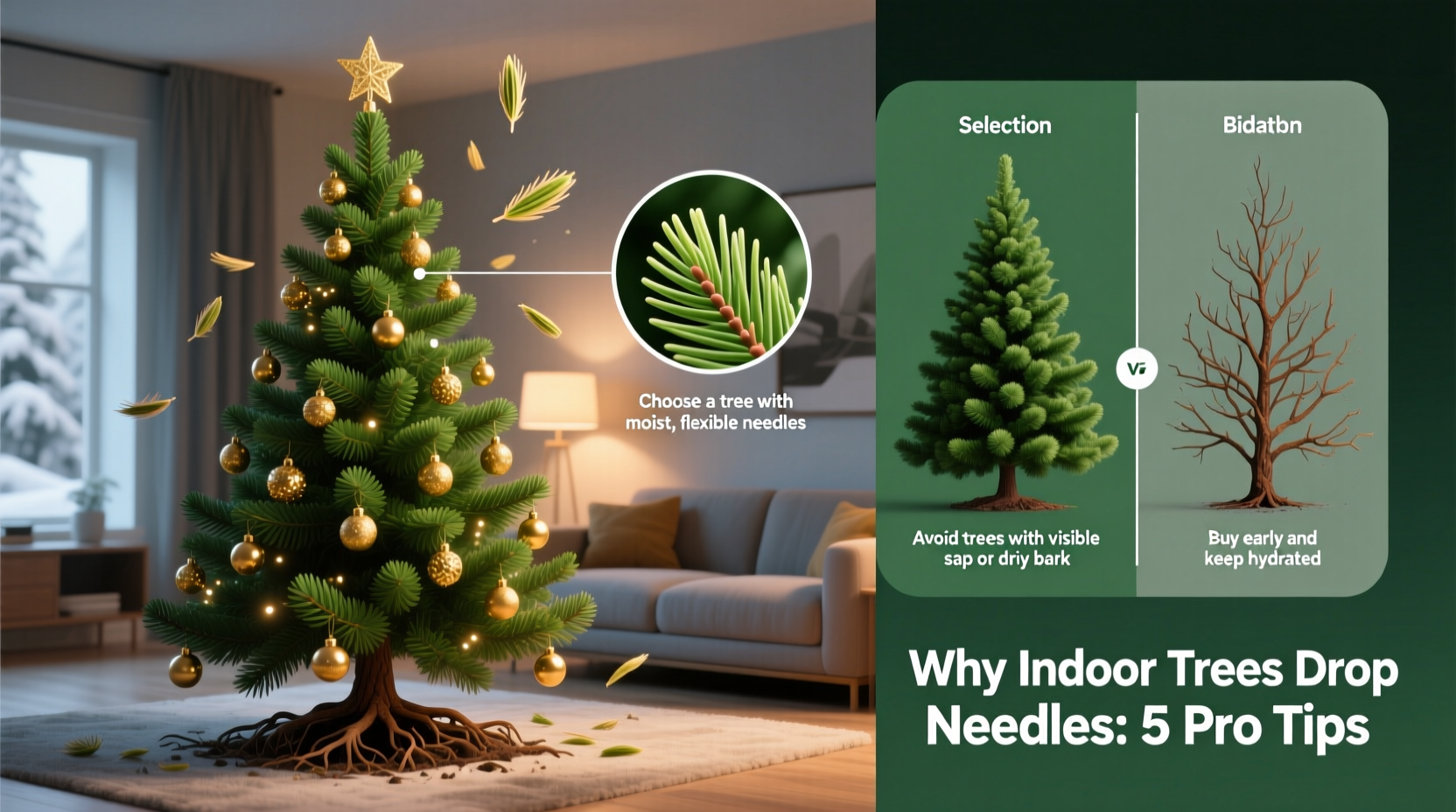
The most common reason for rapid needle loss is dehydration. When a tree is cut, it loses access to water at the roots. If the stump isn’t re-cut before being placed in water—or if it sits too long without hydration—the vascular system seals over, preventing effective water uptake. Without moisture, the tree dries out quickly, causing needles to turn brittle and fall off with even light touch.
Another major factor is indoor climate. Most homes during winter are warm and dry due to heating systems. Evergreen trees, which evolved in cooler, more humid environments, struggle under these conditions. Low humidity accelerates transpiration (moisture loss through needles), worsening dehydration.
Additionally, some species naturally shed more than others. For example, Leyland cypress and certain pines have shorter lifespans once cut and are prone to fast drying. Choosing an unsuitable variety increases the risk of early needle drop regardless of care.
“Over 60% of premature needle loss cases we see stem from delayed water uptake after cutting. A fresh cut at the base is non-negotiable.” — Dr. Alan Reeves, Arborist & Holiday Tree Specialist, Northern Pine Institute
How to Select a Fresh Christmas Tree: A Step-by-Step Guide
Choosing a healthy tree starts long before you bring it home. Follow this timeline and checklist to ensure maximum freshness and longevity.
Step 1: Time Your Purchase Strategically
Aim to buy your tree no more than 2–3 weeks before Christmas. The longer a cut tree remains out of the ground, the greater its moisture loss—even when stored properly. Trees displayed outdoors in cold climates may last slightly longer, but indoor warmth drastically reduces shelf life.
Step 2: Perform On-Site Freshness Tests
Before purchasing, conduct three quick checks:
- Needle Flex Test: Gently bend a few mid-level needles. They should be pliable, not snapping easily. Brittle needles indicate age or poor storage.
- Shake Test: Lightly shake a branch. Only a few old or dead needles should fall. Excessive shedding means the tree started deteriorating before sale.
- Stump Inspection: Look for a moist, pale-colored cut surface. Dry, darkened stumps suggest the tree was cut days or weeks ago.
Step 3: Choose the Right Species for Indoors
Not all evergreens perform equally well inside. Some retain needles longer, emit stronger fragrance, and resist drying better than others.
| Tree Species | Needle Retention | Fragrance Level | Best For |
|---|---|---|---|
| Frasier Fir | Excellent | Strong | Indoor display, families with kids |
| Balsam Fir | Very Good | Very Strong | Scent lovers, cooler homes |
| Noble Fir | Excellent | Moderate | Decorating with heavy ornaments |
| Scotch Pine | Good | Mild | Long display periods, low maintenance |
| Leyland Cypress | Poor | Low | Outdoor use only (avoid indoors) |
| White Pine | Fair | None | Allergy-sensitive households |
Proper Handling and Preparation After Purchase
Even the freshest tree will fail indoors without proper post-purchase care. How you transport and prepare it makes a significant difference.
Re-Cut the Base Before Watering
As soon as you get home, cut ½ to 1 inch off the bottom of the trunk. This removes the sealed layer that formed after the original cut and exposes fresh wood capable of absorbing water. Use a handsaw—never a hatchet or axe—as ragged cuts impair uptake.
Use a Proper Stand with Adequate Water Capacity
Select a stand that holds at least one quart of water per inch of stem diameter. Most standard stands hold 1–2 gallons, which is sufficient for average trees. Check water levels daily—trees drink heavily in the first few days.
Keep Away From Heat Sources
Place the tree at least 3–5 feet from radiators, fireplaces, space heaters, and direct sunlight. Heat accelerates drying and increases needle drop. Ideal room temperature for a Christmas tree is between 65°F and 70°F (18°C–21°C).
Maintain Humidity When Possible
If your home’s relative humidity is below 40%, consider using a nearby humidifier. While not always practical, even small boosts in ambient moisture can slow dehydration and improve needle retention.
“We once had a customer return a tree on day two claiming it was ‘defective.’ Upon inspection, the stump hadn’t been recut, and it sat in a quarter-inch of water for 48 hours. The fix was simple—but preventable.” — Mark Tolbert, Owner, Evergreen Lane Tree Farm
Common Mistakes That Cause Early Needle Loss
Even with good intentions, many people unknowingly sabotage their tree’s health. Here are the top errors and how to avoid them:
- Mistake: Skipping the fresh cut. Once sap seals the cut end, water absorption stops. Always re-cut before placing in the stand.
- Mistake: Letting the water run dry. Even a single day without water can cause the cut to reseal. Refill every 24 hours, especially during peak water uptake (first 7–10 days).
- Mistake: Choosing the wrong species. Leyland cypress, Arizona pine, and some spruces are notoriously short-lived indoors. Stick to proven performers like Frasier fir or Scotch pine.
- Mistake: Over-decorating with heat-emitting lights. Older incandescent mini-lights generate heat that dries nearby branches. Opt for LED lights, which run cooler and use less energy.
- Mistake: Waiting too long to set up. Bringing the tree in early December may seem festive, but each extra week indoors costs freshness. Delay setup until late November or early December at the earliest.
Real Example: One Family’s Tree Turnaround
The Thompson family in Columbus, Ohio, had grown frustrated with their annual Christmas tradition. For three years straight, their tree lost half its needles by Christmas Eve. They blamed “bad luck” until they visited a choose-and-cut farm and spoke with a staff arborist.
This year, they followed new protocols: selecting a Frasier fir, having it cut fresh, driving home with the base submerged in a bucket of water, and making an immediate recut upon arrival. They used a large-capacity stand, filled it with water before placing the tree, and kept it away from their living room fireplace.
The result? Their tree remained vibrant through New Year’s Day, with minimal needle drop—only loose debris from initial settling. They even reused the stand and plan to apply the same method next year.
Essential Checklist for a Long-Lasting Indoor Tree
Follow this actionable checklist from selection to setup:
- ✅ Buy no earlier than two weeks before Christmas
- ✅ Choose a species known for good needle retention (e.g., Frasier fir, Noble fir, Scotch pine)
- ✅ Perform the shake, flex, and stump tests before purchase
- ✅ Request a fresh cut at the point of sale or do it yourself within hours
- ✅ Transport with the base down and, if possible, in water
- ✅ Re-cut ½–1 inch off the base before placing in the stand
- ✅ Fill the stand with room-temperature water immediately
- ✅ Place the tree away from heat sources and direct sunlight
- ✅ Check water level twice daily for the first week, then once daily
- ✅ Remove the tree promptly after the holidays (ideally within a week of Christmas)
Frequently Asked Questions
Can I revive a tree that’s already dropping needles?
If needle drop began shortly after setup and the tree hasn’t been dry for more than 24 hours, you may still save it. Make a fresh cut (at least ½ inch above the old one), place it back in water immediately, and ensure consistent refilling. However, if the tree has been dry for several days, revival is unlikely.
Is there a difference between farm-grown and wild-harvested trees?
Farm-grown trees are typically healthier and more uniform. They’re bred for holiday use, pruned annually, and harvested at peak freshness. Wild-harvested trees (where permitted) may be less predictable in quality and often suffer root damage during removal, accelerating dehydration once cut.
Do artificial trees solve the needle drop problem?
Yes, high-quality artificial trees don’t shed and can last 10+ years with proper storage. However, they lack the scent and natural ambiance of real trees. If you prioritize convenience and reuse, an artificial tree may be a better fit. For authenticity and tradition, a well-chosen real tree remains unmatched—with proper care.
Conclusion: Enjoy a Fuller, Fresher Tree This Season
Immediate needle drop isn’t inevitable—it’s a warning sign of mismatched expectations or overlooked care steps. With informed selection, timely preparation, and consistent watering, your indoor Christmas tree can remain lush and aromatic for weeks. The secret lies not in luck, but in understanding the biology of cut evergreens and respecting their need for moisture and cool conditions.
Start applying these practices this year: visit a reputable seller, choose wisely, re-cut the base, and commit to daily water checks. Small efforts yield big results—a tree that looks as vibrant on New Year’s as it did on Christmas morning.




 浙公网安备
33010002000092号
浙公网安备
33010002000092号 浙B2-20120091-4
Comments
No comments yet. Why don't you start the discussion?