
Jaw clicking during chewing is a surprisingly common experience, yet it often causes concern. While occasional popping or snapping may not be serious, persistent clicking—especially when accompanied by pain, stiffness, or difficulty opening the mouth—can signal an underlying issue with the temporomandibular joint (TMJ). Understanding the root causes and knowing how to manage symptoms at home can make a significant difference in comfort and long-term joint health.
The TMJ connects your jawbone to your skull, just in front of each ear. It's one of the most complex joints in the body, allowing for smooth movements like opening and closing your mouth, speaking, and chewing. When this joint becomes misaligned, inflamed, or stressed, it can produce audible sounds such as clicking, popping, or even grinding. The good news is that many cases can be managed effectively with simple, non-invasive strategies.
What Causes Jaw Clicking During Chewing?
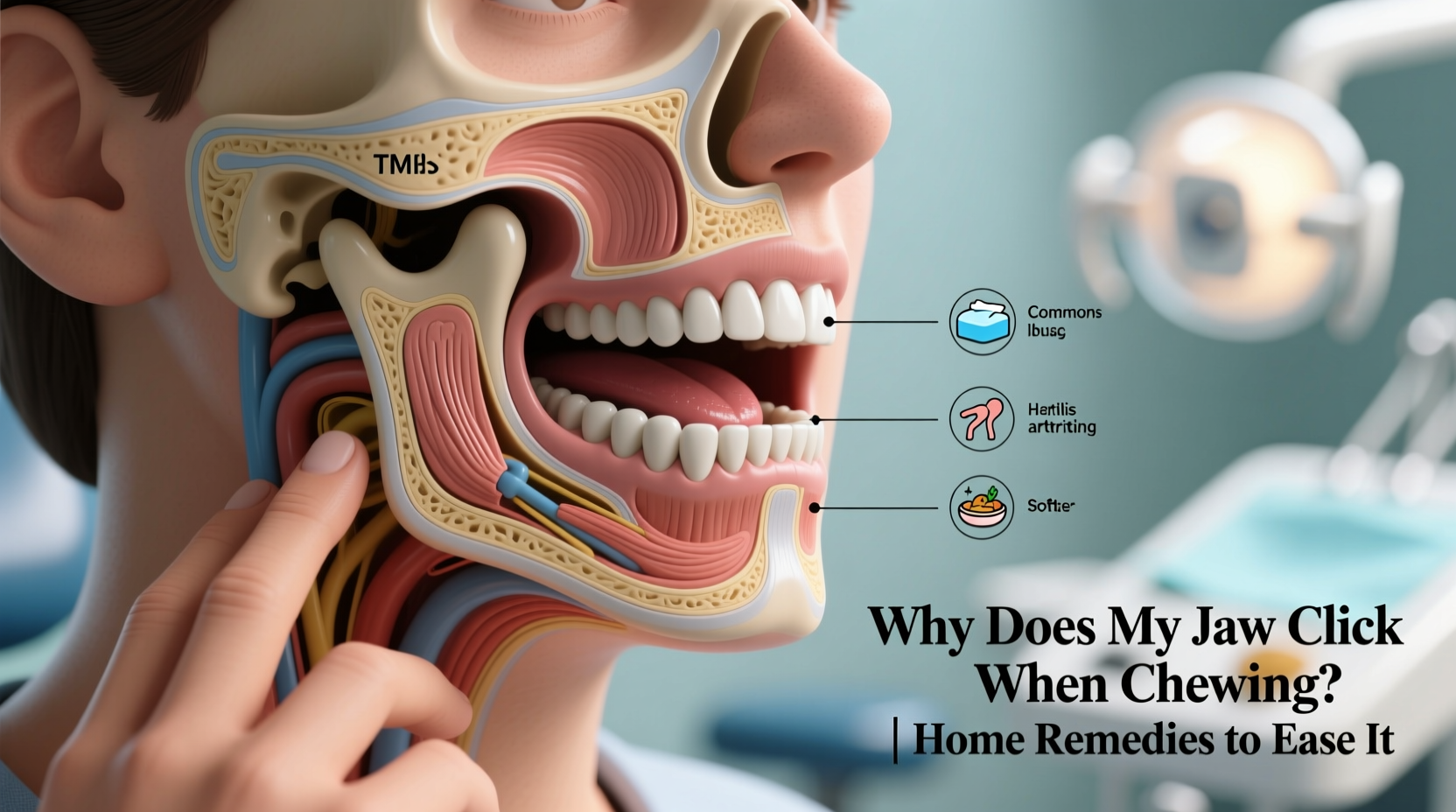
Jaw clicking typically occurs when the articular disc—a small, shock-absorbing pad within the TMJ—becomes displaced or moves out of alignment. As you chew or open your mouth wide, the disc may snap back into place, producing a clicking sound. However, several contributing factors can lead to this displacement or strain on the joint.
- Temporomandibular Joint Disorder (TMD): This umbrella term covers various conditions affecting the TMJ and surrounding muscles. TMD is the most common cause of chronic jaw clicking.
- Bruxism (Teeth Grinding or Clenching): Often occurring at night, bruxism places excessive pressure on the jaw joint and muscles, leading to inflammation and disc displacement.
- Poor Posture: Forward head posture, especially from prolonged screen use, alters jaw alignment and increases muscle tension around the TMJ.
- Arthritis: Osteoarthritis or rheumatoid arthritis can degrade the joint cartilage, resulting in irregular movement and noise.
- Trauma or Injury: A direct blow to the jaw or whiplash can damage the joint structure or displace the disc.
- Stress: Emotional stress triggers muscle tension, particularly in the face and jaw, which can exacerbate joint dysfunction.
- Dental Misalignment: An uneven bite or malocclusion forces the jaw to compensate, increasing strain on the TMJ.
“Over 10 million Americans experience TMJ-related symptoms at some point, with jaw clicking being one of the earliest warning signs.” — Dr. Alan Schwartz, Oral & Maxillofacial Specialist
When to Be Concerned About Jaw Clicking
Not all jaw noises require immediate medical attention. Occasional, painless clicking that doesn’t interfere with daily function may simply indicate minor joint strain. However, certain red flags suggest the need for professional evaluation:
- Pain or tenderness in the jaw, face, or around the ear
- Difficulty opening or closing the mouth fully
- Jaw locking in an open or closed position
- Frequent headaches or earaches without infection
- Noticeable asymmetry in jaw movement
- Worsening symptoms over time
Effective Home Remedies to Ease Jaw Clicking
For mild to moderate cases, self-care strategies can significantly reduce jaw clicking and associated discomfort. These remedies focus on reducing inflammation, relaxing tense muscles, and improving joint mechanics.
1. Apply Warm and Cold Compresses
Alternating heat and ice helps reduce swelling and relax tight muscles. Use a warm towel for 15 minutes to increase blood flow and loosen the joint, followed by a cold pack wrapped in cloth for 10 minutes to reduce inflammation.
2. Practice Gentle Jaw Stretches
Controlled stretching improves mobility and reduces stiffness. Try these exercises twice daily:
- Resisted Opening: Place your thumb under your chin and gently push upward as you slowly open your mouth. Resist the motion slightly to build strength.
- Lateral Jaw Movement: Gently move your jaw side to side, holding each end position for 5 seconds. Do 5 reps per side.
- Chin Tuck Stretch: Sit upright, tuck your chin toward your chest, and hold for 10 seconds. This aligns the cervical spine and indirectly supports jaw posture.
3. Modify Your Diet
Avoid hard, chewy, or large foods that strain the jaw. Cut food into small pieces and opt for soft options like soups, mashed vegetables, yogurt, and smoothies until symptoms improve.
4. Reduce Jaw Stress Habits
Consciously avoid behaviors that aggravate the joint:
- Chewing gum
- Biting nails or pens
- Resting your chin on your hand
- Talking excessively without breaks
5. Manage Stress Through Relaxation Techniques
Stress contributes heavily to jaw tension. Incorporate daily practices such as deep breathing, meditation, or progressive muscle relaxation to calm the nervous system and reduce clenching.
“Many patients report noticeable improvement within two weeks of consistent home care, especially when stress and diet are addressed.” — Dr. Lena Torres, Physical Therapist specializing in Orofacial Pain
Step-by-Step Guide to Daily TMJ Relief Routine
Follow this structured daily plan to support jaw health and minimize clicking over time:
- Morning (upon waking): Perform 5 minutes of gentle jaw stretches and neck rolls to release overnight tension.
- Midday: Take a 5-minute break to practice diaphragmatic breathing—inhale deeply through the nose for 4 counts, hold for 4, exhale for 6. Repeat 5 times.
- After Meals: Rinse mouth with warm water and avoid lying down immediately to prevent jaw strain.
- Evening: Apply a warm compress for 15 minutes, then perform another round of light stretches.
- Before Bed: Wear a custom-fitted night guard if prescribed, or practice a guided relaxation exercise to prevent nocturnal clenching.
Do’s and Don’ts for Managing Jaw Clicking
| Do’s | Don’ts |
|---|---|
| Eat soft, easy-to-chew foods | Chew gum or tough meats |
| Practice good posture, especially while working | Crane your neck forward while using devices |
| Use a warm compress daily | Apply heat during acute flare-ups (use ice instead) |
| Stay hydrated to maintain joint lubrication | Ignore persistent pain or locking |
| Seek dental evaluation if grinding is suspected | Self-treat with aggressive jaw manipulation |
Real-Life Example: How Sarah Reduced Her Jaw Clicking
Sarah, a 34-year-old graphic designer, began noticing her jaw clicking every time she chewed breakfast. Initially painless, the sound grew louder and was soon accompanied by morning stiffness and headaches. After reading about TMJ online, she realized her habits—long hours hunched over her laptop, frequent gum chewing, and nighttime teeth grinding—were likely culprits.
She started a home care routine: replaced gum with herbal tea, adjusted her workstation to improve posture, applied warm compresses nightly, and practiced 10 minutes of mindfulness meditation before bed. Within three weeks, the clicking decreased significantly. Her dentist later confirmed mild TMD and recommended a night guard, which eliminated her symptoms entirely within two months.
Sarah’s case illustrates how lifestyle adjustments, when applied consistently, can resolve jaw issues without invasive treatment.
FAQ: Common Questions About Jaw Clicking
Is jaw clicking dangerous?
Not always. Painless clicking may be benign, especially if it comes and goes. However, if it progresses to pain, limited movement, or locking, it could indicate worsening joint dysfunction and should be evaluated.
Can a dentist fix a clicking jaw?
Yes. Dentists trained in TMJ disorders can diagnose the cause and recommend treatments such as occlusal splints (night guards), bite correction, or referrals to physical therapists or specialists.
Will jaw clicking go away on its own?
In some cases, yes—especially if caused by temporary strain or stress. But without addressing underlying habits like clenching or poor posture, symptoms often return or worsen over time.
Conclusion: Take Control of Your Jaw Health
Jaw clicking when chewing is more than just a curious noise—it’s a signal from your body that something needs attention. While many causes are manageable at home, ignoring persistent symptoms can lead to chronic pain and reduced quality of life. By understanding the mechanisms behind TMJ dysfunction and applying targeted, evidence-based remedies, you can restore comfort and function to your jaw.
The key lies in consistency: gentle exercises, mindful habits, stress management, and timely professional input when needed. Small changes today can prevent long-term complications tomorrow.




 浙公网安备
33010002000092号
浙公网安备
33010002000092号 浙B2-20120091-4
Comments
No comments yet. Why don't you start the discussion?